Managing risk in the field: vector and pest control at the AUSMAT Health Logistics course
30 Jun 2026
Written by Erika Lu
Vector and pest control is a critical component of safe and effective Emergency Medical Team (EMT) operations. During deployments, it supports the protection of patients, healthcare workers and surrounding communities from disease-carrying vectors and pests during deployments.
It involves the integrated use of environmental, physical and chemical control measures to reduce the risk of outbreaks and maintain a safe healthcare environment. Within AUSMAT deployments, these measures form part of broader environmental health and infection prevention systems that support the safe establishment and operation of the AUSMAT field hospital.
The National Critical Care and Trauma Response Centre’s (NCCTRC) AUSMAT Health Logistics course reinforces these principles through practical and hands-on training aligned with the World Health Organization’s (WHO) Classification and Minimum Standards for EMTs.
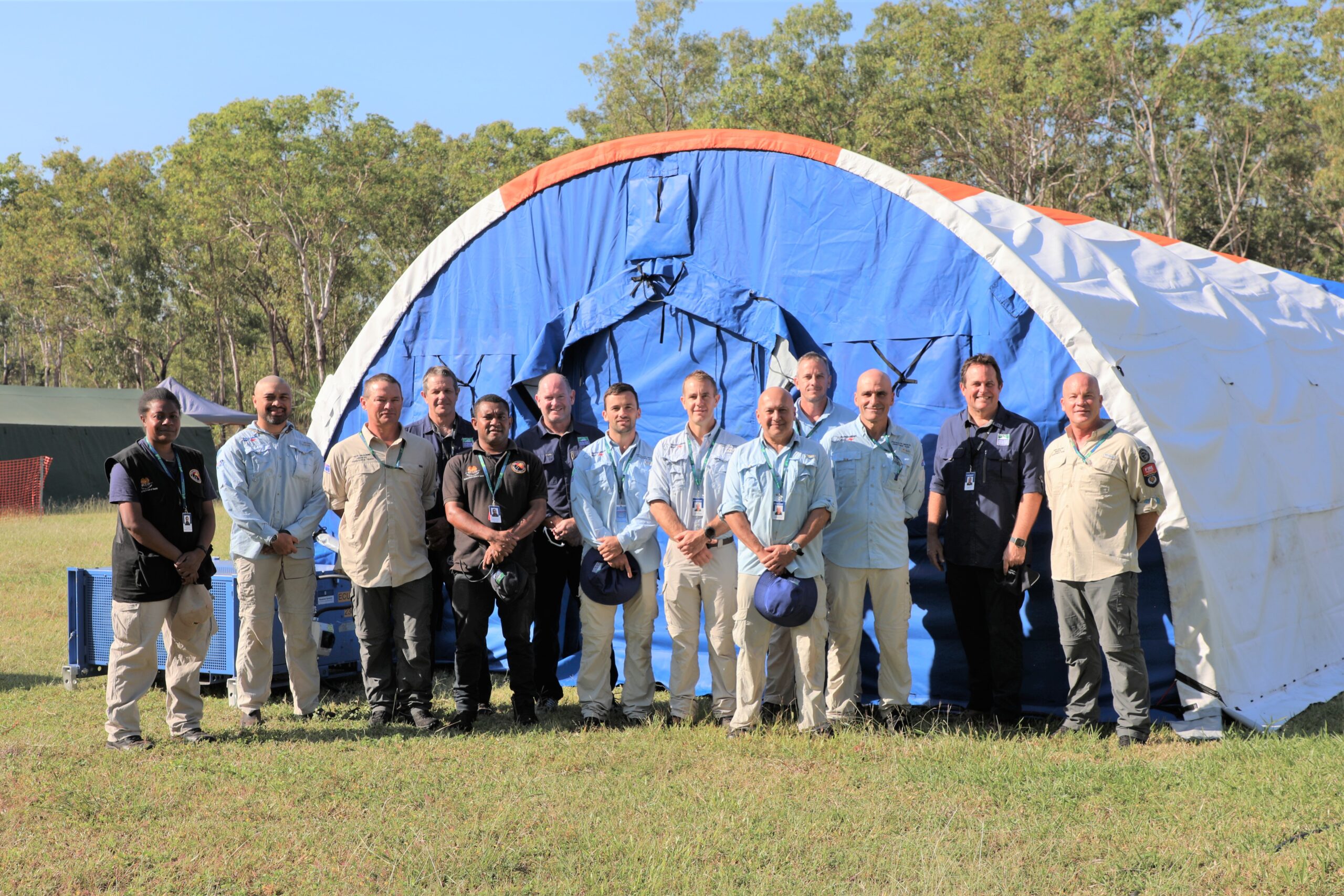
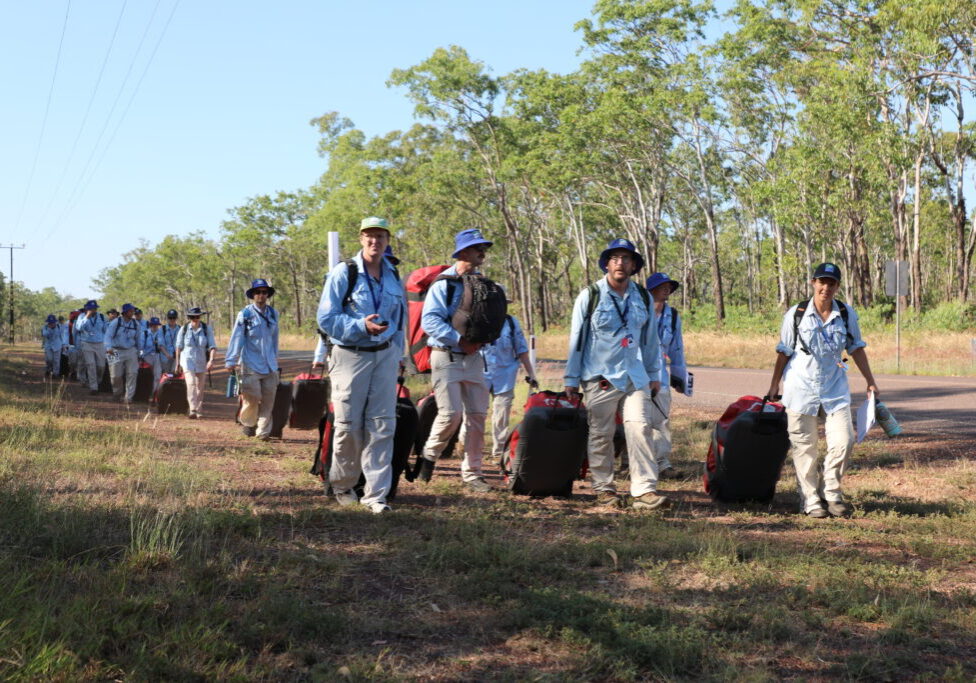
Held in Darwin, the course brought together 6 AUSMAT members, alongside 2 representatives from the New Zealand Medical Assistance Team (NZMAT) and 2 representatives from the Papua New Guinea Emergency Medical Team (PNG EMT).
This mix of participants reflects the value of regional collaboration in strengthening interoperable health emergency response across the Asia-Pacific region.
Vector and pest control in AUSMAT operations
“Vectors are a persistent risk when AUSMAT deploys across the Asia-Pacific,” faculty member and AUSMAT Public Health and Environmental Health Specialist John (JP) Piispanen shared.
“Building vector and pest control capability ensures our teams can identify those risks early and implement practical measures to reduce their impact on health and operations.”
Effective vector and pest control depends on understanding local epidemiology, environmental conditions and vector behaviour, including breeding sites, feeding patterns and resting habits. These factors inform the selection and timing of control measures.
A key operational focus is ensuring vector and pest control is embedded within AUSMAT planning and preparedness activities, supported by environmental assessment, trained health logisticians and appropriate equipment.
The course trains health logisticians to work within local regulatory frameworks and to engage in-country stakeholders, ensuring interventions are appropriate, sustainable and culturally acceptable.
Equipment in the field
Participants gained hands-on experience with key vector and pest control equipment used during deployments, building familiarity with operational requirements, safety considerations and equipment selection in different deployment contexts.
Equipment explored during the course included a thermal fogger, ultra-low volume sprayer and granular application system – each designed to support different vector control requirements ranging from rapid adult mosquito reduction to longer-term larval source management.
1. Thermal fogger
- Enables rapid dispersal of insecticidal agents to reduce adult vector populations across large or complex areas, particularly during outbreak response activities
- Use is guided by risk assessment and environmental conditions, including wind patterns, chemical exposure controls and operational timing
2. Ultra-low volume sprayer
- Delivers fine droplets of concentrated insecticide, providing efficient coverage in both indoor and outdoor settings with minimal liquid use
- Commonly used where portability, flexibility and rapid deployment are required
3. Granular application system
- Targets larval breeding sites such as standing water and drainage areas
- Supports longer-term vector suppression where repeated environmental treatments are not practical
Effective vector and pest control starts with understanding the vectors we are dealing with, their behaviour and the environment they operate in. That understanding helps us select the most appropriate methods to reduce risk in deployed settings.
The AUSMAT Health Logistics course provided theoretical instruction and hands-on exposure to vector and pest control equipment and operational procedures, strengthening deployment readiness.
“Protective clothing, mosquito nets and vaccination are important practical measures to reduce exposure to vector-borne disease. More broadly, understanding vectors and how they behave allows health logisticians to use the right equipment and techniques to reduce risk and help protect staff and patients,” JP concluded.
Facilitated by the NCCTRC Emergency Management and Logistics team, the Australian Government-funded course strengthened specialist operational capability to support future deployments and the safe establishment and sustainment of AUSMAT field hospitals.