Bringing accessible critical care education to regional Timor-Leste
02 Jul 2026
Written by Erika Lu
Baucau, approximately 120 kilometres east of Dili on Timor-Leste’s northern coast, is the country’s second-largest city and a key regional hub. Despite its significance, access to specialised training has historically been concentrated in the capital.
Delivering the National Critical Care and Trauma Response Centre’s (NCCTRC) Essentials of Critical Care Course (ECCC) in Baucau represents an important shift to bring critical care education closer to clinicians working outside of Dili.
Funded by the Australian Government, the NCCTRC Regional Engagement Program (REP) partnered with the Timor-Leste Ministry of Health (MoH) and the Instituto Nacional de Saúde Pública de Timor-Leste (INSP-TL) to expand access to training beyond the capital.
This approach responds to MoH priorities to strengthen regional capability and improve health emergency preparedness across the country.
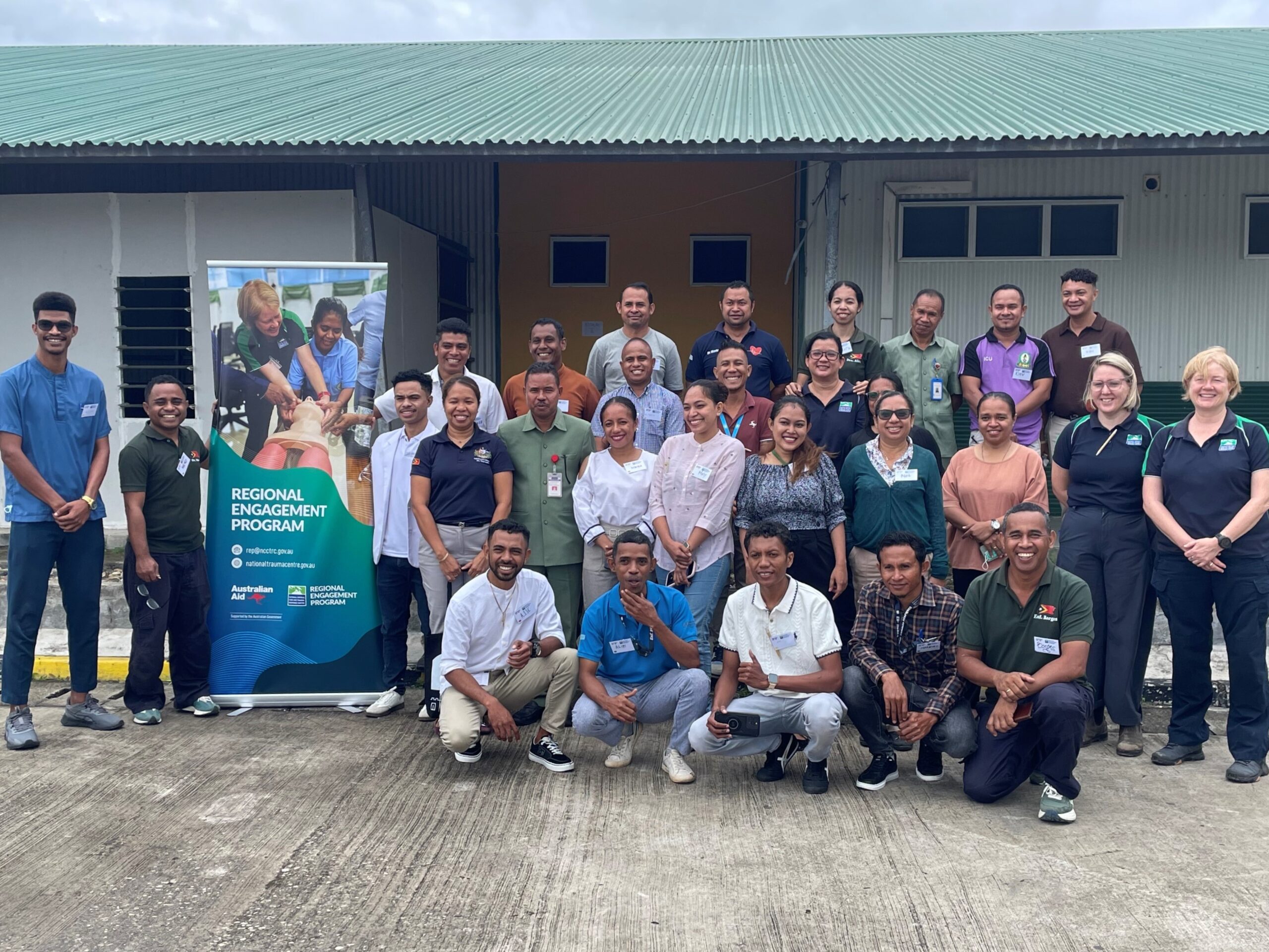
The 3-day ECCC in Baucau was delivered by faculty from the INSP-TL, MoH and NCCTRC, bringing together national and international expertise.
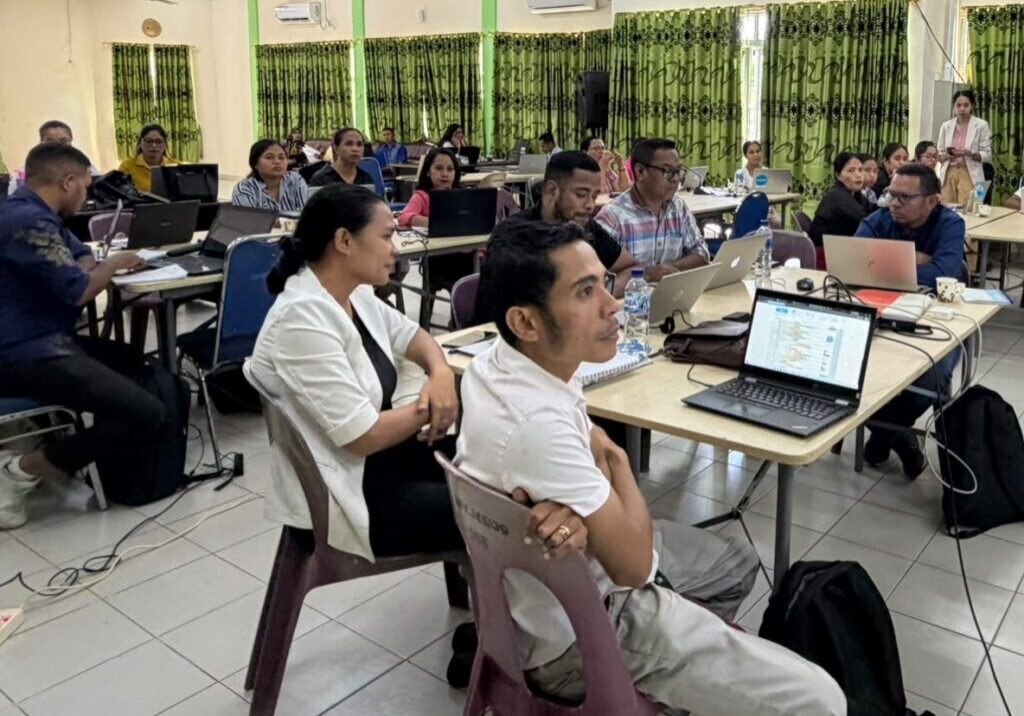
A total of 20 participants – 10 doctors and 10 nurses – attended the course representing municipalities across Timor-Leste, including Ainaro, Baucau, Bobonaro, Cova Lima, Dili and Oecusse-Ambeno.
“Bringing together clinicians from across Timor-Leste means the knowledge and skills gained through the course can be shared more widely, strengthening critical care capability across the country,” NCCTRC Pacific Emergency and Critical Care Education Consultant Beth Price noted.
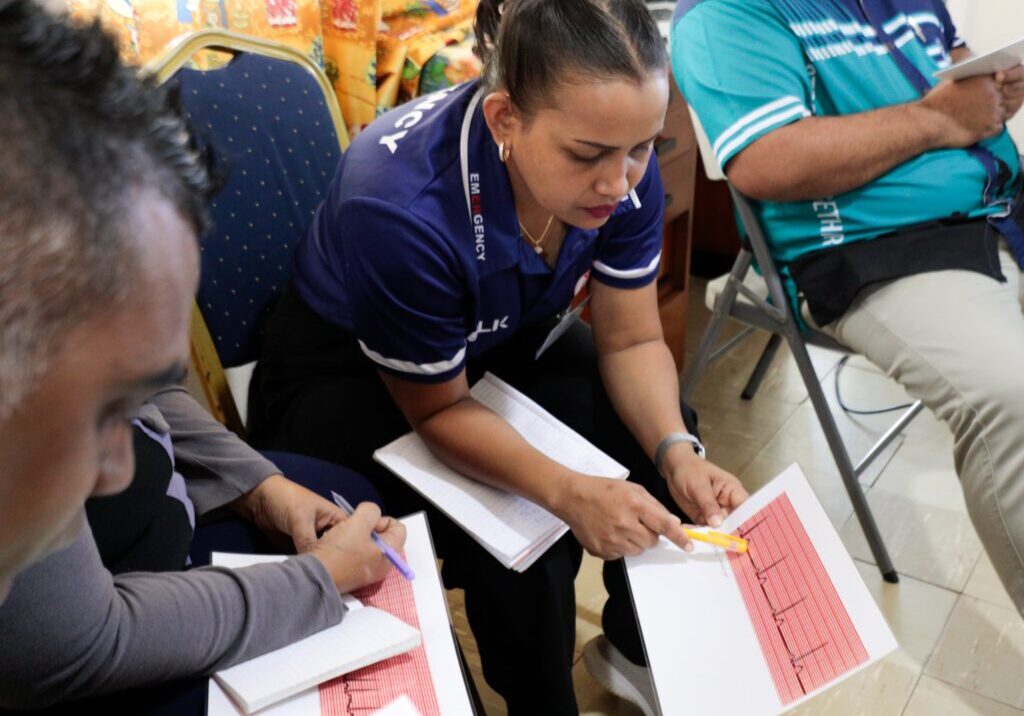
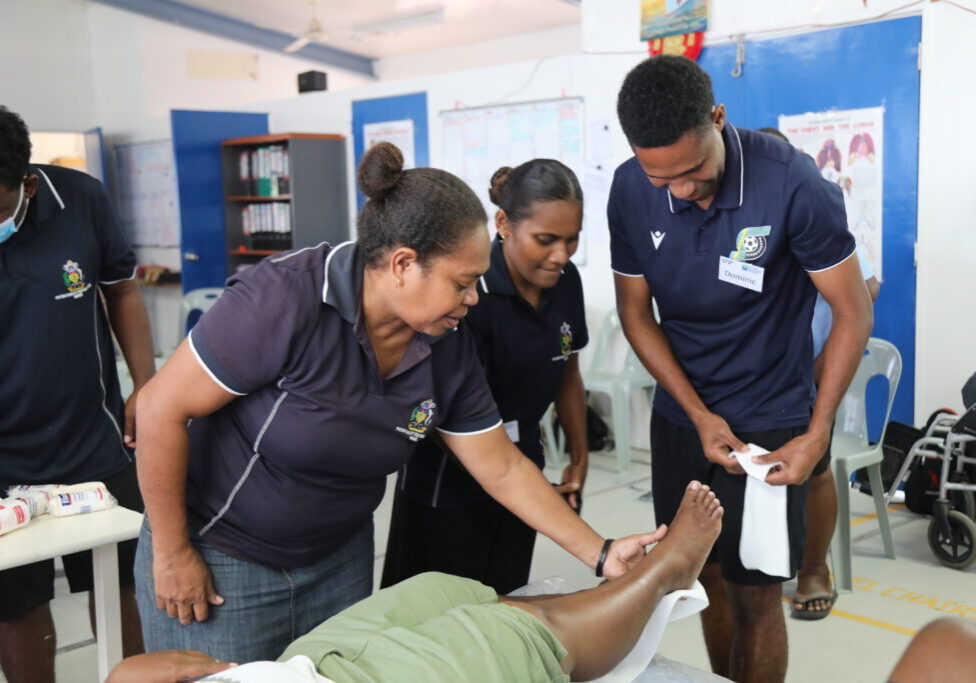
The course focused on practical scenario-based learning, equipping participants with the skills to assess and manage critically ill patients in resource-constrained settings. Delivering training locally also enabled participants to remain connected to their workplaces and communities while building capability.
For Nurse Francisco Borges, INSP-TL’s national lead for in-service training, the course demonstrated the value of bringing education closer to where care is delivered.
Training in Baucau meant our local clinicians learned in their own environment, using the resources and systems they work with every day. It built confidence and supported better patient care.
Strengthening links between Darwin and Timor-Leste
Preparation for the course reflected the strength and ongoing partnership between Timor-Leste and the NCCTRC.
Faculty from the NCCTRC and INSP-TL were joined by Dr Marino Alves dos Santos and Nurse David Amaral Lopes from the Guido Valadares National Hospital (HNGV), Timor-Leste’s only tertiary referral hospital.
Both completed a specialised clinical observership at Royal Darwin Hospital under the Australian Government’s Regional Emergency and Critical Care Systems Strengthening Initiative (RECSI) gaining hands-on experience in emergency and critical care in high-acuity settings.
During their time in Darwin, Marino and David visited the NCCTRC to learn more about Australia’s emergency health preparedness and response capability.
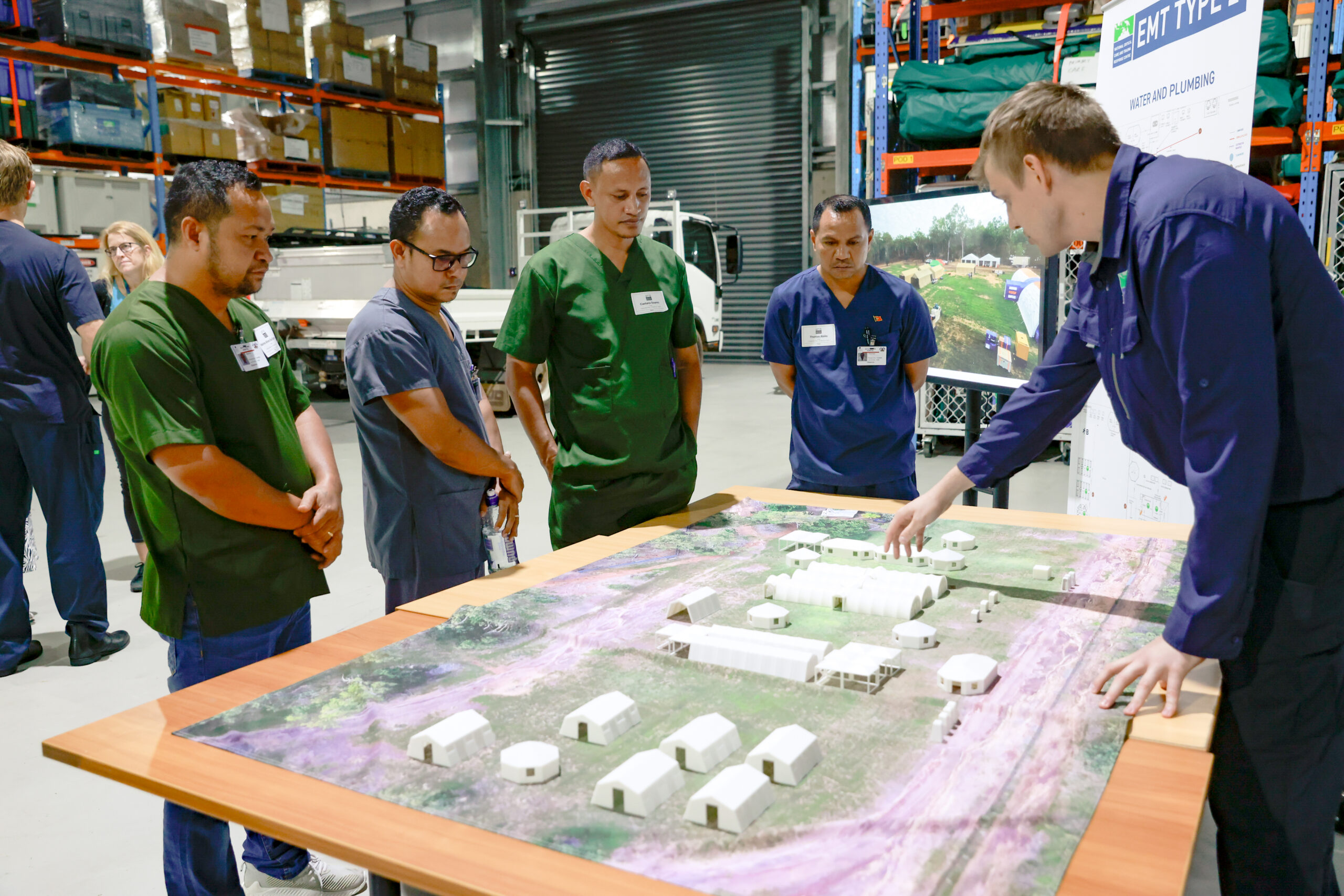
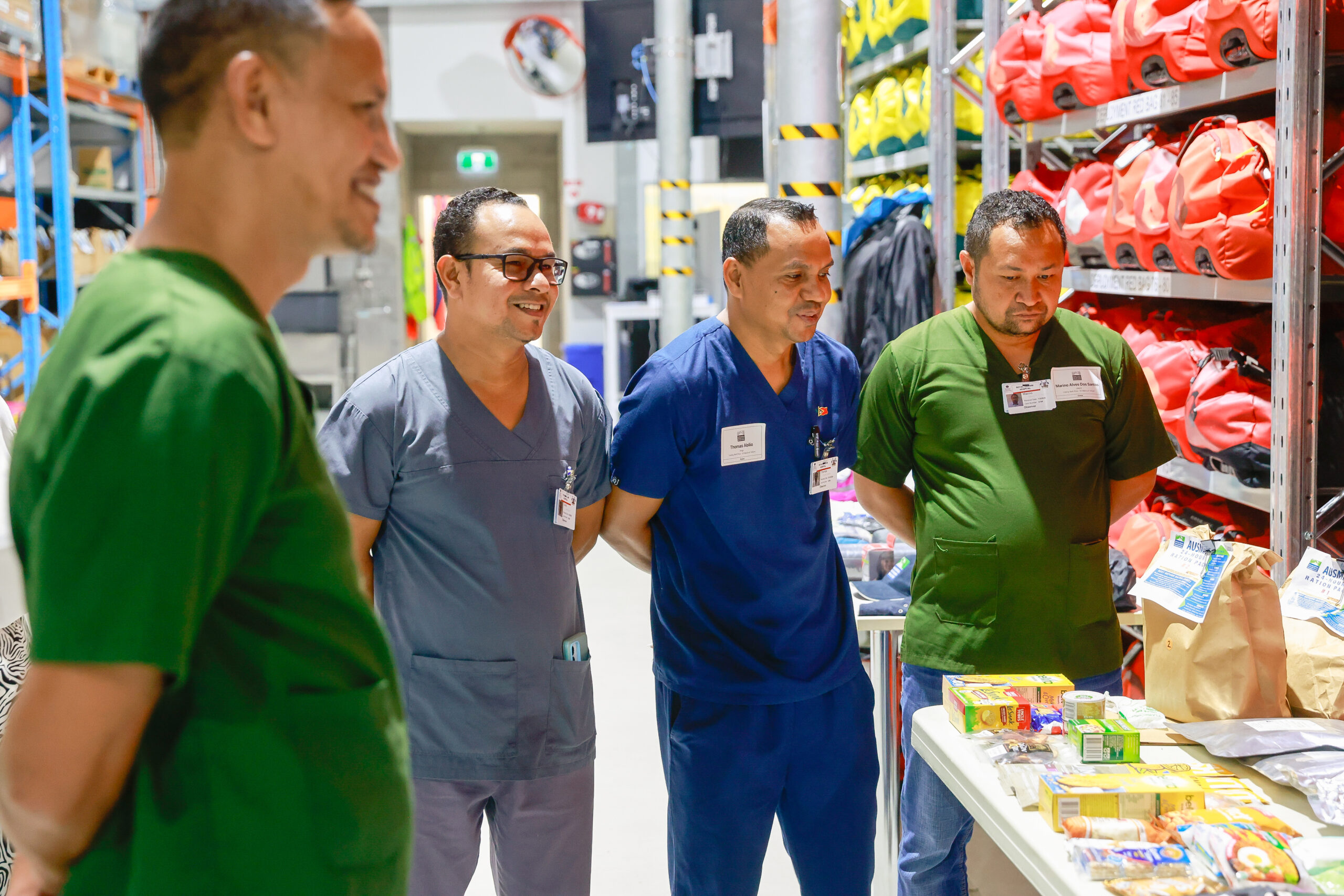
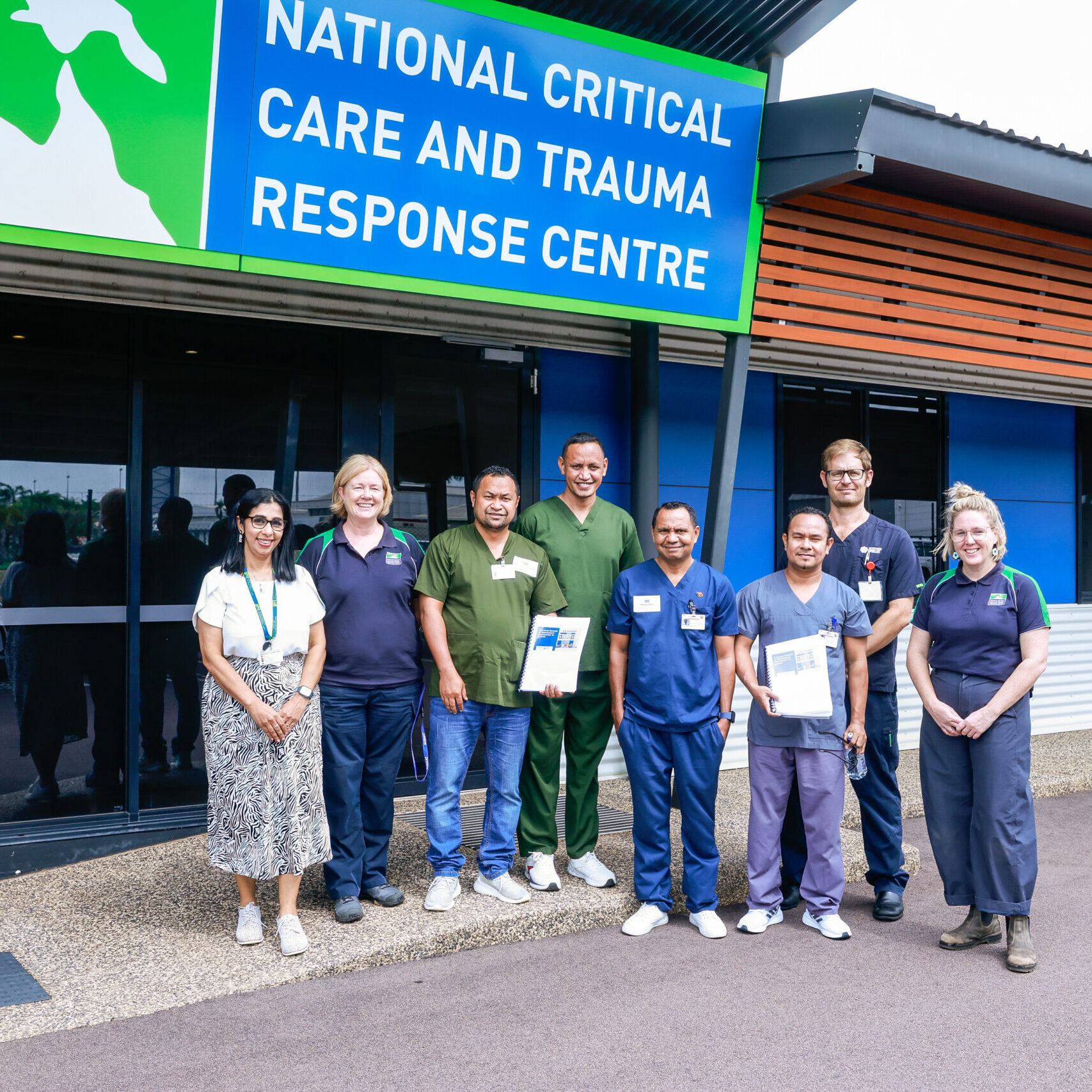
“Attending the NCCTRC’s Trauma Grand Rounds and observing their multi-disciplinary simulation showed how education, teamwork and preparedness come together to support patient care,” Marino said.
“It was valuable to see their processes in action and reflect on how it can strengthen our own approach back home.”
These experiences built stronger collaboration between NCCTRC and MoH, and informed the delivery of the Baucau course, ensuring alignment with local priorities and the needs of Eduardo Ximenes Regional Hospital (HoREX), the region’s key referral facility.
During the course, faculty also met with Timor-Leste's Vice Minister of Health for Hospital Services Dr Flávio Brandão; Commission F for Health, Social Security and Gender Equality President, the Honourable Maria Gorumali Barreto; Australian Embassy in Timor-Leste Health Technical Lead Julia Magno; and executives from HoREX.
“Our engagement with health leaders, hospital executives and partners was valuable in aligning the training with broader efforts to improve critical care capability across Timor-Leste,” Beth shared.
Drawing on both his observership experience and role as faculty during the course, Marino reflected:
It was meaningful to support colleagues in Baucau after my observership and contribute to building capability in our own context.
For a small island country vulnerable to disasters and health emergencies, building critical care capability across all levels of the health system is essential.
Through REP, the NCCTRC continues to partner with the Timor-Leste MoH to build sustainable and locally led capability by delivering training across both capital and regional settings. This long-standing collaboration reflects a shared commitment to improving access to training in the Asia-Pacific region.