Pacific spotlight on Dr Mafa Lokenga: pioneering women’s leadership in the Pacific
10 Dec 2025
Written by Erika Lu
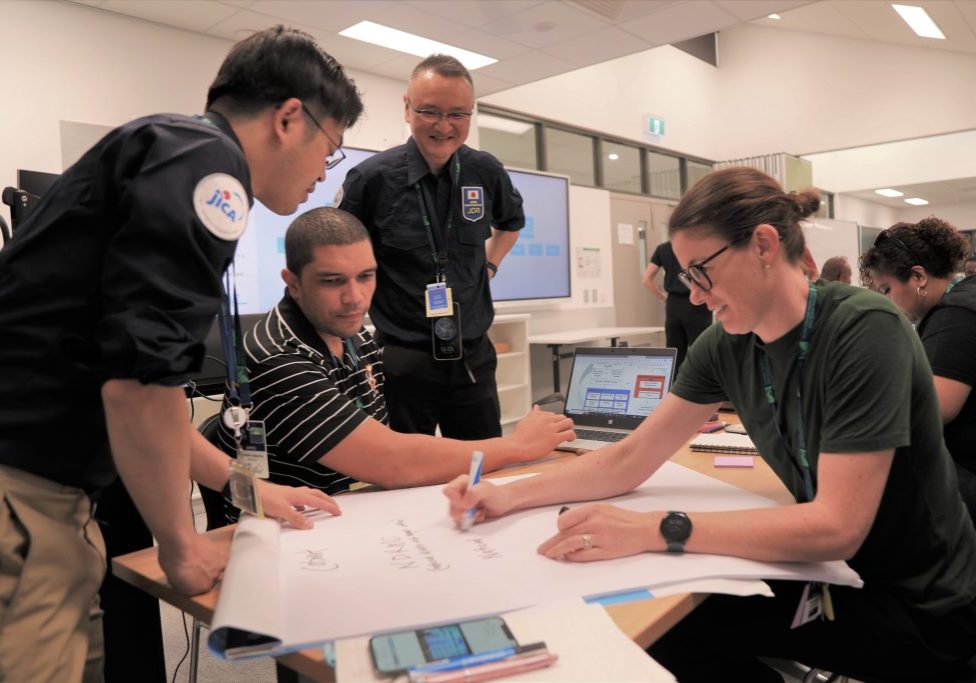
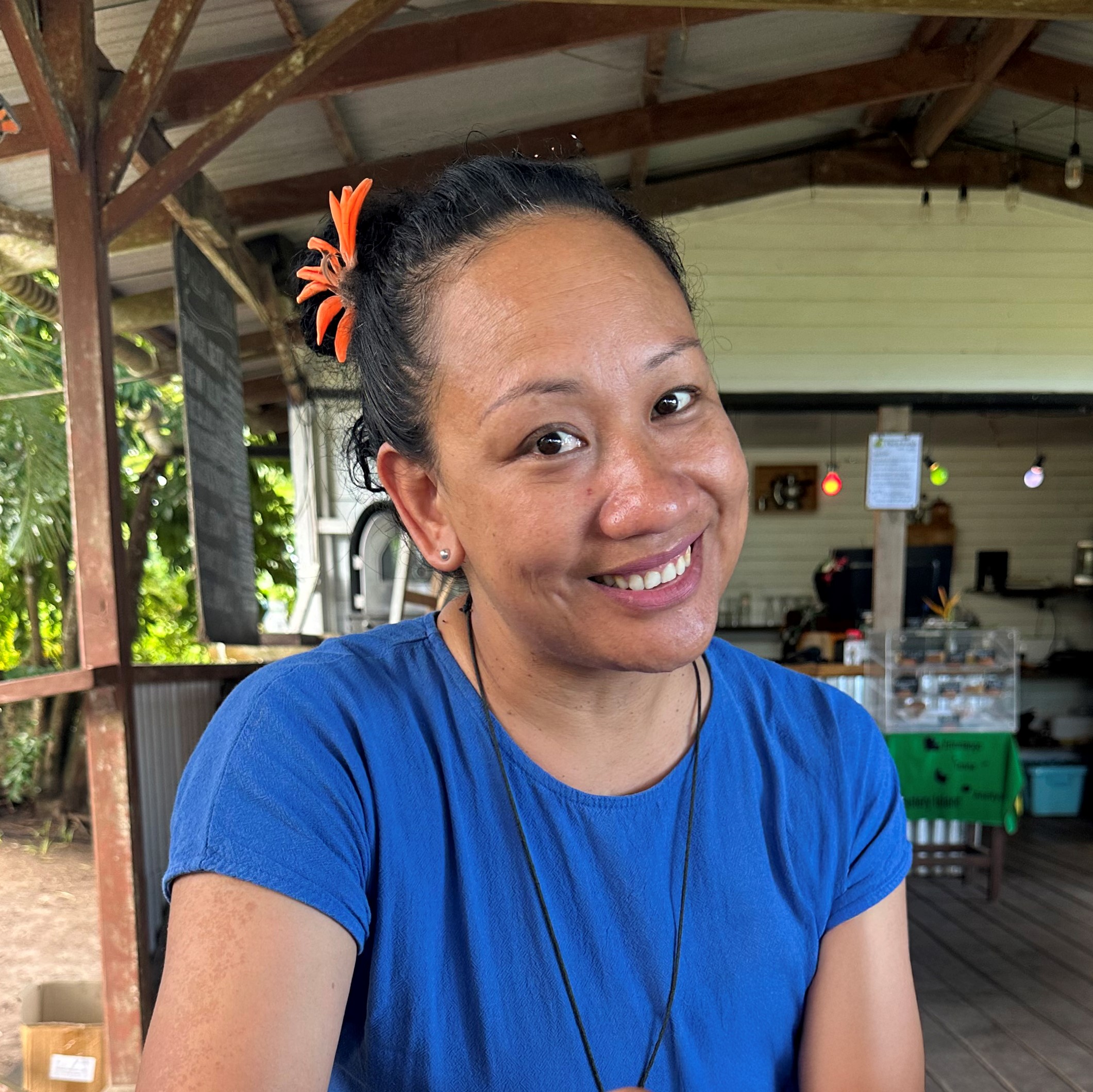
Fijian emergency physician Dr Mafa Lokenga is redefining leadership in the Pacific. As the first Pacific woman to serve as Course Director for both Major Incident Medical Management and Support (MIMMS) and Hospital MIMMS (HMIMMS) courses delivered through the National Critical Care and Trauma Response Centre’s (NCCTRC) Regional Engagement Program (REP), she is paving the way for women to take on influential roles in health emergency management.
A new chapter for women to lead
Currently the Principal Medical Officer at Fiji’s Lautoka Hospital and a senior faculty member of the REP, Mafa’s journey began in 2017 as a course participant. “I was recognised as a potential MIMMS instructor after completing my MIMMS training,” Mafa recalls.
Since then, she has mentored participants and instructed on the MIMMS and HMIMMS courses in Timor-Leste and the Pacific Island countries (PICs) including Papua New Guinea, Vanuatu, Tonga and Samoa, sharing knowledge and fostering cooperation. “There are always opportunities to enhance knowledge and teaching skills through shared experiences in these trainings,” she said.

In May 2025, Mafa achieved a milestone by directing both courses in Vanuatu – a powerful step forward for Pacific women seeking leadership pathways in clinical education and health emergency management.
The courses equip participants with the principles of managing major incidents. “Directing them requires time management, mentoring participants and faculty, and adapting to the unique needs of each cohort,” Mafa explained.
“When I directed the MIMMS and HMIMMS courses in Vanuatu, I ensured content was tailored to each local context so it remained relevant across cultural and regional settings,” she added.
Mafa also served as a local faculty member and mentored participants during the 2022 Essential Critical Care course in Fiji. “I continually reassessed progress, collaborated with colleagues to support the participants and escalated concerns as they arose – all while staying grounded in kindness and empathy.” For Mafa, effective engagement and mentorship require deep cultural understanding and strong people skills.
She recognises the broader significance of her roles.
Representation matters. When women in the Pacific see one of their own on the faculty leading a regional training, they realise it’s possible for them, too – and that’s where change begins.
Driving change across the Pacific
Mafa’s leadership extends beyond the classroom. During the COVID-19 pandemic, she served as acting head Lautoka Hospital Emergency Department, collaborating with pre-hospital responders to expand emergency services and strengthen ambulance and retrieval operations for Fiji’s western division.
Her impact was highlighted at the inaugural Pacific Islands Society for Emergency Care (PISEC) meeting, where clinicians shared how MIMMS training improved disaster response across the region. “It was incredible to hear how the training is being applied in their countries and strengthening health emergency preparedness across the region,” Mafa shared.


For Mafa, visibility is key. “Working closely with colleagues from the PICs help build trust, connection and collaboration across the region,” she added. Mafa’s roles reflect the growing influence of women in emergency response and clinical education, driving meaningful progress in gender representation.
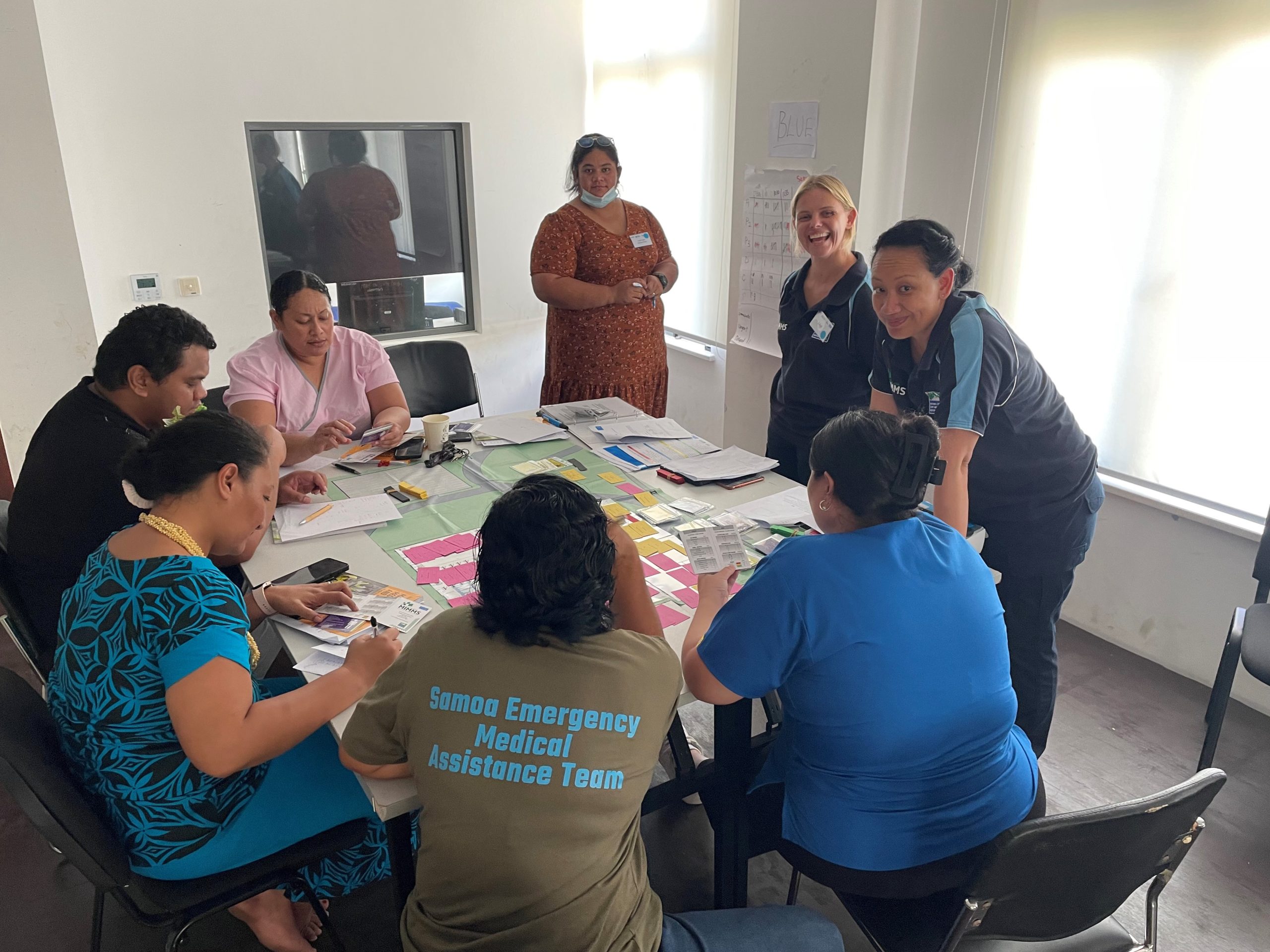

The growing recognition of NCCTRC’s training across the Pacific highlights the impact of Mafa’s leadership and her commitment to strengthening women’s visibility and influence in emergency care. Mafa credits experienced faculty for giving her the opportunity to step into the Director role. “Their support allowed me to lead and adapt my own style,” she said.
She is especially grateful to the REP team, mentors and coordinators who guided her through her shadow-director experience. “They handed over the baton and said, ‘You’re directing,’” she recalls – a moment that symbolised trust in her abilities. Today, Mafa continues elevating women’s representation, reshaping emergency care leadership and inspiring the next generation of Pacific women leaders.