PHOENIX: a mid-program report on growth, partnerships and capacity building
10 Dec 2025
Written by Carla Yeung
PHOENIX was designed to build on existing countries public health emergency preparedness and response systems and capacity. Our role is to connect and amplify those strengths nationally and regionally.
Meredith Neilson, PHOENIX Director Engagement
Countries across the Indo-Pacific are working to bolster their public health systems to respond to emerging health threats. Commencing in July 2024, the Public Health Operations in Emergencies for National Strengthening in the Indo-Pacific (PHOENIX) program, led by the National Critical Care and Trauma Response Centre (NCCTRC), supports this effort by strengthening pandemic preparedness and outbreak response systems and capacity. The program works across 22 countries in the region to respond swiftly and effectively to future health emergencies.
Funded by the Australian Government Department of Foreign Affairs and Trade (DFAT) under the Partnerships for a Healthy Region initiative, PHOENIX builds on the NCCTRC’s long-standing experience in health emergency response – including through the Regional Engagement Program (REP) and AUSMAT – to deliver sustainable, locally led outcomes.


Figure 1. Countries engaged through the PHOENIX program across the Indo-Pacific.
The PHOENIX education and technical assistance program is built on broad and extensive partner engagement. Country consultations with Ministries of Health and national and international non-government organisations such as the World Health Organization ensure the activities align with national priorities and address country-specific needs. This collaborative approach supports countries to strengthen coordination, build capability and integrate cross-cutting themes including gender equality, disability inclusion, climate change and One Health.
To achieve this, PHOENIX delivers targeted, country-specific and regional support through:
- Country planning and consultation meetings
- Bespoke training courses
- Development and delivery of Train-the-trainer (ToT) programs
- Support to established public health emergency training programs
- Integration of cross-cutting themes

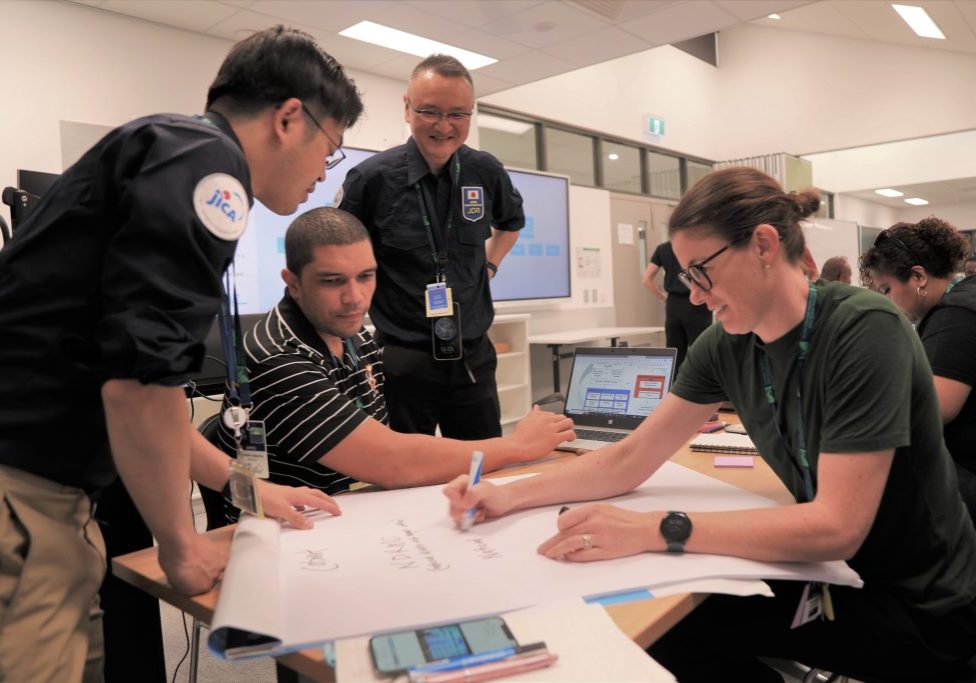
Participants consistently told us the most valuable component was being able to apply concepts to their own health systems. Every country is different – and PHOENIX works because it’s built to be tailored.
Dr Maya Cherian, PHOENIX Director Education
The PHOENIX Program has moved quickly from inception to implementation, supporting its first training course in September 2024. Since then, it has:
- Engaged with 20 of the 22 Indo-Pacific countries
- Delivered 12 public health emergency preparedness and response training activities
- Trained 255 participants from 32 countries
- Built a pool of PHOENIX trainers
- 17 from AUSMAT
- 33 from the Indo-Pacific region

Now in its second year of a three-year program, PHOENIX continues to deepen partnerships, expand networks and strengthen national and regional capacity. The program’s next phase will focus on consolidating achievements, supporting locally led initiatives, promoting longer term sustainability, inclusion and resilience.
As PHOENIX grows, its legacy will be the strong, well-connected public health emergency preparedness and response systems it supports – systems ready to respond, together, across the Indo-Pacific.