Trauma in Timor-Leste: building local capacity for emergency care
30 Jun 2025
Written by Carla Yeung
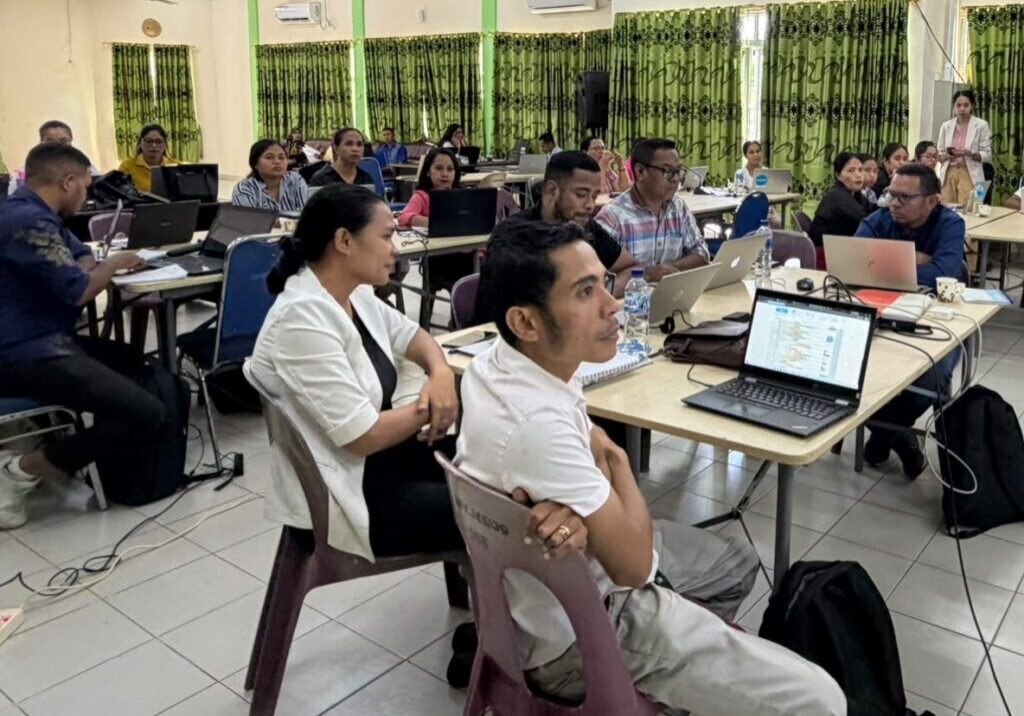
During a Country Planning Workshop held in Dili in 2024, the National Critical Care and Trauma Response Centre’s (NCCTRC) Regional Engagement Program (REP), funded by the Australian Government Department of Foreign Affairs and Trade, worked with key government partners in Timor-Leste to strengthen the country’s health emergency preparedness, response, and capacity.
One of the key priorities identified during the workshop was the need for trauma training tailored to health professionals working in remote and regional areas of Timor-Leste. The Instituto Nacional de Saúde Pública de Timor-Leste (INSP-TL) recognised a gap in trauma management training and requested support from REP to develop a contextually appropriate program to address it.
In collaboration with INSP-TL, Maluk Timor—a local health organisation working to strengthen healthcare across Timor-Leste—clinicians from the Royal Darwin Hospital (RDH) Emergency Department, and the NCCTRC’s Trauma Service team, the REP team adapted the NCCTRC’s Remote Area Trauma Education (RATE) course for the Timor-Leste context. Originally designed for remote and regional areas of Australia, the RATE course equips healthcare professionals with the skills and knowledge needed to manage trauma patients in resource-limited settings. This became the foundation for the Trauma in Timor-Leste course, which was adapted and redeveloped to suit the local context.
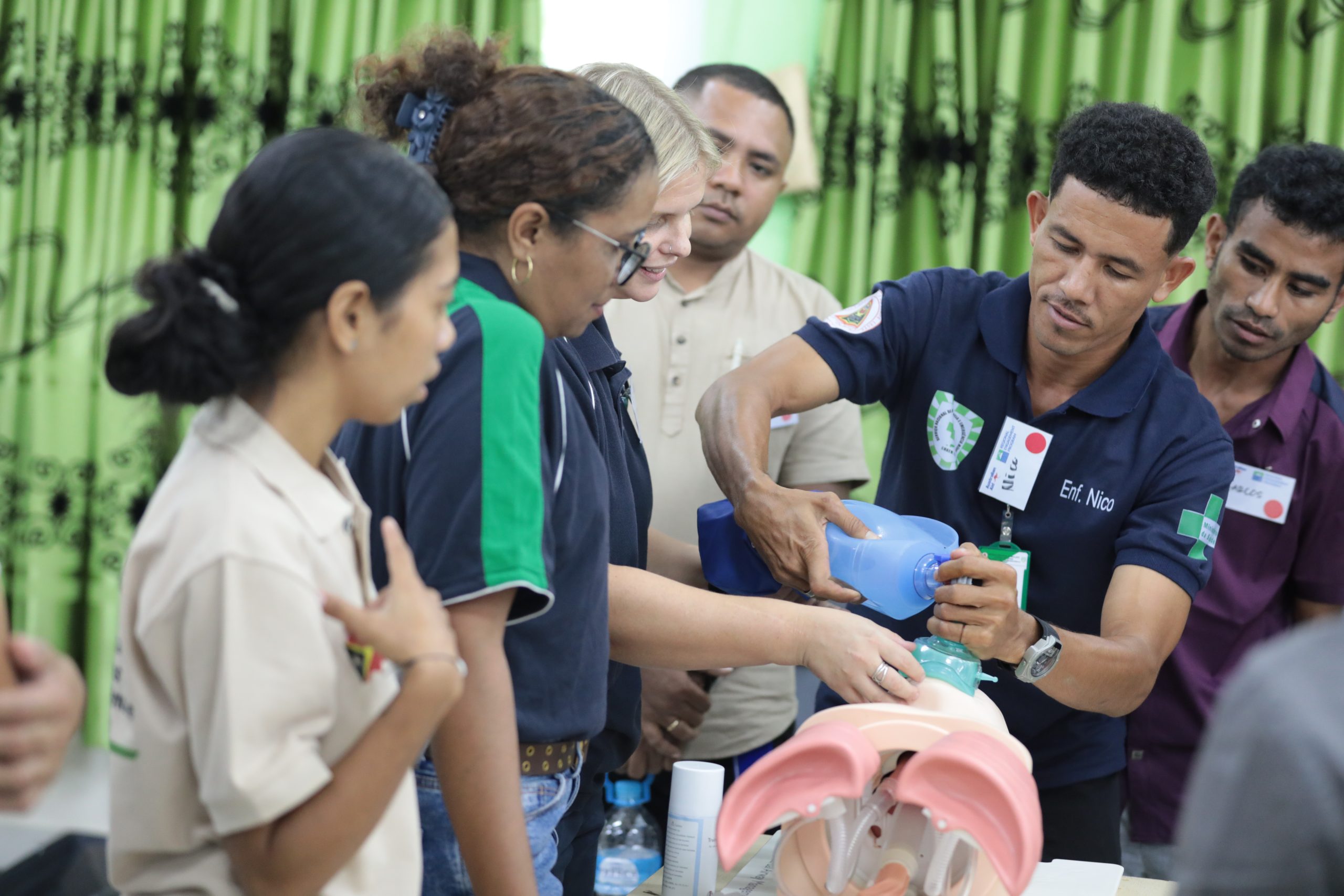
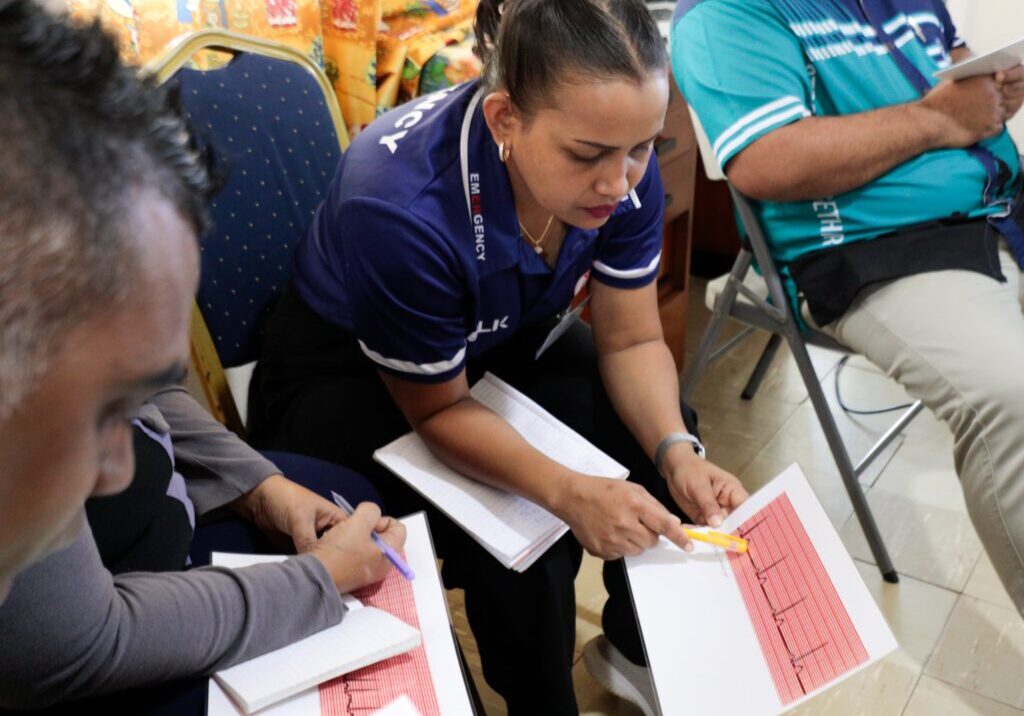
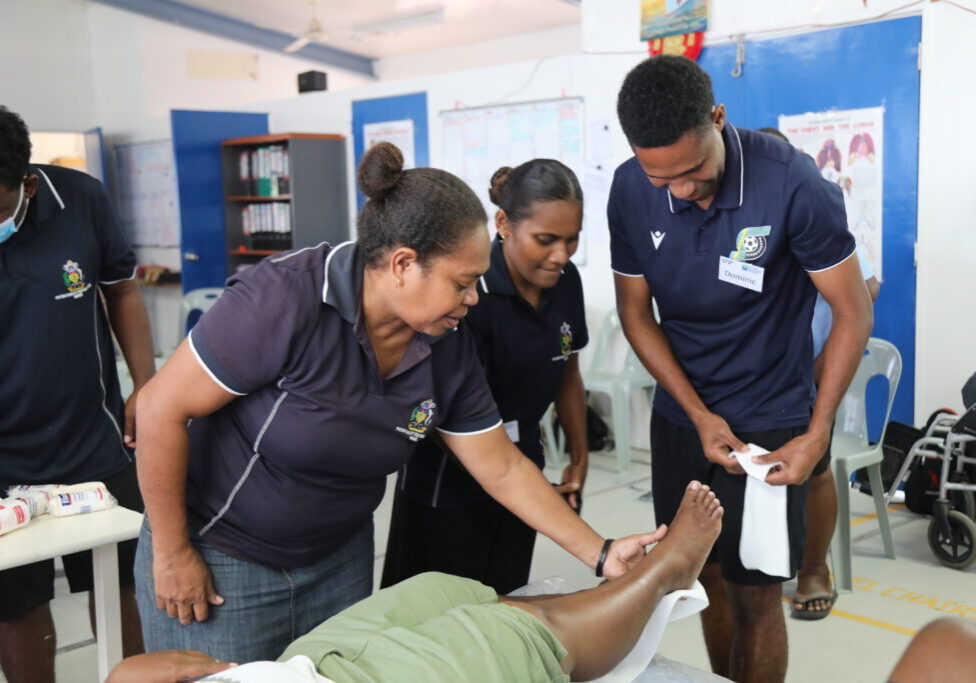
The Trauma in Timor-Leste course is a two-day intensive program that combines small group discussions, hands-on simulations and workshops. Participants begin by exploring how understanding the mechanism of injury, such as a fall, motor vehicle crash, or explosion, can help them anticipate likely injuries, guide early assessment and support effective treatment. For the remainder of the course, participants manage and treat simulated trauma patients, revising key skills such as splinting, airway management, burns first aid, fluid management, effective handover, packaging and safe transportation.
The course aims to empower health professionals through shared learning, foster informal trauma networks, and provide a common language and framework for managing trauma. By building local confidence and capability, the course also supports efforts to reduce unnecessary referrals and patient transfers to Hospital Nacional Guido Valadares (HNGV).
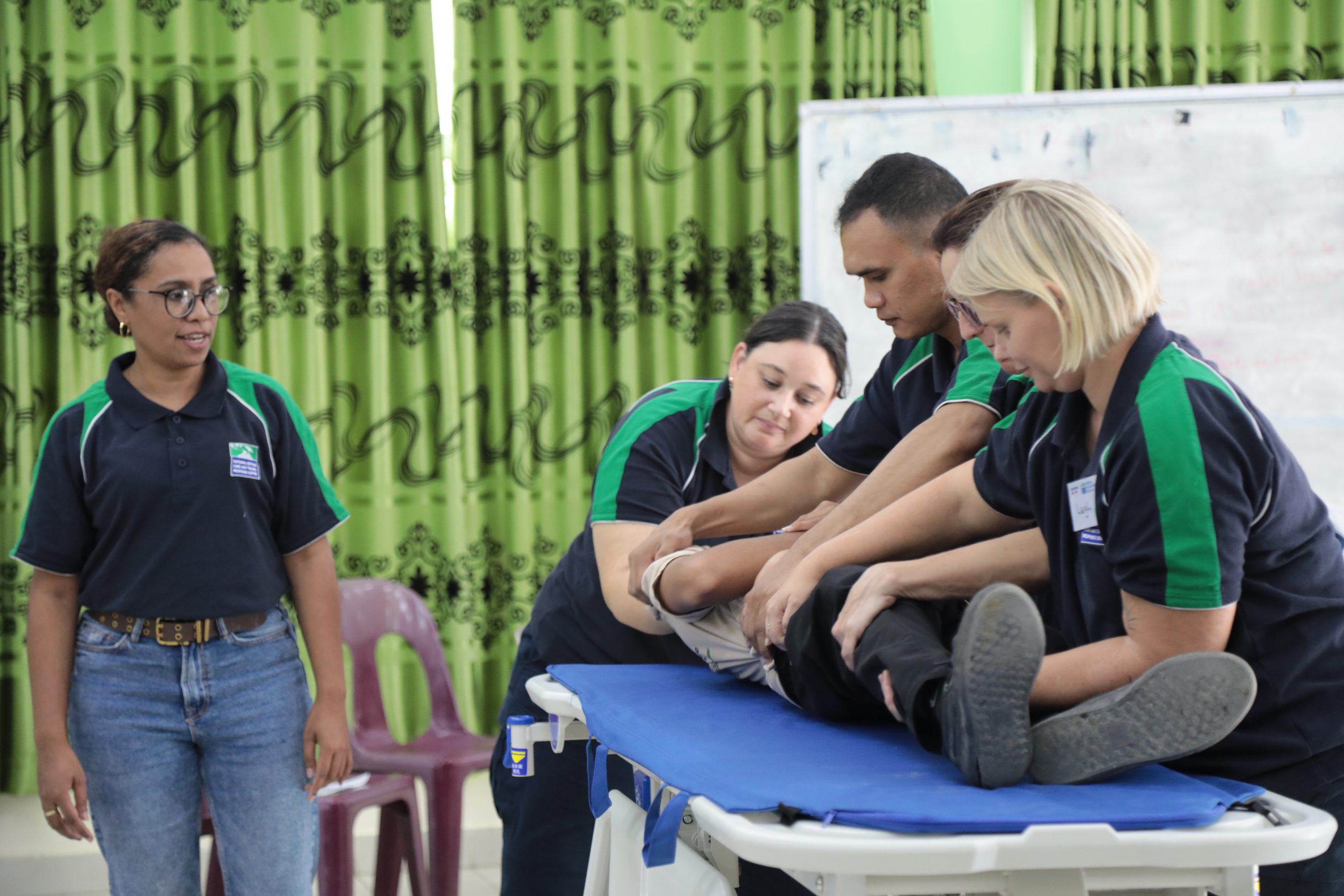
The first Trauma in Timor-Leste course was delivered in December 2024, with six participants recognised for their knowledge, skills and attitude. They were supported and mentored to become instructors. Four of these instructors went on to co-facilitate the next course in March 2025. The presence of local faculty added enormous value, enabling participants to learn from peers with deep understanding and extensive experience within the local health system.
Ensuring all course resources are translated into Tetun and having local translators available were identified as crucial to the course’s success and long-term sustainability. Moving forward, the focus will be on supporting local faculty to continue developing their skills and delivering ongoing trauma training to their colleagues, under the leadership of INSP-TL.