A first-of-its-kind collaboration: strengthening emergency preparedness in Fiji
30 Mar 2026
Written by Erika Lu
Strong coordination between civilian responders and defence forces is essential during large-scale emergencies.
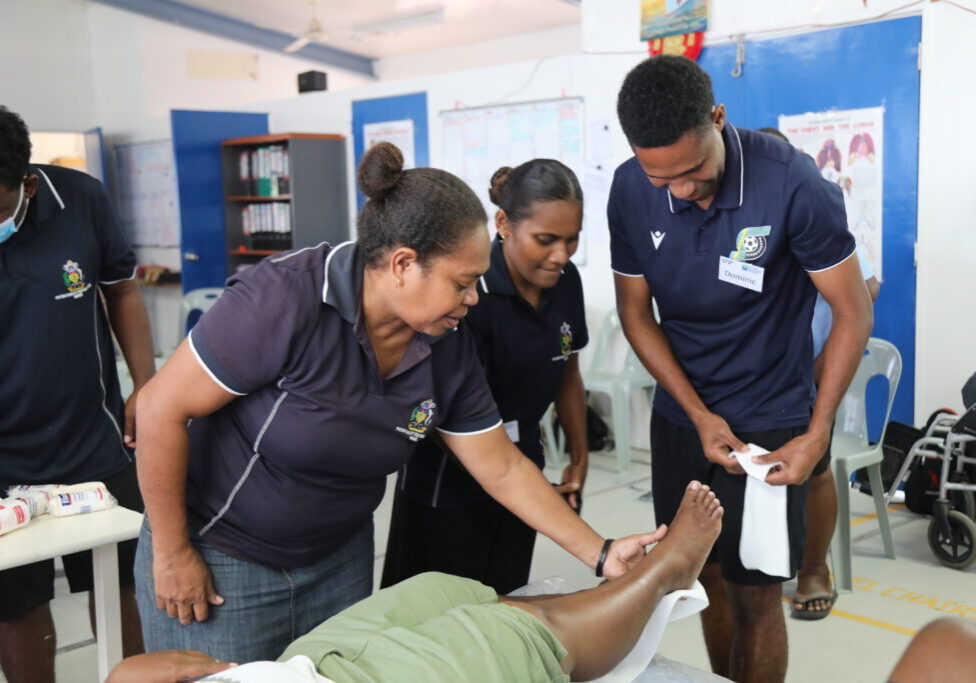
For the first time, the National Critical Care and Trauma Response Centre’s (NCCTRC) Regional Engagement Program (REP) has partnered with the Republic of Fiji Military Forces (RFMF), to deliver the Major Incident Medical Management and Support (MIMMS) training, bringing military and civilian agencies together to strengthen emergency preparedness in Fiji.
MIMMS is an internationally recognised training program that equips emergency responders with the systems and structures needed to manage major incidents involving multiple casualties and agencies.
Delivered in partnership with the Fijian Ministry of Health and Medical Services (MHMS) and Aspen Medical, the training introduced RFMF personnel to the principles used to coordinate complex emergency responses across agencies.
“39 participants completed the 3-day MIMMS Advanced course and 23 participants completed the one-day MIMMS Team Provider course,” NCCTRC Pacific Emergency and Critical Care Education Consultant Beth Price shared.
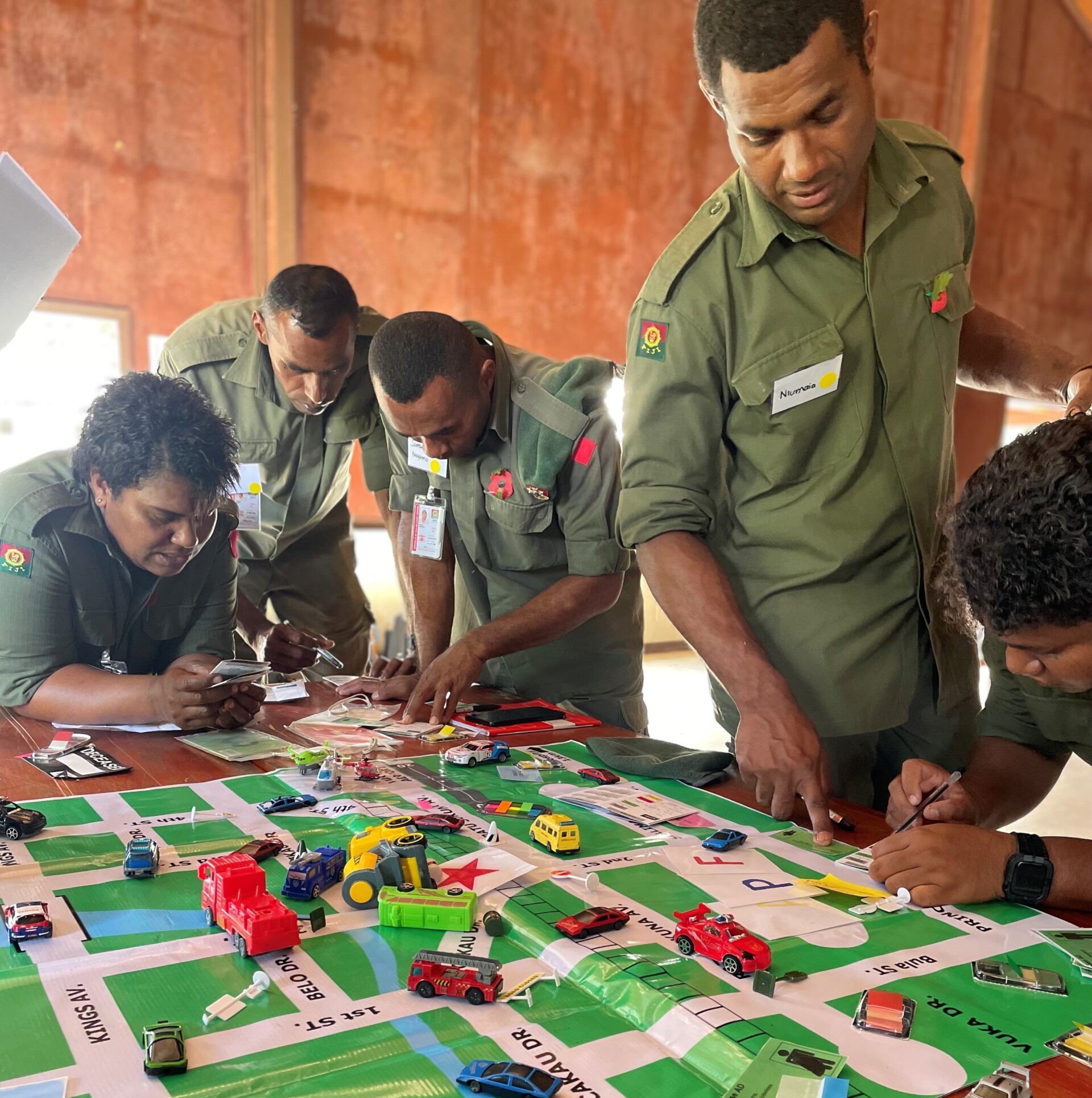
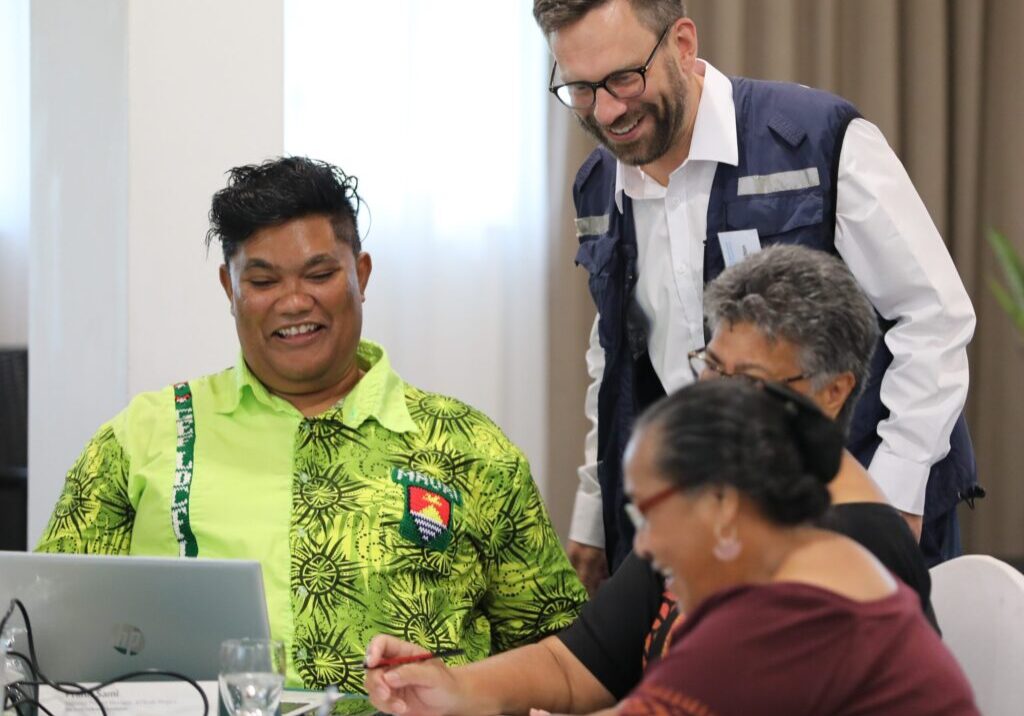
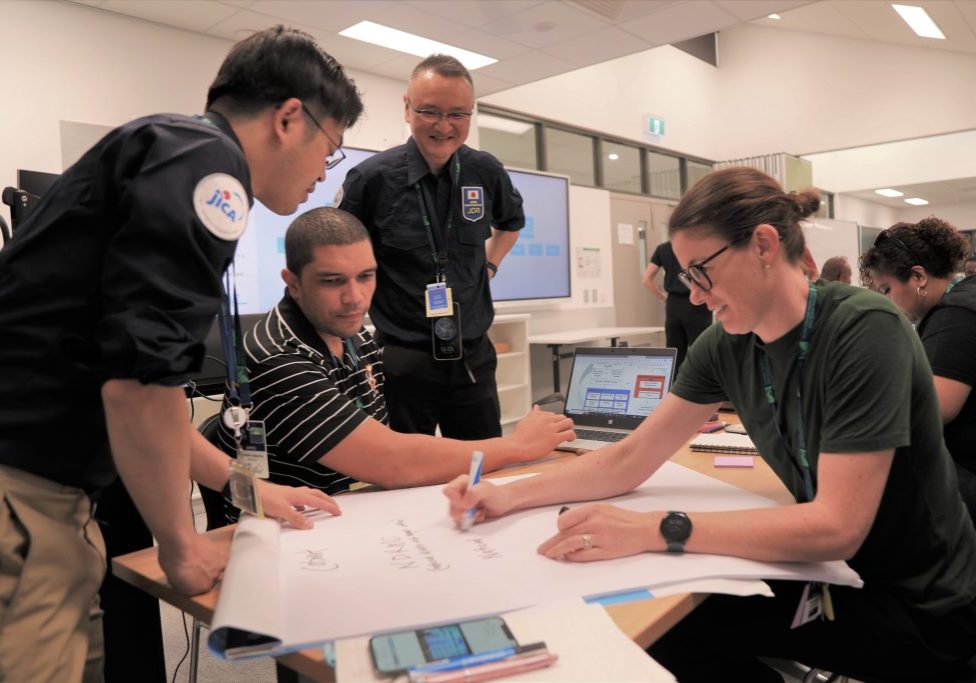
Led by local civilian faculty, the training included personnel from the National Fire Authority and the Fiji Police Force, highlighting the value of coordination between agencies during emergencies. Participants from across Fiji’s emergency response system worked through scenarios designed to strengthen communication, command structures and shared decision-making during major incidents.
Ranked Captain Brian Malani from the RFMF medical team described how the training is strengthening the military’s approach to emergency medical response.
“The Fiji military medical team has previously participated in pre-hospital trauma care training which focuses on treating individual patients,” Brian shared.
MIMMS training helps us prepare for major incidents where there are many patients and multiple agencies responding at the same time.
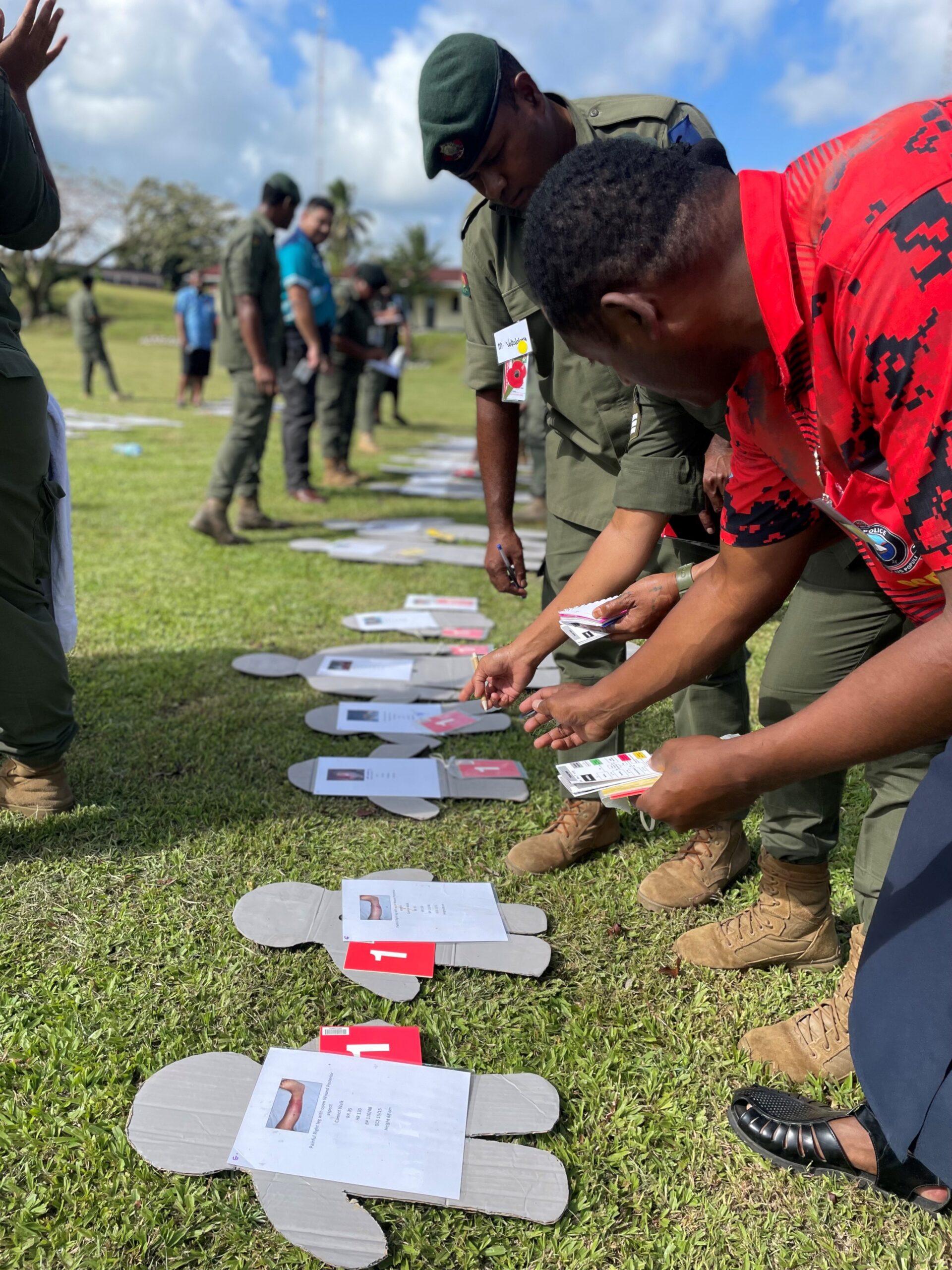
The course introduced military personnel to the broader systems required to manage large-scale emergencies, including triage processes, communication structures, command arrangements and operational logistics.
For many personnel, it was the first opportunity to explore how different agencies coordinate during a major incident.
The training gave us a clearer understanding of how military teams work alongside health services, police and fire authorities during a major incident.
Participants also gained insight into administrative and logistical elements that support effective emergency response.
“As clinicians, we usually focus on patient care,” Brian reflected. “The course highlighted that in a major incident there are many other elements involved such as communication, logistics and manpower.”
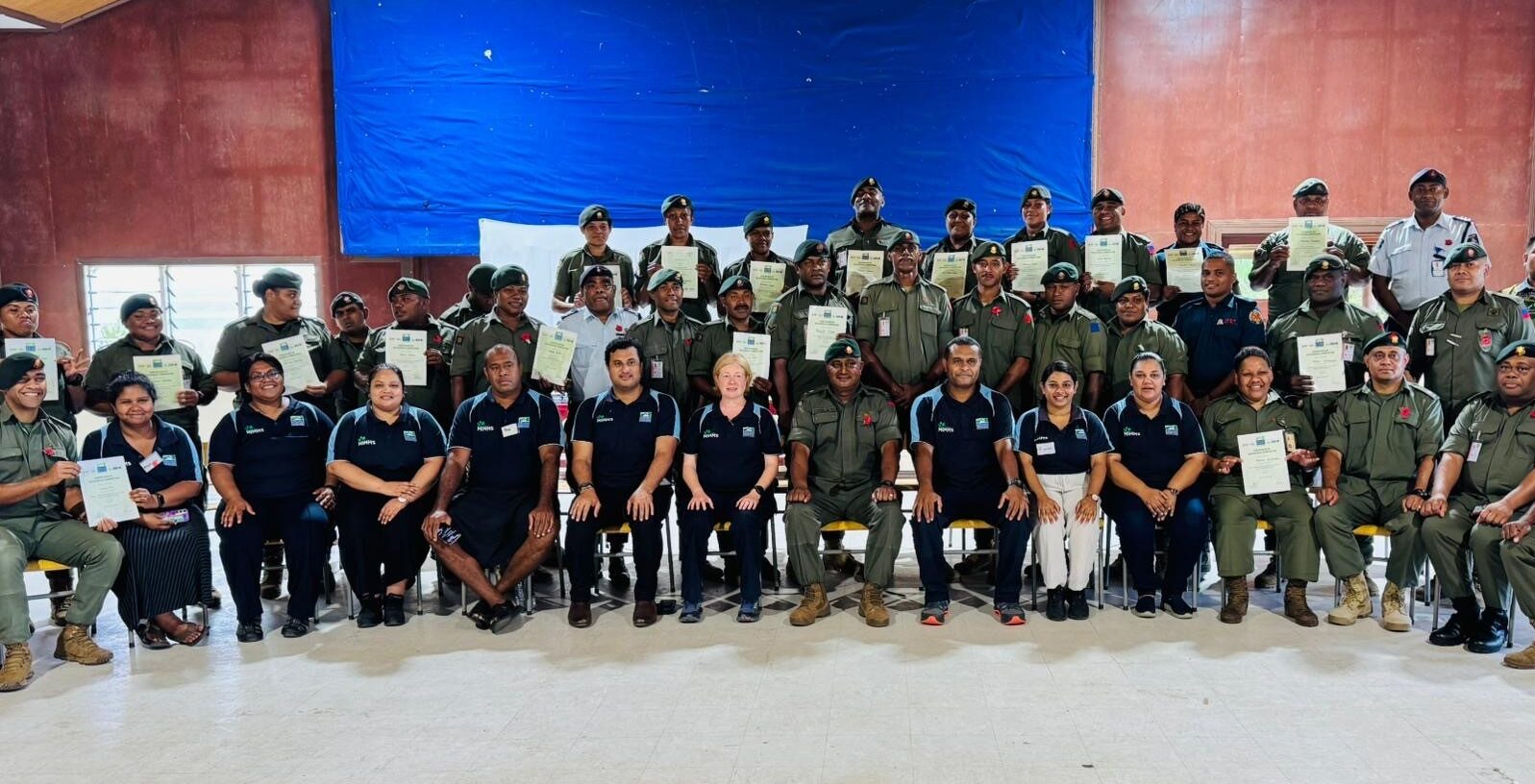
The collaboration reflects the important role the RFMF plays in disaster response across Fiji, where military personnel often support national emergencies and humanitarian operations. By building shared understanding between military and civilian responders, the training is enhancing Fiji’s capacity to coordinate effectively during major incidents.
“The work forms part of the REP’s broader commitment to strengthening health emergency management capability across the Pacific,” Beth shared.
Funded by the Australian Government, the program supports countries across the region to strengthen preparedness, coordination and response to health emergencies.