AUSMAT spotlight on Dr Fran Lockie: caring for children during health emergencies
30 Mar 2026
Written by Erika Lu
Children experience medical emergencies differently to adults. Their bodies respond to illness and injury in ways that require specialised care and guidance. In rapidly evolving and unfamiliar situations, thoughtful paediatric care is essential for survival, recovery and long-term wellbeing.
For AUSMAT member Dr Fran Lockie, an emergency physician at the Women’s and Children’s Hospital in Adelaide and retrieval physician with MedSTAR Kids, caring for critically ill infants and children is central to his work. His role involves stabilising and transporting young patients who require urgent specialist care, often across vast distances and in resource-limited settings.
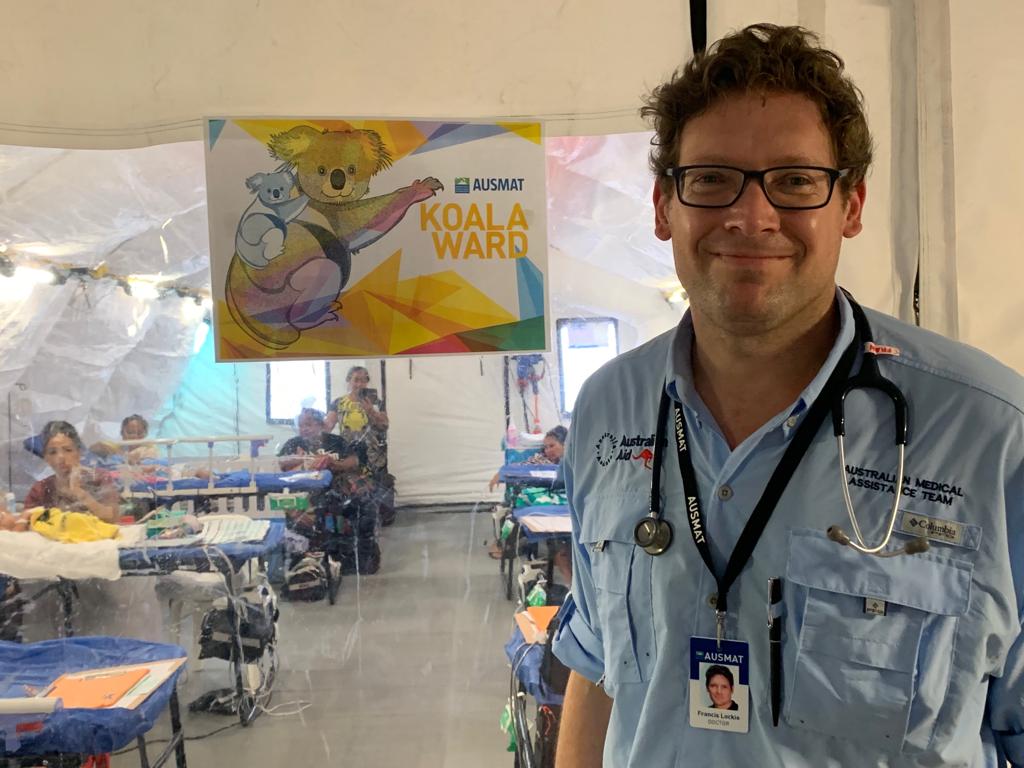
I see patients from newborns through to teenagers, including babies born prematurely.
“My retrieval work also takes me to remote communities, often with minimal resources, where local healthcare professionals are doing an incredible job under pressure. Meeting these communities and supporting their children is a privilege,” he shared.
Originally from England, Fran completed his medical training before working in paediatric and retrieval roles in Canada and Australia. His work has taken him to regional and remote communities across Australia and internationally.
“In remote areas, I witnessed how hard local teams are working, often in supply-constrained conditions,” he said. “My role is to support them, listen and work together to achieve the best possible outcome for the child.”
Deploying to Samoa
Fran’s commitment to supporting children and healthcare teams led him to join AUSMAT in 2012.
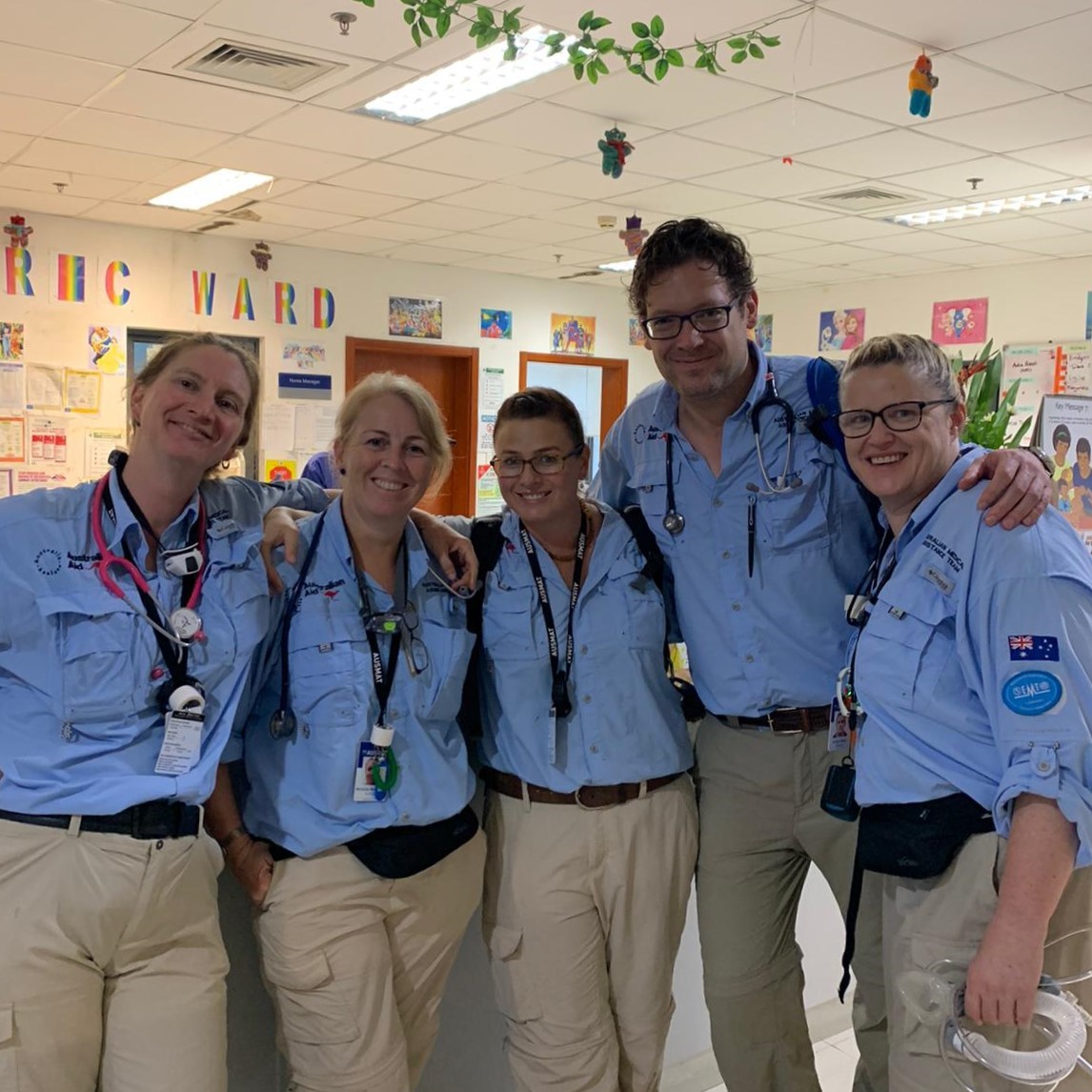
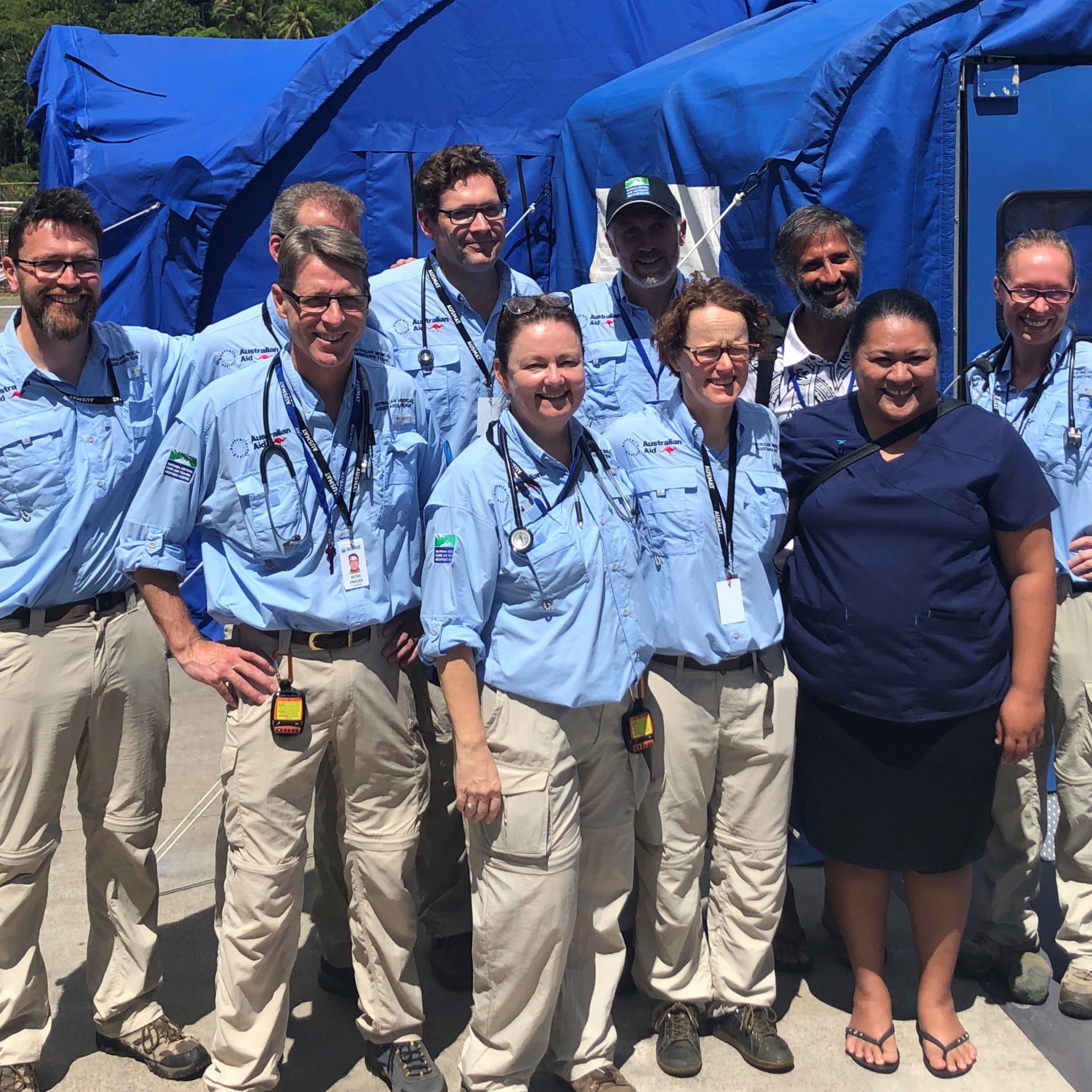
When AUSMAT deployed to Samoa during the 2019 measles outbreak, Fran was part of Team Bravo.
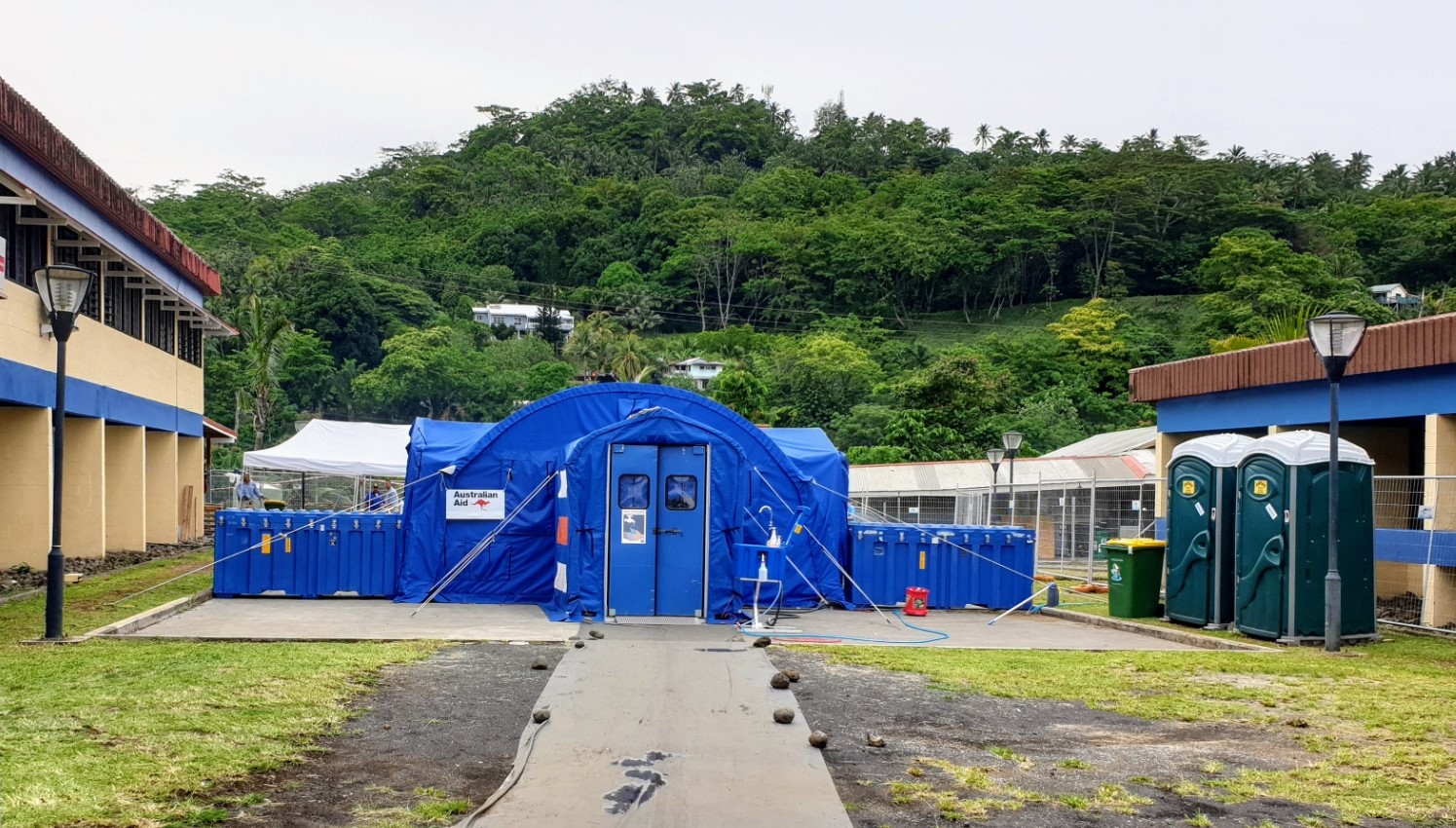
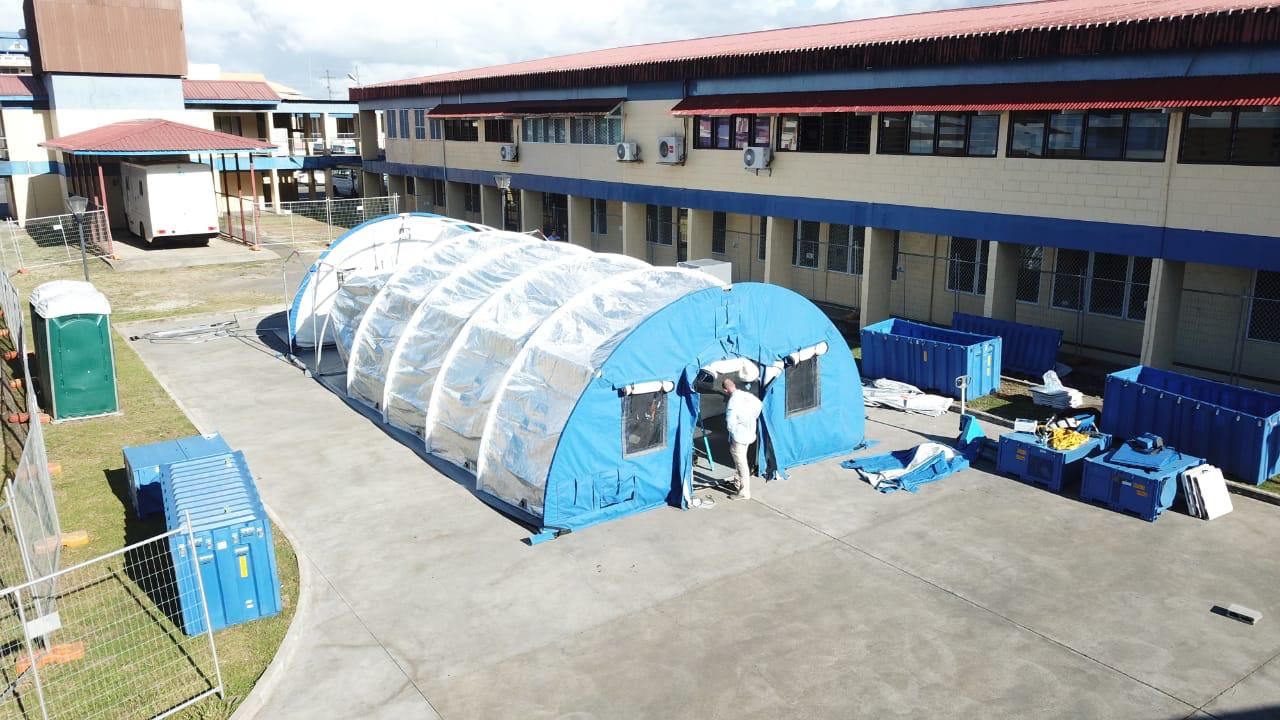
AUSMAT deployed 5 teams, comprising a total of 112 personnel over 3 months working alongside the Samoan Ministry of Health and Tupua Tamasese Meaole (TTM) Hospital colleagues. Many patients were infants and young children, requiring careful monitoring and supportive care.
“It quickly became clear that our role was to support the local team in practical ways,” he recalled.
Working in challenging conditions required him to adapt quickly - prioritising essential interventions, collaborating with local healthcare providers and relying on clinical judgement as diagnostic tests were limited.
Paediatric care through collaboration
In 2023, Fran returned to Samoa to collaborate with local healthcare professionals and strengthen local paediatric capability.
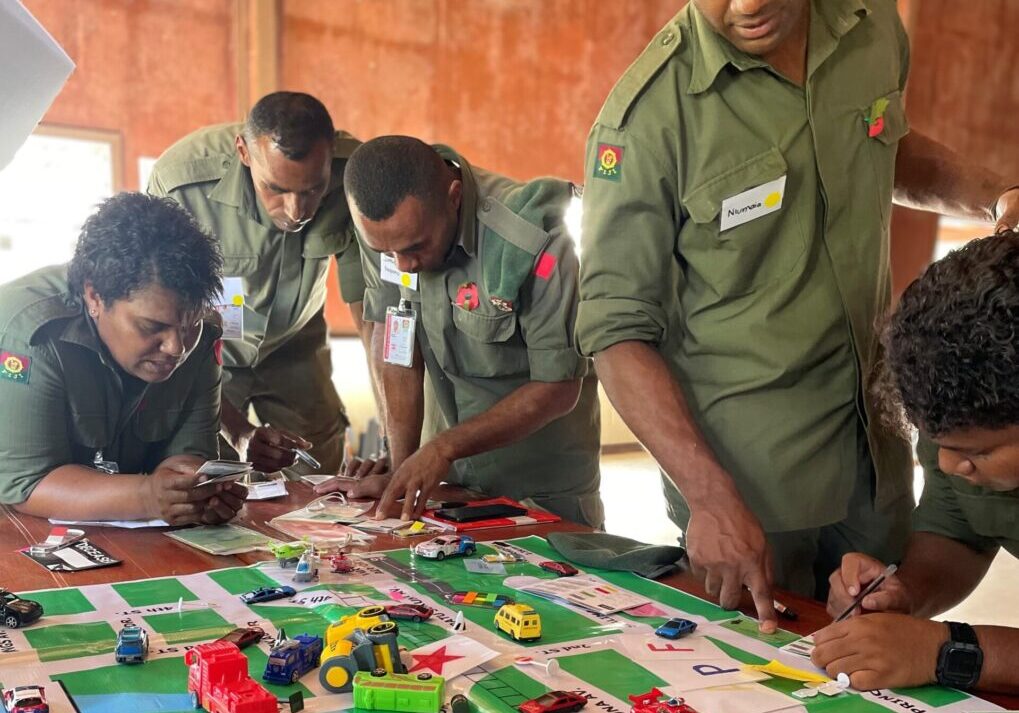
He delivered the Paediatric Basic Assessment and Support of Intensive Care (BASIC) course with colleagues from New Zealand and Australia – equipping local healthcare professionals with skills to manage critically ill children following initial resuscitation and stabilisation.
“It was a joyous reunion with the people I worked alongside during my AUSMAT deployment. Seeing some of my former patients again was deeply rewarding,” he added.
These experiences have deepened his appreciation for the shared purpose among healthcare professionals globally.
“Families everywhere want the same thing – to protect their children and keep them healthy,” he said. “Being part of AUSMAT and a collaborative global medical community is incredibly meaningful for me.”
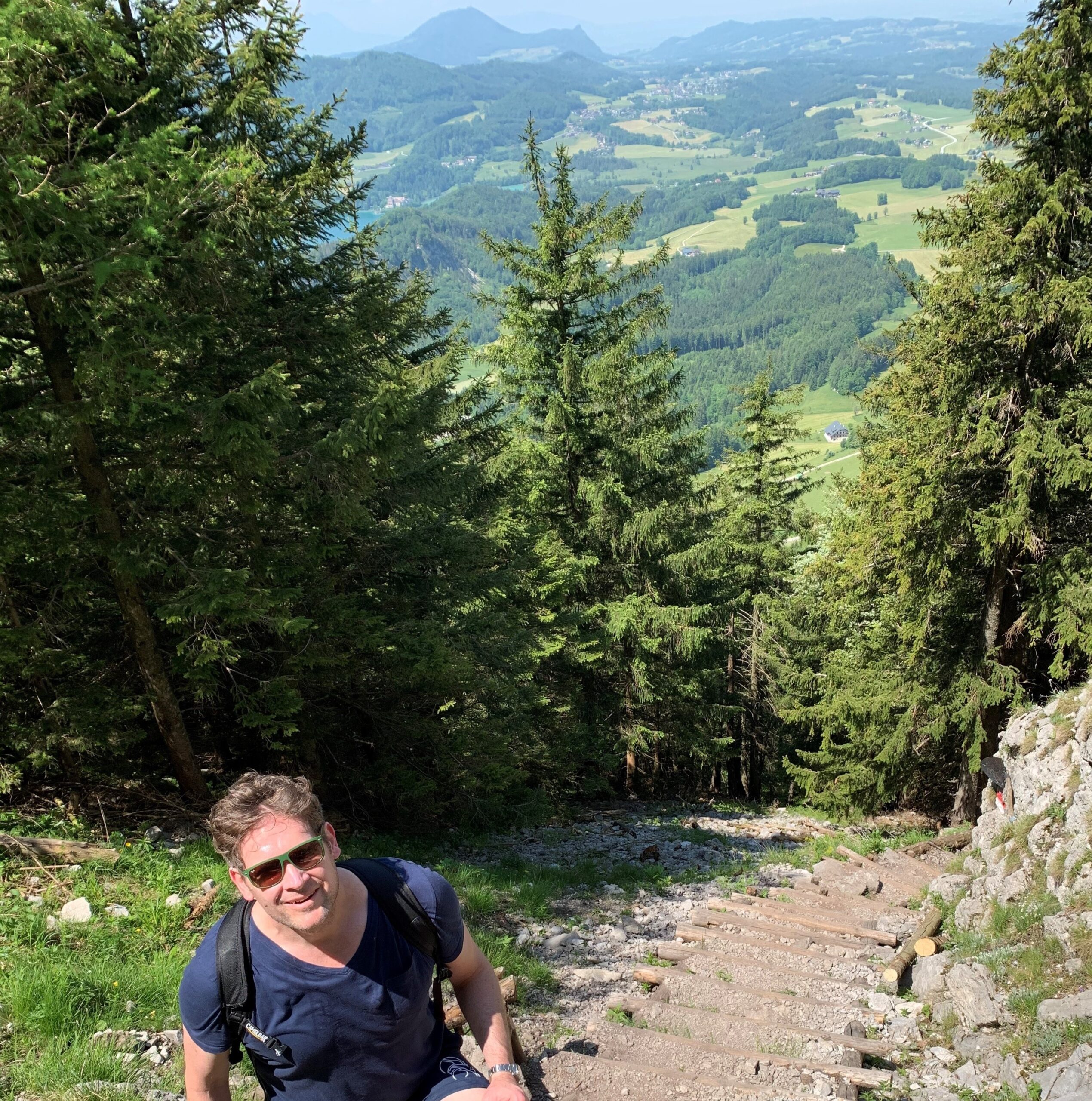
Beyond medicine, Fran balances his work with personal pursuits.
He enjoys hiking, travelling and watching humpback whales. These activities help him recharge from the emotional and physical demands of paediatric work.

He also co-published Cases in Pre-Hospital and Retrieval Medicine, a guide for healthcare teams managing critically ill patients in the field, demonstrating his commitment to teaching and advancing clinical knowledge.
Beyond clinical skills, Fran emphasises the importance of cultural awareness and building trust with families. In remote communities, he often works with Aboriginal and Torres Strait Islander families.
“Taking time to understand their perspective and find common ground helps build trust and supports better patient care,” he shared.
One memorable example involved bonding with a family through a shared interest in whale watching – a small connection that made a big difference in easing their fear. Support from Aboriginal liaison officers is also key to providing culturally safe communication and care for children and their families.
Young patients in crisis are a constant reminder of why paediatric care matters. Fran’s advice to paediatric health professionals considering AUSMAT: “Approach every situation with curiosity and humility. Support your colleagues and focus on the children in front of you. It’s challenging but profoundly rewarding,” he concluded.