From learners to leaders: journey to becoming EMTCC faculty members
03 Dec 2025
Written by Erika Lu
In a health emergency response, effective coordination makes all the difference. Teams may be trained, supplies ready, protocols in place but without a central system guiding the effort, even the best-prepared Emergency Medical Teams (EMTs) can struggle.
That is where the Emergency Medical Team Coordination Cell (EMTCC) training comes in – equipping participants with the knowledge and tools to coordinate emergency responses effectively at local, regional and national levels.
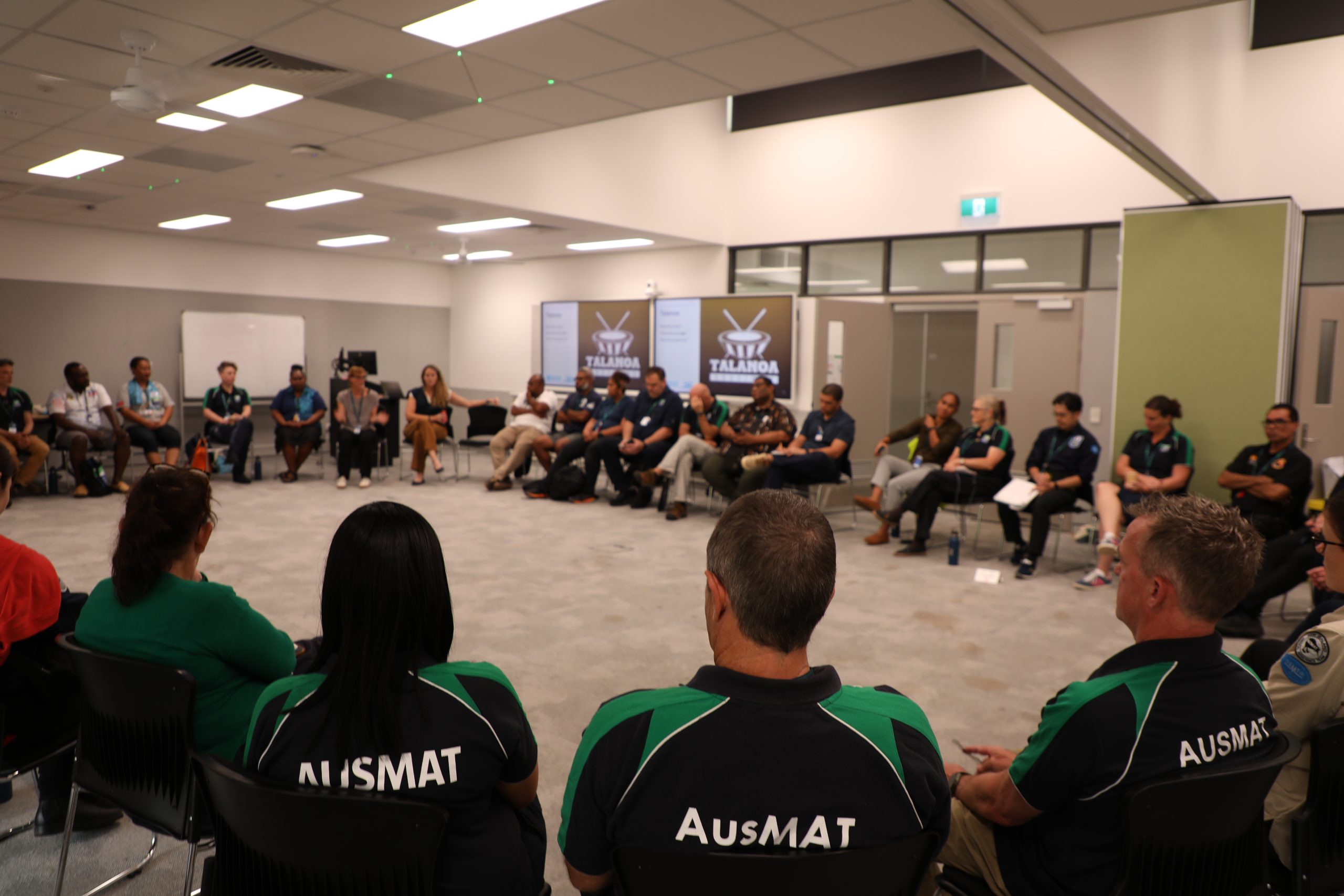
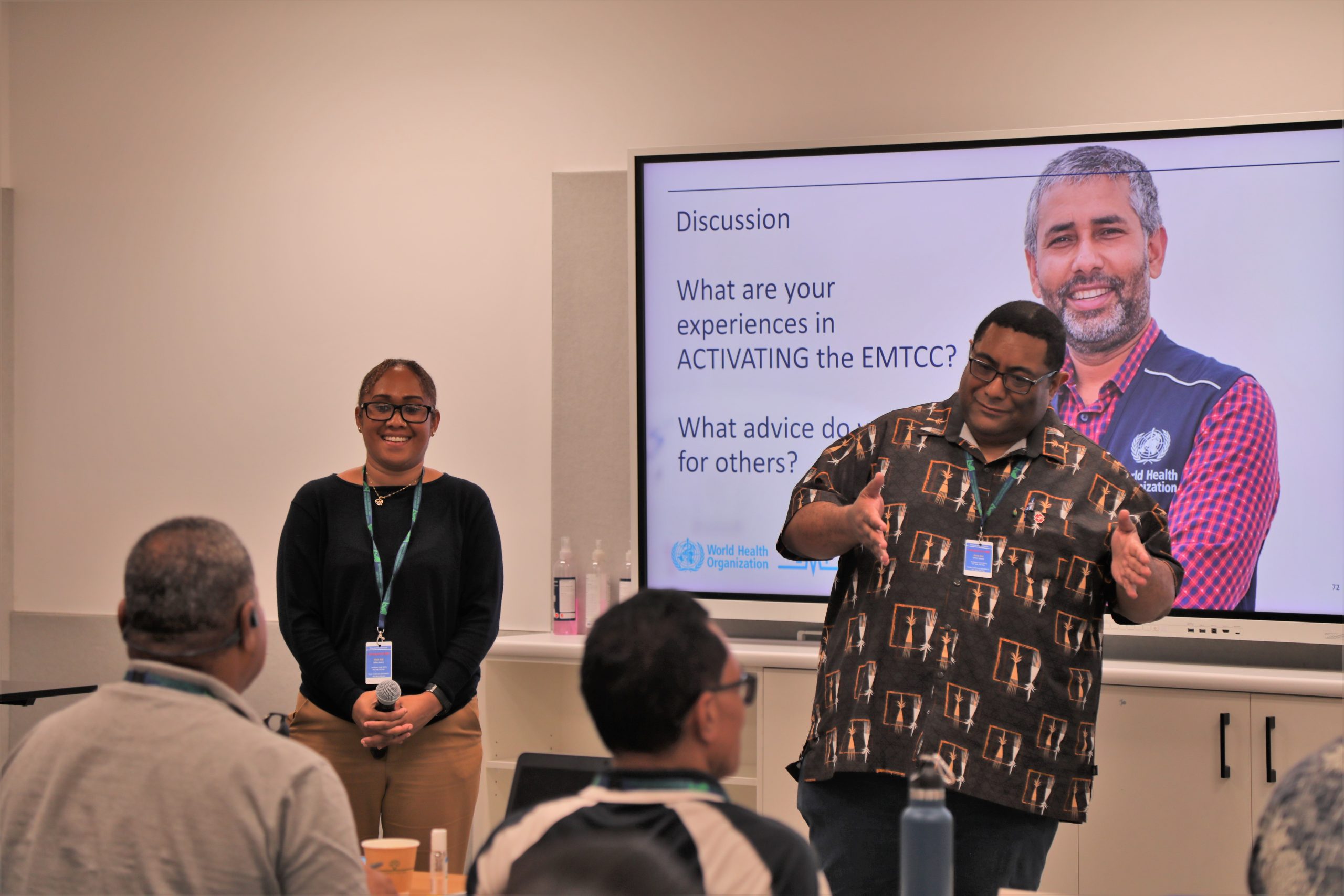
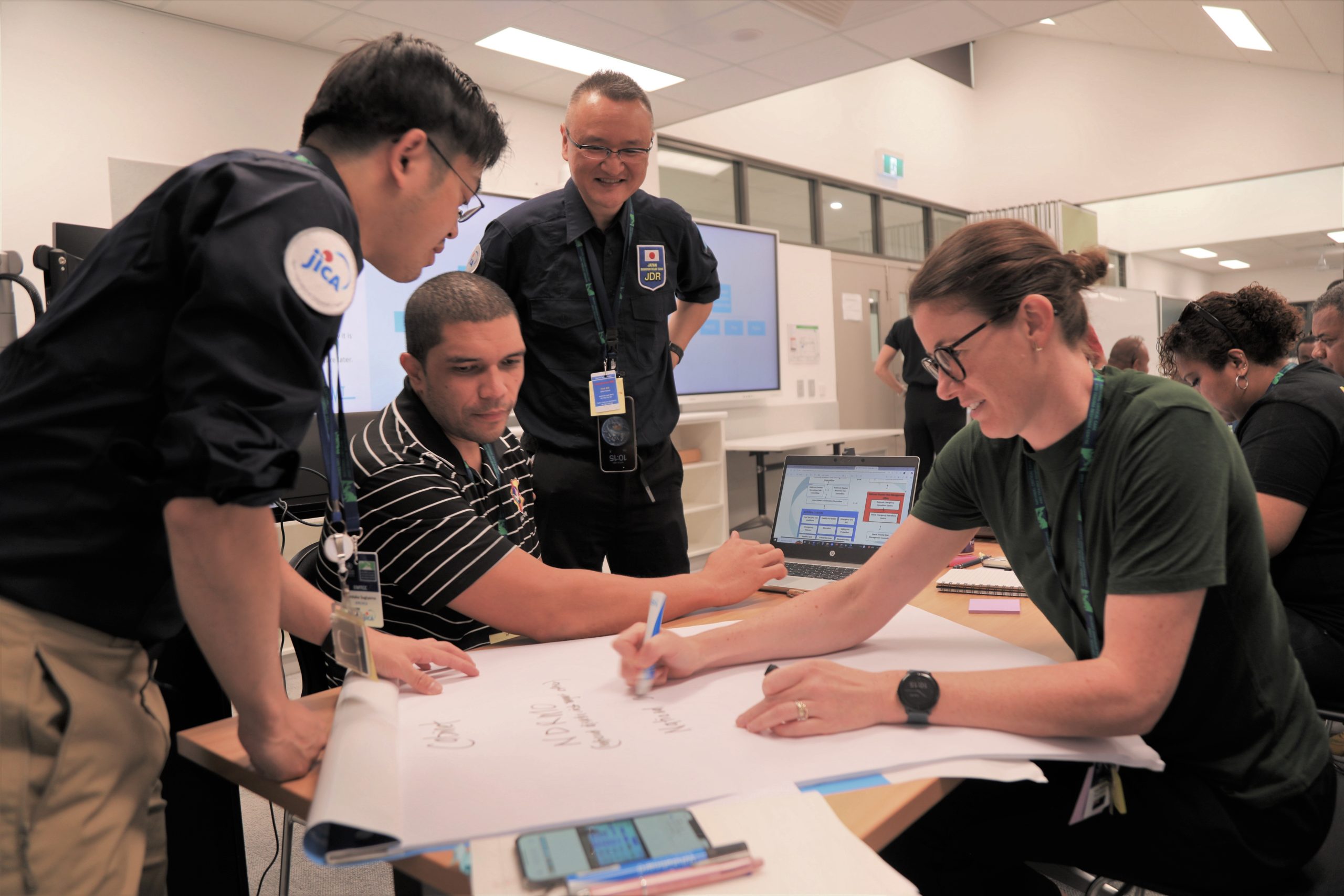
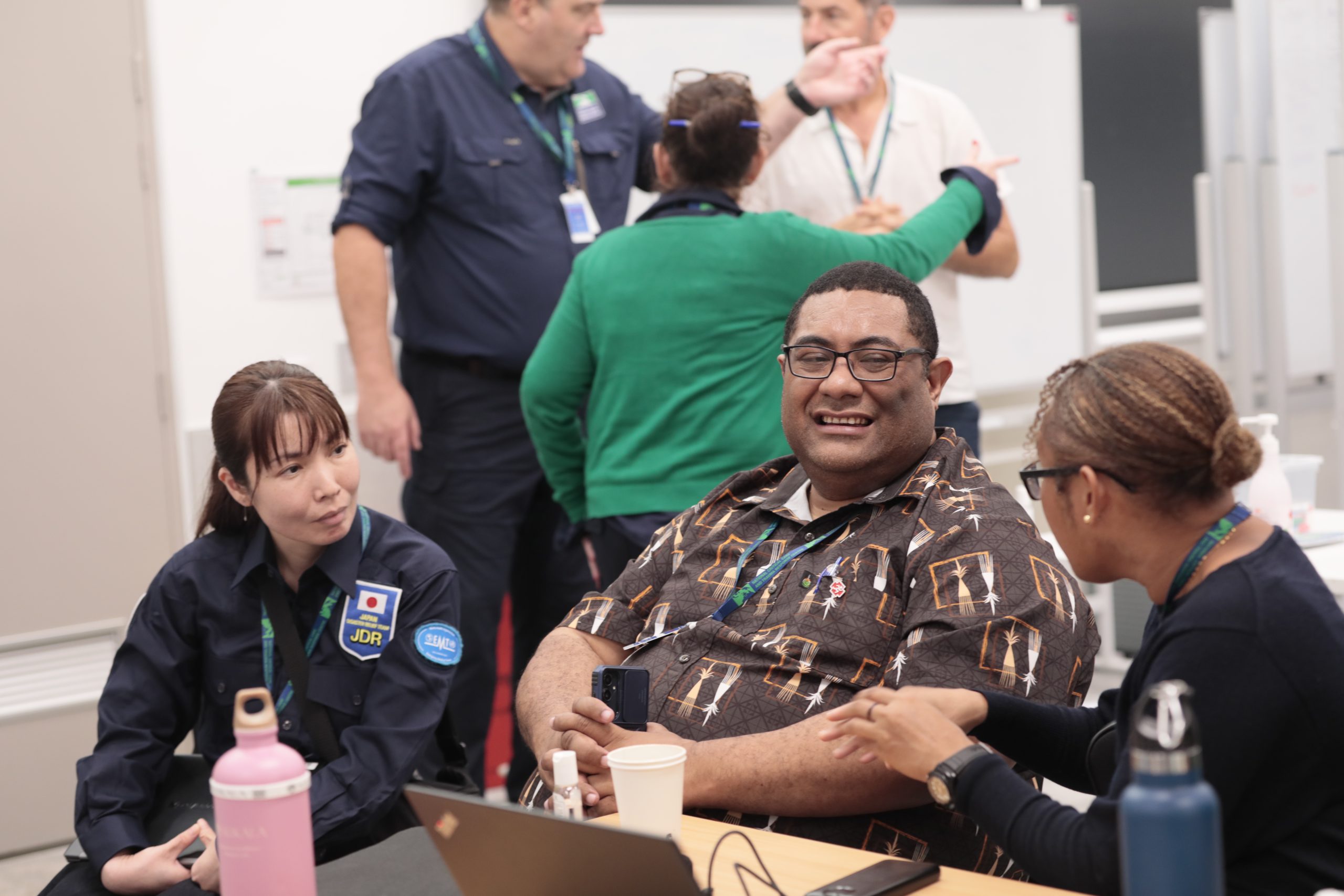
This year’s program in Darwin featured international faculty, including Dr Tatsuhiko Kubo from Japan, Dr Garry Nou from Papua New Guinea (PNG) and Sharin Vile from Vanuatu. Once participants themselves, these seasoned professionals now guide the new generation of EMTCC leaders, sharing insights from their own experiences in deployments and activations.
From experience to expertise that shaped their approach
Each faculty member has faced the complexities of coordinating teams across emergencies in their respective countries and abroad.
Dr Tatsuhiko Kubo
Japan
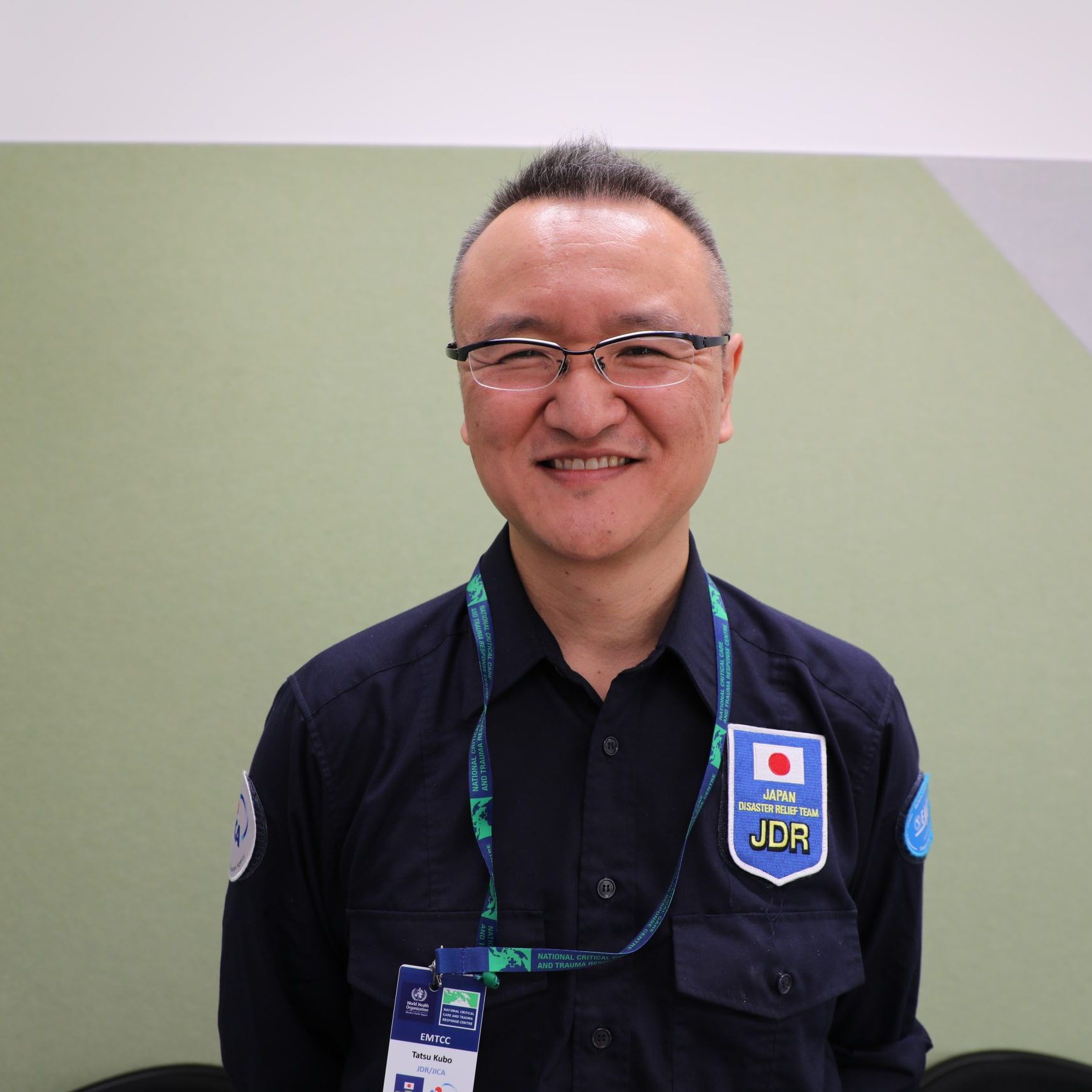
Dr Tatsuhiko Kubo, a medical doctor and university professor, brought an analytical perspective to the course shaped by his experience on nine international deployments with the Japan Disaster Relief Team (JDRT) and as the World Health Organization (WHO) EMT Minimum Data Set Working Group Chair. His mentoring approach focuses on data-driven coordination. “We share and use real-time data even in an emergency,” he says. “It allows us to coordinate efficiently, make informed decisions and support local authorities under pressure.”
Having been deployed to Gaza, Mozambique, Türkiye, Ukraine and Vanuatu, Tatsuhiko highlighted the importance of mapping key stakeholders, managing data and understanding the pressures local authorities face. “Local teams face immense pressure,” he says. “By understanding their challenges, the EMTCC can provide the right support and strengthen coordination.”
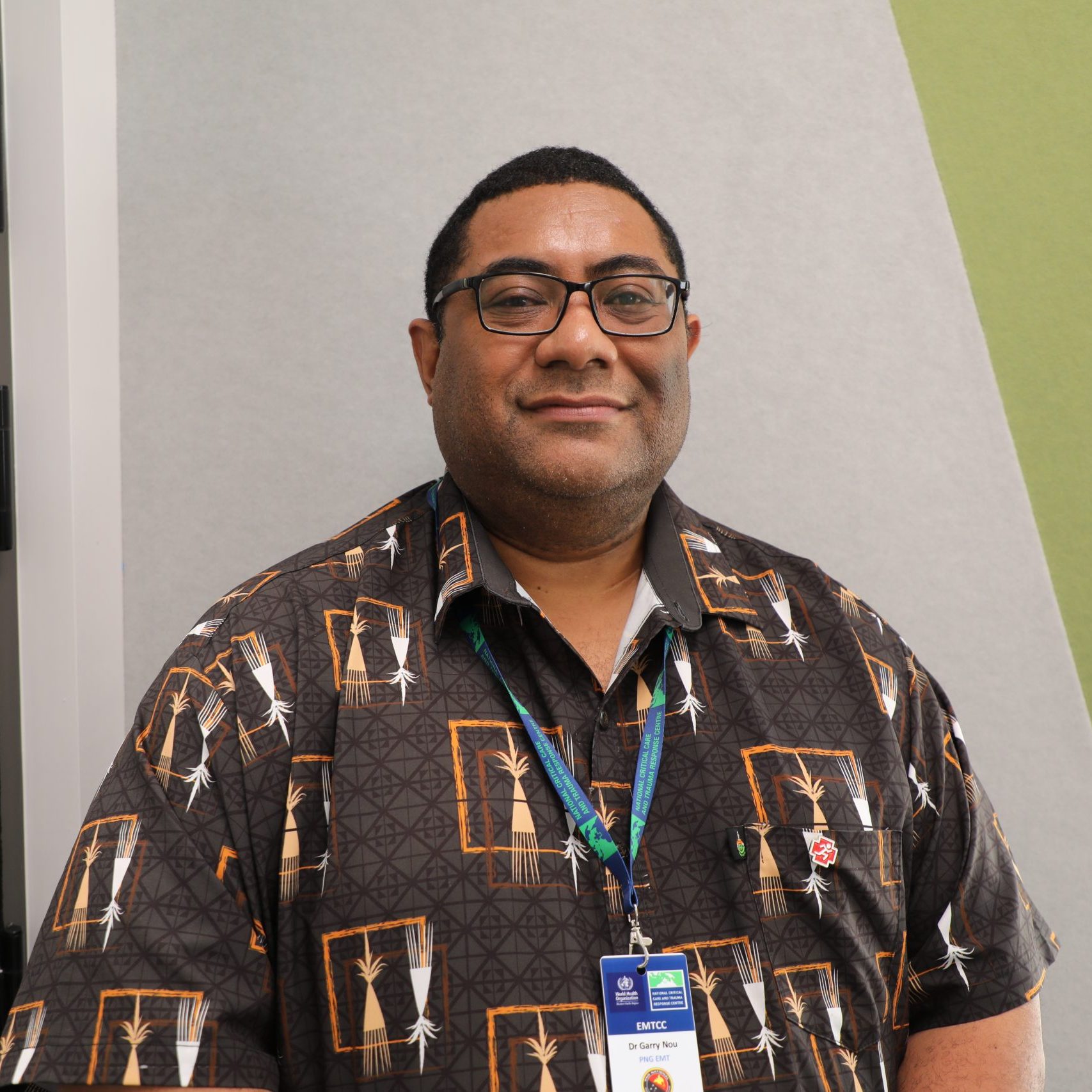
Dr Garry Nou, an emergency physician and head of the PNG EMT, faced similar realities. When COVID-19 hit, he served as clinical lead for the national response. A few months later, Garry activated the EMTCC in-country for the first time to coordinate both international and national EMTs. “As a responder, I often wondered what coordination looked like from the inside,” Garry recalled. “Suddenly, I was there – debriefing teams, tasking people, analysing data, and managing operations. It was surreal but also fulfilling.”
Having first attended the EMTCC training in 2019, Garry’s return to Darwin as a faculty member marked a full-circle moment. “EMTCC training is about ensuring every participant understands how preparation impacts outcomes,” he says. Two of this year’s participants were from PNG – a sign of growing national capacity.
“The PNG EMT also participated in the World Health Organization’s pilot Mental Health and Psychosocial Support in Disasters training as part of our efforts in strengthening the country’s emergency preparedness,” he adds. Garry emphasises that a dedicated team is both operationally and mentally prepared, which is why psychological first aid is now part of their deployment courses.
Dr Garry Nou
Papua New Guinea
Sharin Vile
Vanuatu
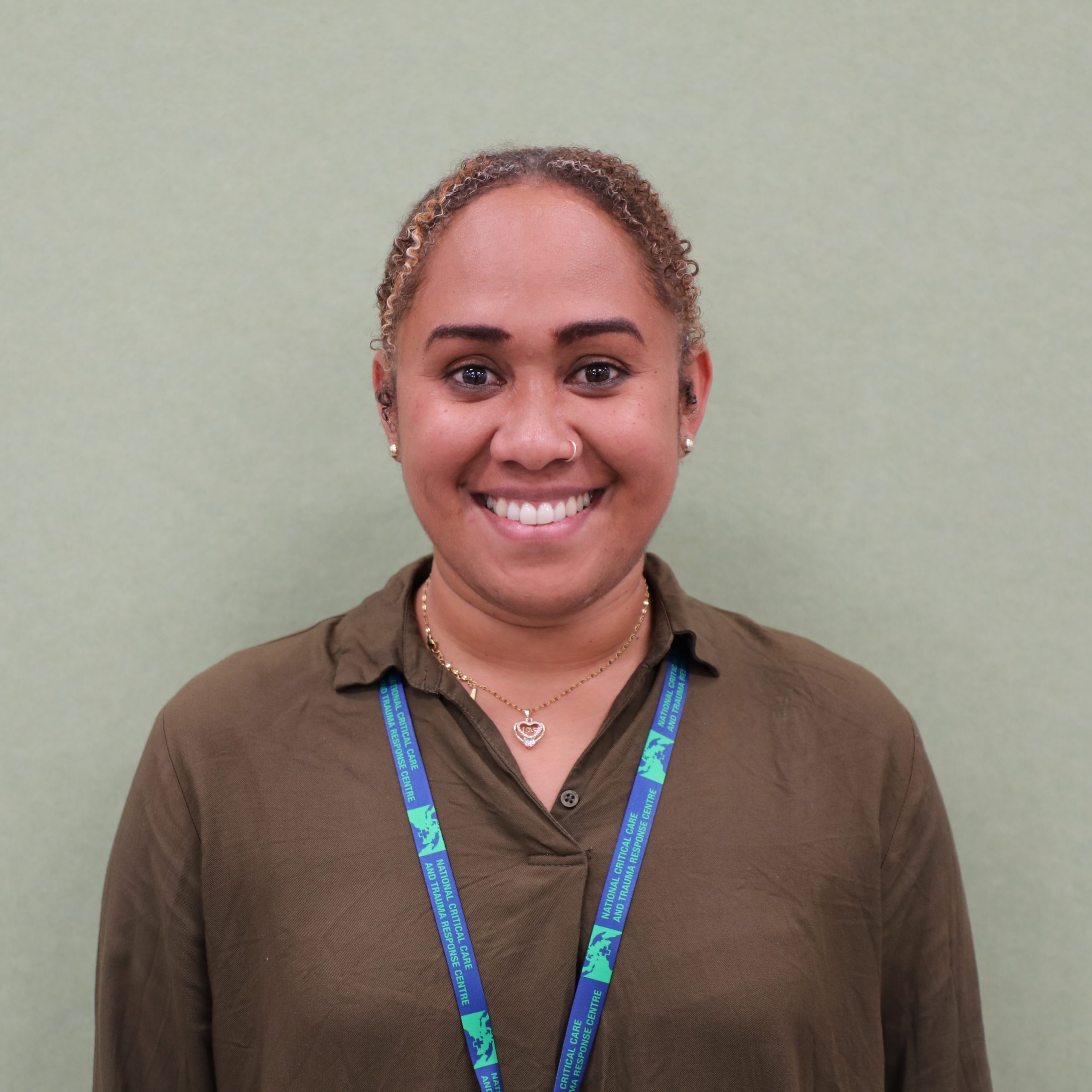
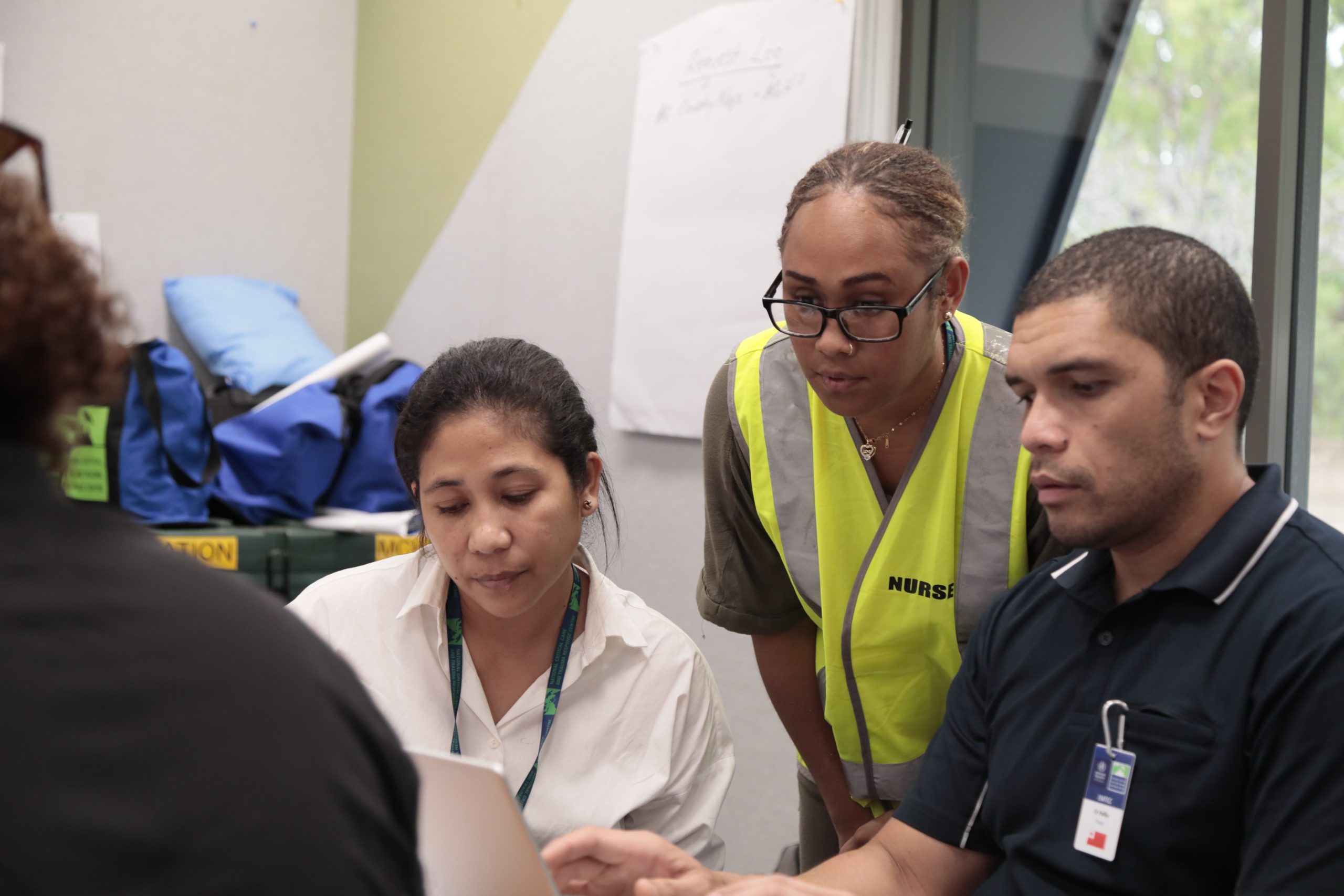
Since completing her EMTCC training in 2019, Sharin Vile has been a driving force behind the coordination of national and international EMTs during health emergencies. As the Emergency Response Officer at the Vanuatu Ministry of Health, she has helped embed the EMT initiative into the national system, ensuring international EMTs seamlessly work alongside local capacity.
Sharin recalls the days when activating the EMTCC required her to navigate systems and establish relationships. “We had to set up the Reception and Departure Centre for international EMTs and work closely with airport and port authorities,” she said. “It took time and negotiation but once it was established, it made everything smoother – we could verify teams, manage arrivals and keep operations organised.”
Those early challenges taught her how essential coordinated teamwork is to an effective response. “We can have the best plans but without coordination and collaboration, it doesn’t work,” she reflects.
Lessons for the next generation
These leaders shared insights with participants, reinforcing the importance of teamwork, preparedness and evidence-based coordination.
- Sharin encouraged participants to own their EMTCC: “An EMTCC belongs to your country. It is not just about reacting – it is about owning the system, knowing your people, and working together. That is how Vanuatu found solutions for the challenges we faced.”
- Garry highlighted that coordination begins before an emergency response: “Every deployment and training teaches you something new. An effective coordination cell starts with a well-prepared team, established systems and strong connections with local and international partners.”
- Tatsuhiko demonstrated that the strength of a coordination cell can come from evidence-based decision-making: “Even in an emergency, data can guide our coordination. When we collect, share and analyse information, our response is stronger, faster and more precise.”
Together, Tatsuhiko, Garry and Sharin have demonstrated the value of leadership grounded in shared expertise.
More EMTCC-trained people mean a stronger team – we speak the same language and understand the same processes.
Sharin Vile
Funded by the Australian Government and delivered by the National Critical Care and Trauma Response Centre’s (NCCTRC) Regional Engagement Program (REP) and Disaster Preparedness and Response teams in collaboration with WHO and WHO Western Pacific Region, the EMTCC training was adapted for the region to ensure content and exercises reflect the unique health systems, challenges and response settings across the Western Pacific region and Timor-Leste.