Co-designing for sustainability: PHOENIX and Tonga Ministry of Health deliver communicable disease training
24 Nov 2025
Written by Carla Yeung
The partnership between the Tonga Ministry of Health and the National Critical Care and Trauma Response Centre’s (NCCTRC) Public Health Operations in Emergencies for National Strengthening in the Indo-Pacific (PHOENIX) team continues to strengthen public health emergency preparedness across the Pacific. In November 2025, this collaboration delivered the Communicable Diseases in Health Emergencies (CDHE) course in Nuku’alofa, designed to enhance Tonga’s readiness for managing outbreaks and pandemics.
From the beginning, this course was co-designed with the Tonga Ministry of Health to ensure it reflects local needs and priorities while building sustainable, country-owned capability.
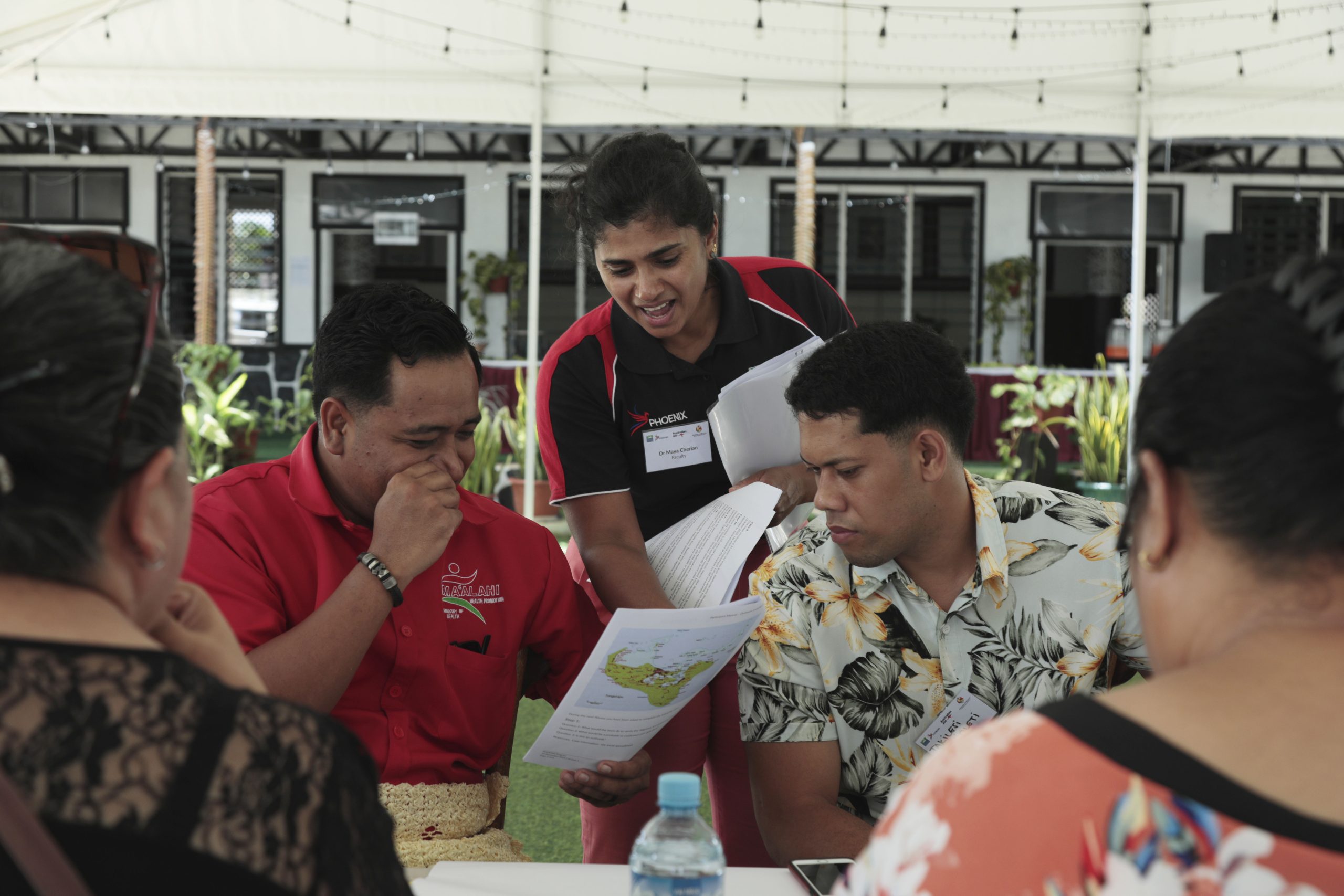
Dr Maya Cherian, PHOENIX Director Education
“PHOENIX’s approach is grounded in co-design,” said Dr Cherian. “Our courses focus on what matters most to our country partners and build from there. The result is training that’s relevant, practical and embedded within national systems.”
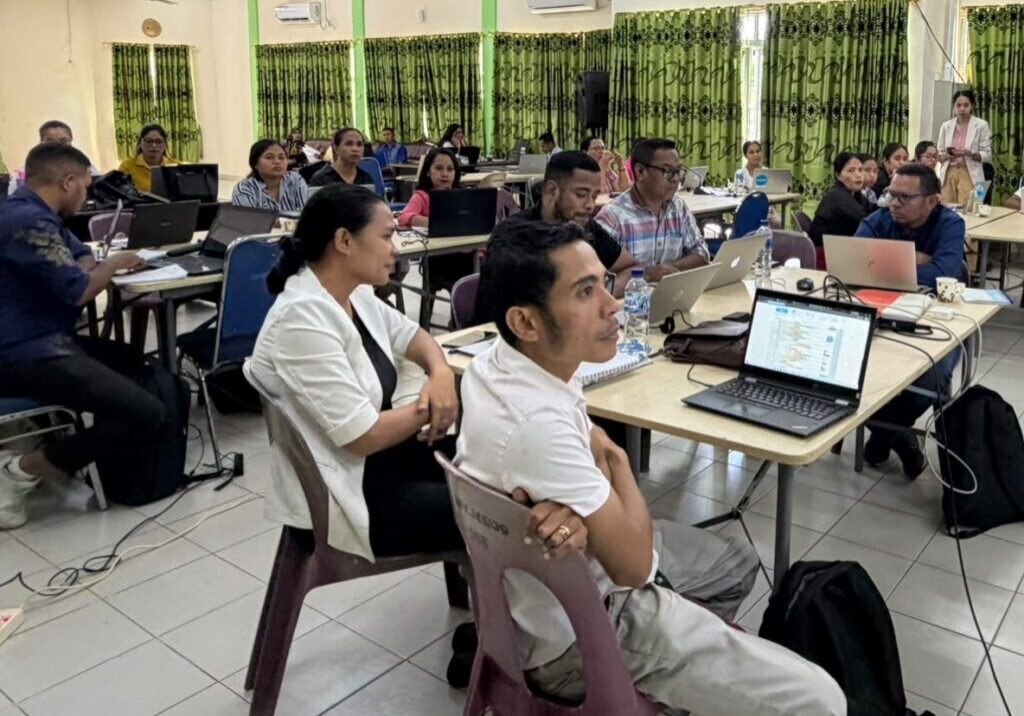
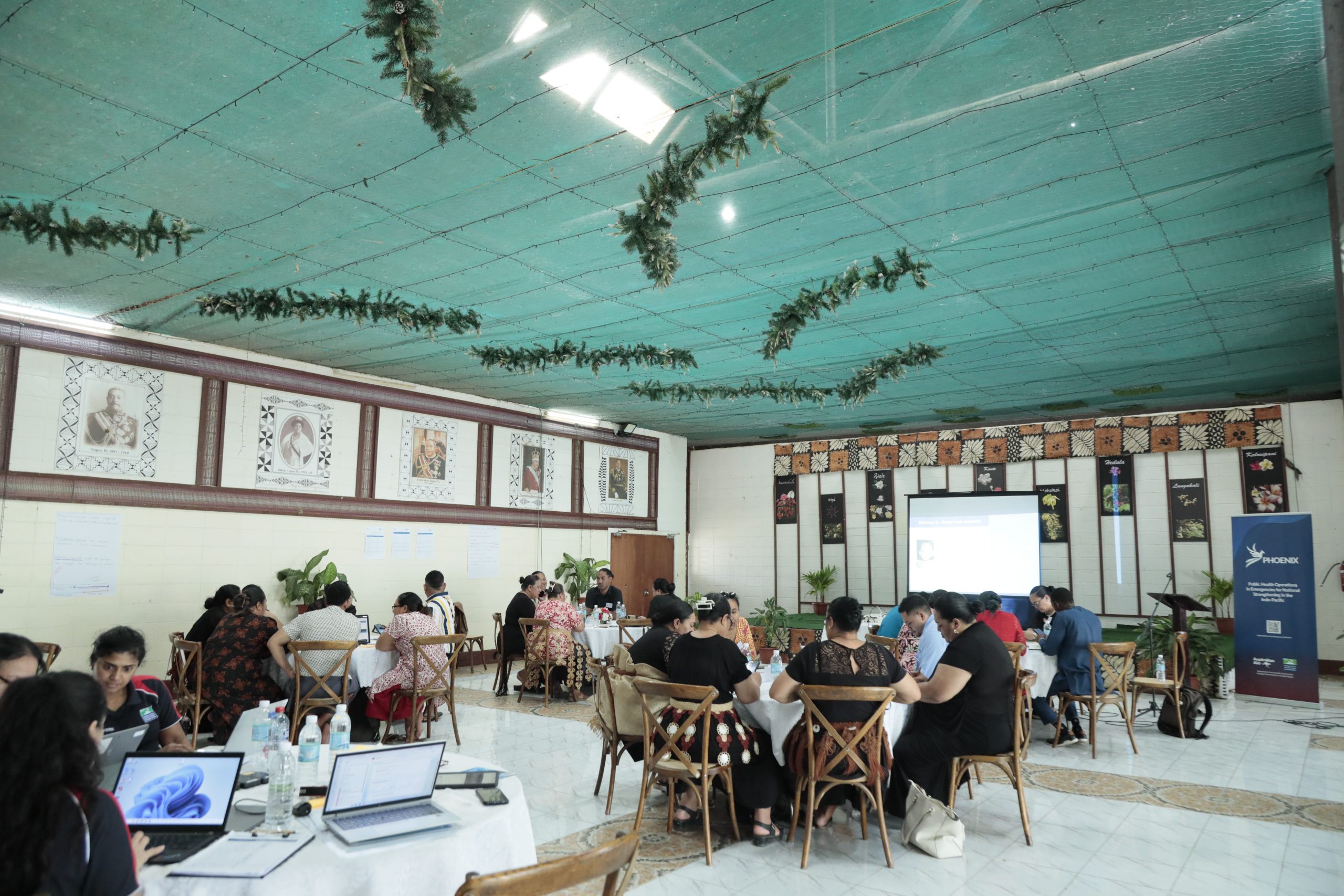
The three-day course brought together 24 participants from Nuku’alofa and outer surrounding districts, representing doctors, nurses, environmental and public-health officers, and animal-health professionals.
The CDHE course was developed through close consultation between Dr Ana Mahe, Senior Medical Officer at the Tonga Ministry of Health, and Dr Maya Cherian, PHOENIX Director of Education, with input from Dr Anu Anuradha, Public Health Physician and Associate Professor at the University of Queensland. By combining local knowledge with regional experience, the faculty ensured the training reflected Tonga’s context and priorities.
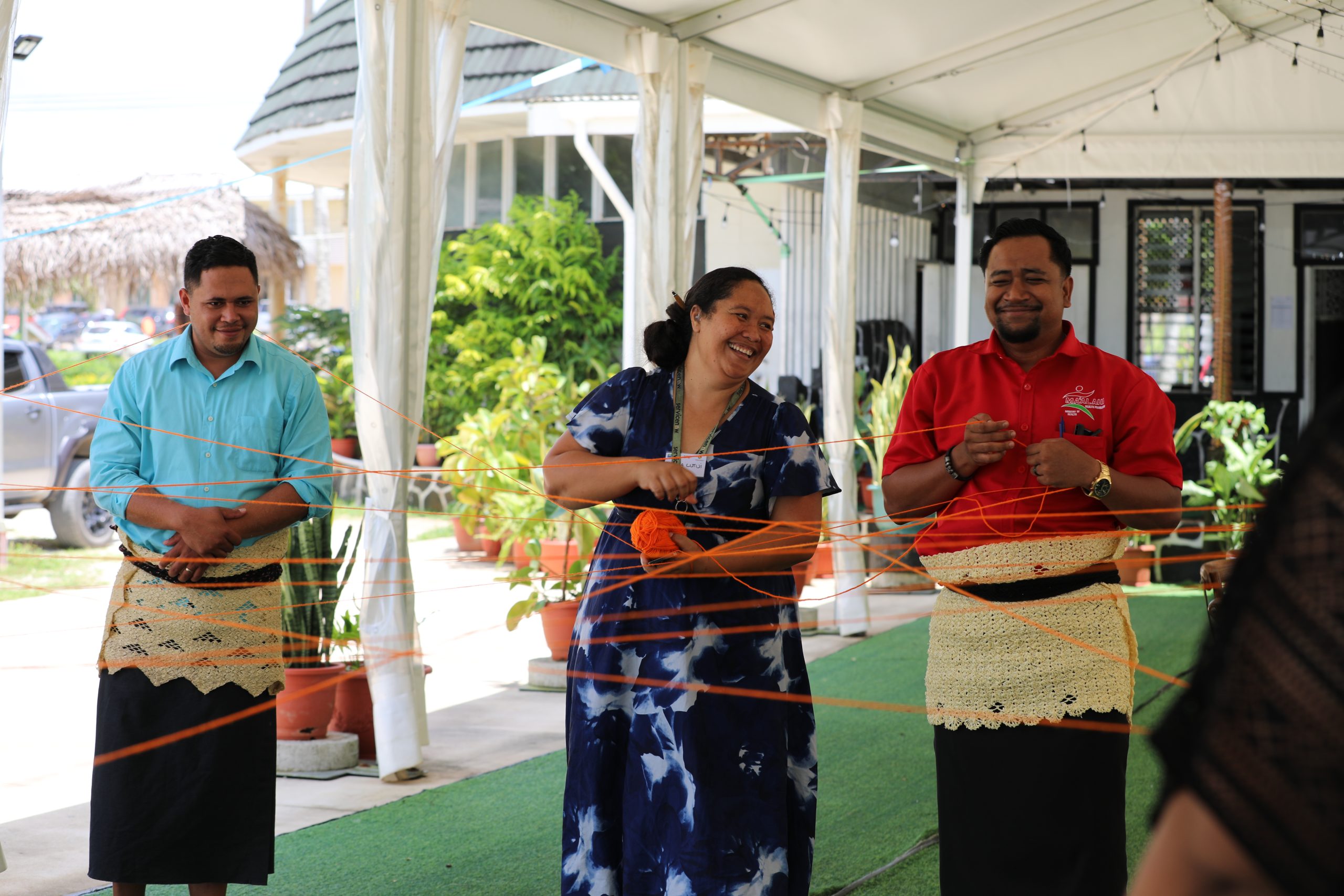
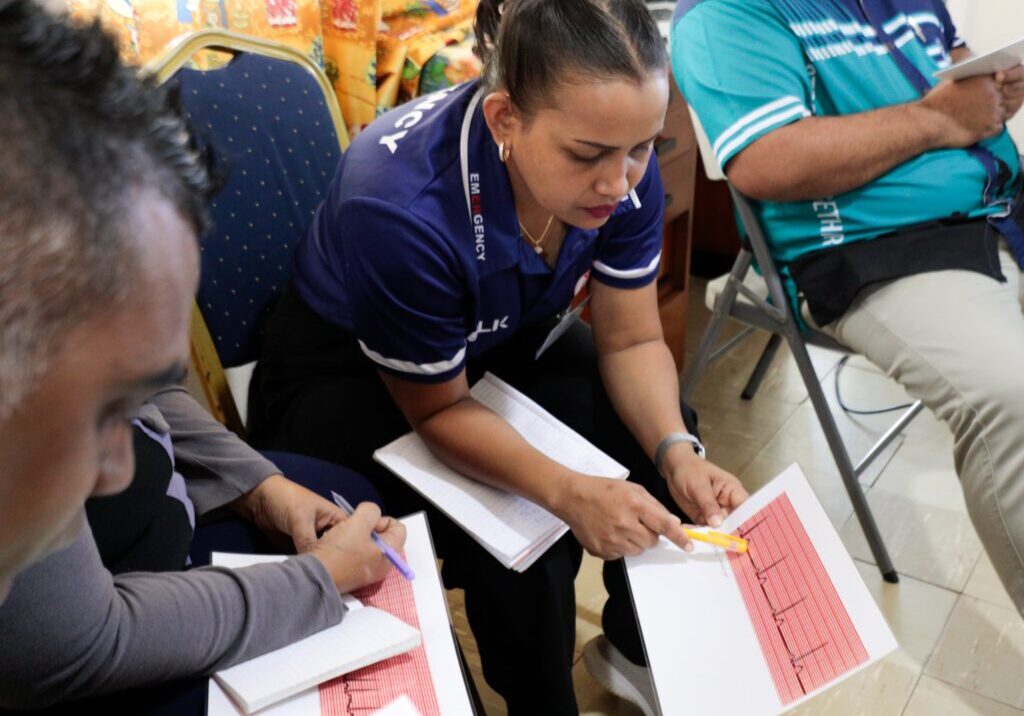
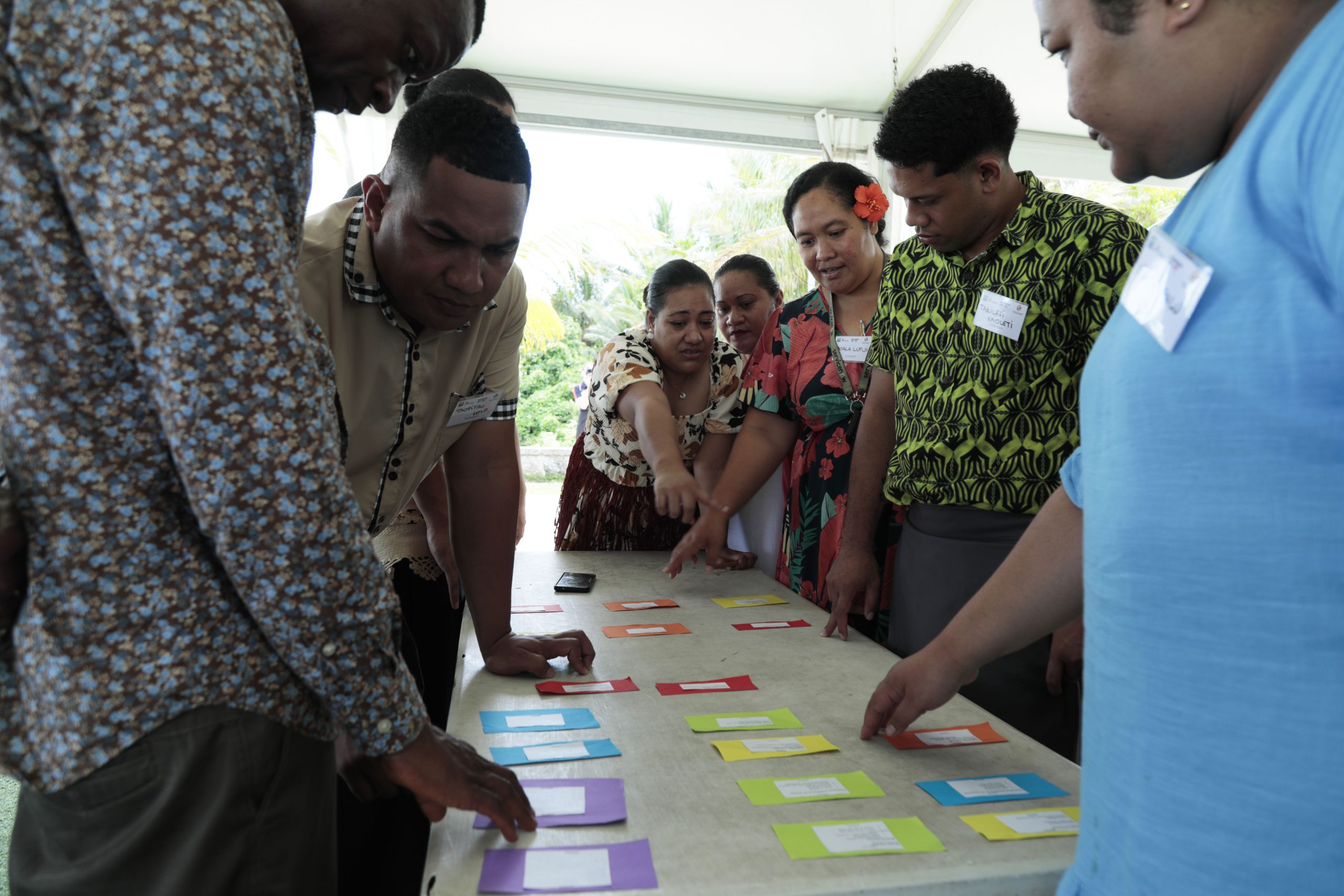
Through lectures, case studies and scenario-based exercises, participants explored how to recognise and manage common communicable diseases in Tonga – examining their transmission, incubation and infectious periods, signs and symptoms, testing, clinical management, notification requirements, prevention, infection control and vaccination measures.
The sessions linked epidemiology, surveillance and clinical care to coordinated outbreak response, encouraging participants to share new knowledge within their teams and communities to strengthen collective preparedness.
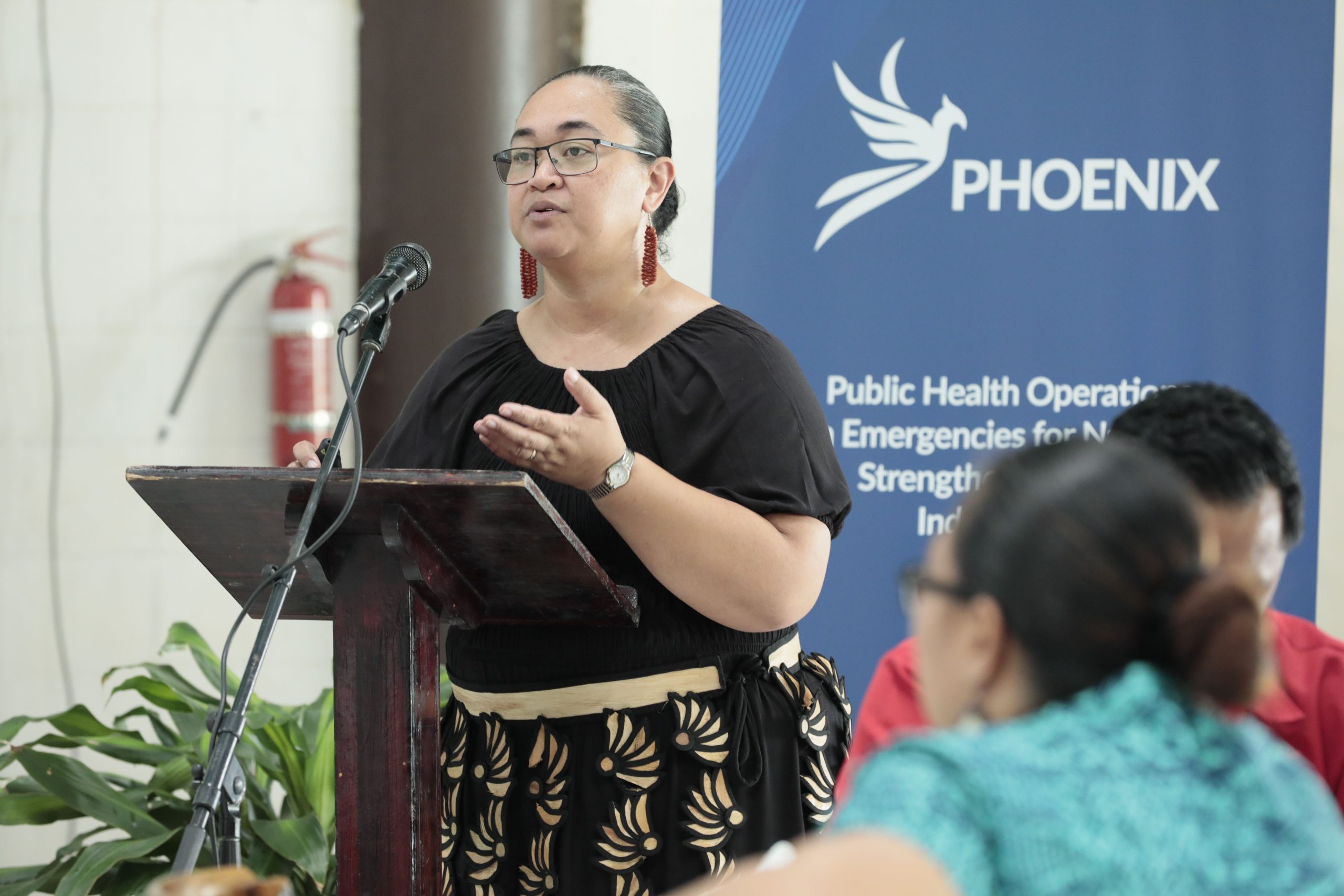
“By taking part, participants are helping to embed this knowledge in our national systems and strengthen our preparedness for any health emergency,” said Dr Mahe.
The blended faculty model – uniting local and regional expertise – fostered peer-to-peer learning and built confidence among Tonga’s health professionals to apply and disseminate the skills gained.
“Partnerships like this demonstrate that strengthening health systems isn’t just about training; it’s about shared learning and mutual growth,” said Dr Mahe.
The CDHE course forms part of PHOENIX’s broader regional effort to strengthen outbreak preparedness and public health emergency operations across the Indo-Pacific. Supported by the Australian Government Department of Foreign Affairs and Trade (DFAT), PHOENIX works with countries to deliver tailored training, mentoring and leadership development that build resilient, well-coordinated national response systems.
Through initiatives like the CDHE course, Tonga is helping shape a stronger regional network of public health professionals ready to respond rapidly and effectively to communicable-disease threats.
Tonga’s collaboration with PHOENIX reflects the power of partnership – where local leadership and shared expertise create sustainable systems for health emergency response. It stands as a model for how Pacific nations can build capability from within, ensuring that knowledge, confidence and leadership remain firmly anchored in-country.
“By investing in local trainers, Tonga is setting an example for the region,” said Dr Cherian. “This is what sustainable capacity-building looks like – knowledge shared, skills strengthened and leadership grown at home.”
Tonga’s experience highlights the strength of country-led capacity-building in action – demonstrating how collaboration, co-design and trust between partners can help secure the region’s collective health security for the future.
By investing in local trainers, Tonga is setting an example for the region. This is what sustainable capacity-building looks like – knowledge shared, skills strengthened and leadership grown at home.