PHOENIX partners with GOARN to strengthen outbreak response
30 Sep 2025
Written by Erika Lu
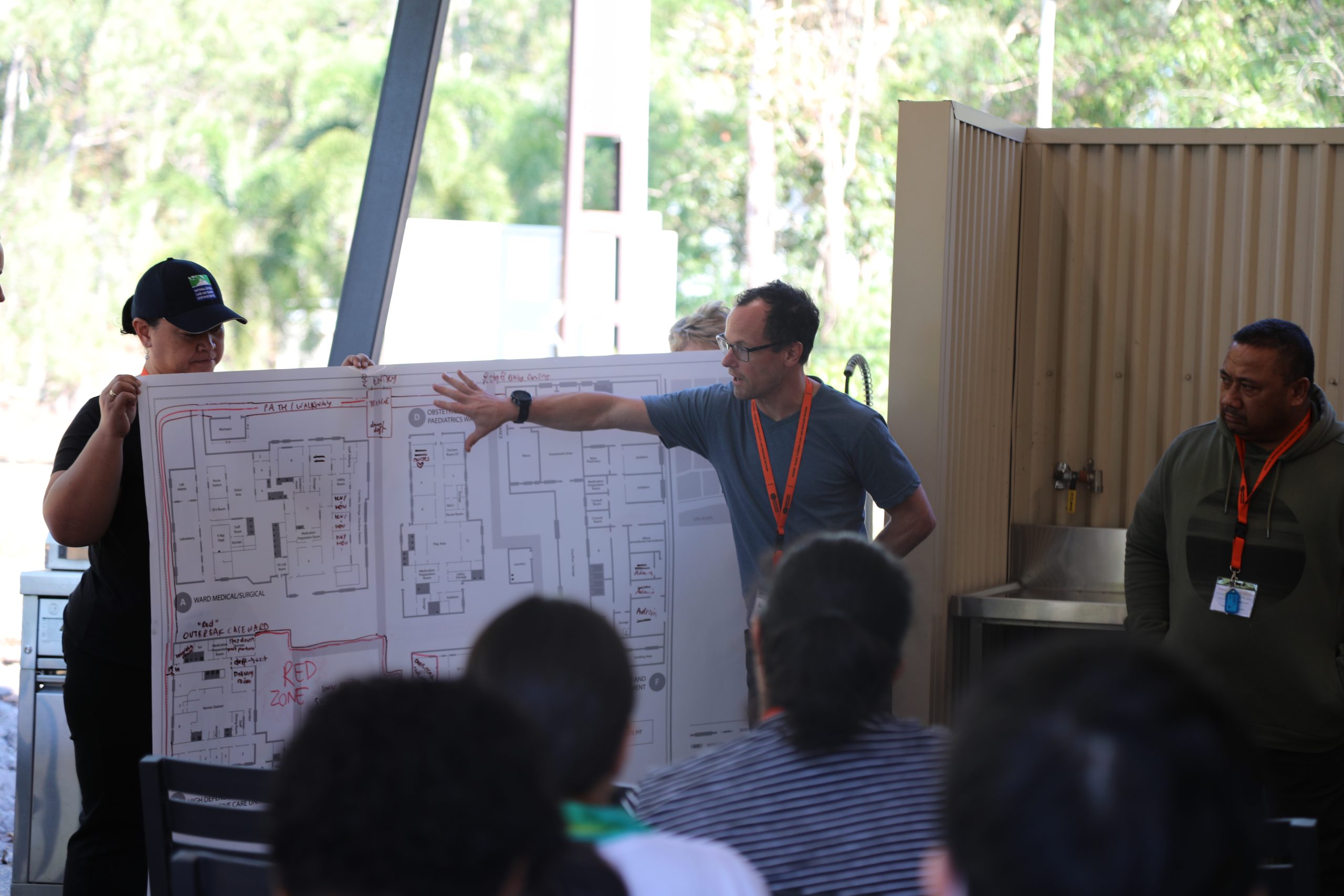
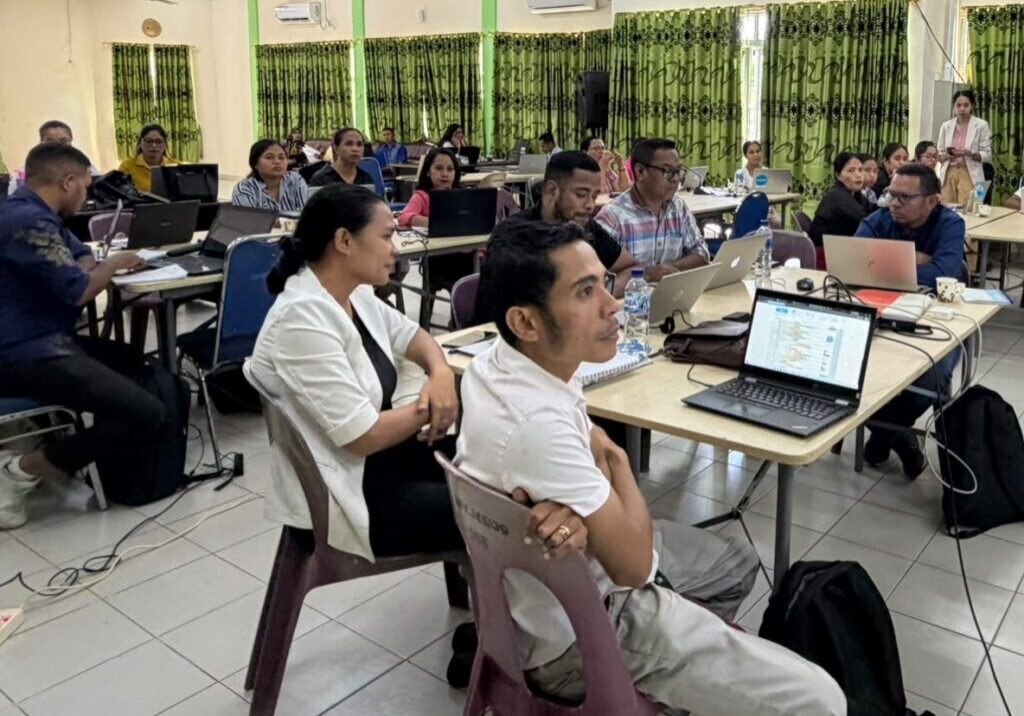
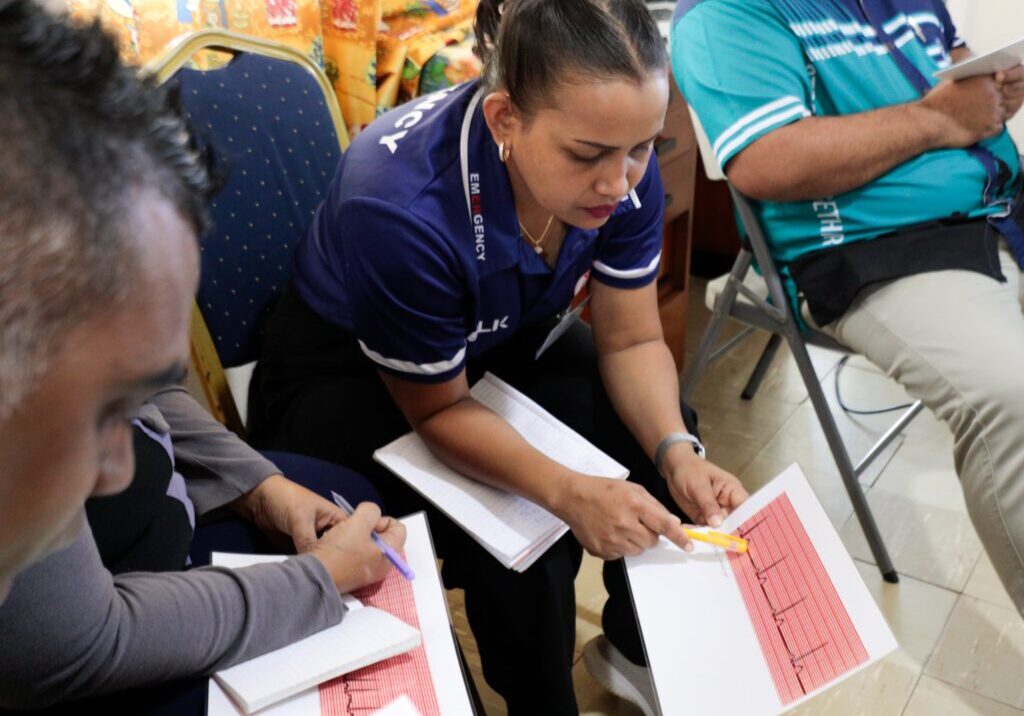
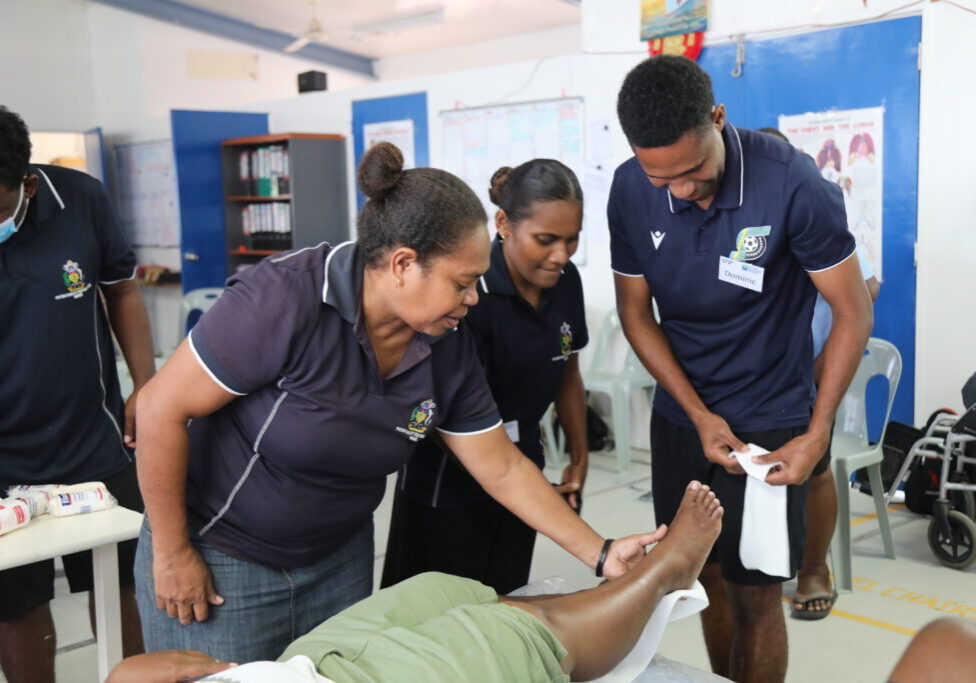
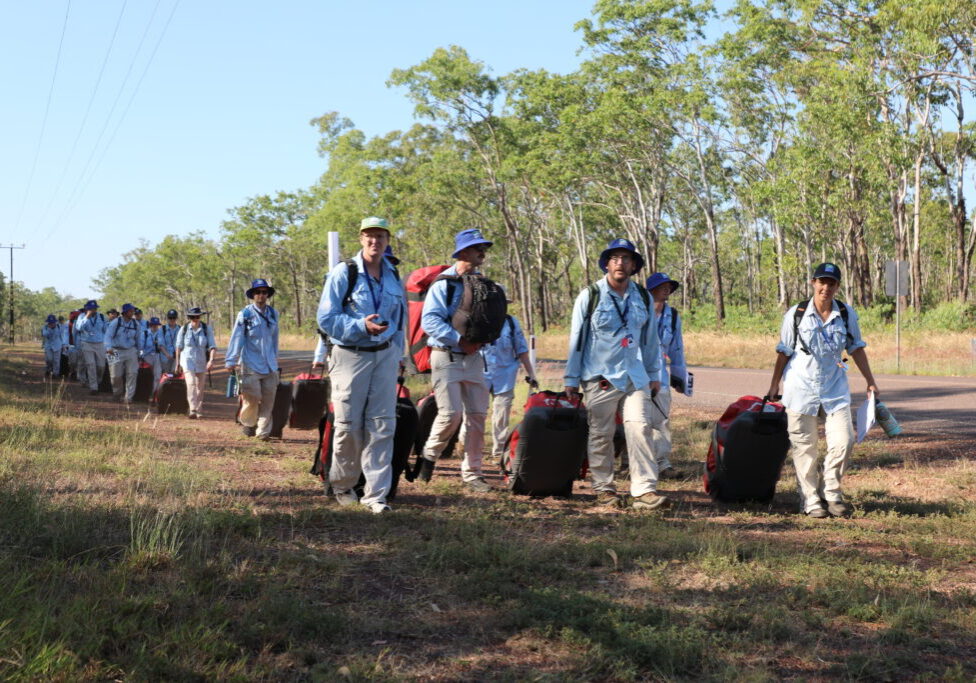
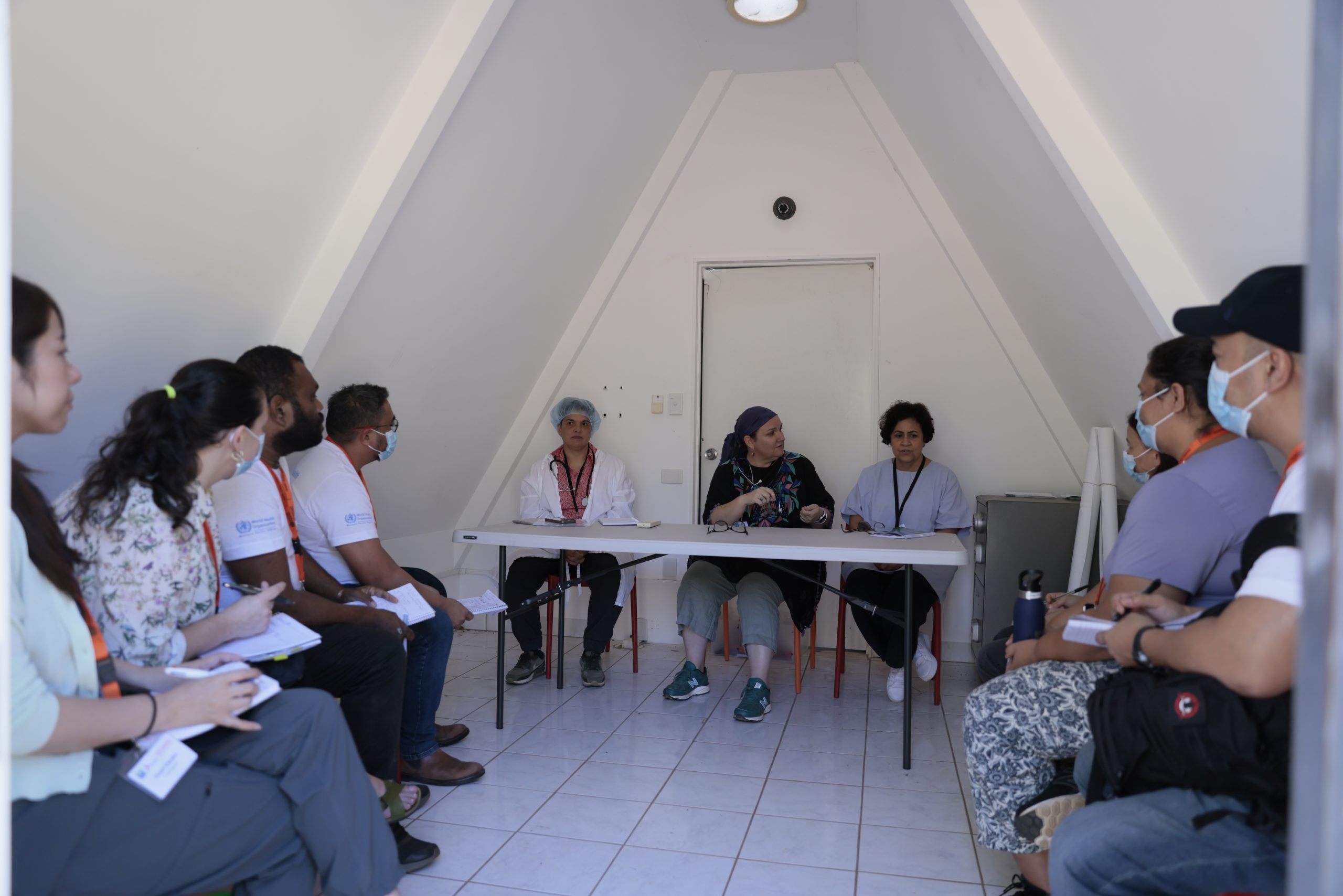
Darwin became a hub for public health outbreak response training when the National Critical Care and Trauma Response Centre (NCCTRC), in partnership with the Global Outbreak Alert and Response Network (GOARN) and the World Health Organization (WHO) Western Pacific Regional Office (WPRO), hosted the GOARN Outbreak Response Training. Delivered through the NCCTRC’s Public Health Operations in Emergencies for National Strengthening in the Indo-Pacific (PHOENIX) program, 22 public health professionals from 12 countries across the Pacific and Southeast Asia spent five days in simulations and workshops designed to sharpen decision-making, strengthen coordination and build regional readiness for future health emergencies.
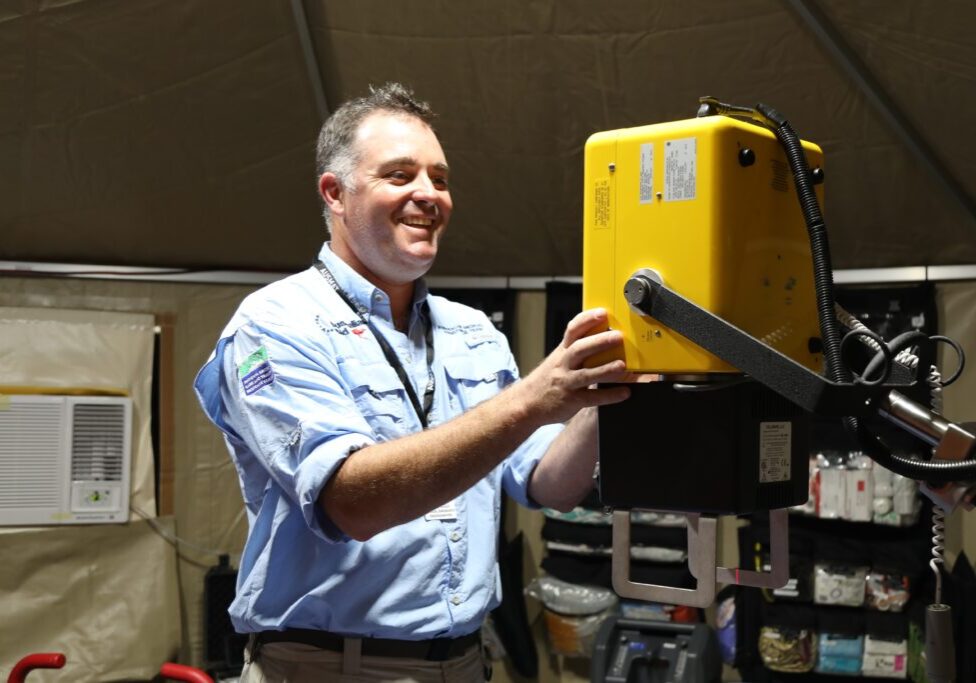
The NCCTRC’s PHOENIX program supports countries in the Indo-Pacific to strengthen pandemic preparedness and outbreak response systems and capacity. The collaboration with GOARN, and WHO WPRO reflects a shared commitment to advancing outbreak response training in the region.
Through scenario-based simulations, participants experienced the challenges of outbreak response. It provided the opportunity to work in multi-disciplinary teams, build practical problem-solving skills and strengthen networks with colleagues from across the region, while also testing decision-making in high-pressure settings.
Dr Maya Cherian, PHOENIX Director Education
Pacific participant Rolly Viga, Infection Prevention and Control Coordinator, says that the experience highlighted the value of collaboration. “I witnessed participants from multiple disciplines working together as one,” Rolly reflects. “Through this training, I’ve learnt how to work effectively with a range of specialists and engage with communities respectfully back home in the Solomon Islands.” This collaborative approach, he reflected, will strengthen how he supports his community in future outbreaks.
Similarly, Vietnamese epidemiologist Ly Thuy Trang from the Vietnam Institute of Epidemiology and Hygiene says the course broadened her perspective and will help her navigate the complexities of international response teams with greater awareness of systems, realities and leadership challenges. “This training has helped me develop practical skills and connect with colleagues from other countries. It was an incredibly valuable experience.”
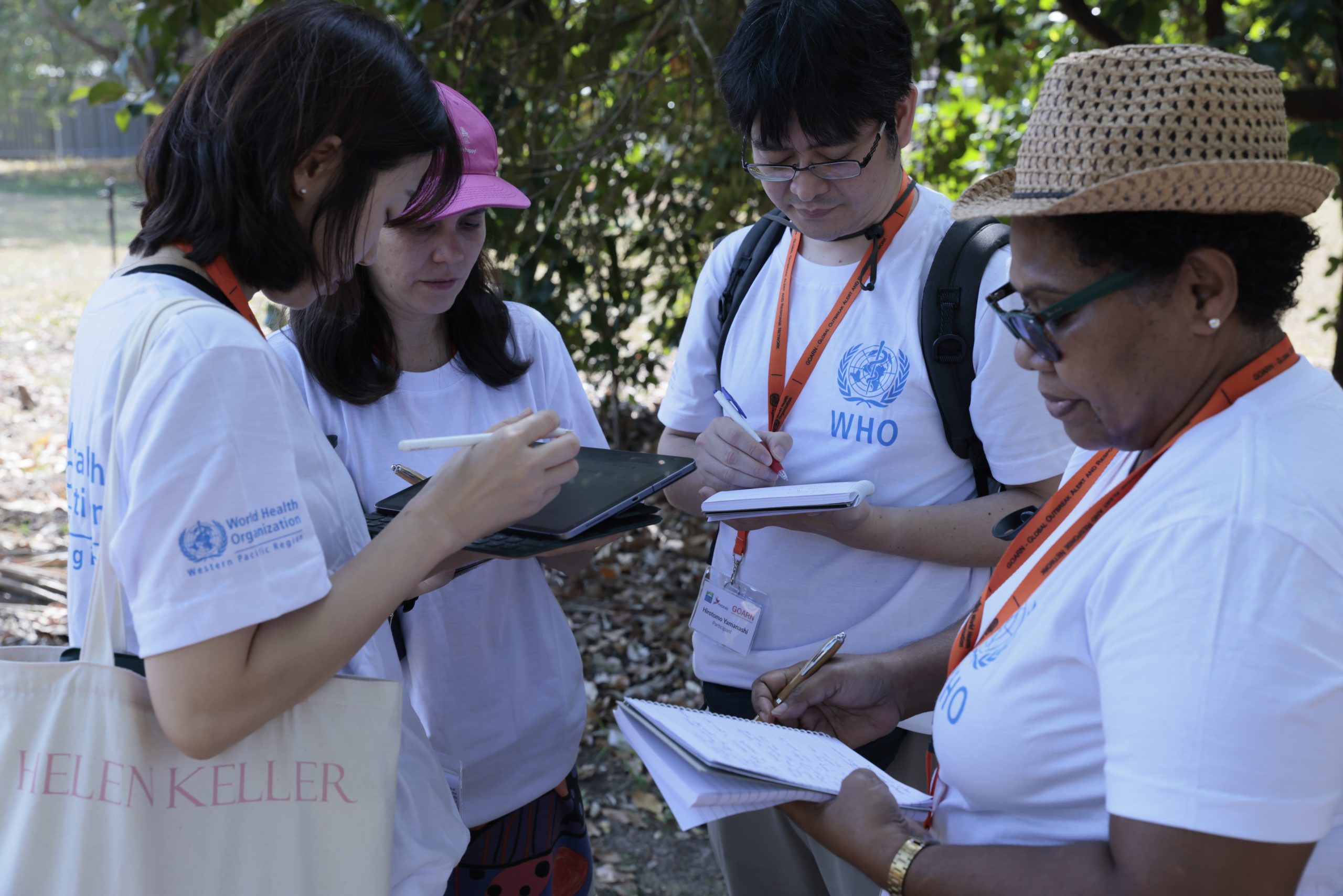
Samoa’s Ministry of Health official, Paulo Pemita, expressed his gratitude: “On behalf of Ministry of Health, I appreciate this initiative by NCCTRC’s PHOENIX team, WHO WPRO and GOARN,” Paulo says. “From a Pacific perspective, this training advances our outbreak leadership.”
Paulo, who serves as the Assistant Chief Executive Officer in Health Security, says the timing of the training was ideal for Samoa which is currently reviewing its national strategy for outbreaks and pandemics. “Coming to Darwin was a great opportunity. When I return, I’ll be integrating what I learned to better support our people.”
By providing both technical knowledge and opportunities for regional networking, the training developed personal skills while advancing a collective regional effort. It forms part of a broader initiative that highlights the importance of regional collaboration in health emergency response, ensuring countries across the region are better connected, better prepared, and able to respond together in times of crisis.
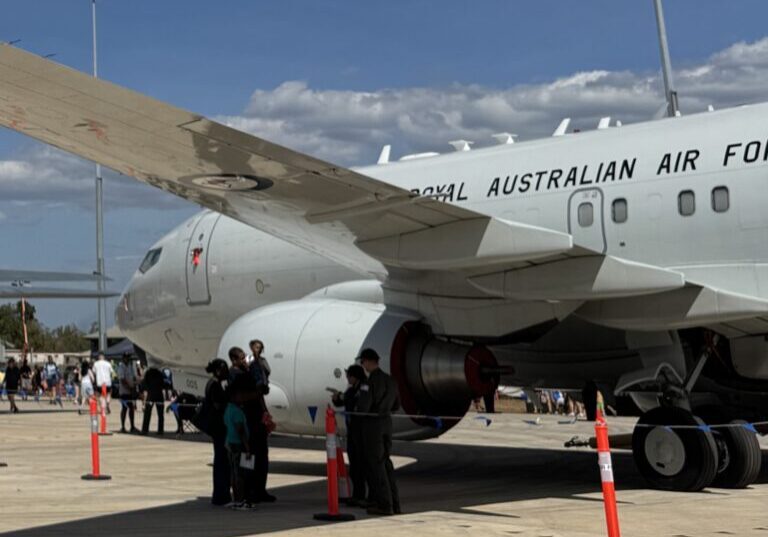
“Congratulations to all the participants on completing the training,” Dr Cherian says. “This training reflects PHOENIX’s ongoing role in supporting the region to respond to health emergencies with strength and unity.” Funded by the Australian Government Department of Foreign Affairs and Trade, PHOENIX is proud to support capacity-strengthening initiatives that bolster health security and emergency preparedness.