Building emergency preparedness in Fiji’s Northern Division
07 Sep 2026
Written by Erika Lu
Specialised emergency and critical care training in Vanua Levu, Fiji’s second-largest island, is creating new opportunities and strengthening local preparedness.
The National Critical Care and Trauma Response Centre (NCCTRC) delivered 3 courses through its Regional Engagement Program (REP): the 3-day Major Incident Medical Management and Support (MIMMS), the 2-day Hospital Major Incident Medical Management and Support (HMIMMS), and the 3-day Essentials of Critical Care (ECC) courses.
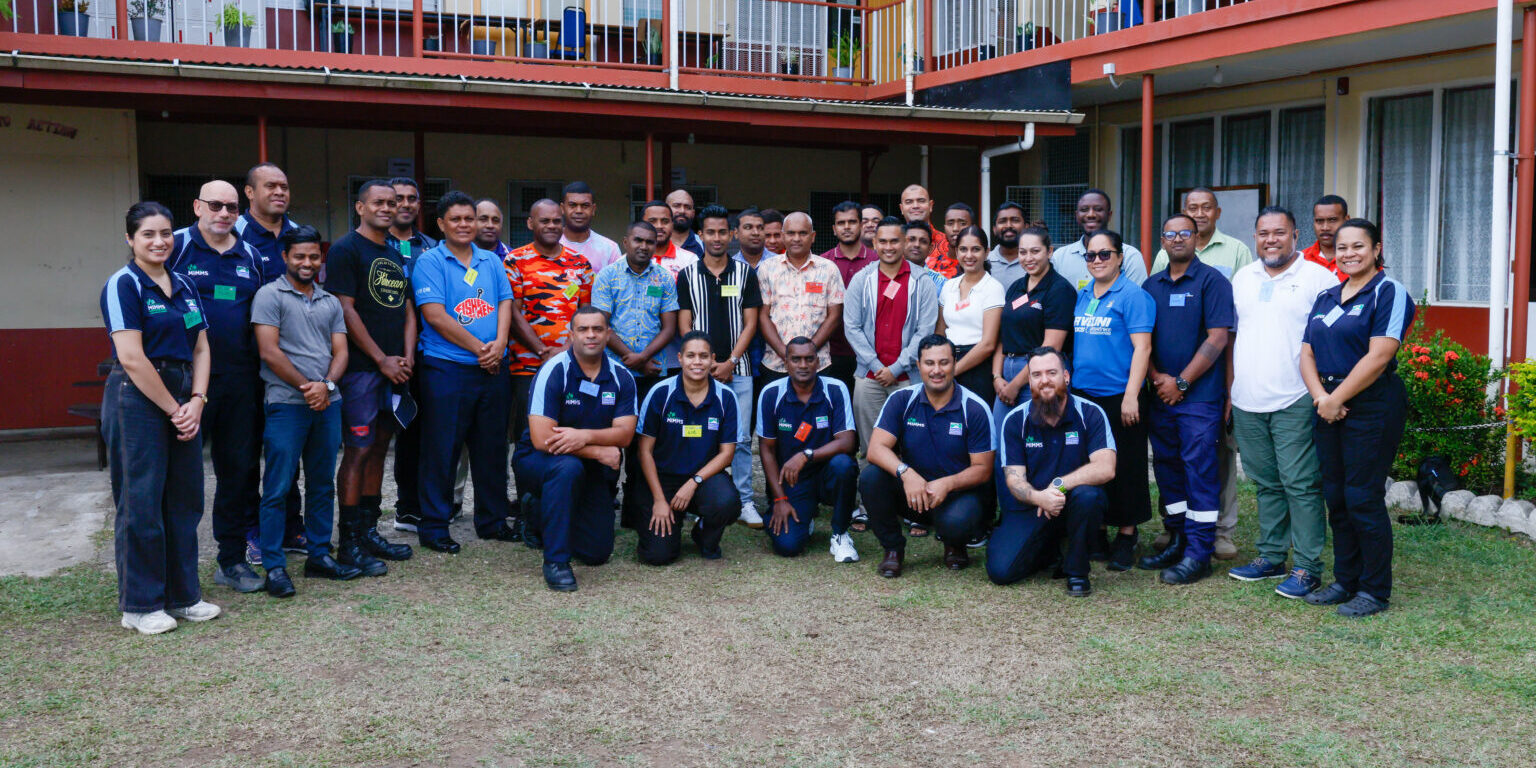
The training brought together participants from the Republic of Fiji Military Forces, National Fire Authority, Airport Rescue and Fire Service, Fiji Police Force, the Fiji Ministry of Health and Medical Services (MoHMS).
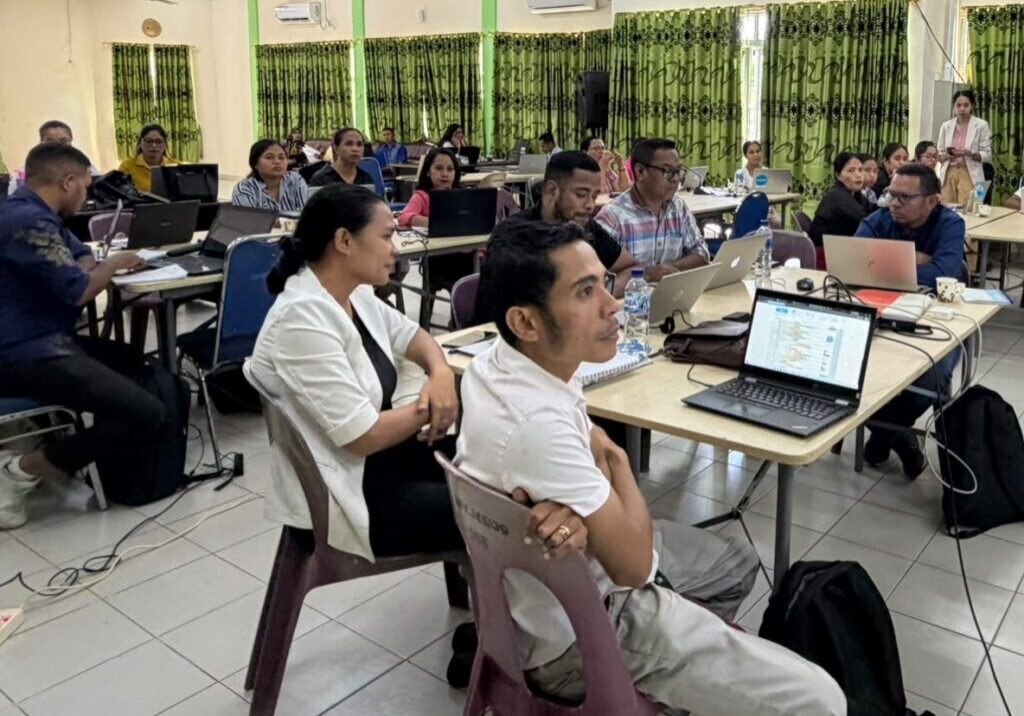
Together, participants strengthened their skills, built connections across the emergency response network, and explored how their roles contribute to major incident response and the care of critically ill patients.
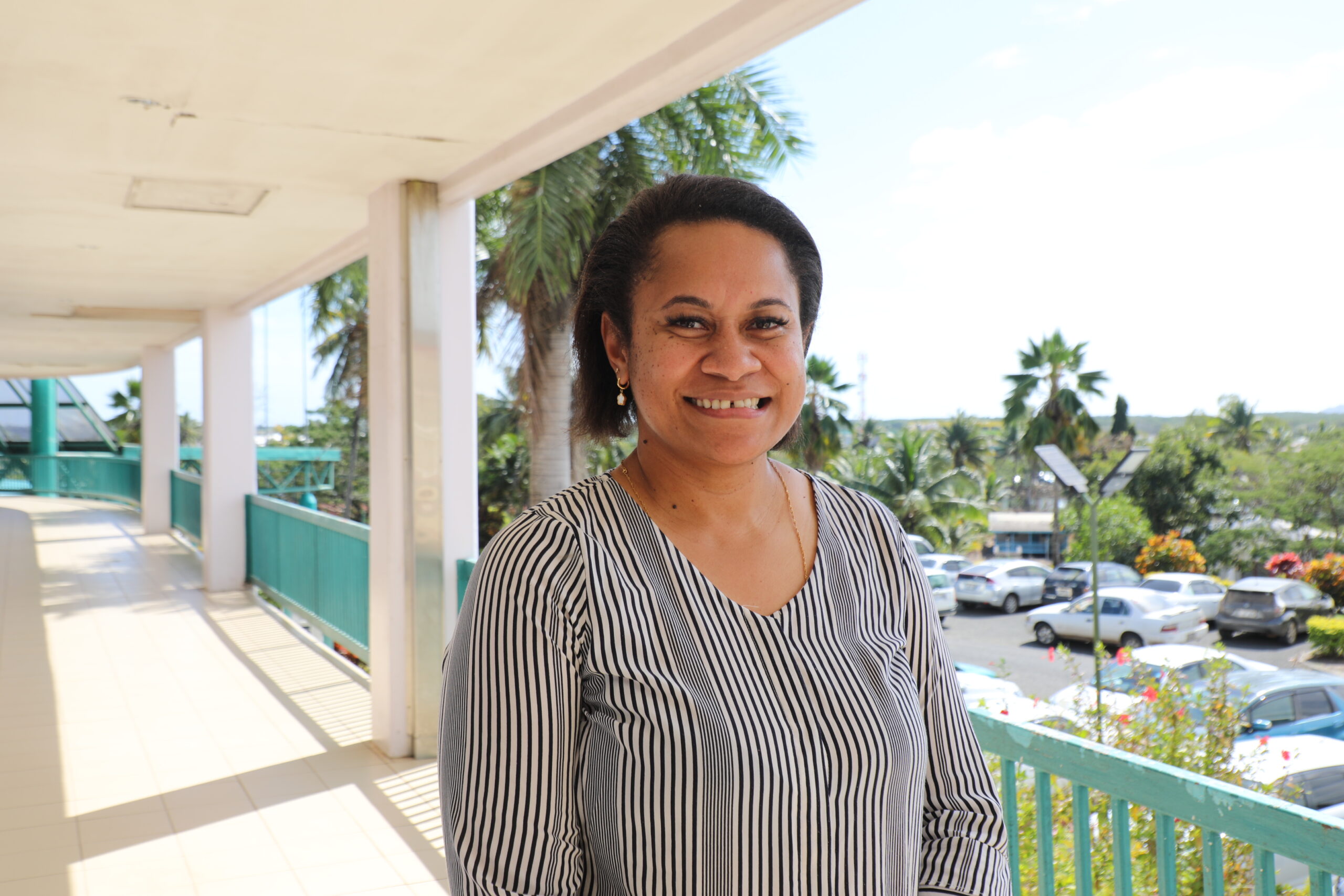
Having them trained to an international level and exposed to international expectations is a significant achievement in building local capability.
Head of the Emergency Department at Labasa Hospital and REP faculty member Dr Salote Behr
A coordinated response in the North
MIMMS and HMIMMS participants included healthcare workers and emergency responders from across the Northern Division including doctors, nurses, public health representatives, police, firefighters and pre-hospital personnel.
“Understanding each other’s roles – what they do, what we do, and appreciating their work was a great experience,” Labasa Hospital Registered Nurse and Clinical Nurse Educator Ravneel Chand shared.
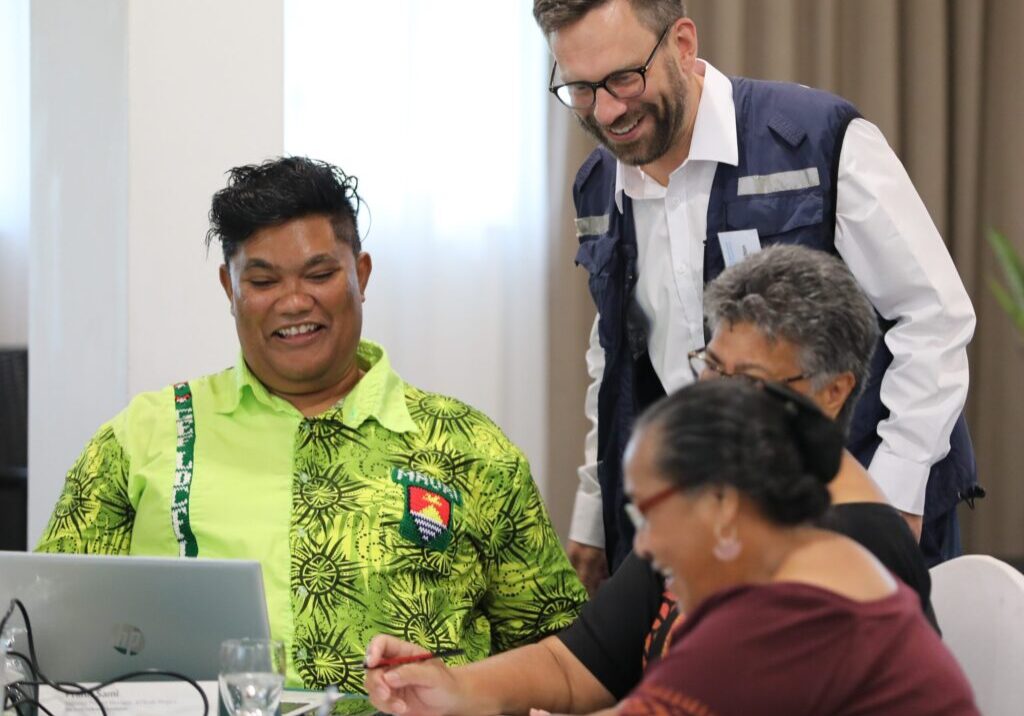
That understanding grew through the practical exercises and tabletop discussions, where participants saw how their individual roles connected to the wider response.
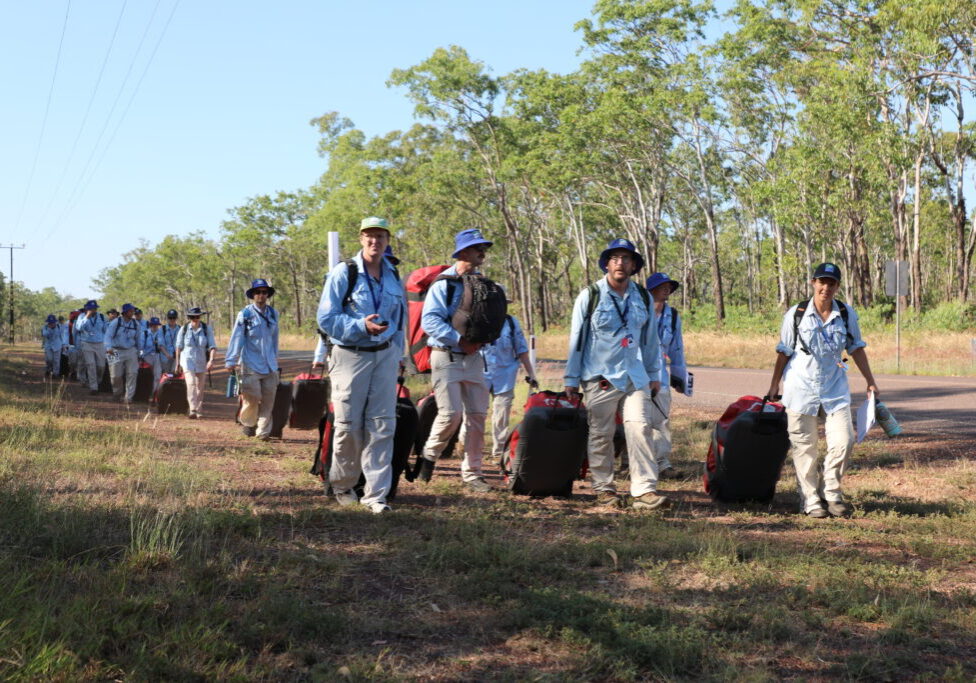
During the biennial Aviation Crash and Fire Exercise at Labasa Airport, faculty and participants led health response coordination.
“The realistic, high-pressure scenario allowed us to put MIMMS principles into practice while working with emergency responders,” Ravneel added.
It highlighted the importance of interoperability, communication and coordinated decision-making during major incidents.
For the Northern Division, bringing the training to Vanua Levu meant local healthcare workers and emergency responders could participate without travelling to Fiji’s Central or Western divisions, where specialised training has traditionally been concentrated.
“Rather than sending a limited number of participants from the North, the courses created an opportunity for local participants to train together, strengthening capability within the communities we serve.”
Ravneel captured the significance simply:
It was training delivered in the North for the North.
Strengthening care beyond the ED
Emergency Department (ED) Nurse Radhika Devi participated in both HMIMMS and ECC courses. With 11 years of nursing experience, including 9 years at Labasa Hospital, she is accustomed to the fast-paced environment of ED, where patients can present with little warning and priorities can change quickly.
“Emergency presentations can be unpredictable, so I have to be ready all the time,” Radhika explained.
HMIMMS extended her preparedness beyond the ED, giving Radhika a broader understanding of how different parts of the hospital contribute to managing a major incident.
“We had a multidisciplinary team, including doctors, nurses, pharmacists, and laboratory and HR [human resources] staff. We learned about the different yet important roles each departments plays and how we can support one other in managing a major incident at the hospital.”
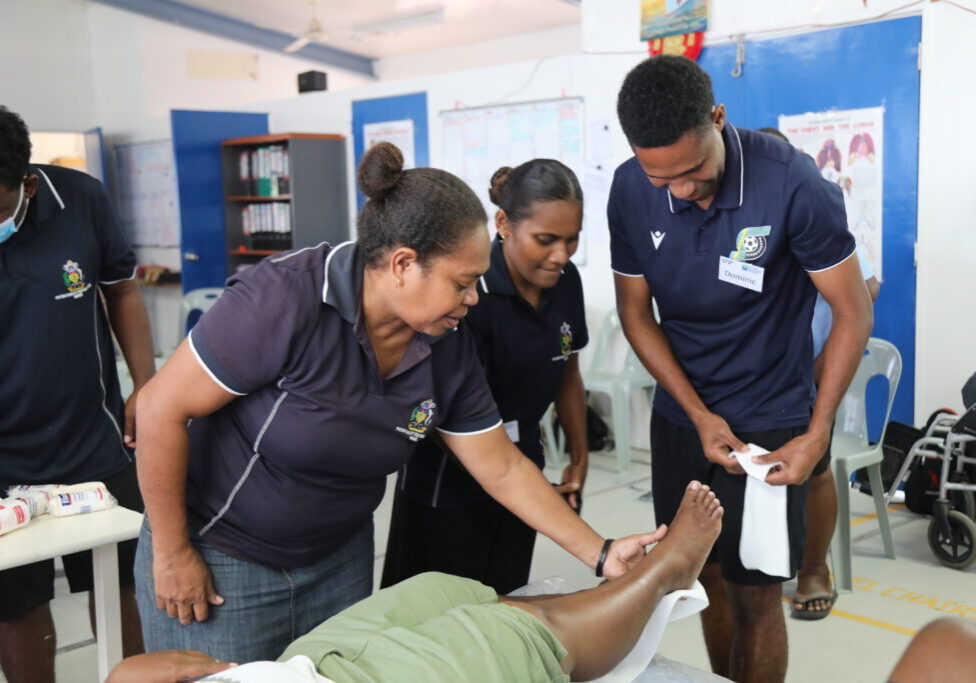
That broader understanding of hospital-wide coordination was complemented by the clinical focus of the 3-day ECC, which strengthened participants’ approach to recognising and responding to critically ill patients.
The course reinforced a structured approach to assessment and management, including airway, breathing, circulation, disability assessment, resuscitation, and recognising signs of deterioration.
“Something new to me was learning about ECGs [electrocardiograms] – the basics of how to take an ECG, how to interpret an ECG, and the importance of correct lead placement so we can detect abnormalities in our patients,” she said.
The value of the training extends beyond Radhika’s own practice. She plans to share what she learned with colleagues, particularly newer nurses in ED who may have less experience caring for critically ill patients.
“If two or three nurses get this knowledge, they can teach others as well,” she said.
“I want to share my learning during handovers, quieter periods and informal discussions to pass on key lessons.”
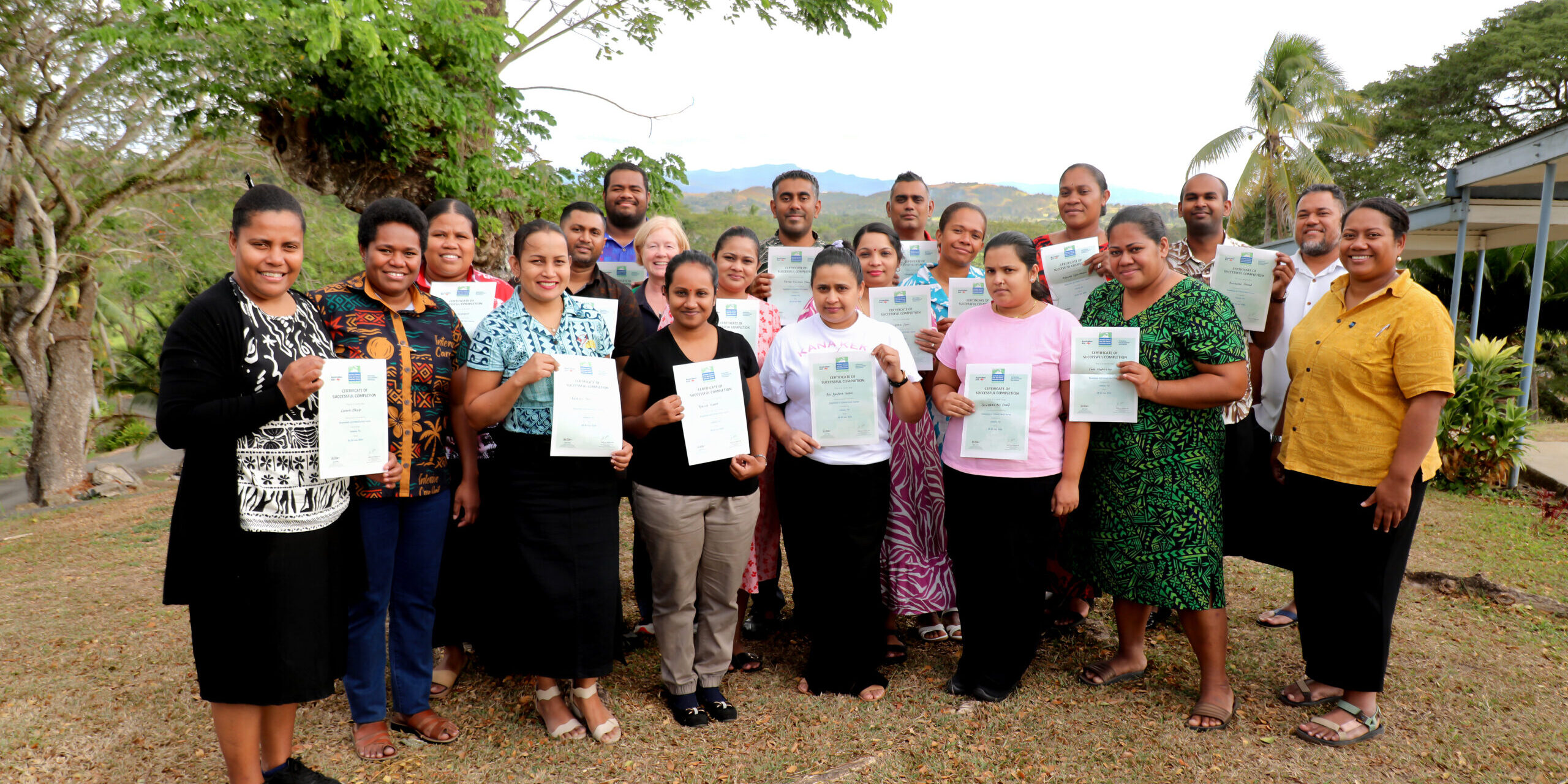
Dr Behr saw the connections develop throughout the courses. “I noticed the lightbulb moments when people think, ‘Oh, so this is why you do this. This is why I have to do this,’” she said.
Those connections are now laying a foundation for the next stage of the work. Potential instructors have been identified through the courses, with plans to develop local faculty and establish a cohort of trainers in the Northern Division.
“Hopefully we can run another training like this in the near future. After its success, we want to build on the momentum and get more people trained.”
The courses may have finished, but the impact will continue beyond the training room. Funded by the Australian Government, REP is supporting Fiji’s health emergency preparedness by investing in local capability and regional partnerships.