Rehabilitation emergency preparedness takes centre stage in the Asia-Pacific
25 Aug 2026
Written by Erika Lu
The Asia-Pacific region is renowned for its strong communities, rich cultural connections and resilience in the face of adversity. Following an emergency, recovery involves more than treating injuries. It also requires supporting people to regain independence, participate in family and community life, and return to education and employment.
To strengthen inclusive emergency responses, the National Critical Care and Trauma Response Centre's (NCCTRC) Regional Engagement Program (REP), in partnership with the World Health Organization (WHO), delivered the first regional workshop on the Rehabilitation in Health Emergency Preparedness and Response (HEPR) Toolkit in Nadi, Fiji.
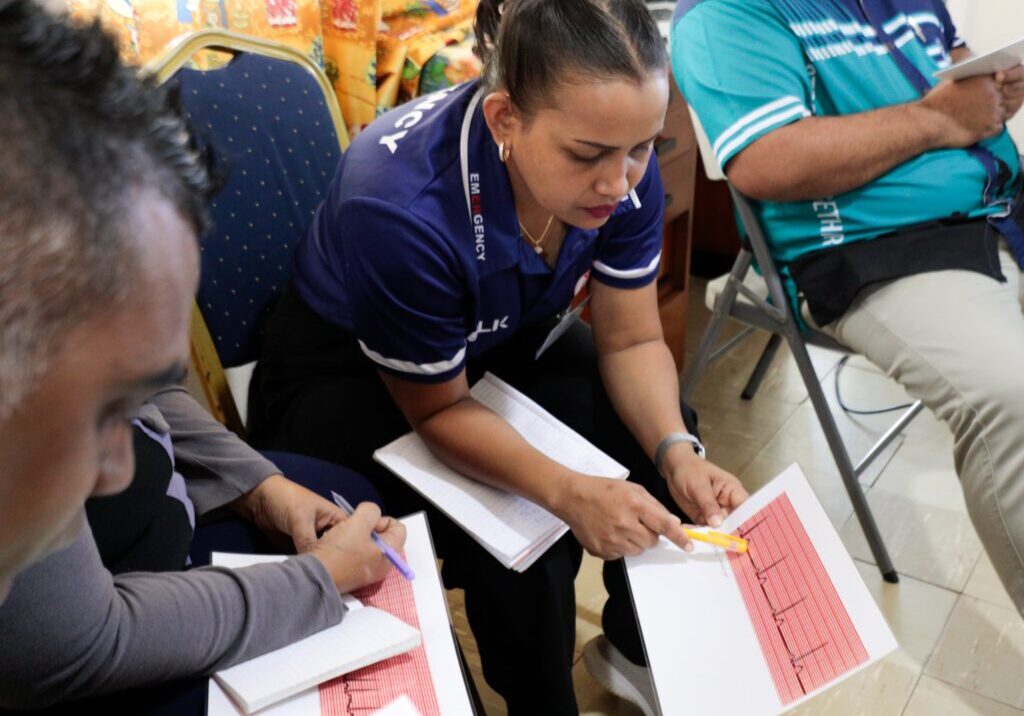
The 4-day workshop brought together 23 rehabilitation professionals and representatives from partner organisations across 12 countries.
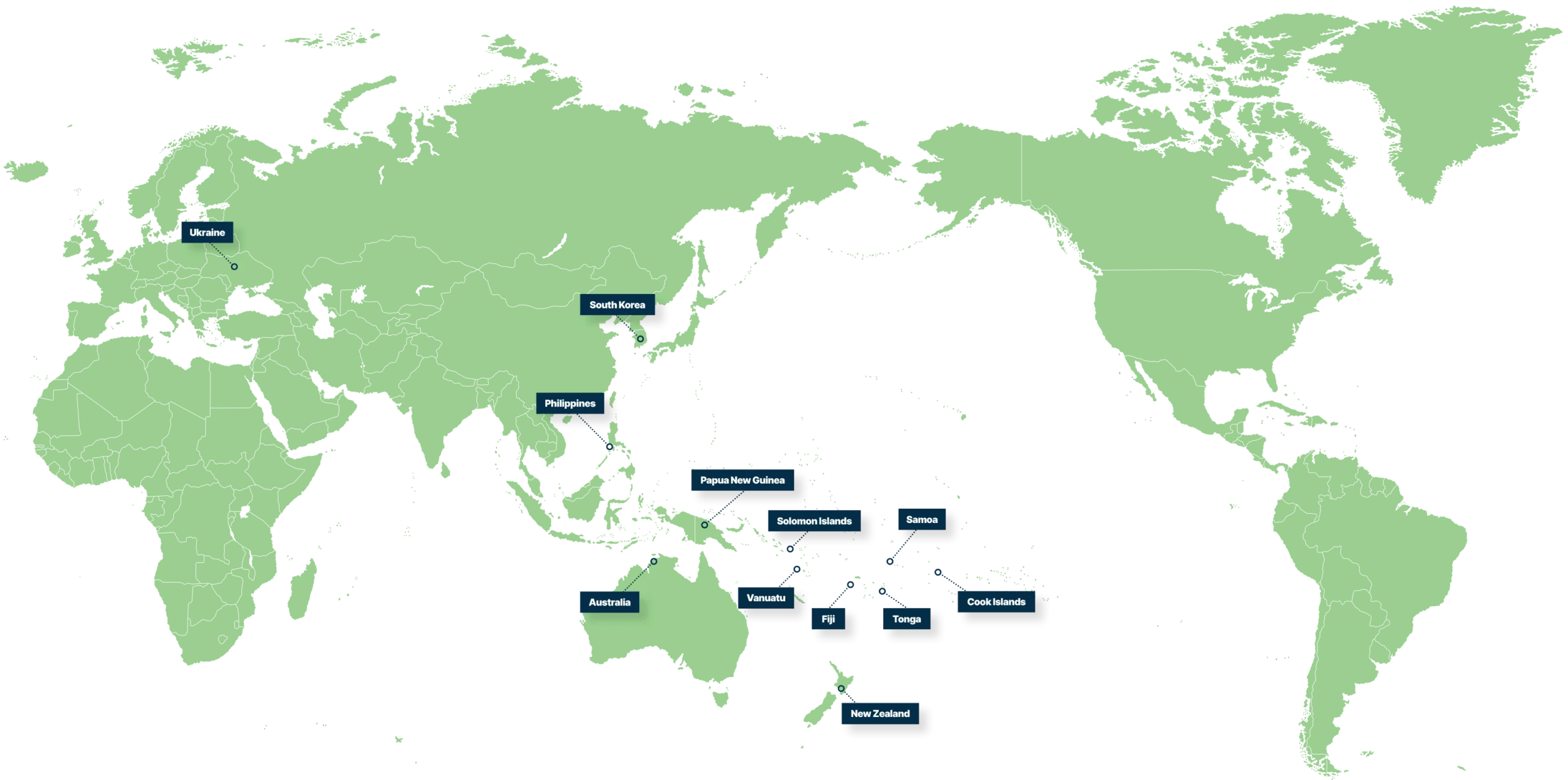
Supported by the NCCTRC REP, 12 rehabilitation professionals from Fiji, Papua New Guinea, Samoa, Solomon Islands, Tonga, Vanuatu and Australia were sponsored to participate alongside local and regional health practitioners, emergency managers and public health leaders.
The Rehabilitation in HEPR Toolkit
Health emergencies routinely create a surge in rehabilitation needs while simultaneously disrupting the essential services people rely on. WHO led the development of the Rehabilitation in HEPR Toolkit in response to the need for practical guidance for health services working to strengthen rehabilitation preparedness.
“Rehabilitation makes a significant and important contribution to health emergency preparedness and response,” said Erica Bleakley, NCCTRC Allied Health and Rehabilitation Coordinator, who was seconded to the WHO Emergency Medical Teams (EMT) Secretariat in Geneva, Switzerland.
Due for publication in late 2026, the toolkit provides a series of steps and tools to guide health services to assess their current level of preparedness and develop an action plan.
It supports services to prepare for increased rehabilitation needs during emergencies while maintaining essential rehabilitation services.
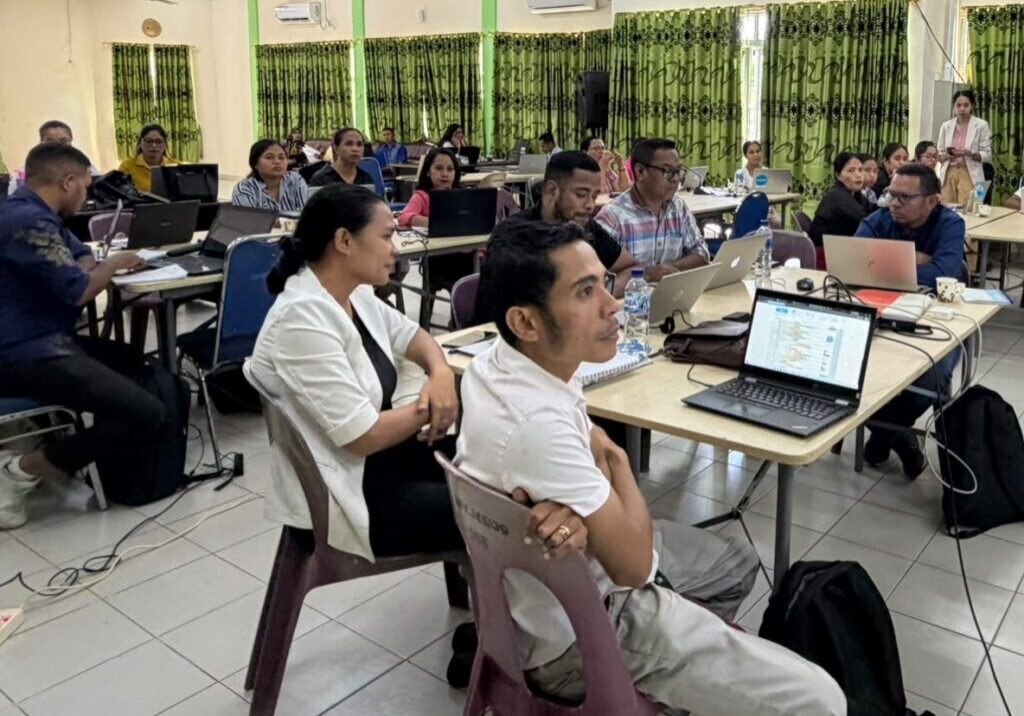
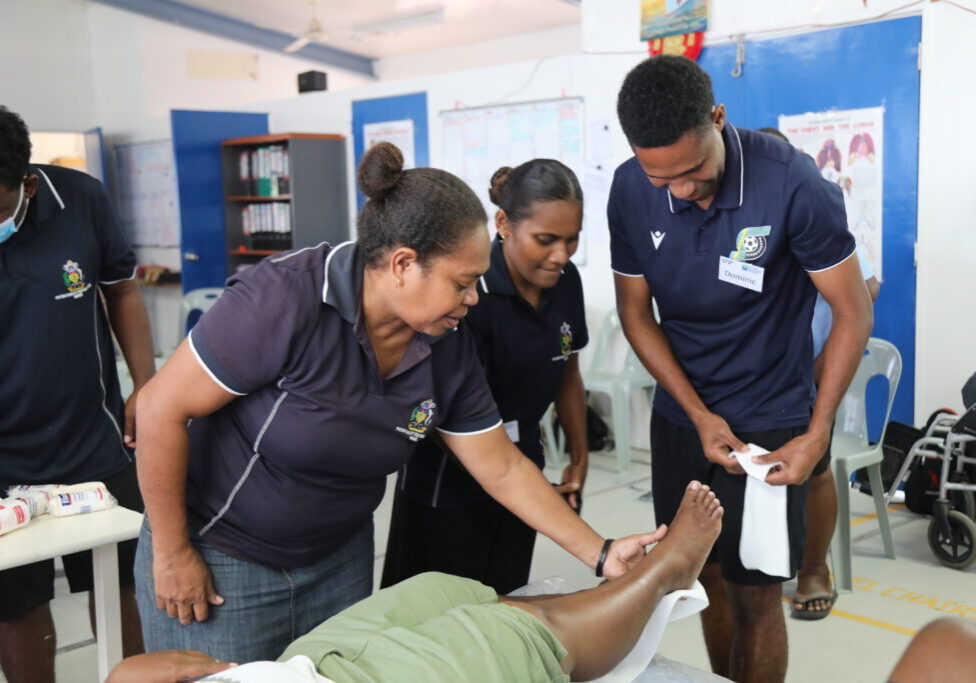
The workshop introduced participants to the toolkit and its application in health emergency settings. Through practical exercises, case studies and peer learning, participants explored how the toolkit could be translated into practical actions within their countries’ health systems.
Sharing experiences, strengthening systems
Beyond the technical sessions, the workshop created space for participants to share experiences, compare challenges and explore practical solutions.
While health systems and resources differ across the Asia-Pacific, participants identified common challenges, including limited rehabilitation workforces, competing priorities and the need to better integrate rehabilitation into emergency planning.
For Samoa Ministry of Health Acting Chief Executive of Clinical Support and Rehabilitative Services Epenesa Pouesi Young, the workshop reinforced the importance of viewing rehabilitation as a core part of disaster preparedness rather than a service introduced after an emergency.
This workshop has changed the way I think about rehabilitation in emergencies. It highlighted the importance of planning for rehabilitation before disasters occur, ensuring the right people, equipment, space and systems are in place to support communities.
One of the lessons she will take back to Samoa is the importance of the 4 S's: staff, supplies, space and systems – the foundations essential to ensuring that rehabilitation is incorporated into emergency preparedness and response.
“Attending this workshop has given me practical tools and greater confidence to advocate for rehabilitation within emergency planning,” Fijian Senior Physiotherapist Sarote Nakaora said.
She plans to apply her knowledge to support the development of Fiji’s emergency rehabilitation response plan and strengthen the voice of rehabilitation in disaster preparedness.
The exchange also broadened perspectives beyond rehabilitation itself. Vanuatu Medical Assistance Team (VANMAT) member and psychiatrist Dr Jimmy Obed said learning alongside rehabilitation professionals and partner organisations highlighted the importance of considering the whole person throughout all phases of emergency response.
“As a psychiatrist, this workshop has highlighted the importance of inclusive emergency planning. Rehabilitation is about supporting the whole person – including people living with disability and other vulnerable groups – and ensuring they are considered throughout disaster preparedness and response."
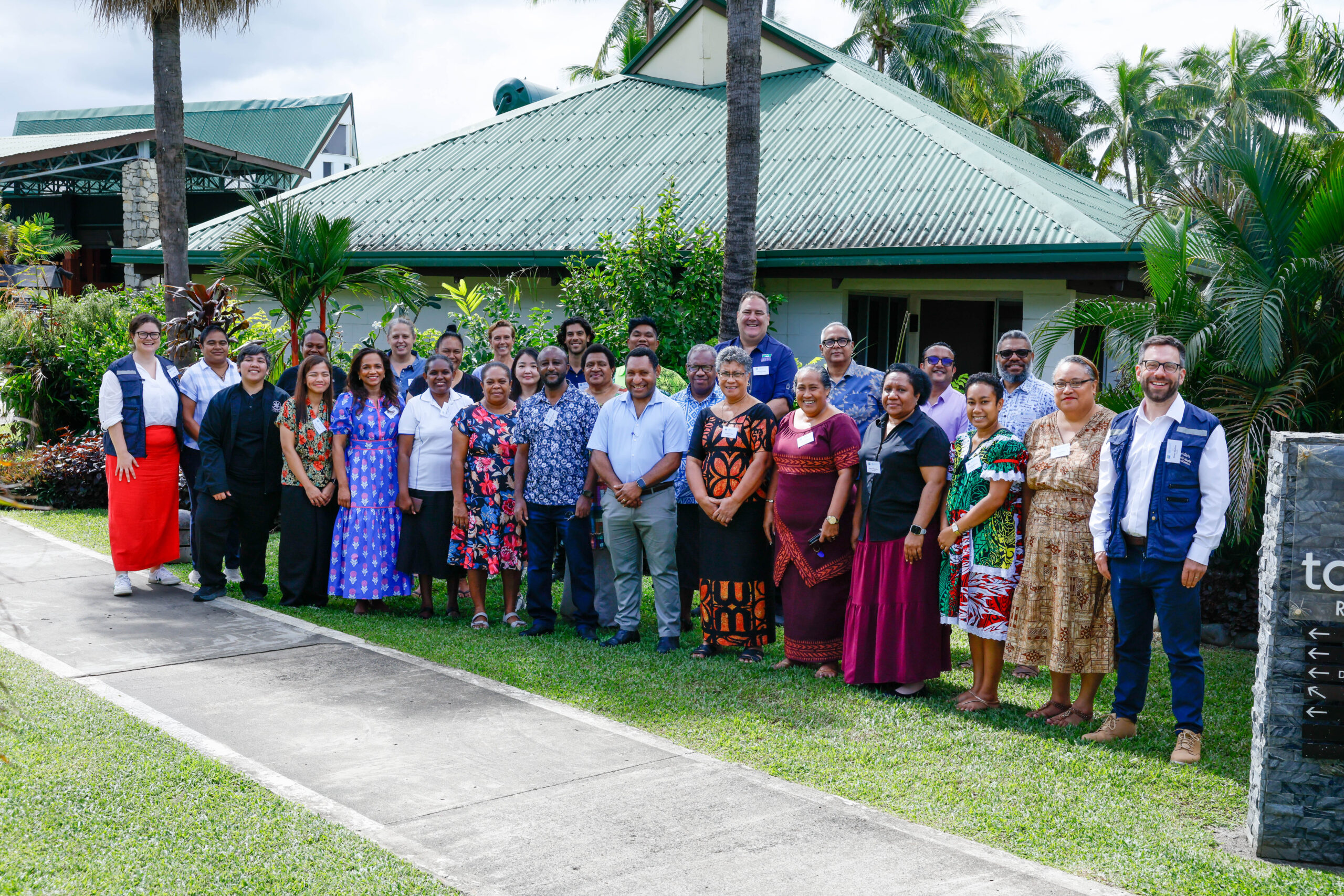
The Rehabilitation in HEPR Toolkit workshop reflects ongoing regional efforts to strengthen health emergency capacity across the Asia-Pacific through regional collaboration, shared learning and practical capacity building.
As the region continues to face increasingly complex health challenges, integrating rehabilitation into emergency planning can contribute to efforts in saving lives and reducing morbidity, while improving functional outcomes and supporting people to re-engage in meaningful occupations such as family life, education and employment.
This pilot workshop will contribute to the broader global implementation of the toolkit, carrying regional perspectives into efforts to strengthen rehabilitation emergency preparedness well beyond the region.