AUSMAT spotlight on Ben Schmidt: from firefighting to supporting EMTs and beyond
04 Oct 2025
Written by Erika Lu
Logisticians are often described as the backbone of an AUSMAT mission — ensuring that wherever the team is deployed, operations run safely, smoothly and effectively.
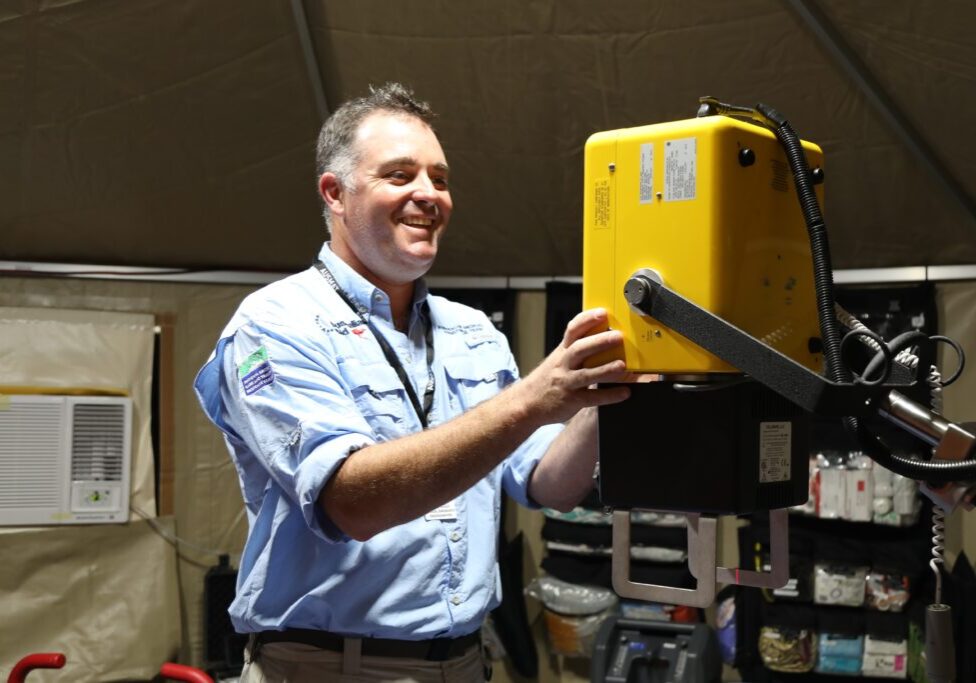
Firefighter and Senior AUSMAT Logistician Ben Schmidt has been an integral part of AUSMAT since 2012 bringing his calm, capable presence to deployments and training. Whether leading logistics on a deployment, mentoring new teams or supporting colleagues behind the scenes, Ben embodies the quiet strength and adaptability that makes AUSMAT effective.
Typhoon Haiyan struck the Philippines in 2013. It was one of the most powerful storms ever recorded, and Ben was part of AUSMAT’s first Emergency Medical Team (EMT) Type 2 Surgical Field Hospital deployment.
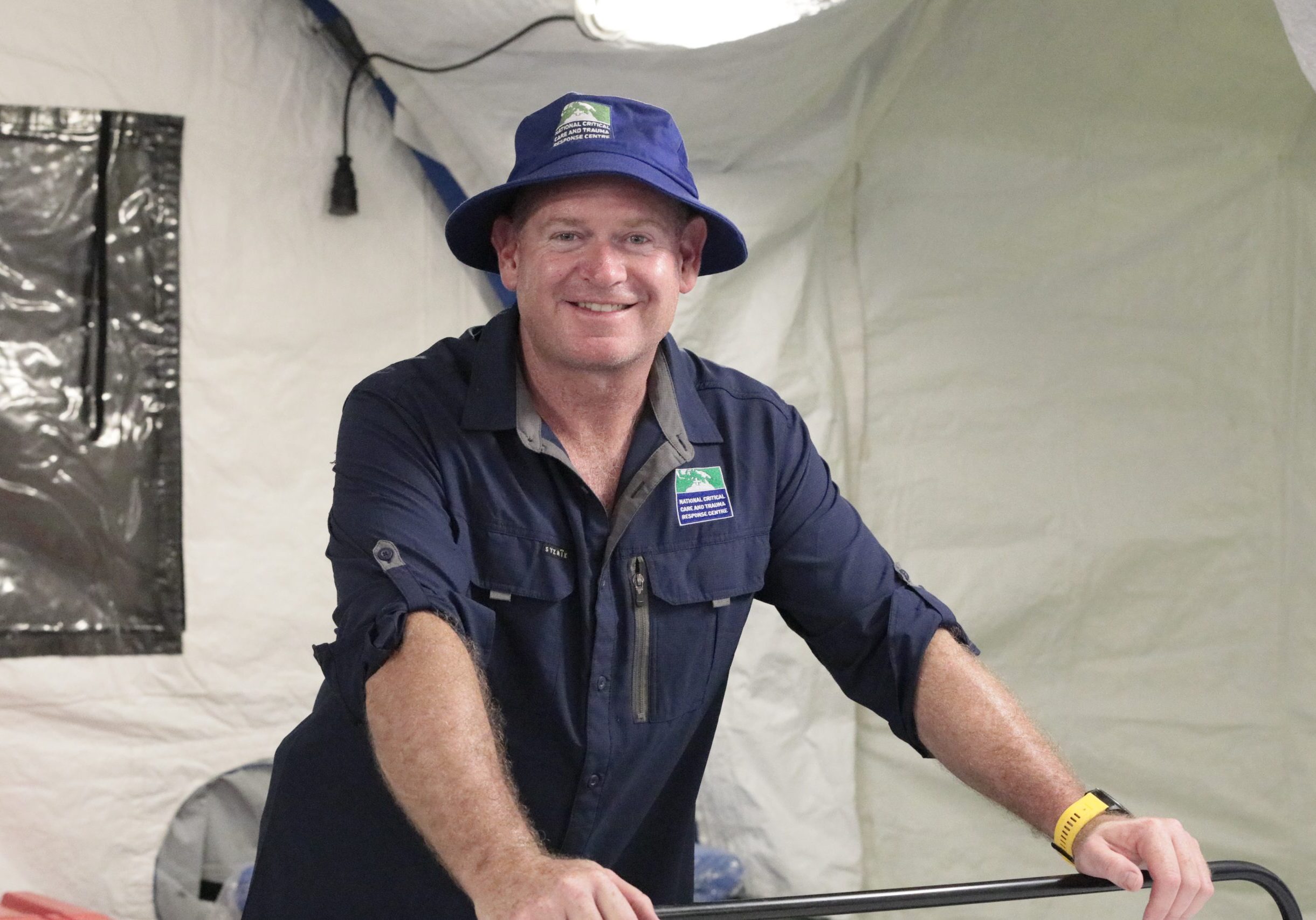
“I arrived in Tacloban and supported the general logistics including the setup of the AUSMAT EMT Type 2 Surgical Field Hospital and the water distribution,” Ben recalls. “That deployment taught me lessons that shaped me as a logistician, including the WASH program (water, sanitation and hygiene) in field hospitals, which I share with colleagues and EMTs I work with.”
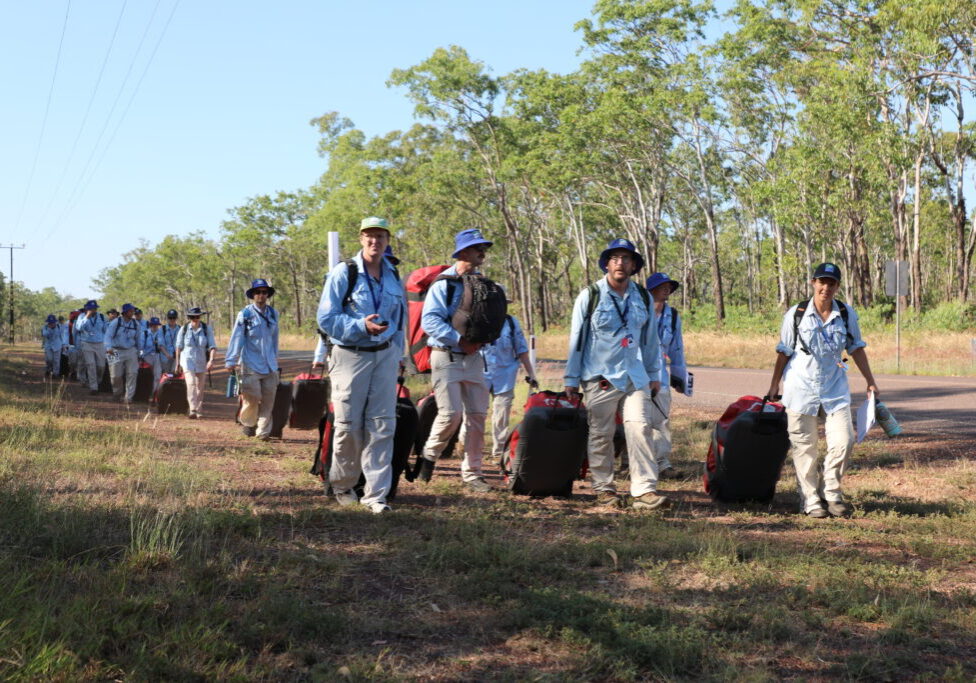
In 2020, Ben helped establish the Howard Springs COVID-19 International Quarantine Facility. "I applied AUSMAT principles to the setup – from guiding people to the right zones to funnelling traffic to prevent the spread of COVID-19. It was incredible to see the facility operational in just 48 hours."
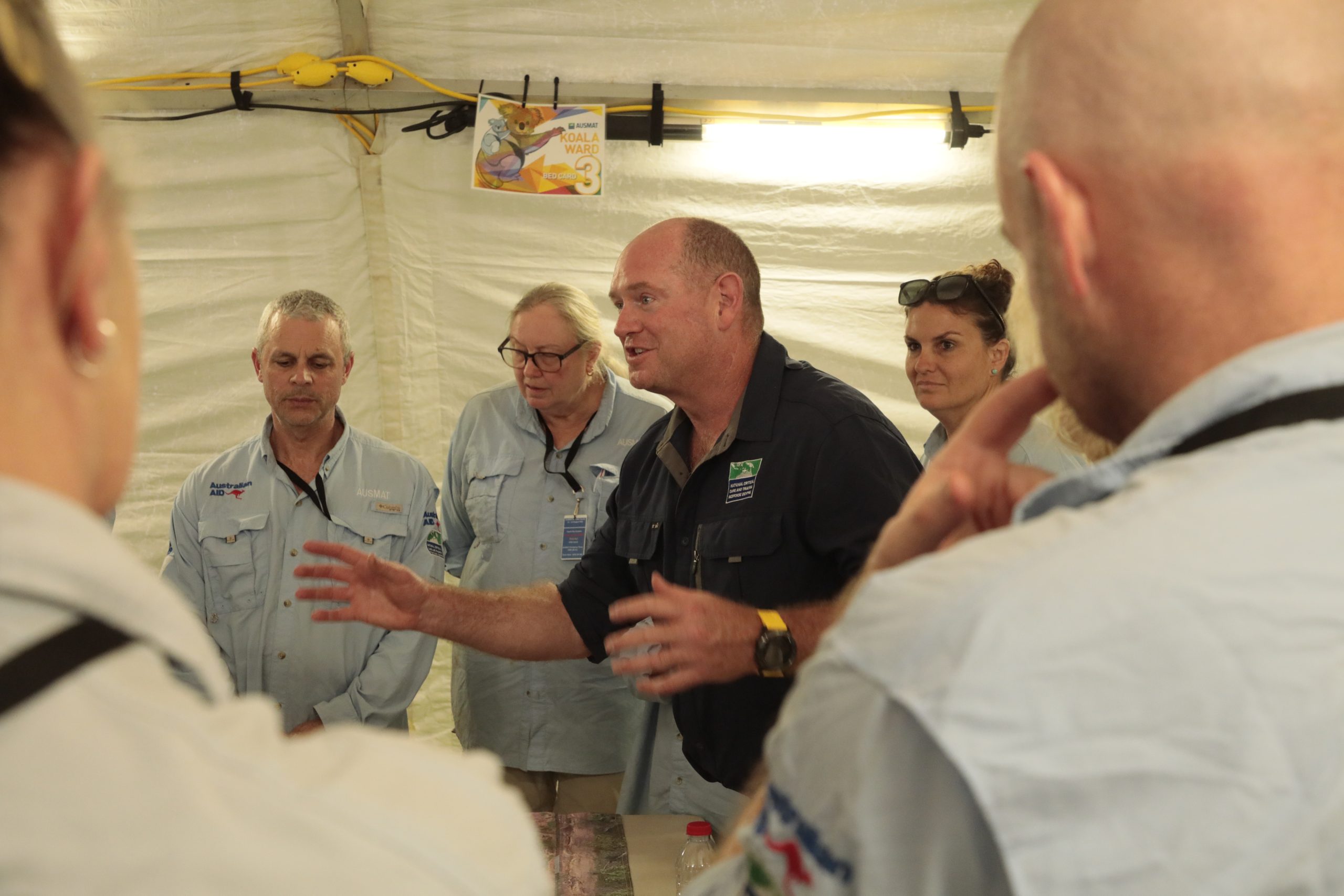
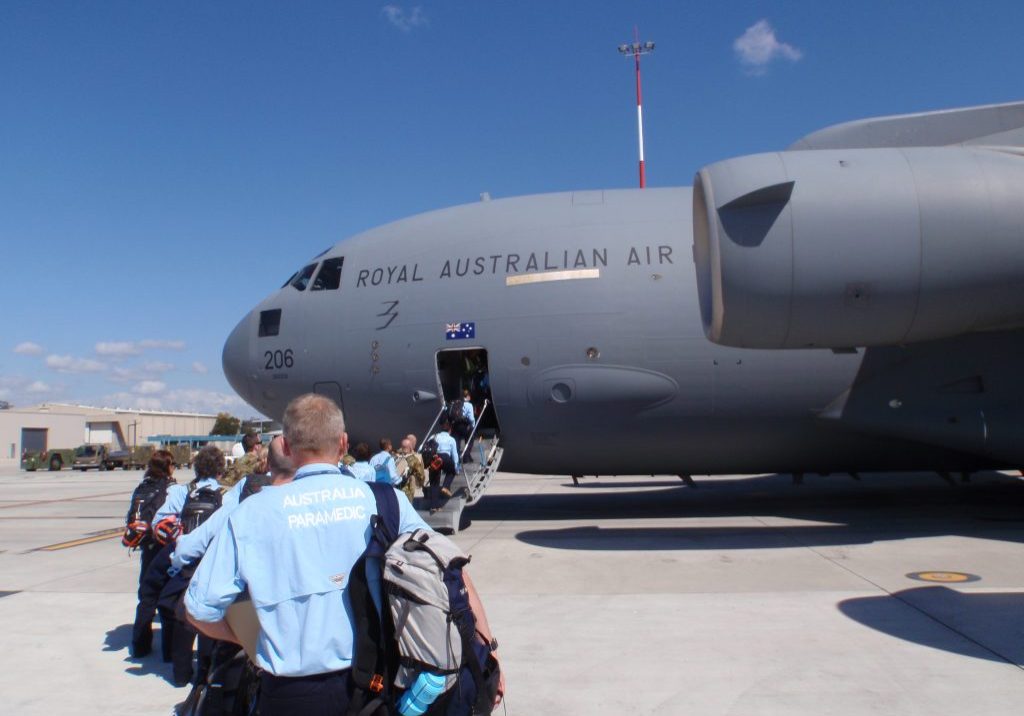
More recently, he served as lead logistician when AUSMAT supported the 2025 earthquake response in Myanmar. The team provided strategic advice, assessed immediate health needs and guided the prioritisation of assistance. Together, these experiences gave Ben a deeper perspective and practical knowledge that he brings to every AUSMAT deployment.
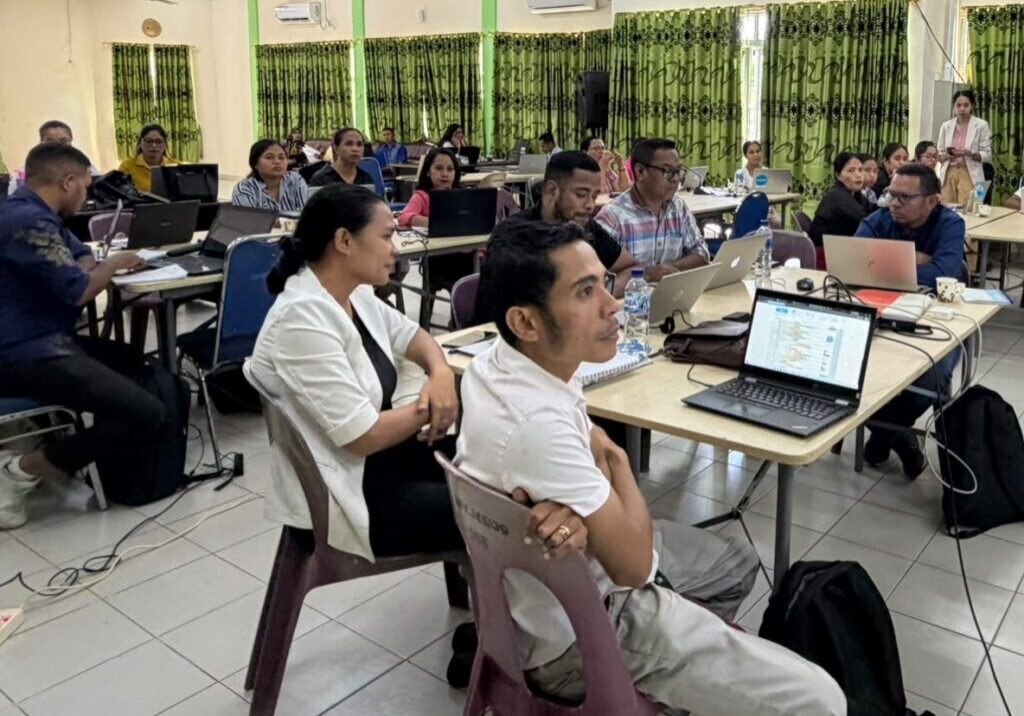
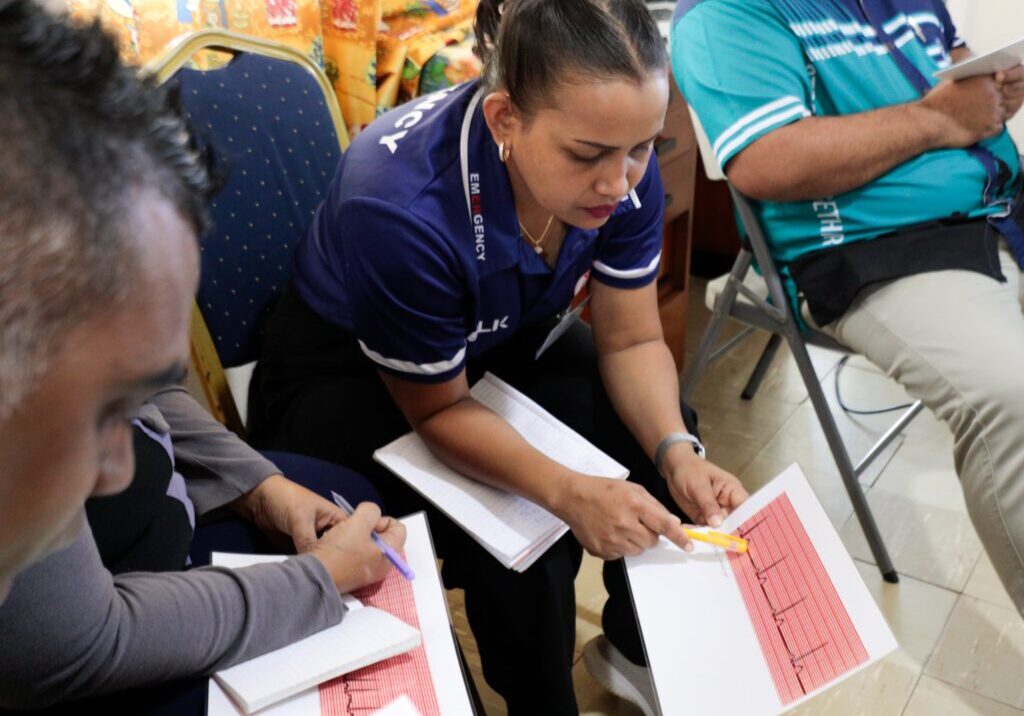
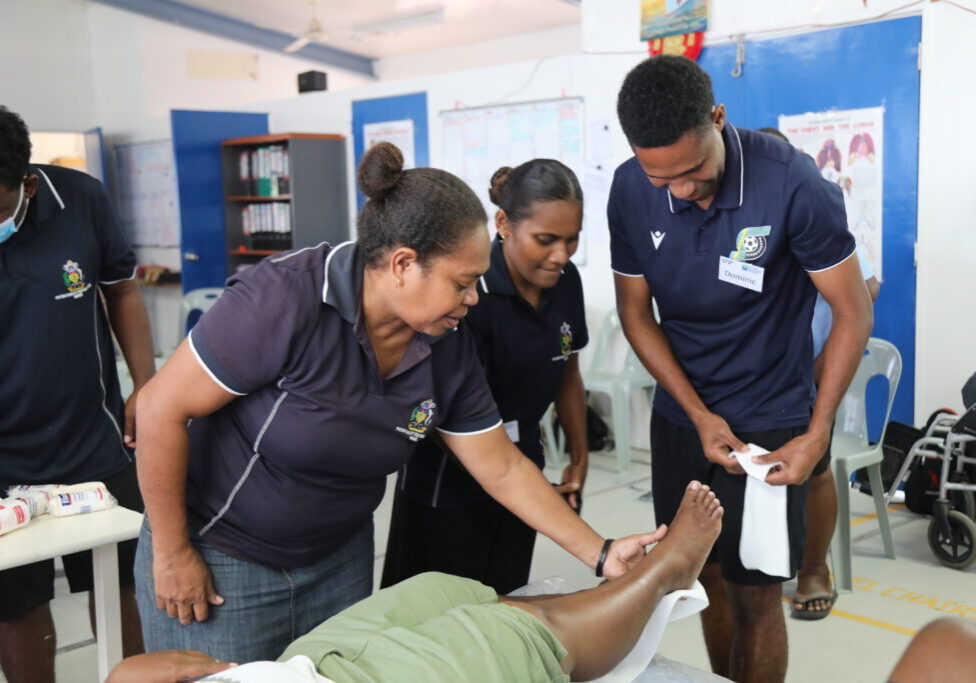
Ben’s role has expanded well beyond logistics duties. He has taught on courses and supported EMTs across the Asia-Pacific region, supporting teams strengthen the skills needed for future deployments. A standout experience for Ben was the Regional EMT Interoperability Forum in Fiji, where eight EMTs from the Pacific came together to collaborate, exchange insights and enhance regional readiness. “It was amazing to see teams that I’d helped train years ago now fully operational, deploying and sharing their stories with others just starting the journey,” he recalls.
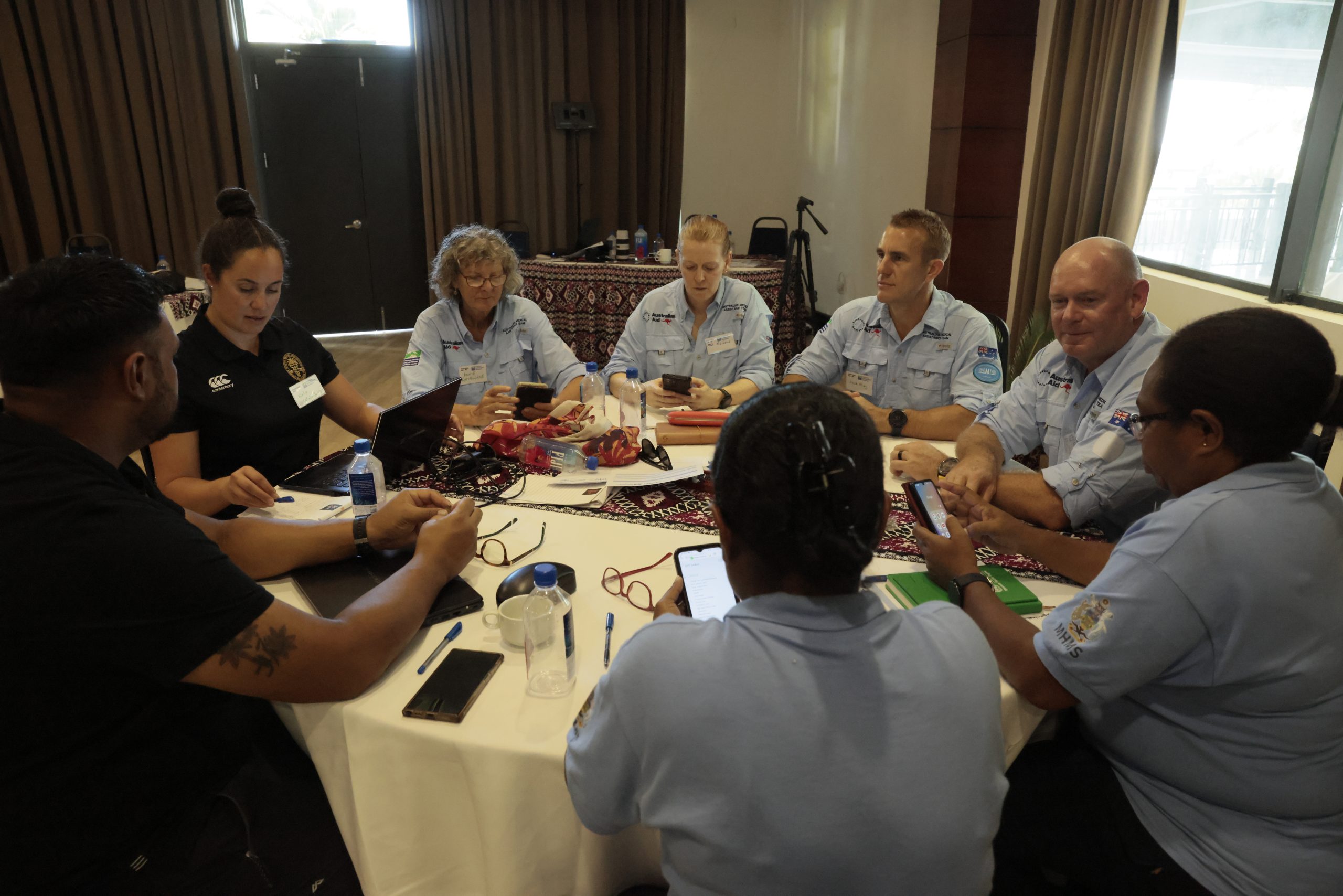
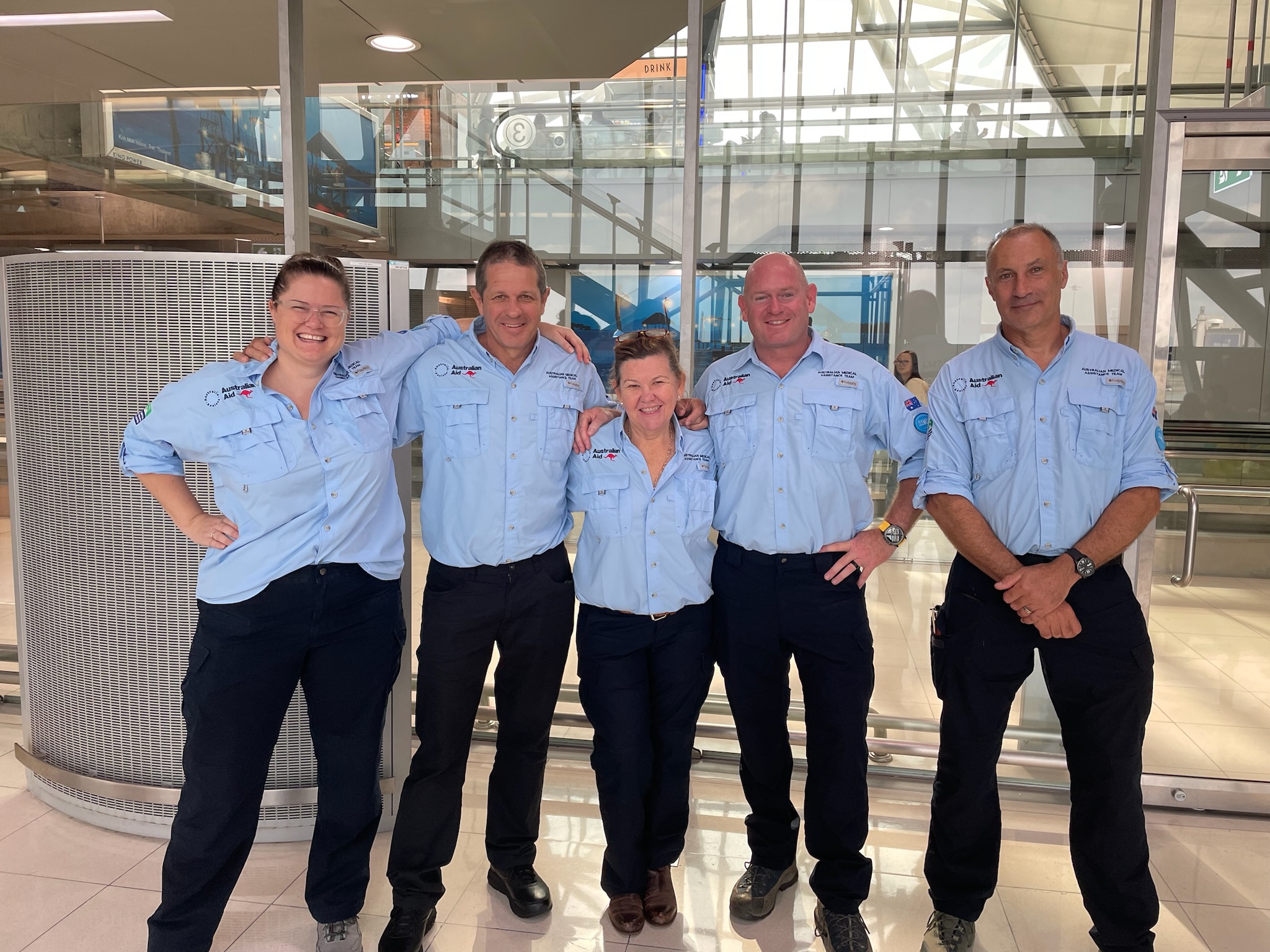
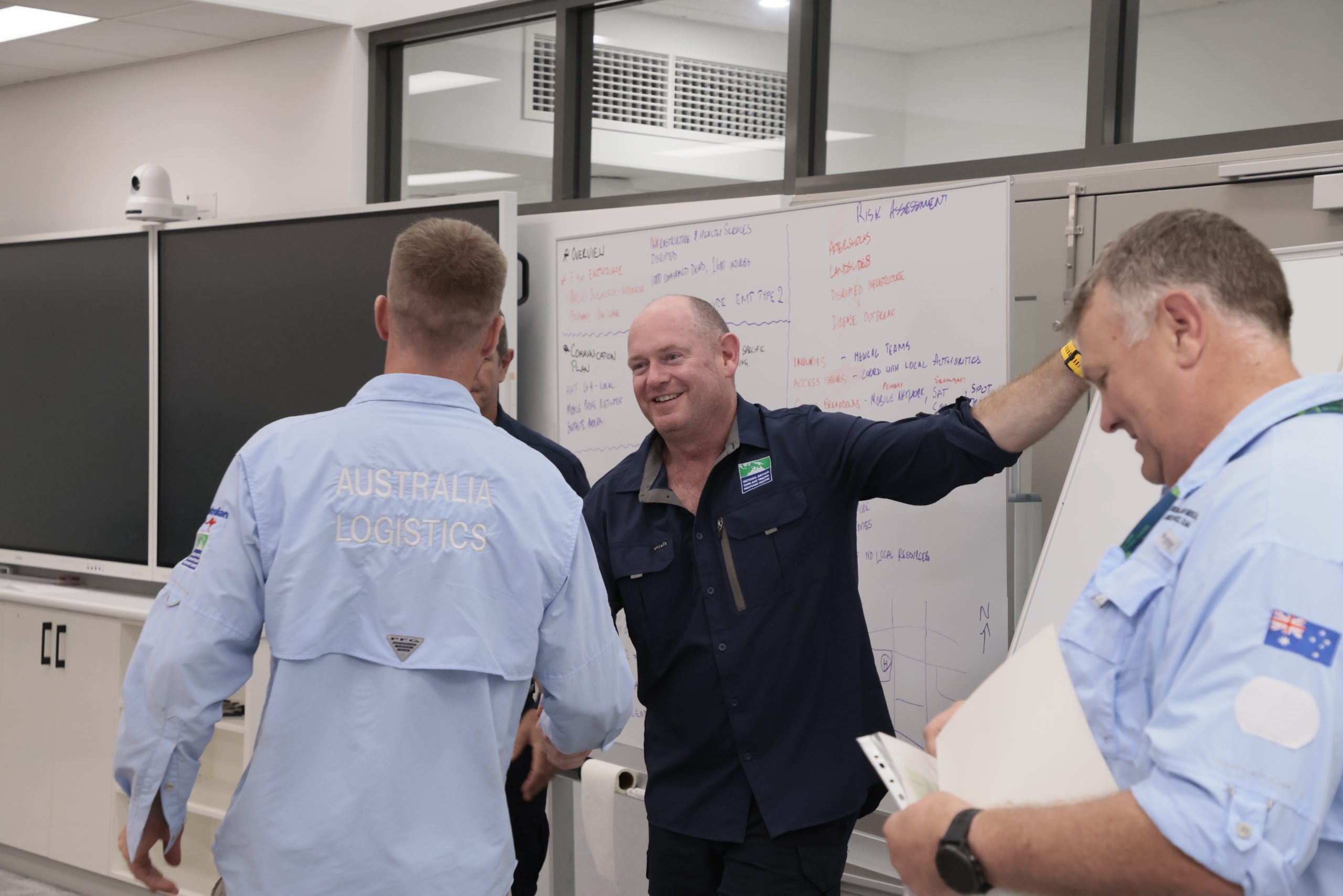
His long-standing connection with the Fiji Emergency Medical Assistance Team (FEMAT) began during AUSMAT’s COVID-19 deployment to the country and has grown ever since. “We shared our experiences about oxygen provision, ventilators and patient movement, supporting local healthcare staff and sharing ideas.”
The 2021 deployment focused on delivering education programs to strengthen local healthcare staff in central and regional health clinics. “To go back and see the same people leading and training now — that’s incredibly rewarding. You see real growth. These countries are doing incredible work in really challenging environments.”
Building on these regional experiences, Ben has also contributed as a global mentor through the World Health Organization EMT Mentorship Program. After training in Geneva in 2019, he went on to support teams in Malaysia, Thailand and Fiji.
“That opened my eyes to how we all fit into the global EMT system,” he says. Understanding the governance, standards and how EMTs are verified is crucial for mentoring and guiding new teams.”
A large part of Ben’s success comes from his approach to cultural respect and adaptability. Before each deployment, he takes the time to learn about local customs, religious practices and languages so the team can integrate respectfully with the community they support.
“Our job is never to take over, it's to support,” he says. “Learning basic phrases and knowing what to avoid saying or doing makes a huge difference when you’re working alongside local health workers and communities.”
He speaks fondly of morning prayer rituals in Pacific nations. “I love how it brings people together. It’s a beautiful, grounded way to start the day.”
Ben’s background as a Senior Station Officer with Fire Rescue Victoria gives him a unique edge. “There’s crossover in emergency management, structure, communications and critical decision-making.”
These experiences, combined with his mentoring and training roles, have shaped Ben’s philosophy of what makes a great logistician. “Trade backgrounds are a huge plus — electricians, plumbers and mechanics. But more than anything, it’s about understanding how to support your team and stay calm under pressure.”
Reflecting more broadly on what makes a great AUSMAT member, Ben keeps it simple: “Resilience, adaptability, a strong sense of team. The best people are good communicators, but even better listeners. They know how to work hard but still have a laugh when they can."
We're not there to be in charge. We’re there to make sure the whole team can do what they came to do.
Away from AUSMAT, Ben balances his professional life with family time, fly fishing and hiking in Victoria’s high country or the rivers of New Zealand. “I’ve got two teenage daughters who still like hanging out with me — so I’ll take that as a win,” he laughs.