One region, many voices: EMTs gather in Fiji to strengthen Pacific partnerships

09 Jul 2025

Written by Carla Yeung

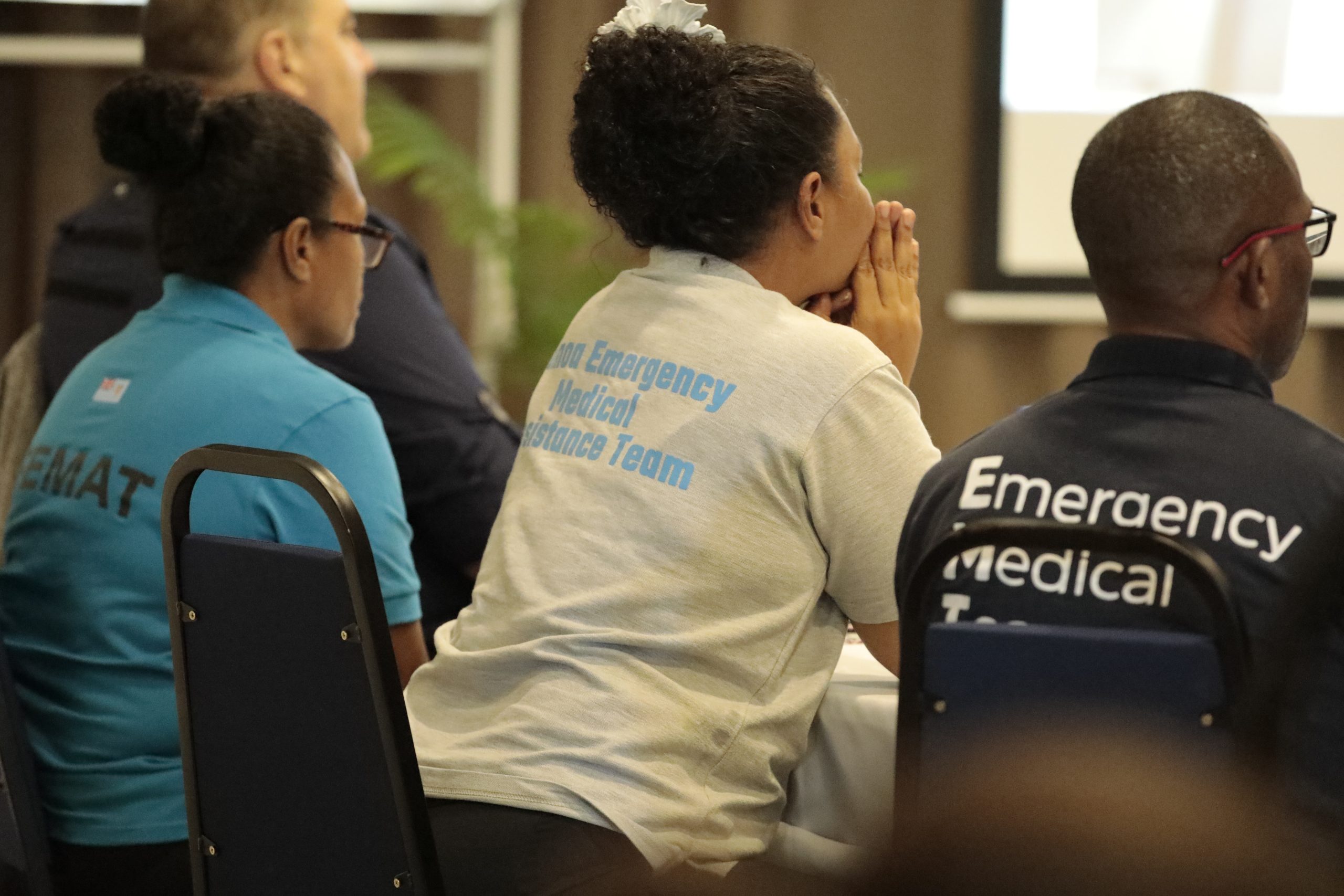
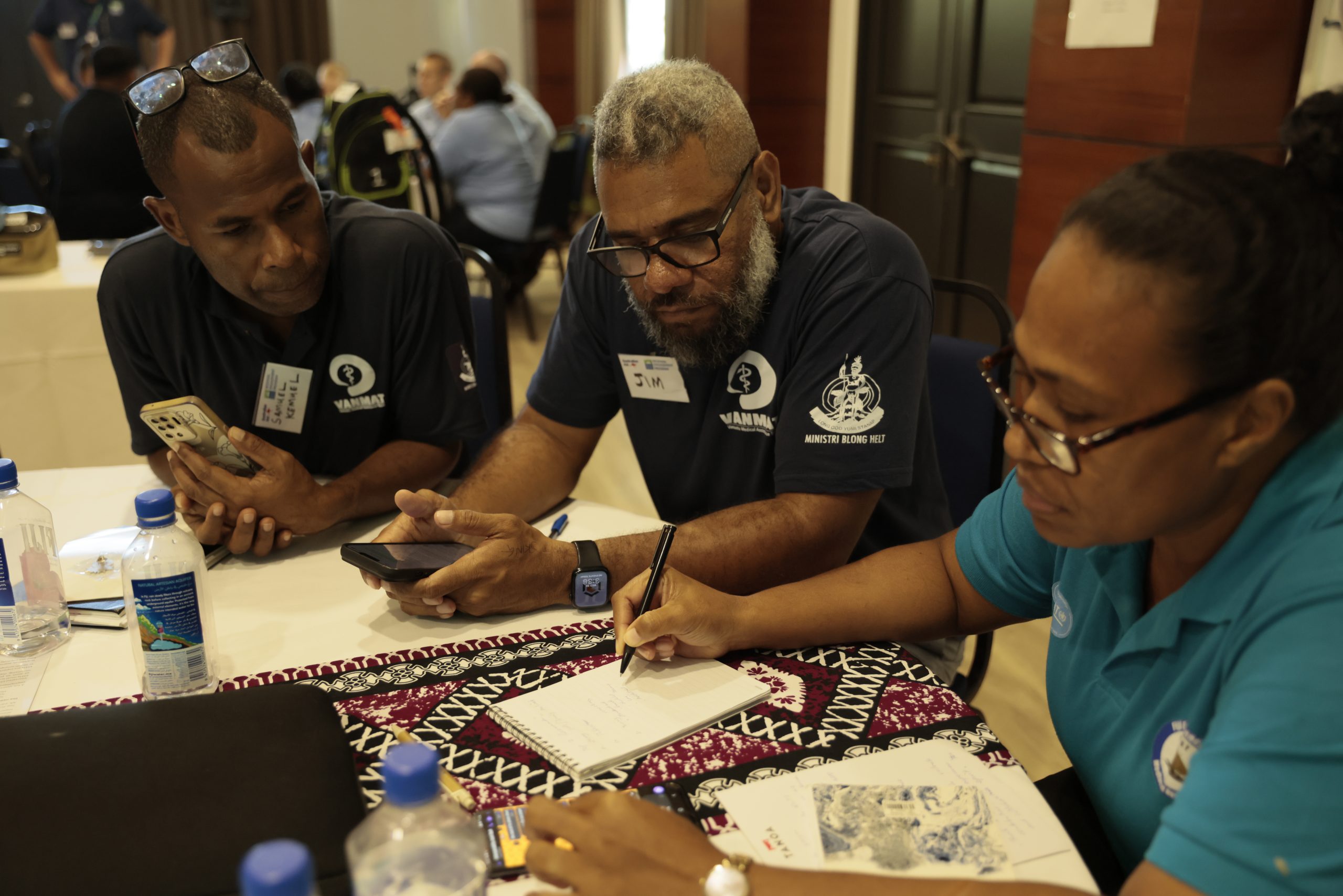
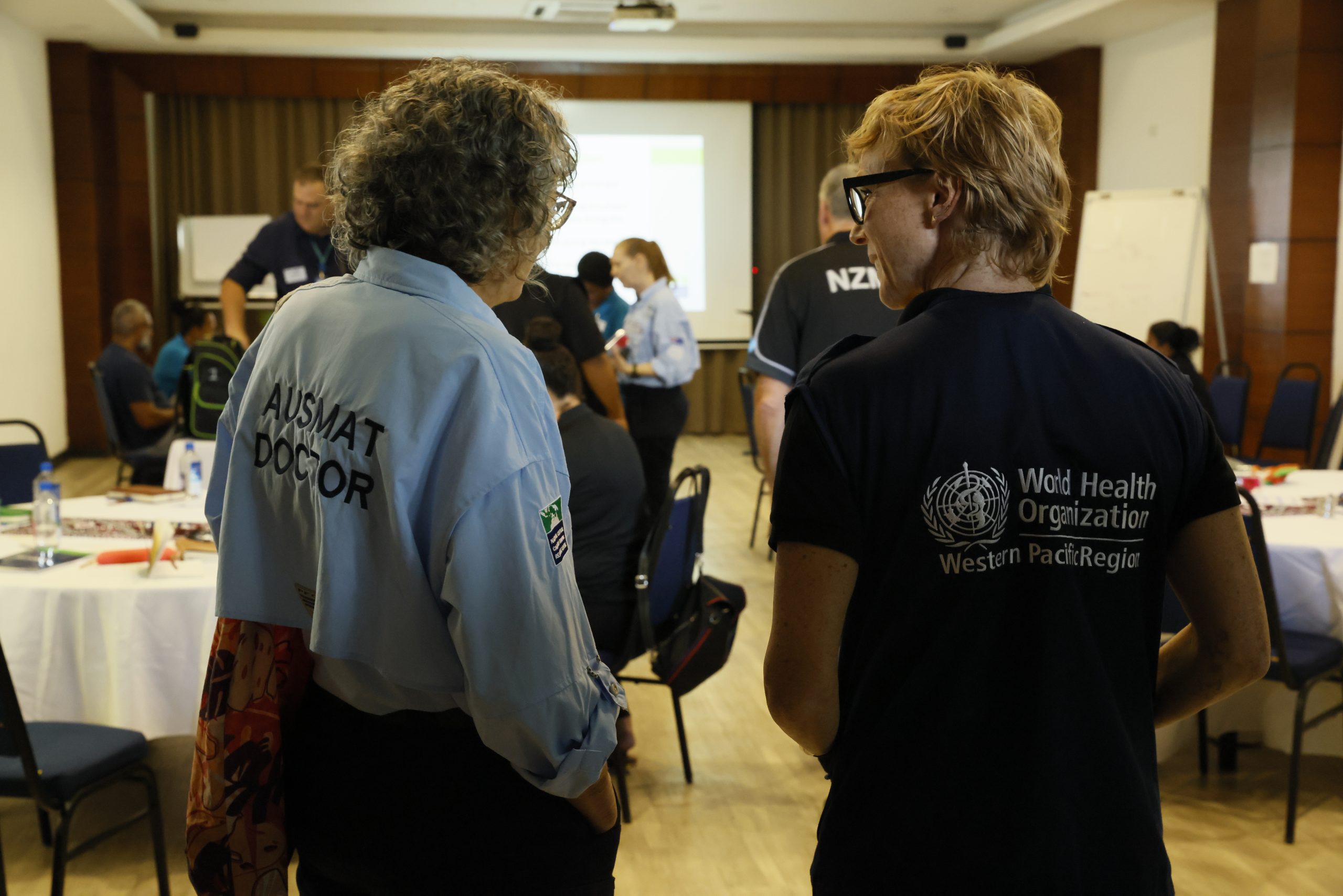
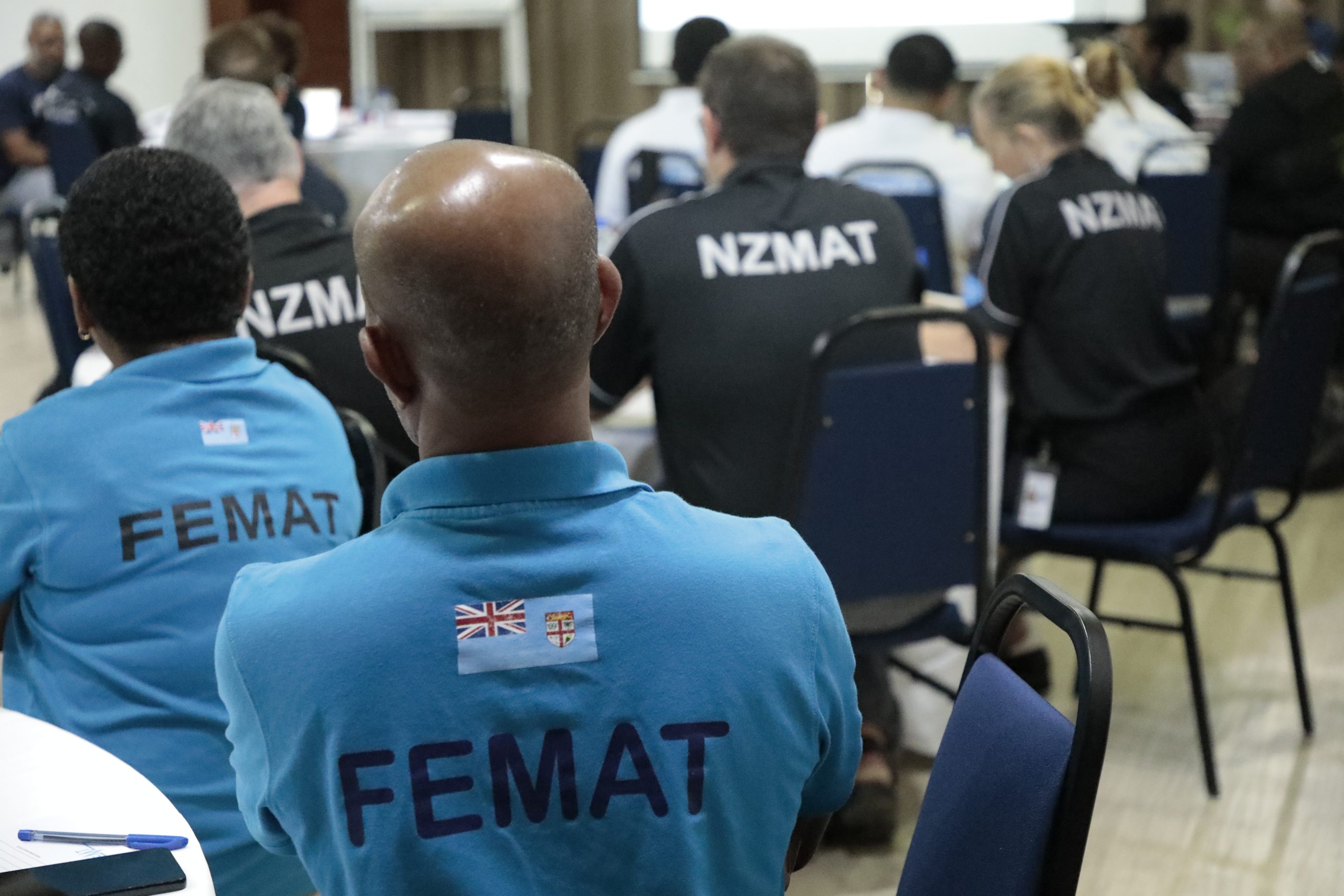
In a powerful demonstration of regional collaboration, the National Critical Care and Trauma Response Centre’s (NCCTRC) Regional Engagement Program (REP) hosted the recent inaugural Regional Emergency Medical Team (EMT) Interoperability Forum in Nadi, Fiji.

The two-day forum, funded by the Department of Foreign Affairs and Trade (DFAT) – brought together more than 35 participants from across the Pacific. EMTs from seven nations came together to strengthen coordination, share knowledge and forge stronger partnerships to respond to regional health emergencies more effectively. Observers from the World Health Organization (WHO) also attended.

Participants included representatives from the Fiji Emergency Medical Assistance Team (FEMAT), New Zealand Medical Assistance Team (NZMAT), Papua New Guinea Emergency Medical Team (PNGEMT), Pasifika Medical Association Medical Assistance Team (PACMAT), Samoa Emergency Medical Assistance Team (SEMAT), Solomon Islands Medical Assistance Team (SOLMAT), Vanuatu Medical Assistance Team (VANMAT) and Australian Medical Assistance Team (AUSMAT). Together, they reflected the rich diversity and experience of Pacific health emergency responders.

A platform for connection and collaboration

The forum created a space to deepen regional interoperability – how teams work together in emergencies – by exploring the practicalities of deployment coordination, system strengthening and peer-to-peer support. Sessions focused on real-world challenges such as embedding within another EMT’s deployment, offering or requesting support, and adapting systems to local capacity – particularly for EMTs not yet WHO-classified.

A highlight of the event was the inclusion of non-WHO-verified EMTs, which created space for open conversations about context-specific approaches. The forum emphasised that success is not defined by size or verification status, but by preparedness, trusted relationships and the ability to integrate and respond quickly when disaster strikes.

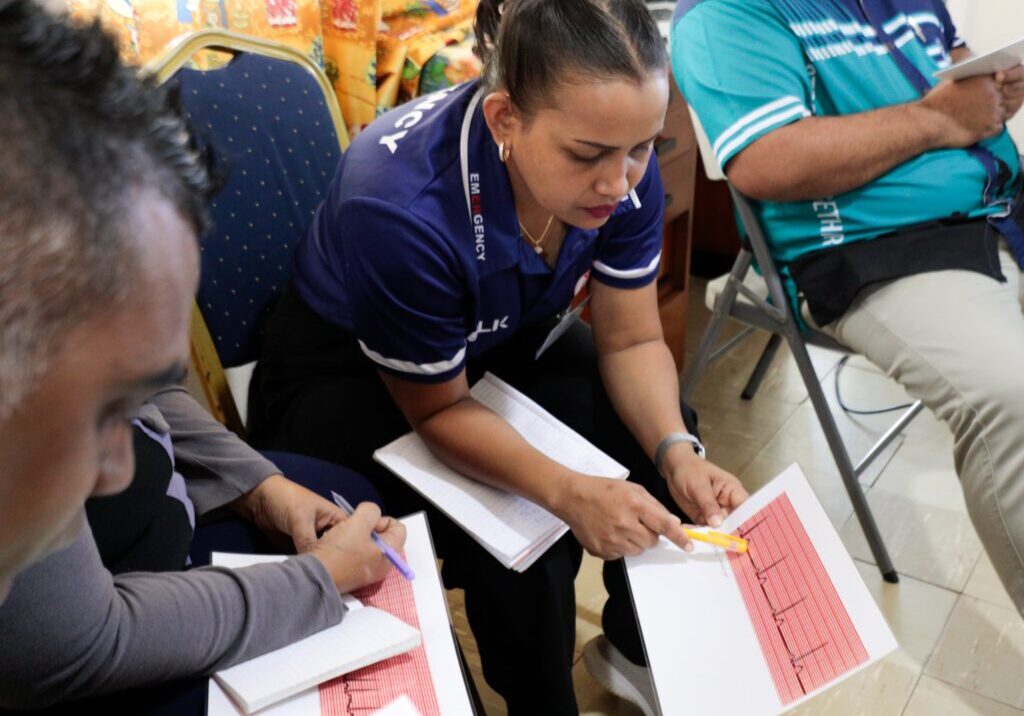
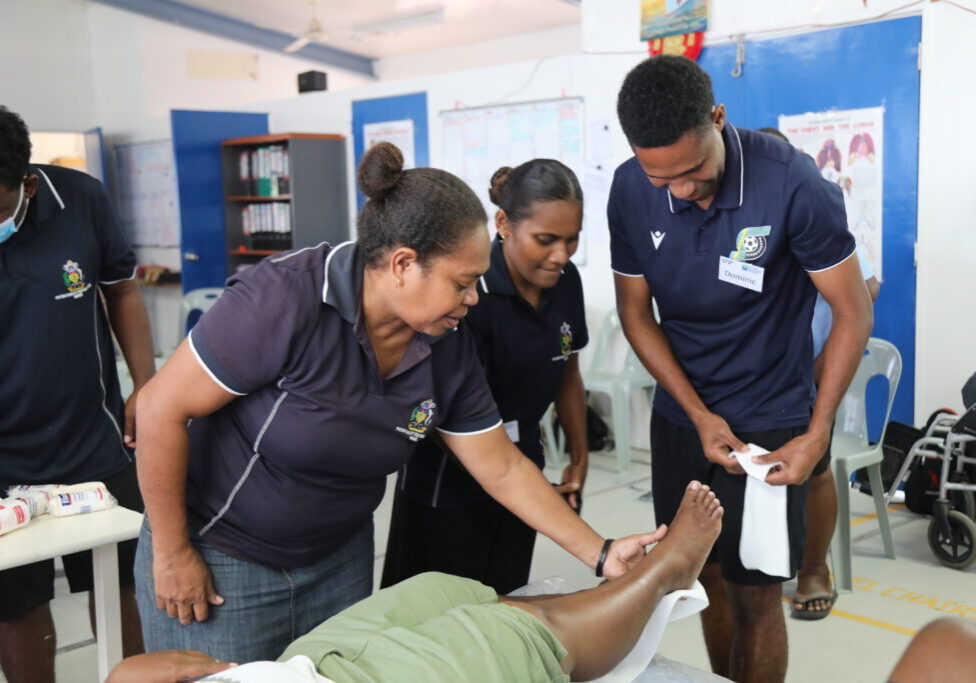
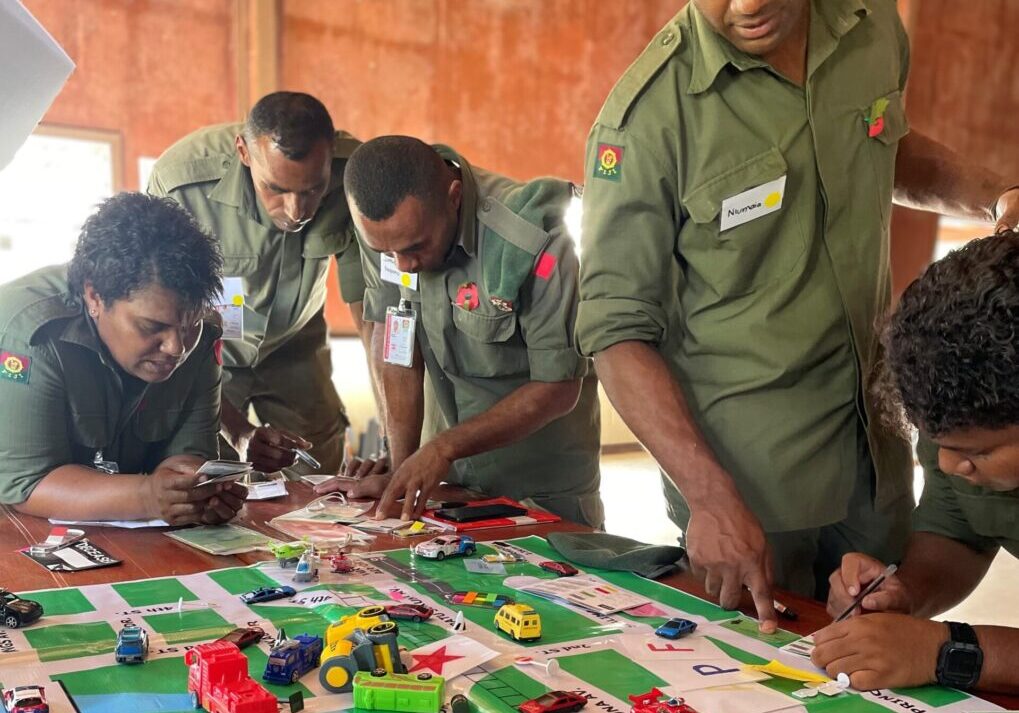
Participants engaged in scenario-based activities, group problem-solving, and team presentations. The sessions reinforced a shared goal: to build a flexible and connected network capable of navigating complex emergencies with confidence and unity.

 74A1785
 O3A1701
 O3A1788
 O3A1950
 74A1788
 74A1522

Toward a Pacific-led model of emergency response

While AUSMAT remains a key partner in regional response, the forum marked a strategic pivot – placing Pacific EMTs in the driver’s seat of coordination and planning.

“This forum isn’t about one team leading the others,” said a participant. “It’s about all of us stepping up, sharing what we know and figuring out how to support each other better.”

The forum closed with a strong sense of purpose — to continue building a future where Pacific EMTs are better connected, regionally led and collectively prepared to face the growing challenges of health emergencies.

With lasting partnerships forming and future forums already in planning, the Pacific is charting a new course — one grounded in collaboration, mutual respect and resilience.
Next news
Latest news
Picture2

Hantavirus: a rare but significant international outbreak

Baucau 6 2

Bringing accessible critical care education to regional Timor-Leste

Members from the Australian Medical Assistance Team greet Australian and New Zealand passengers from cruise ship MV Hondius after landing at RAAF Base Pearce in Western Australia. *** Local Caption *** On 15 May 2026 Defence supported Whole of Australian Government efforts to repatriate Australian and New Zealand citizens and an Australian permanent resident who were passengers on the cruise ship MV Hondius after an outbreak of hantavirus onboard. Defence facilitated their arrival via charter aircraft at RAAF Pearce and transfer to a Western Australian quarantine facility under the care of health authorities. Defence assisted under Australian Government Crisis Management Framework provisions for the repatriation of Australian citizens and approved foreign nationals.

NCCTRC leads national quarantine facility following hantavirus outbreak

 74A2819

Managing risk in the field: vector and pest control at the AUSMAT Health Logistics course

AUSMAT Deployment Katherine TC Narellesmall

AUSMAT supports Katherine Hospital during Tropical Cyclone Narelle

Treated Socks And Uniform Packs (permethrin Impregnated) Square

Mosquito bite prevention in the field – rapid public health guideline development for dengue outbreak response

Previous stories
 74A3812

PHOENIX partners with GOARN to strengthen outbreak response

Polio Egyptian Stele

Unravelling the legacy of polio: From historical origins to global eradication initiatives

Nurse TOK

Pacific beat: NurseTOK webinar series

Saomoa Logie Transport

Samoa measles response in retrospect: lessons that prepared AUSMAT for the COVID-19 pandemic

0Y4A9902

NCCTRC and CDU providing academic pathways for future emergency responders