Early 2026
preparatory visits at the NCCTRC Headquarters and Royal Darwin Hospital Trauma Service exploring capabilities
20 July to 7 August
Exercise Pitch Black engagement visits
23 July
Mindil Beach Flying Display
1 August
Exercise Pitch Black RAAF Base Darwin Open Day
Preparing together
The success of a major exercise is shaped long before the first activity begins.
“From early 2026, a coordinated network of multi-agency stakeholders, including frontline clinicians, emergency responders and Defence partners, collaborated to strengthen preparedness for potential high-risk medical incidents during Exercise Pitch Black,” Trauma Service Nursing Director Jenny Santhosh said.
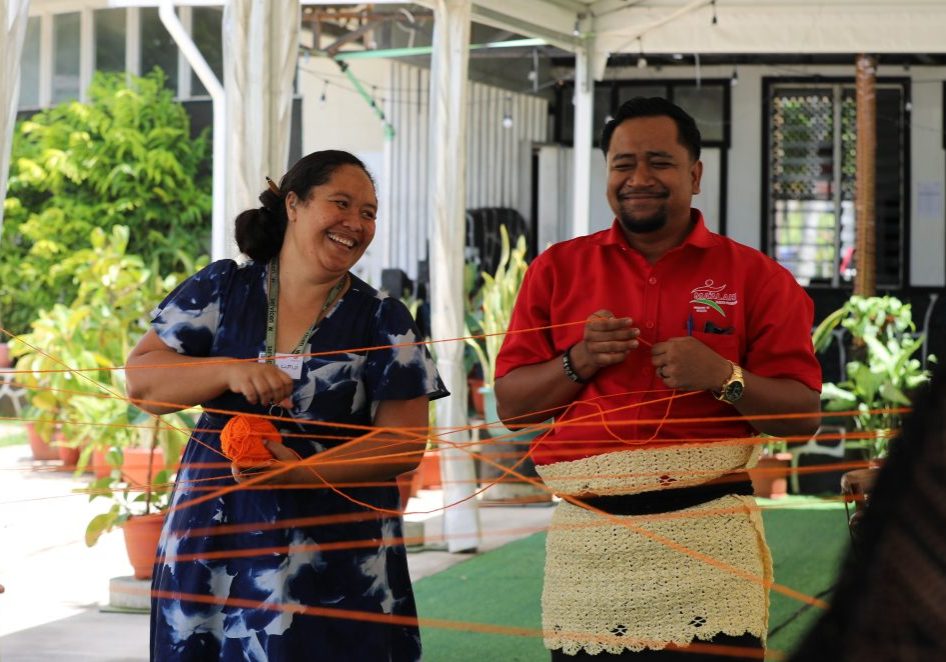
A series of planning activities, tabletop exercises and interagency simulations progressively tested clinical, operational and logistical considerations. The process strengthened coordination, refined communication pathways and helped ensure teams were prepared to respond if needed.
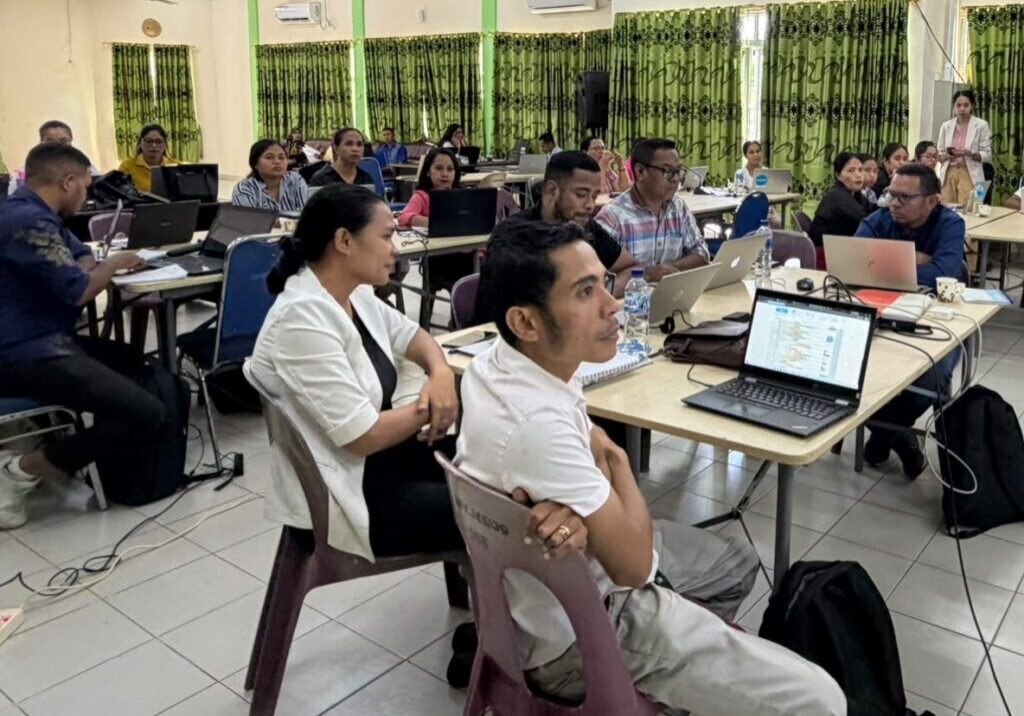
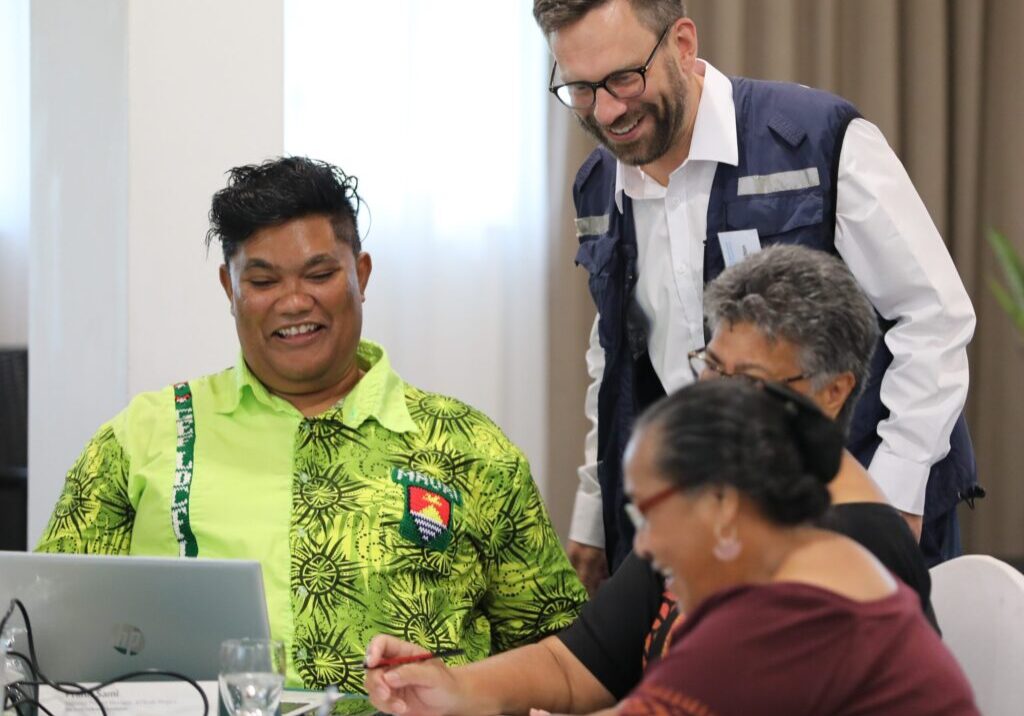
As part of the preparation, NCCTRC welcomed international Defence partners and health planning teams from participating air forces. Delegates visited the NCCTRC Trauma Service based at the Royal Darwin Hospital (RDH), to learn about the delivery of trauma care across the Northern Territory (NT).
“As the region’s only tertiary provider with Level II trauma care, RDH plays an important role in the Territory’s trauma system.”
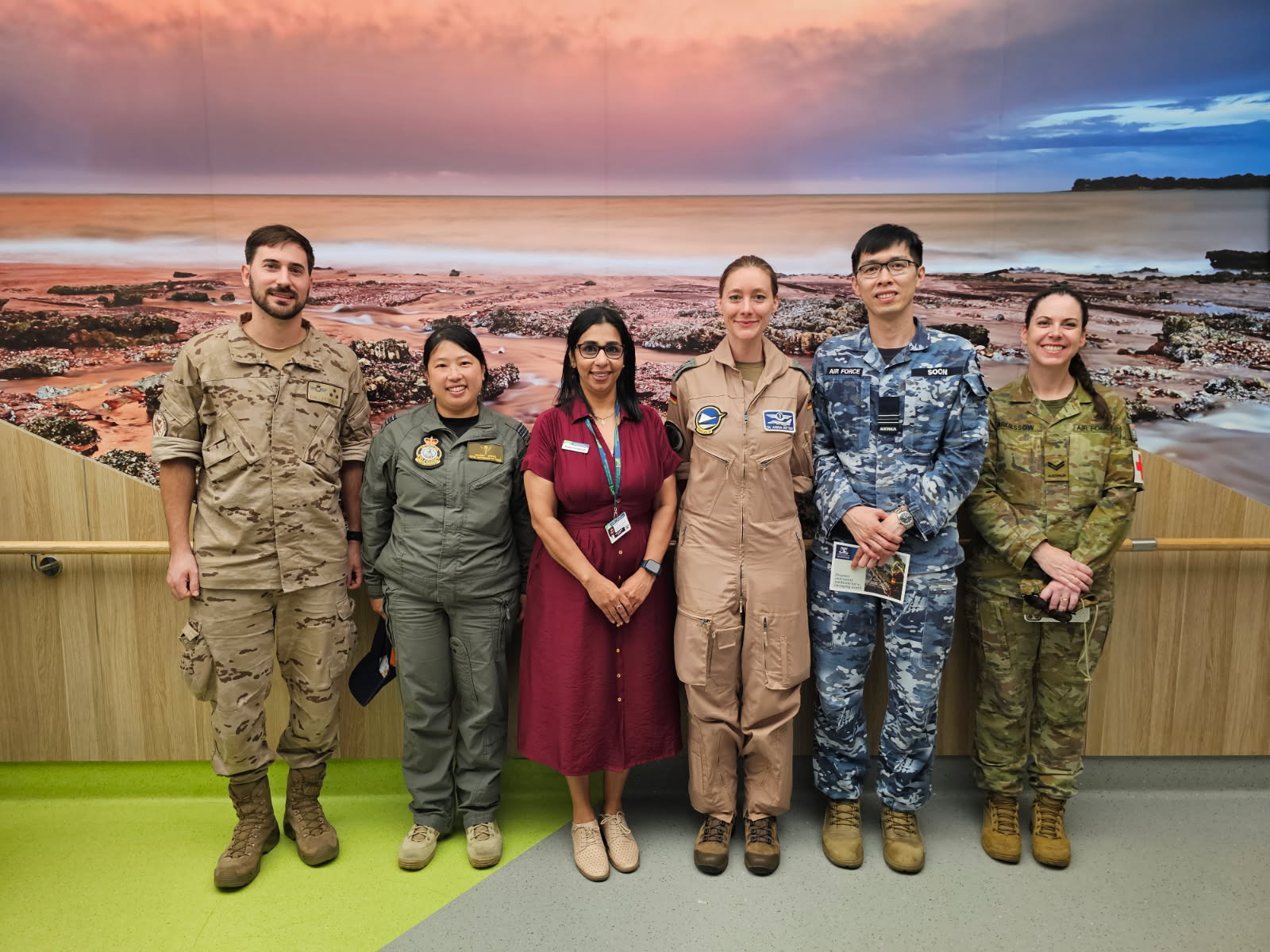
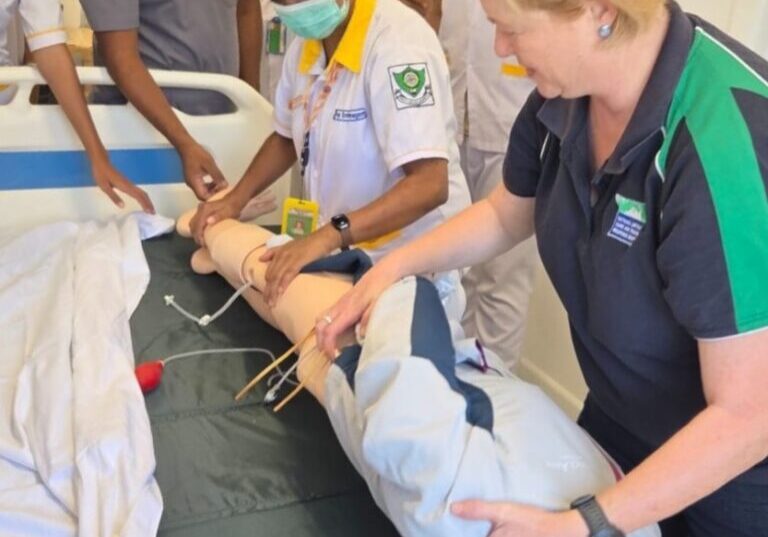
“We were delighted to host our international partners and provide an opportunity to explore the Trauma Service’s approach to governance, stakeholder engagement and collaboration, including the challenges of providing timely trauma care across a geographically dispersed population, particularly for vulnerable communities, and coordinating transfers between remote, regional and specialist services,” Jenny added.
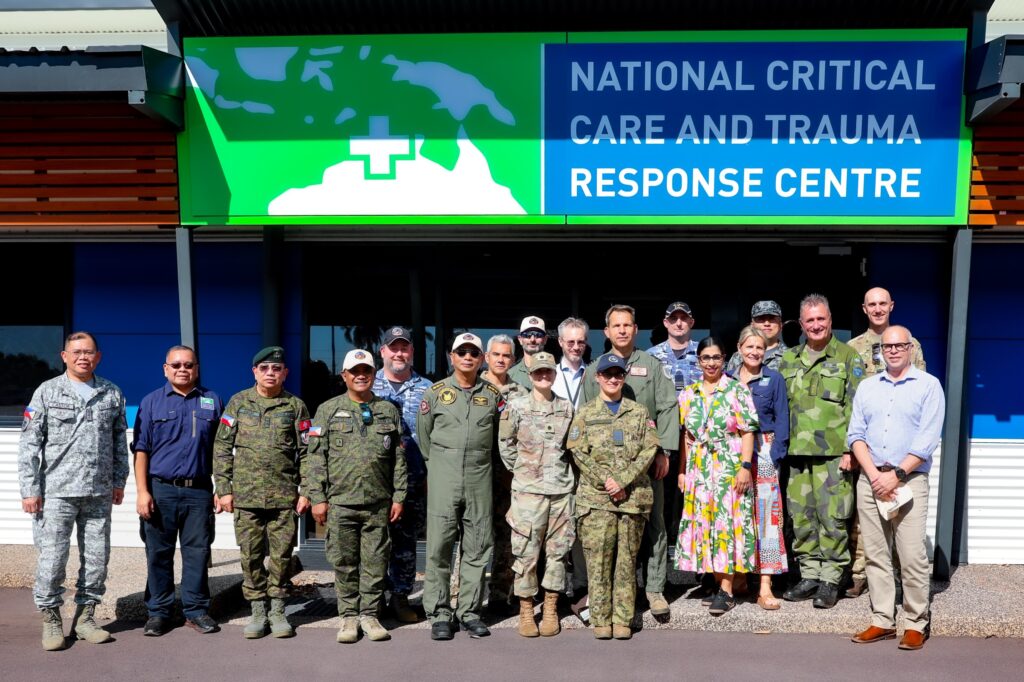
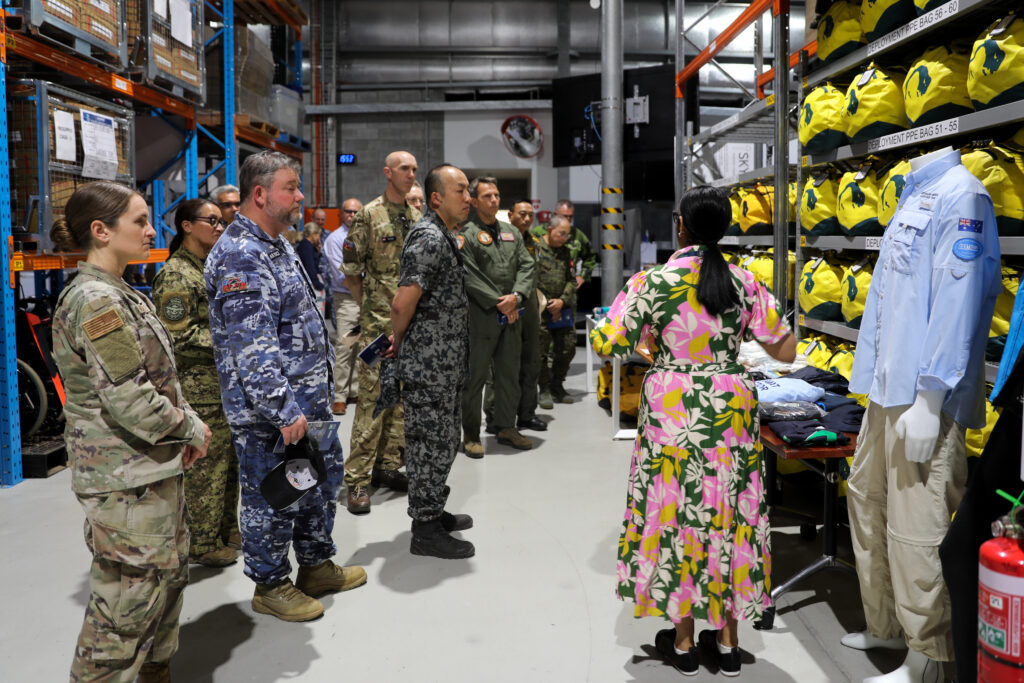
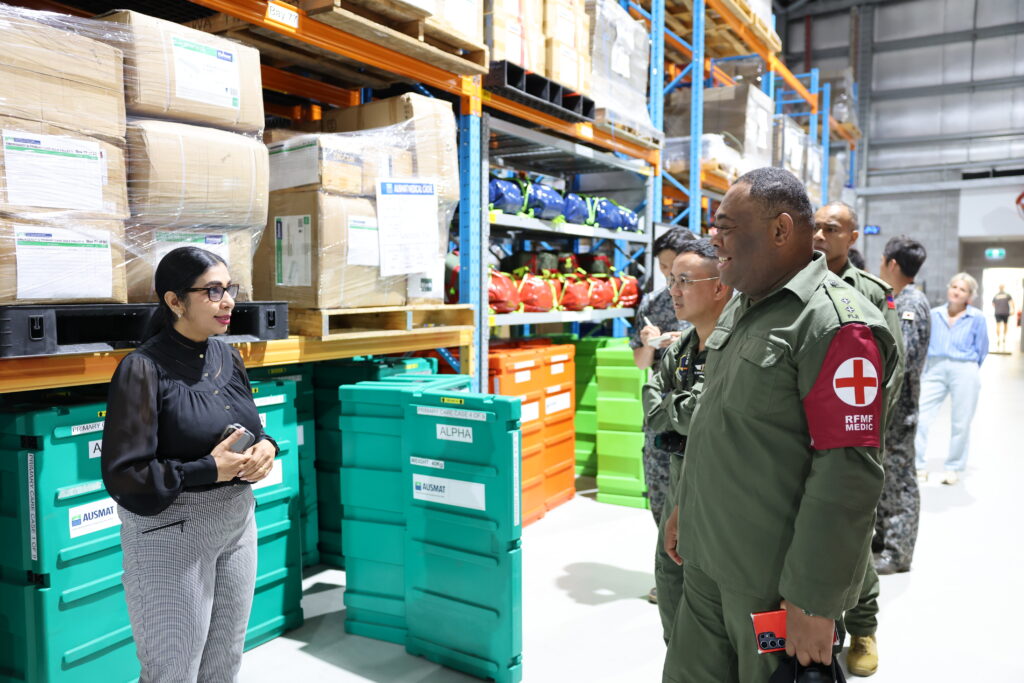
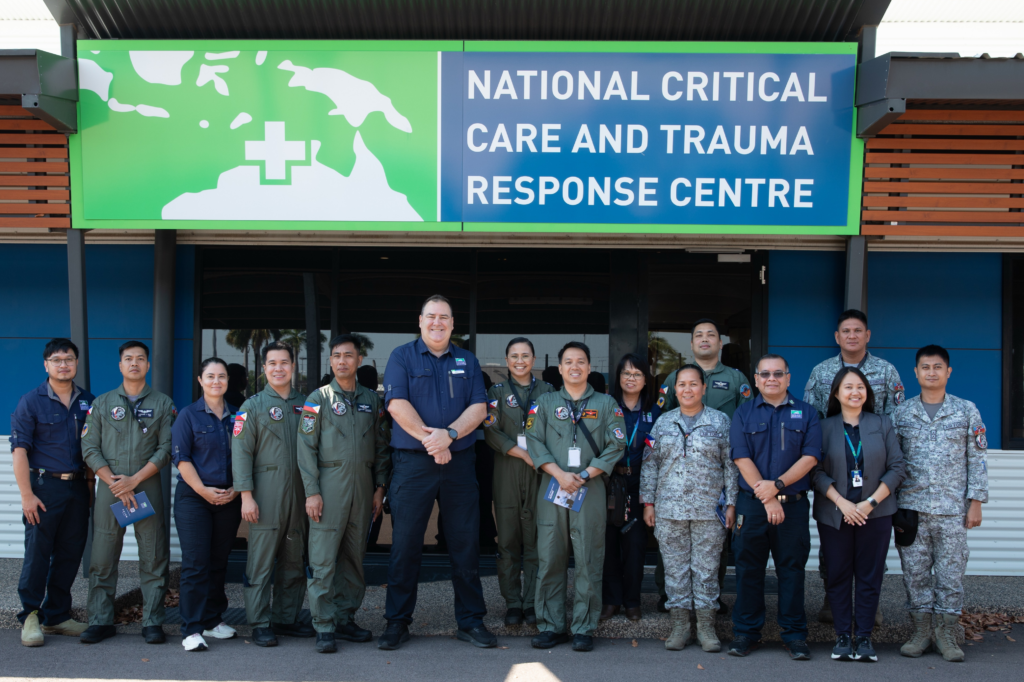
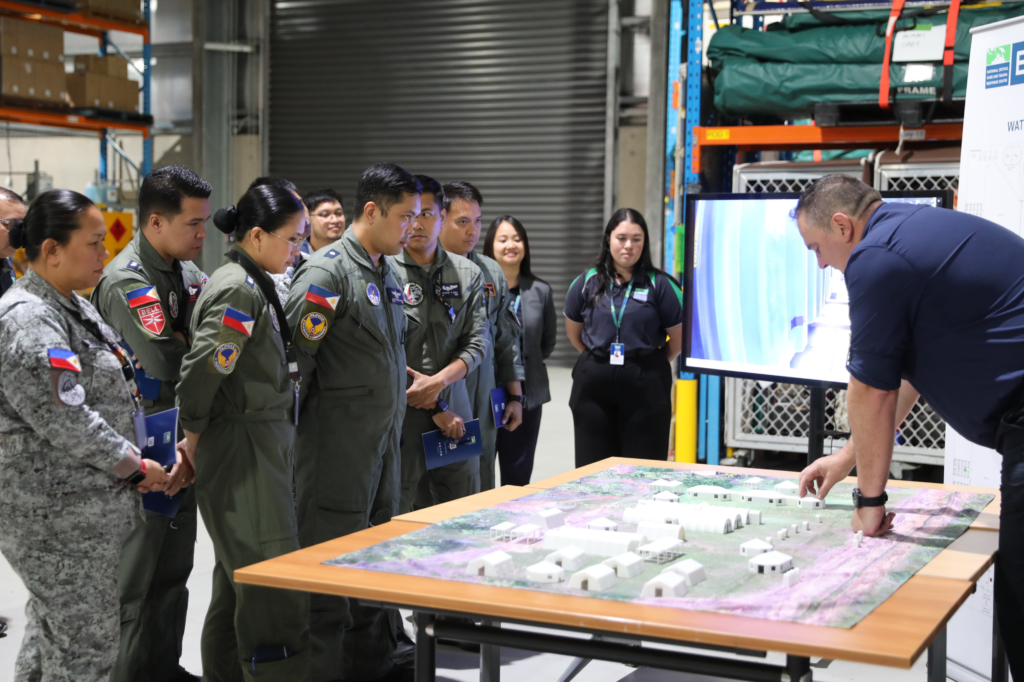
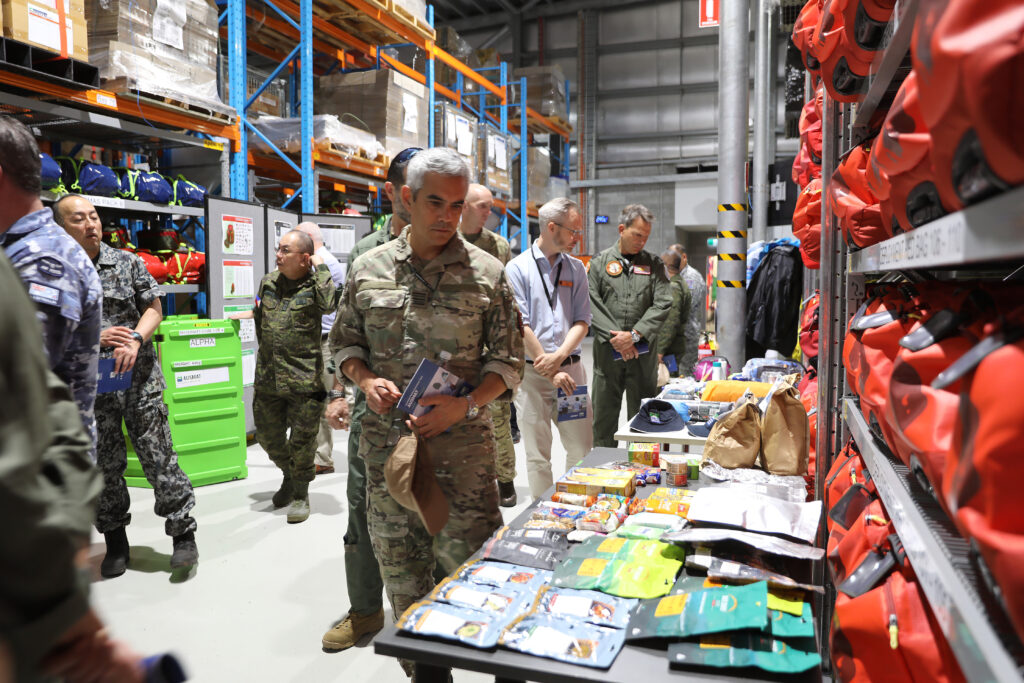
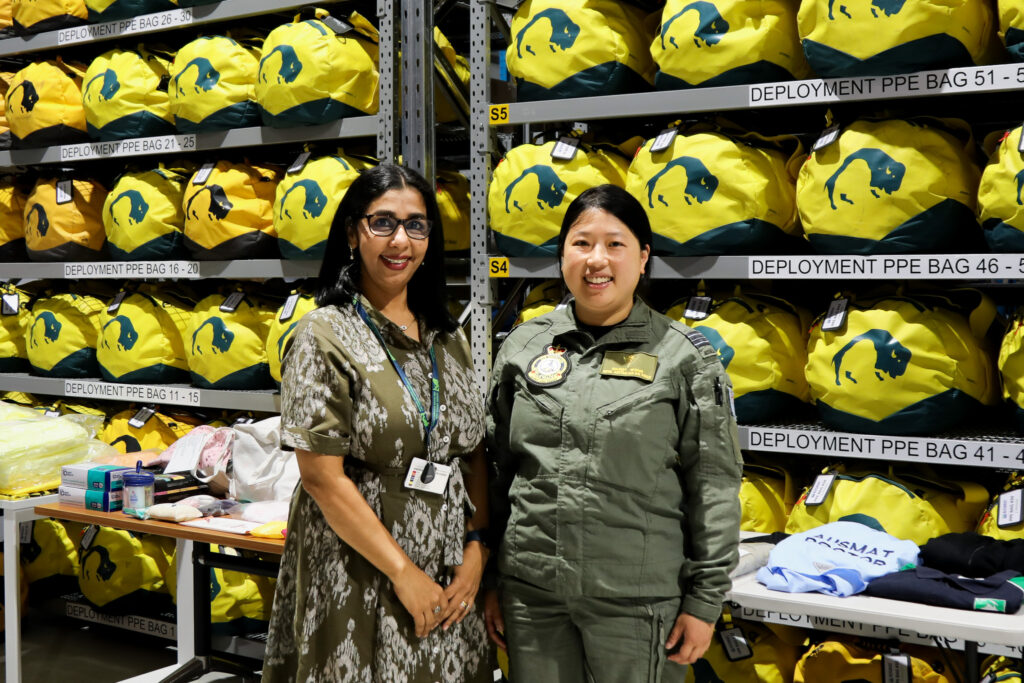
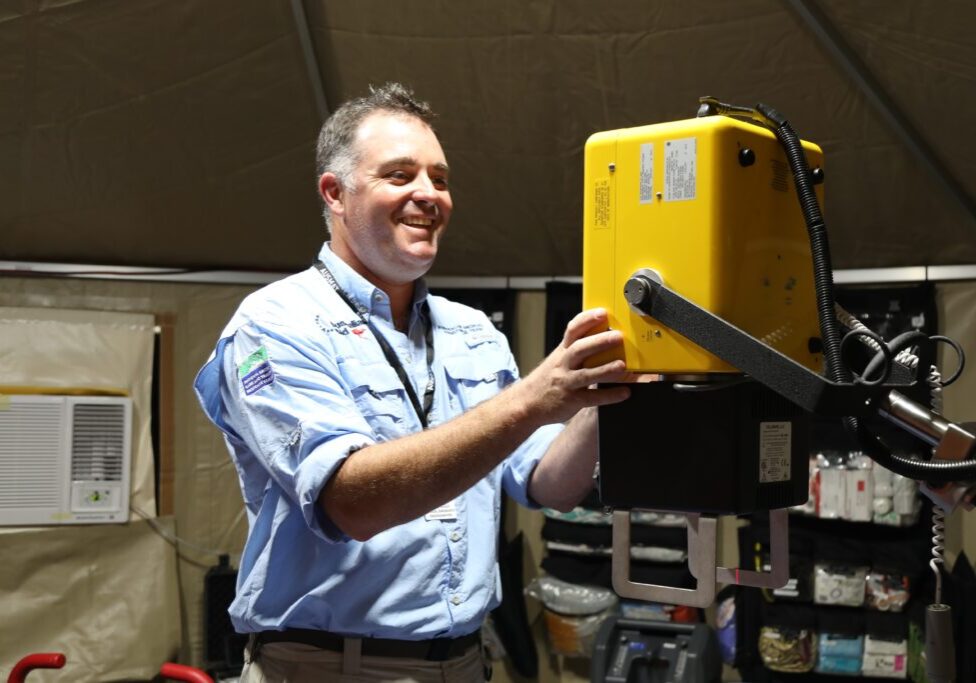
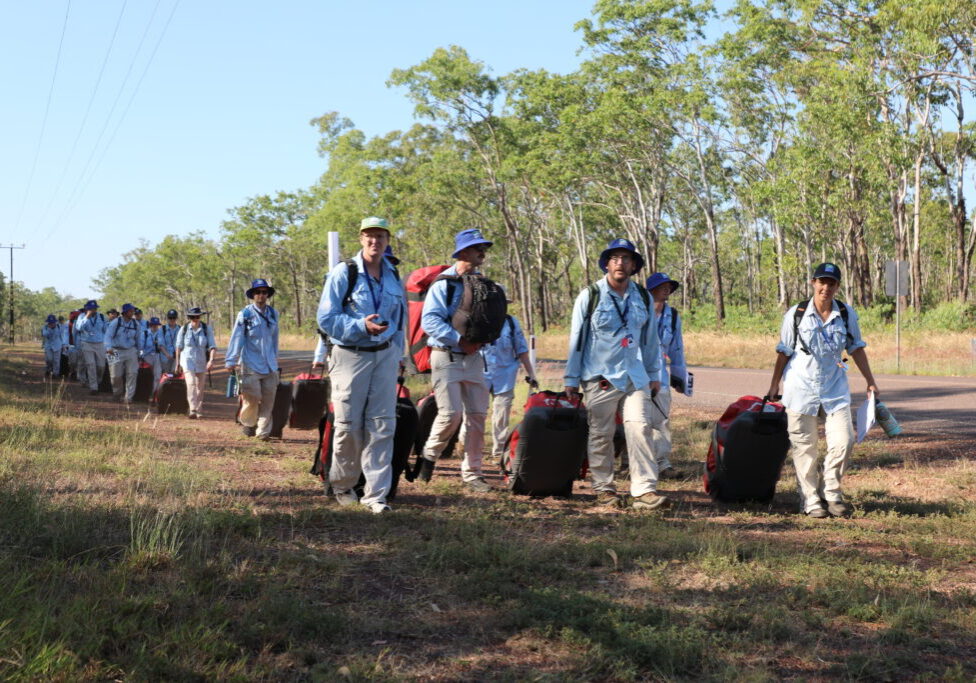
The engagement extended to NCCTRC Headquarters, where delegates explored the capabilities of the Australian Medical Assistance Team (AUSMAT), including its Type 1 and Type 2 Emergency Medical Team (EMT) deployable field hospitals and specialised equipment for rapid deployment in health emergencies.
Representatives from Canada, France, Indonesia, Italy, Japan, Malaysia, the Netherlands, Norway, the Philippines, Sweden, Thailand and the United Kingdom gained insight into the NCCTRC’s role in strengthening emergency medical preparedness and response to major incidents across the Asia-Pacific.
Supporting the Air Show
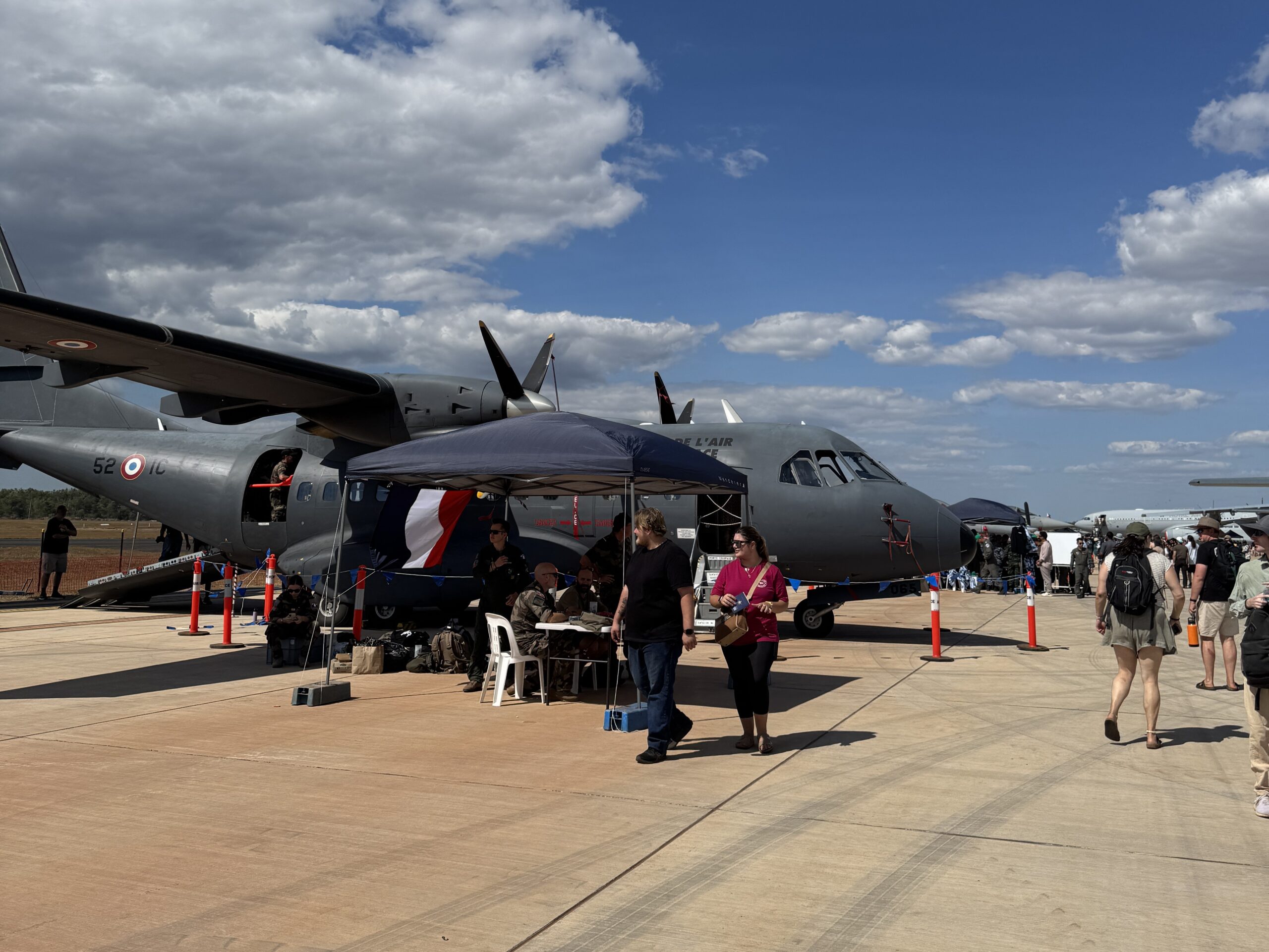
“The [Mindil Beach Flying Display and the RAAF Base Darwin Open Day] were a great success, with an estimated 65,000 people enjoying the [events],” Chief of Staff and Air Force Air Show Team Group Captain Simon Braun said.
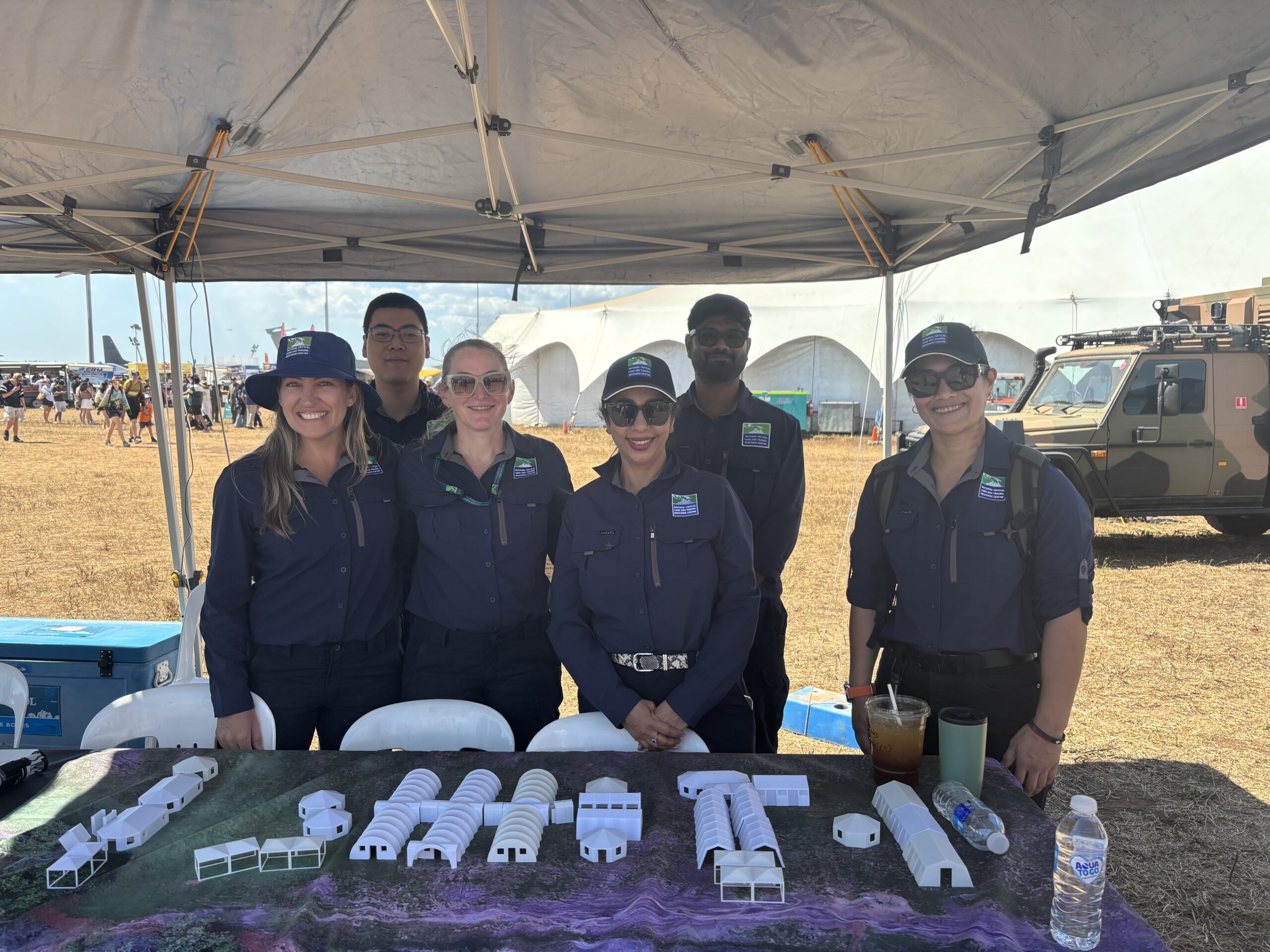
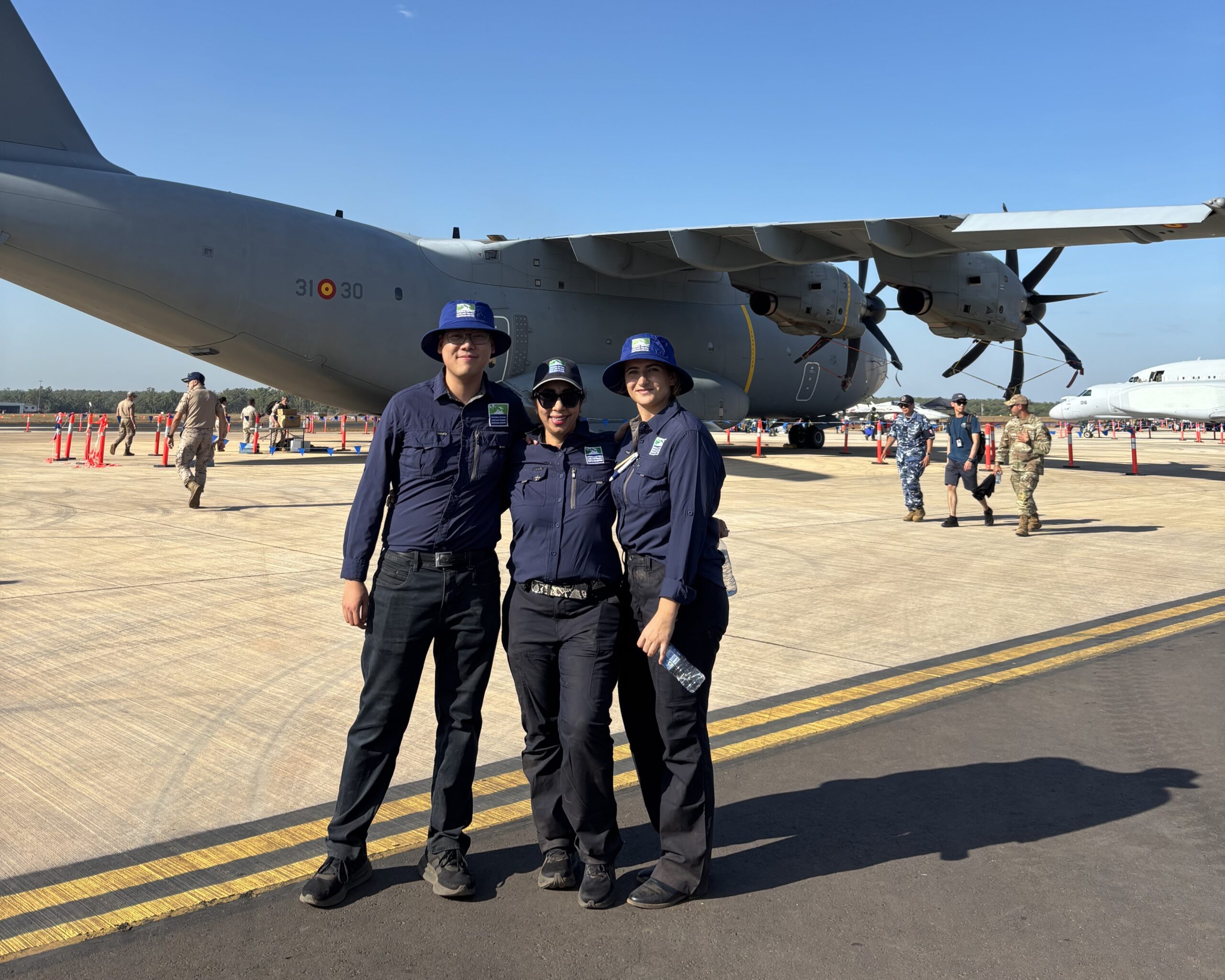
The NCCTRC Trauma Service provided specialist trauma and emergency care expertise as part of the medical response arrangements for these large-scale public events.
“On behalf of the Chief of the Air Force, we appreciate the NCCTRC’s exceptional support over the extended period of planning and delivery. The NCCTRC team was instrumental in helping the Air Show team deliver the events,” Simon added.
Jenny said the event highlighted the value of working alongside the wider response network.
It was great to work alongside the Australian Air Show Team, Defence and other emergency response personnel, with a shared aim of strengthening preparedness for potential medical and trauma incidents.

Exercise Pitch Black 2026 showed the value of bringing different areas of expertise together around a shared response. The relationships built through this work will support future collaboration in emergency and disaster response, nationally and internationally.