Strengthening scientific communication for public health action in Timor-Leste
16 Sep 2026
Written by Melissa Kleine-Bingham
Public health evidence is most valuable when it can be communicated clearly and translated into action.
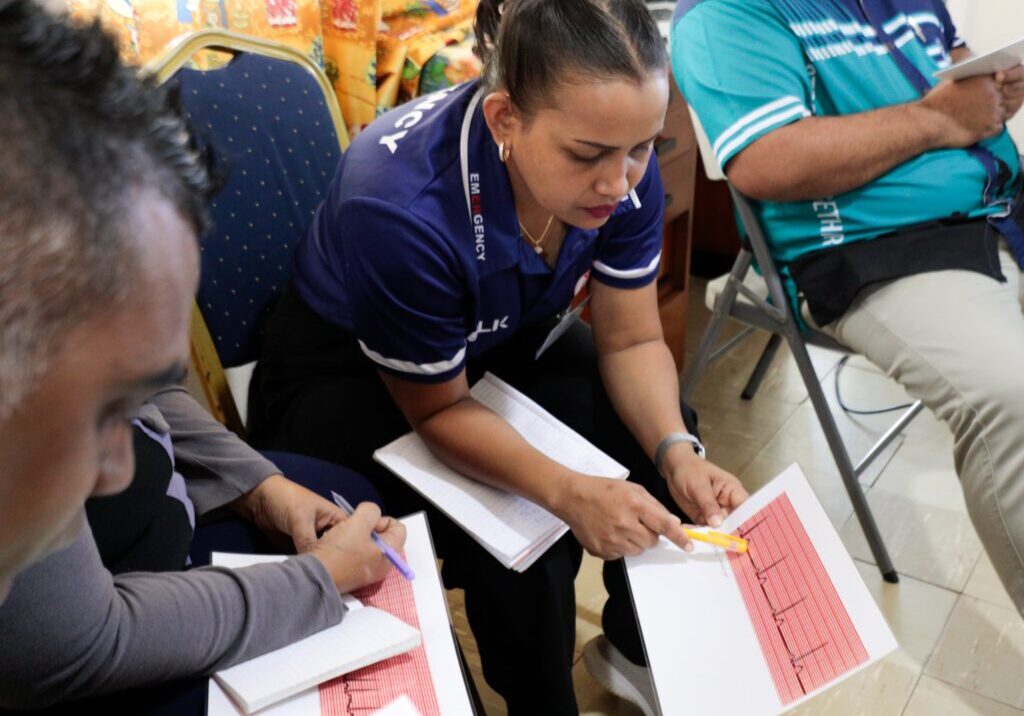
The National Institute of Public Health of Timor-Leste (INSP-TL) and the National Critical Care and Trauma Response Centre (NCCTRC) jointly delivered a 5-day Scientific Communication Workshop in Dili, Timor-Leste.
Delivered through the NCCTRC’s Public Health Operations in Emergencies for National Strengthening in the Indo-Pacific (PHOENIX) program, the workshop marked the first training initiative arising from the partnership between INSP-TL and PHOENIX.
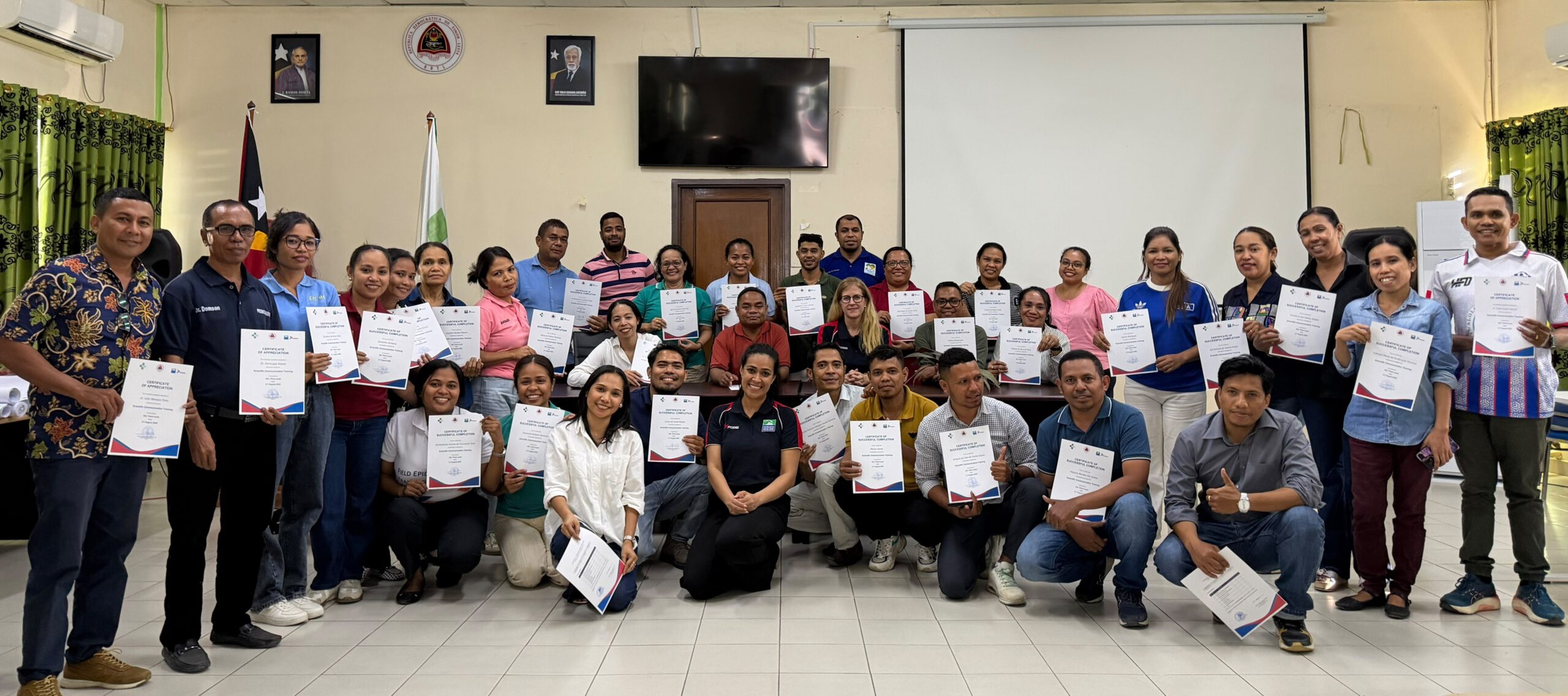
Building on shared priorities for workforce development and stronger public health emergency preparedness, the workshop brought together 25 participants from INSP-TL and the Ministry of Health. The training focused on strengthening participants’ ability to communicate epidemiological evidence, outbreak investigation findings and public health research.
The workshop was developed and delivered collaboratively by Timorese faculty. Across 10 modules, participants explored the foundations of scientific communication, manuscript and abstract writing, research publication, ethics, data visualisation, poster and slide design, and effective presentation skills.
The final module introduced Quick Incident Risk Assessment (QIRA), a practical tool used across Association of Southeast Asian Nations (ASEAN) Member States to support rapid, evidence-based decision-making during public health outbreaks and other health emergencies.
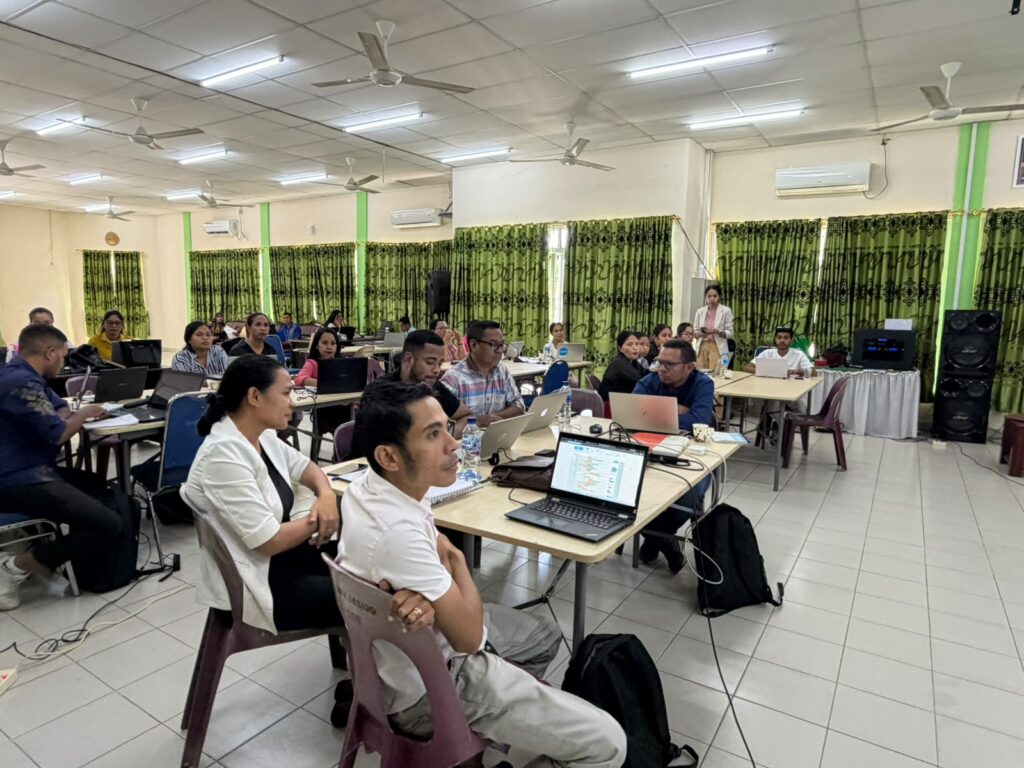
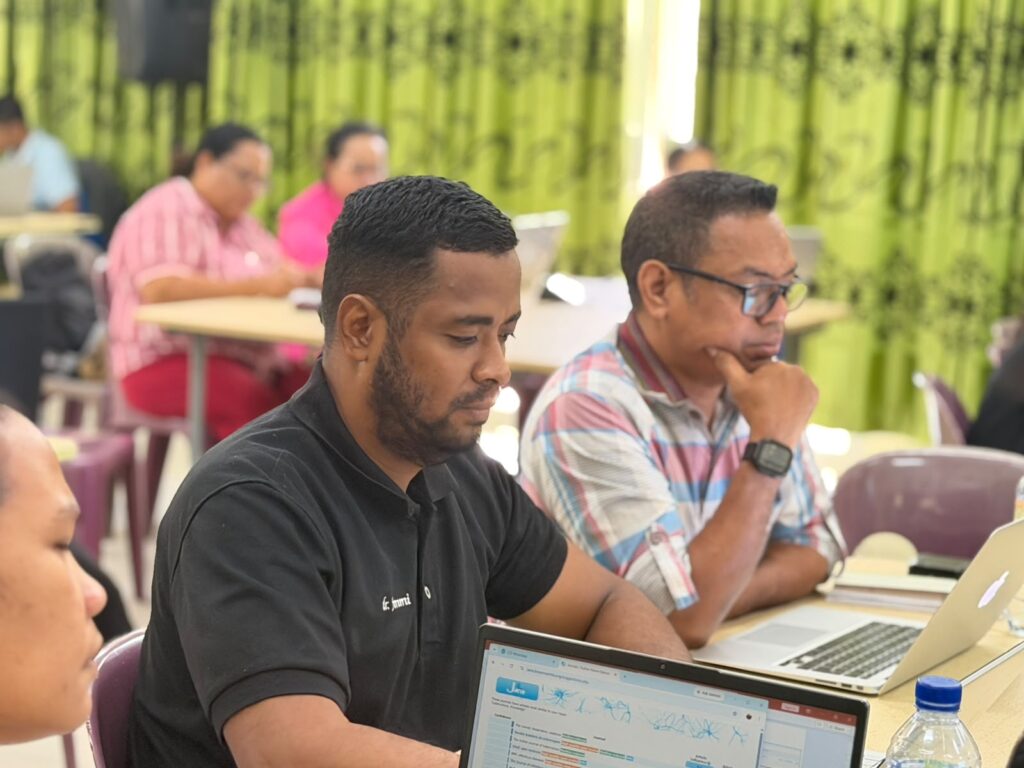
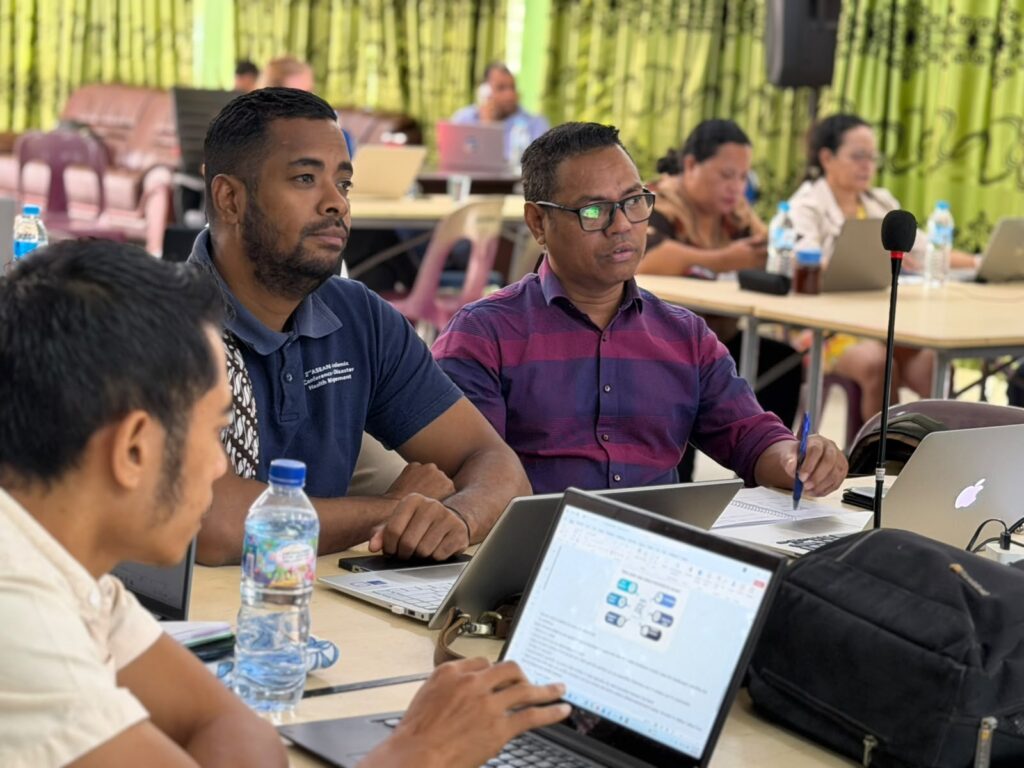
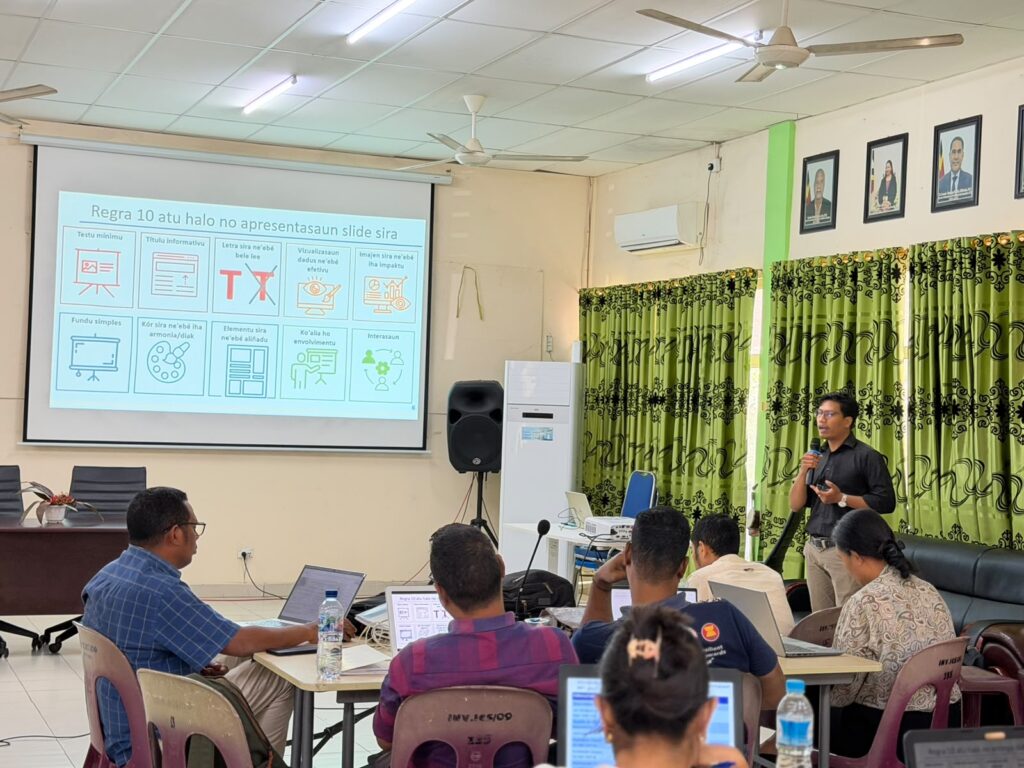
Recent experiences with COVID-19, dengue, rabies and other health threats have demonstrated the importance of providing accurate and accessible information to decision-makers, health professionals, partners, the media and communities. Strengthening these skills will help public health professionals translate surveillance and research findings into clearer advice and more effective public health action.
The workshop also reflected PHOENIX’s commitment to gender equality, disability and social inclusion, with an emphasis on accessible participation and representation of women and other underrepresented groups.
Through this locally led partnership, INSP-TL and PHOENIX are supporting stronger scientific visibility for Timor-Leste while building sustainable national capability to generate, interpret and communicate evidence before, during and after health emergencies.