Mosquito bite prevention in the field – rapid public health guideline development for dengue outbreak response
30 Mar 2026
Written by Bhavya Balasubramanya, Jemma McWiggan, Kathleen McDermott and Melanie Morrow
Dengue is a viral infection that spreads through the bite of infected Aedes mosquitoes to people. It is most common in tropical and subtropical climates.
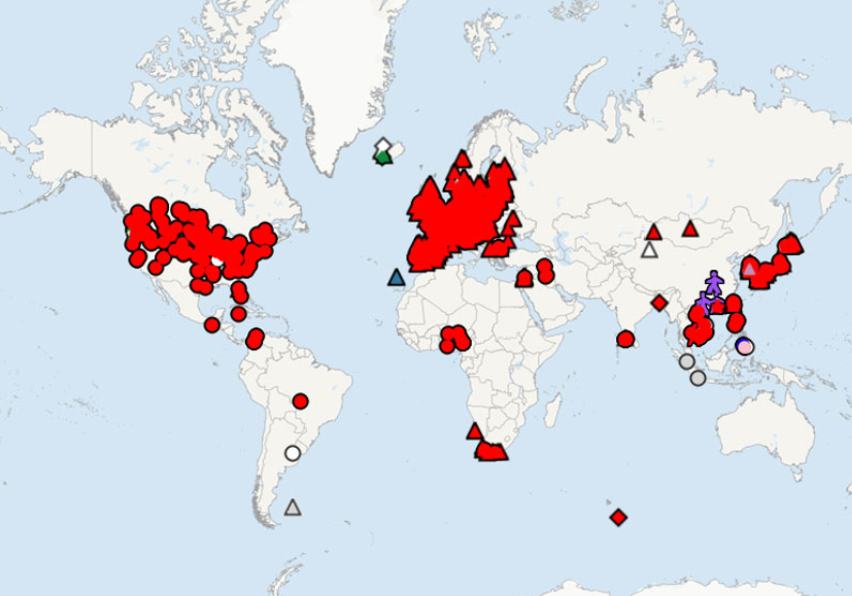
Several Pacific islands and Southeast Asian countries are reporting increased dengue activity, with DENV-1 and DENV-2 being the most prevalent virus types currently circulating.
Dengue has long been a public health concern for communities in the Pacific. In 2025, infection numbers reached their highest levels in years, with outbreaks driven by increased human movement and changing weather patterns.
In August 2025, AUSMAT deployed to Samoa to assist with an ongoing dengue outbreak that began in April 2025 and was declared a public health emergency.
Dr Katherine Gibney, an infectious disease and epidemiology specialist, was one of the 4 AUSMAT members deployed.
This was the first time AUSMAT embedded on an New Zealand Medical Assistance Team (NZMAT)-led deployment.
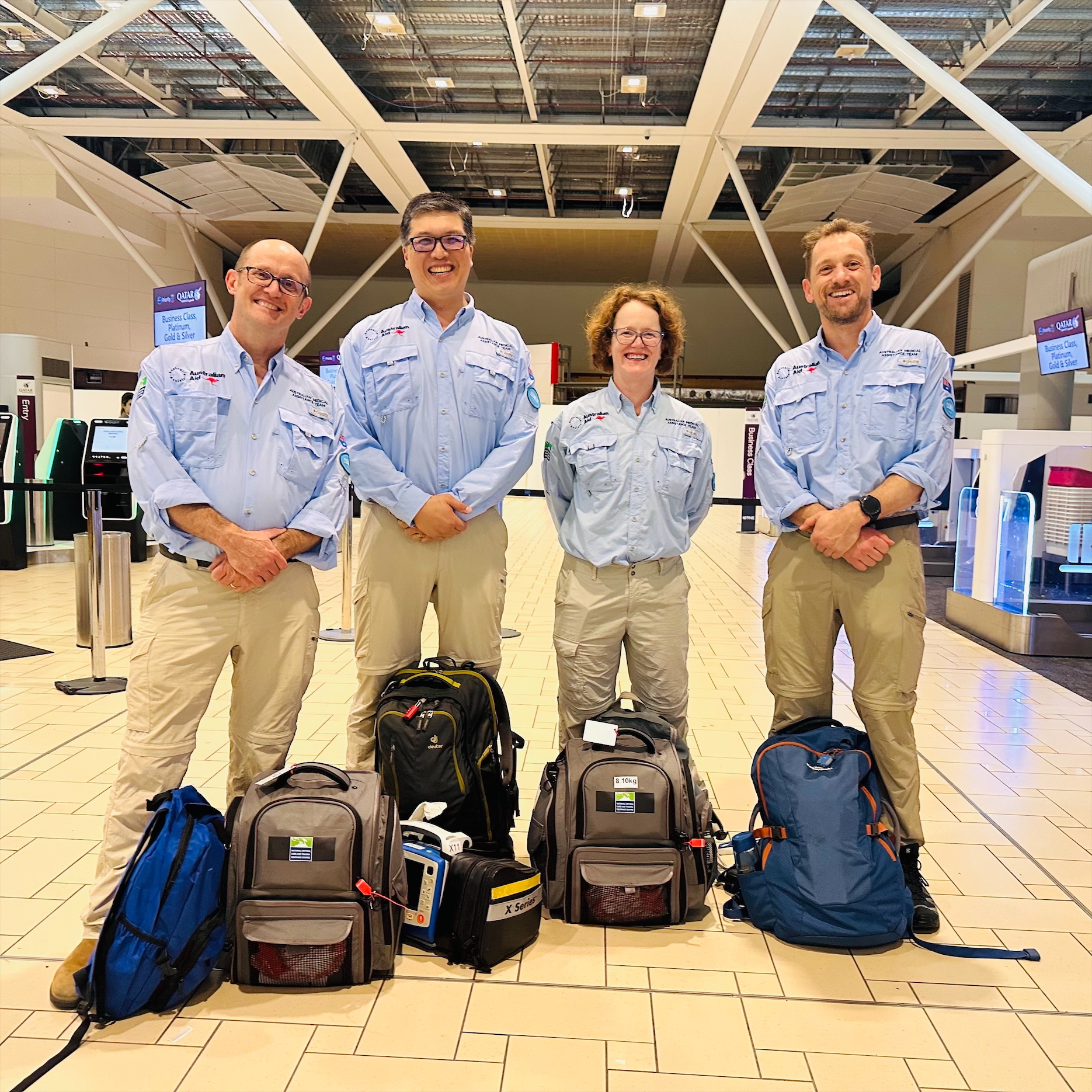
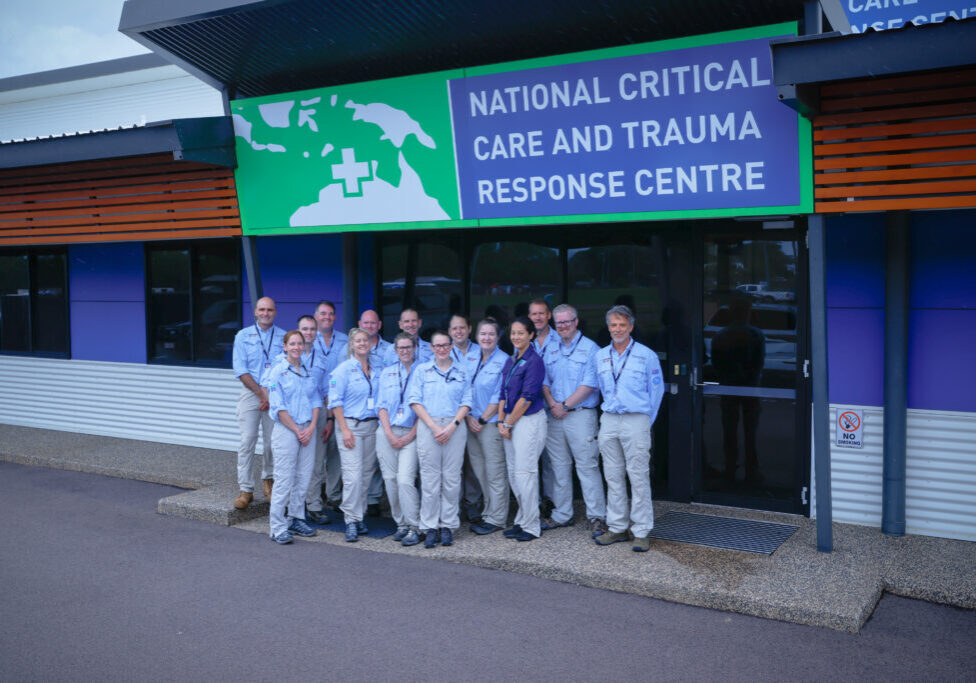
(Left to right) AUSMAT members Dr James Fordyce, Dr Conrad Ng, Dr Katherine Gibney and Dr Scott Sypek.
The success of this joint mission relied on rigorous preparation by the NCCTRC to ensure team safety and clinical efficacy.
In preparation for AUSMAT’s deployment, the NCCTRC’s Public Health and Disaster Preparedness and Response teams formed a multidisciplinary group of public health experts and clinical pharmacists.
The goal was to develop and rapidly implement guidance to protect AUSMAT members from dengue during the outbreak – adapting national and international guidance to the operational context.
As dengue prevention relies primarily on avoiding mosquito bites, the team focused on identifying practical protection measures.
Aedes mosquitoes breed in small stagnant water containers near human dwellings and are primarily active during the day with peak biting periods at dusk and dawn. As a result, mosquito protection was required throughout the day, both indoors and outdoors.
A broad prevention strategy was adopted to allow for the possibility that a team member might develop intolerance to a particular treatment.
Products were selected that remained active for 8-10 hours and did not require frequent reapplication, depending on the concentration.
Recommendations included:
- wearing full-length clothing that is tucked in and treated with insecticide
- using head nets, bug lights, insect screens, treated mosquito nets and electronic insecticide diffusers
- applying insect repellent containing 20-30% diethyltoluamide (DEET), picaridin of 10-20% strength or oil of eucalyptus for individuals with allergies to DEET.
Guidance on mosquito bite prevention was developed by the Public Health team and provided to AUSMAT members prior to deployment.
Insect repellent options for topical application:
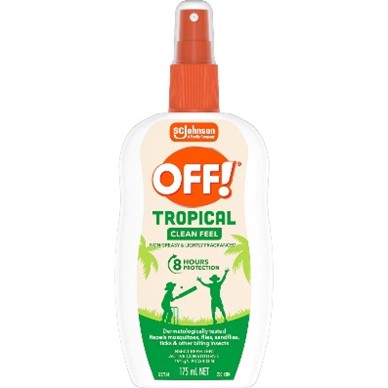

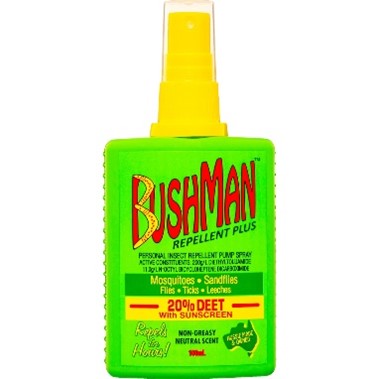
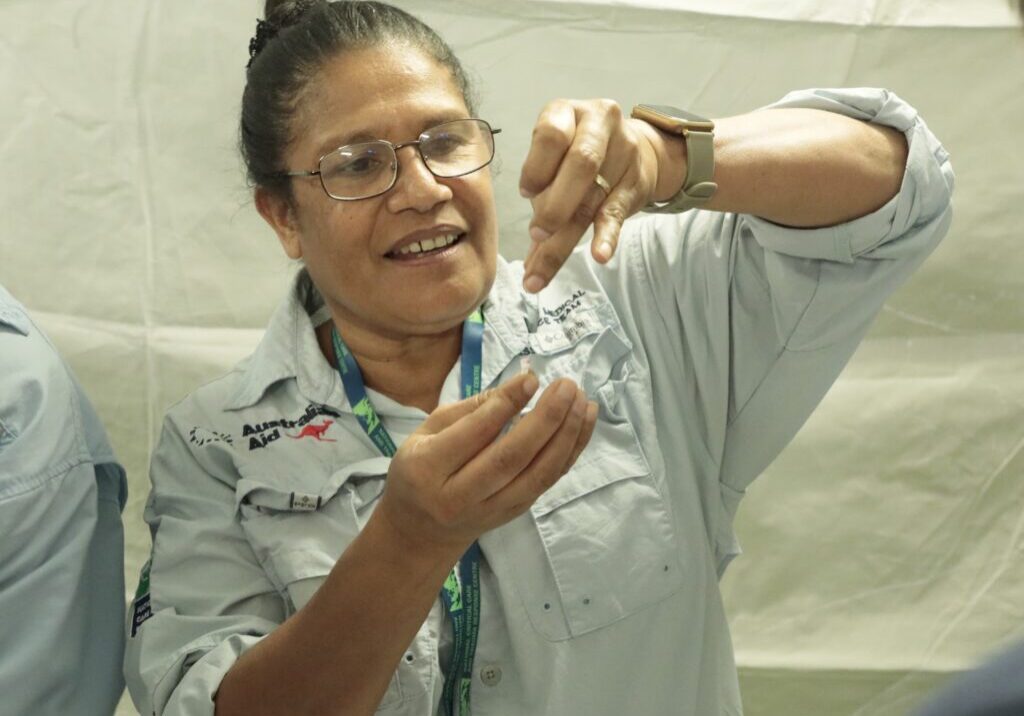
Pharmaceutical procurement enabled the provision of 3 repellent options – DEET-based, oil of eucalyptus and picaridin – as well as permethrin treatment of uniforms and socks.
Due to aviation restrictions, non-aerosol spray repellents were supplied.
“Interventions were generally well tolerated, with one AUSMAT member reporting contact dermatitis of the hands associated with DEET use,” Dr Gibney shared. “The team also identified a need for longer socks.”
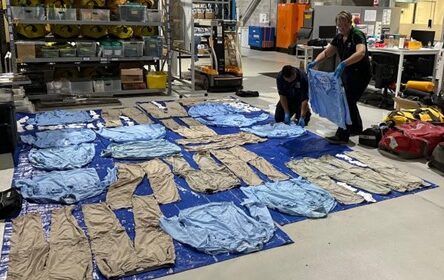
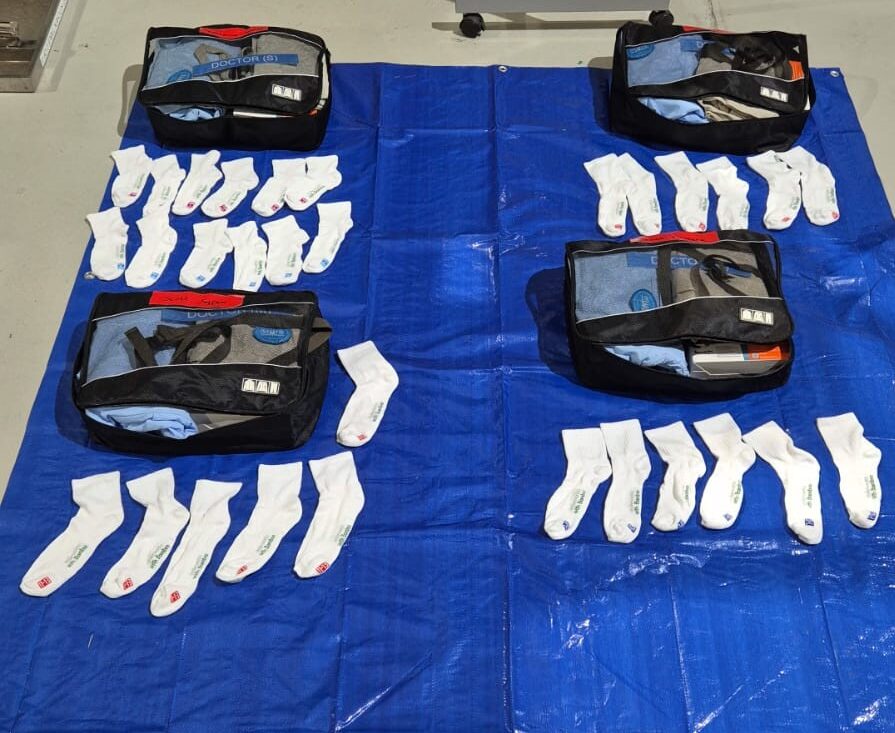
Permethrin-treated AUSMAT uniforms and socks.
Electronic insect repellent devices were not utilised due to their potential to generate heat.
“We are relieved that no AUSMAT member contracted dengue during the deployment. Thanks to the through preparation by the teams at NCCTRC,” Dr Gibney noted.
Post-deployment
A rapid interdisciplinary approach to mosquito bite prevention successfully mitigated dengue risk for the deployed AUSMAT members.
The public health advice developed and lessons learned will be applied by the NCCTRC to future deployments in the region.
"Mosquito bite prevention measures are applicable across different mosquito species, helping prevent not only dengue but other mosquito-borne illnesses prevalent in the region such as malaria, chikungunya, Zika and Japanese encephalitis," Dr Gibney concluded.