A year in Geneva: Erica Bleakley reflects on her WHO secondment
26 Nov 2026
Written by Erica Bleakley
NCCTRC Allied Health and Rehabilitation Coordinator, Erica Bleakley, recently returned to Australia following a 12-month secondment to the Emergency Medical Teams (EMT) Secretariat at the World Health Organization (WHO) headquarters in Geneva, Switzerland. The secondment reflected the longstanding collaboration between the National Critical Care and Trauma Response Centre (NCCTRC) and the EMT Secretariat, and the Australian Government’s sustained commitment to global health security architecture.
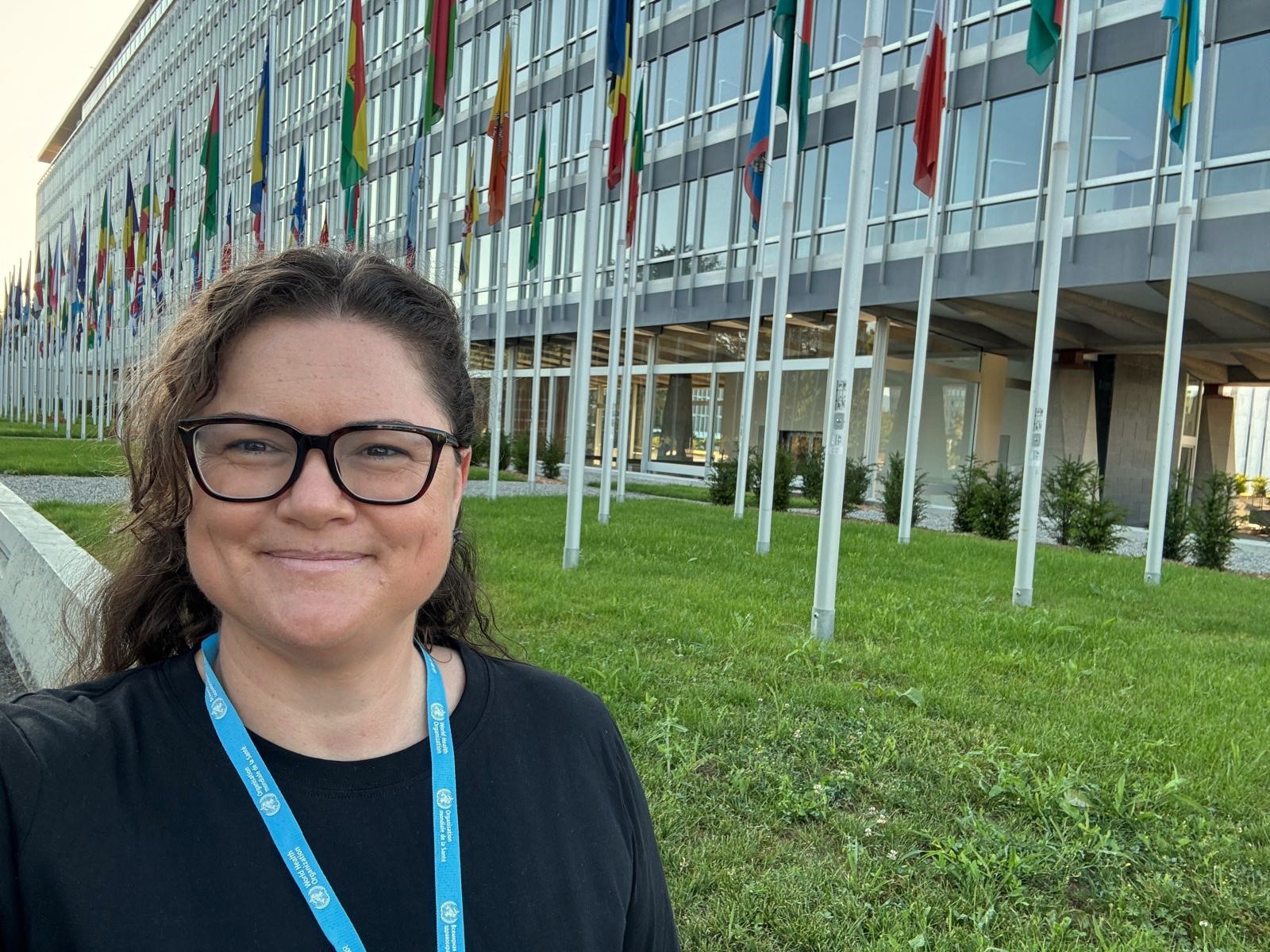
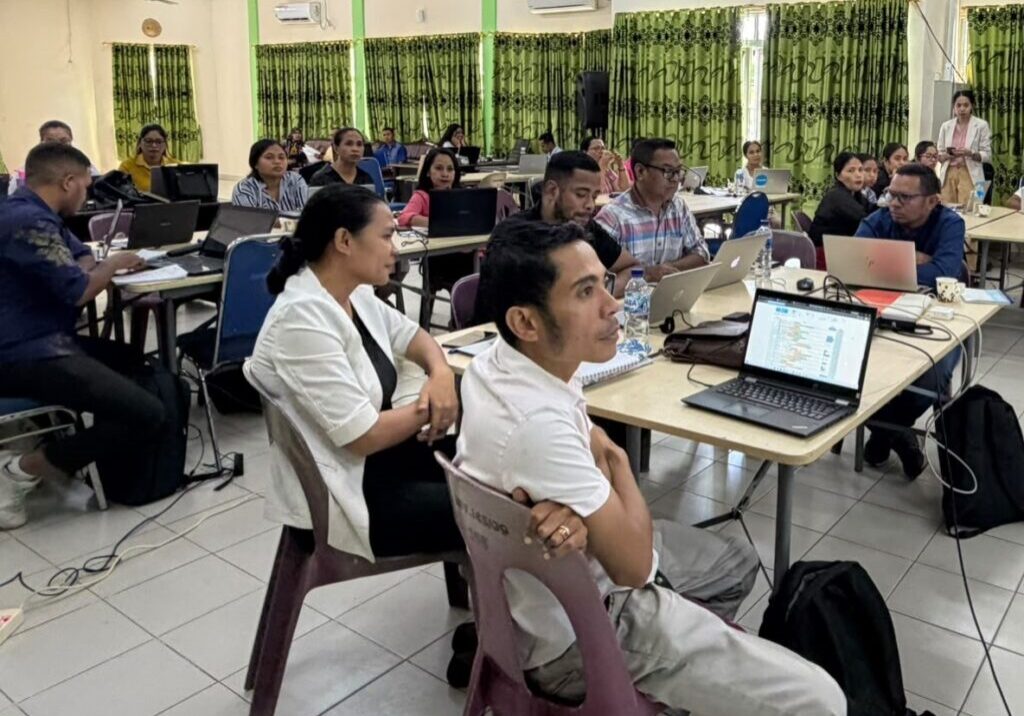
When at home, Erica is part of the NCCTRC’s Regional Engagement Program (REP), which focuses on health emergency preparedness and response strengthening in the Pacific and Timor-Leste. This secondment provided exposure to emergencies, contexts and programs of a larger scale, focusing on unfamiliar diseases and responding to events rarely seen in the course of her usual work.
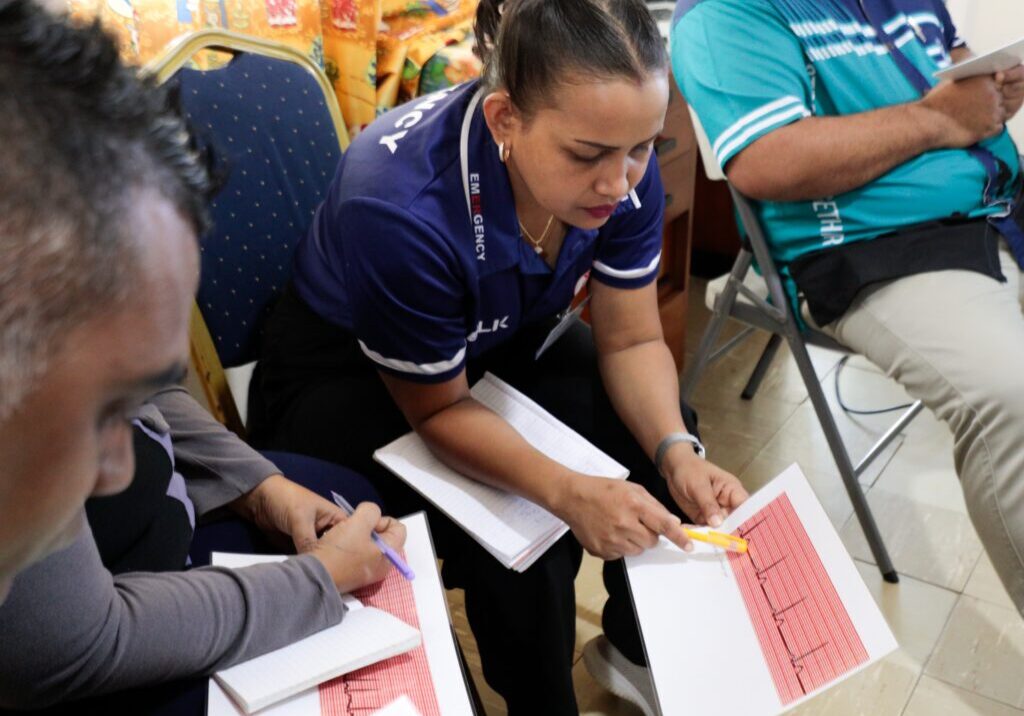
During her time in Geneva, Erica worked on projects relating to EMT development, deployment, and quality assurance, and on rehabilitation in emergencies-focussed initiatives. Erica had the opportunity to travel to multiple countries, working with national counterparts to deliver training and EMT assessment activities.
For Erica, the secondment was a valuable opportunity to observe and contribute to the work of the EMT Secretariat and WHO more broadly. “It was a steep learning curve at times, trying to learn the structure and language of the WHO, but it was eye opening to see how the many pieces of the organisation come together to respond to health emergencies in far flung, often very remote locations,” said Erica.
Globally, EMTs are increasingly activated in response to a broadening range of emergencies, including infectious disease outbreaks, climate-related and other sudden onset disasters, and conflicts. “Having been involved with AUSMAT since 2016, there were many occasions to reflect upon the evolution of EMTs from capabilities focused on international deployment, to the current impetus for countries to have national EMTs that are designed, trained and resourced to meet the specific needs of their own risks, hazards, populations, and health systems,” said Erica.
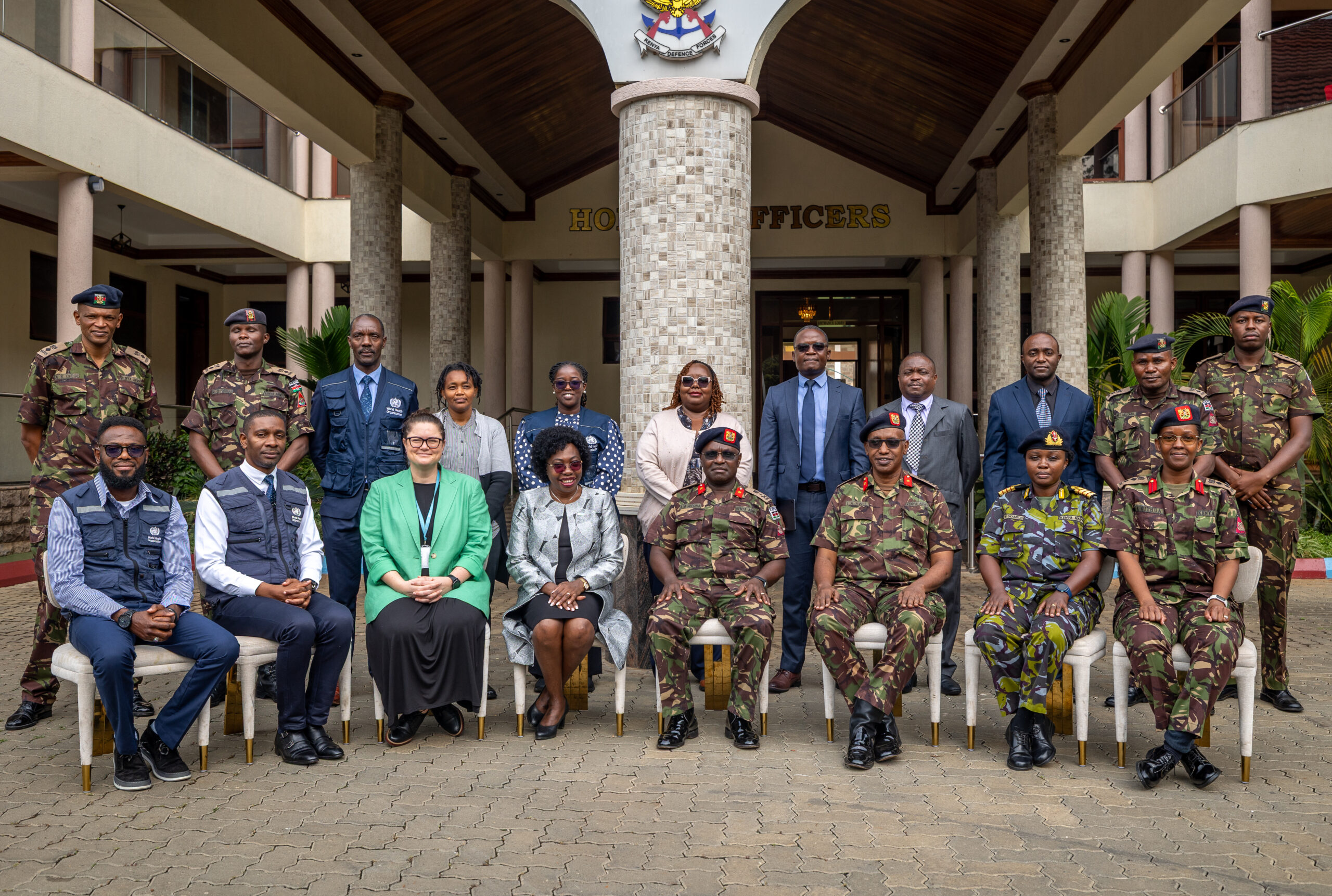

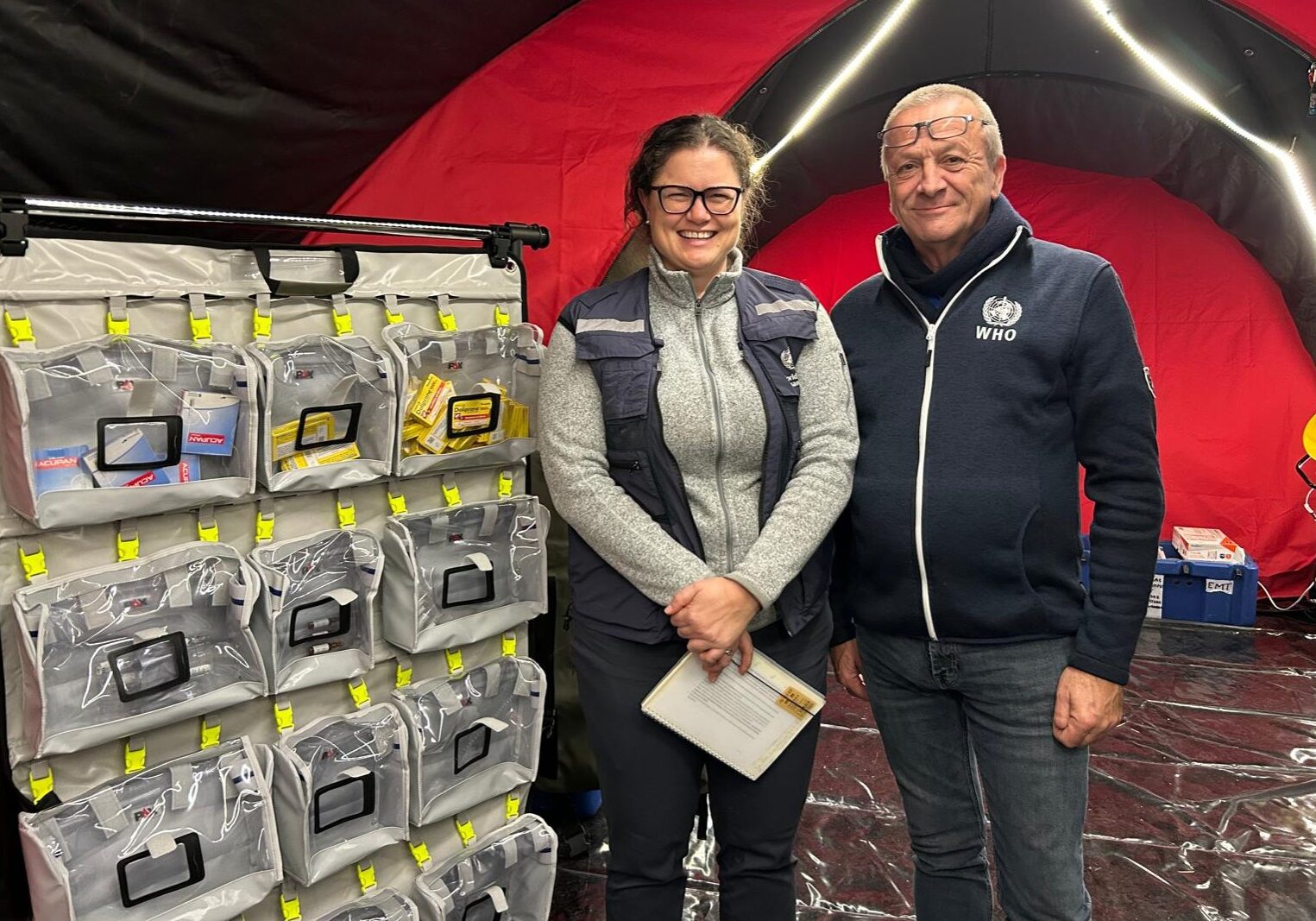
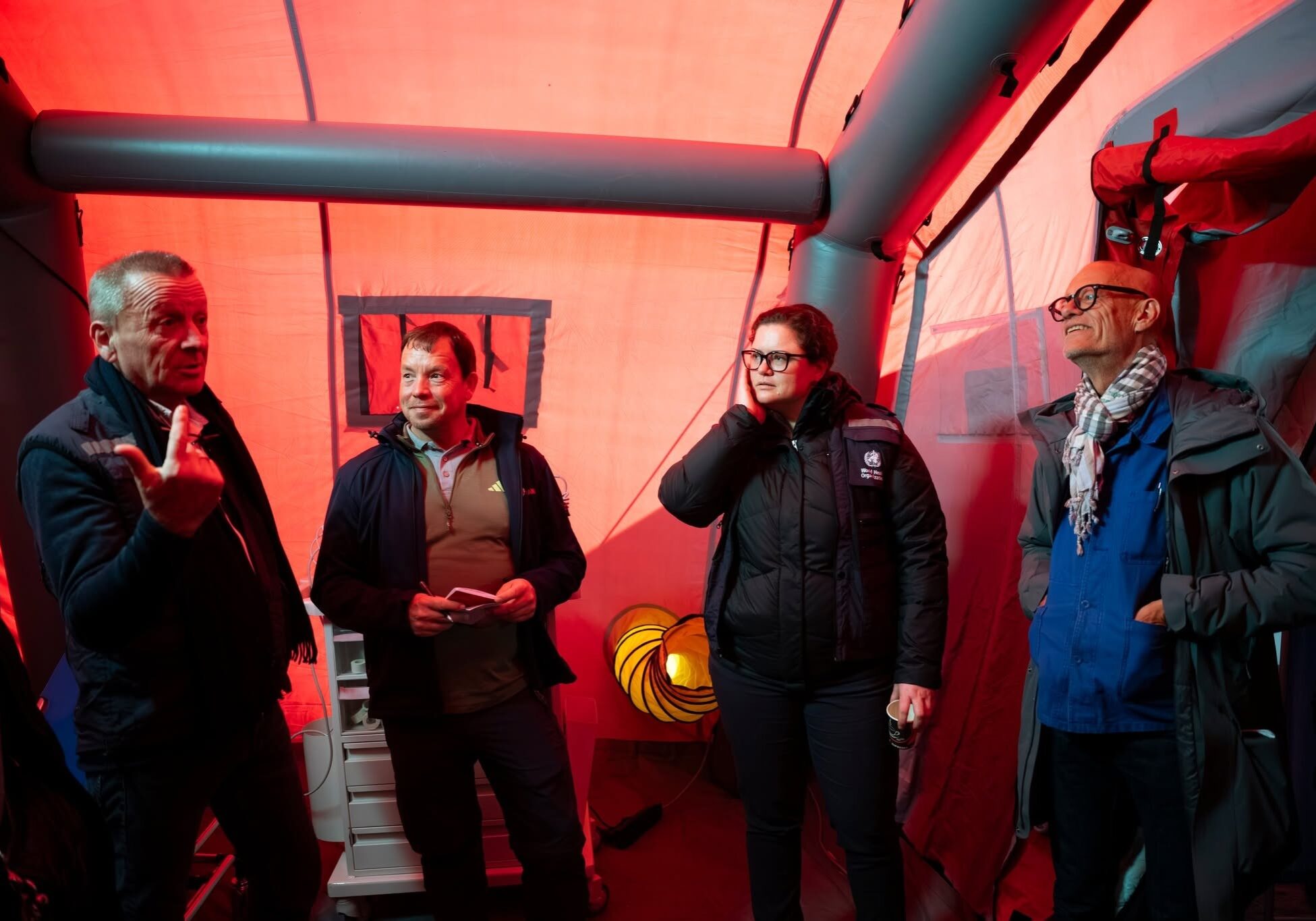
“I feel very fortunate to have had the chance to work alongside so many people with incredible knowledge and experience of global health and health emergency response. The complexity of the humanitarian environment often seemed to be infinite, but it was impressive to see how challenges were addressed with professionalism and commitment across all levels of the organisation. I am very grateful to the EMT Secretariat and all WHO colleagues for their warm welcome and collaboration and look forward to working together in the future”
Since returning to the NCCTRC, Erica has resumed her work with the REP, while continuing several WHO projects she commenced on her secondment. She is eager to leverage the experiences and knowledge gained in Geneva to enhance her work with colleagues at the NCCTRC and in the Pacific and Timor-Leste.