NCCTRC leads national quarantine facility following hantavirus outbreak

01 Jul 2026

Written by Carla Yeung

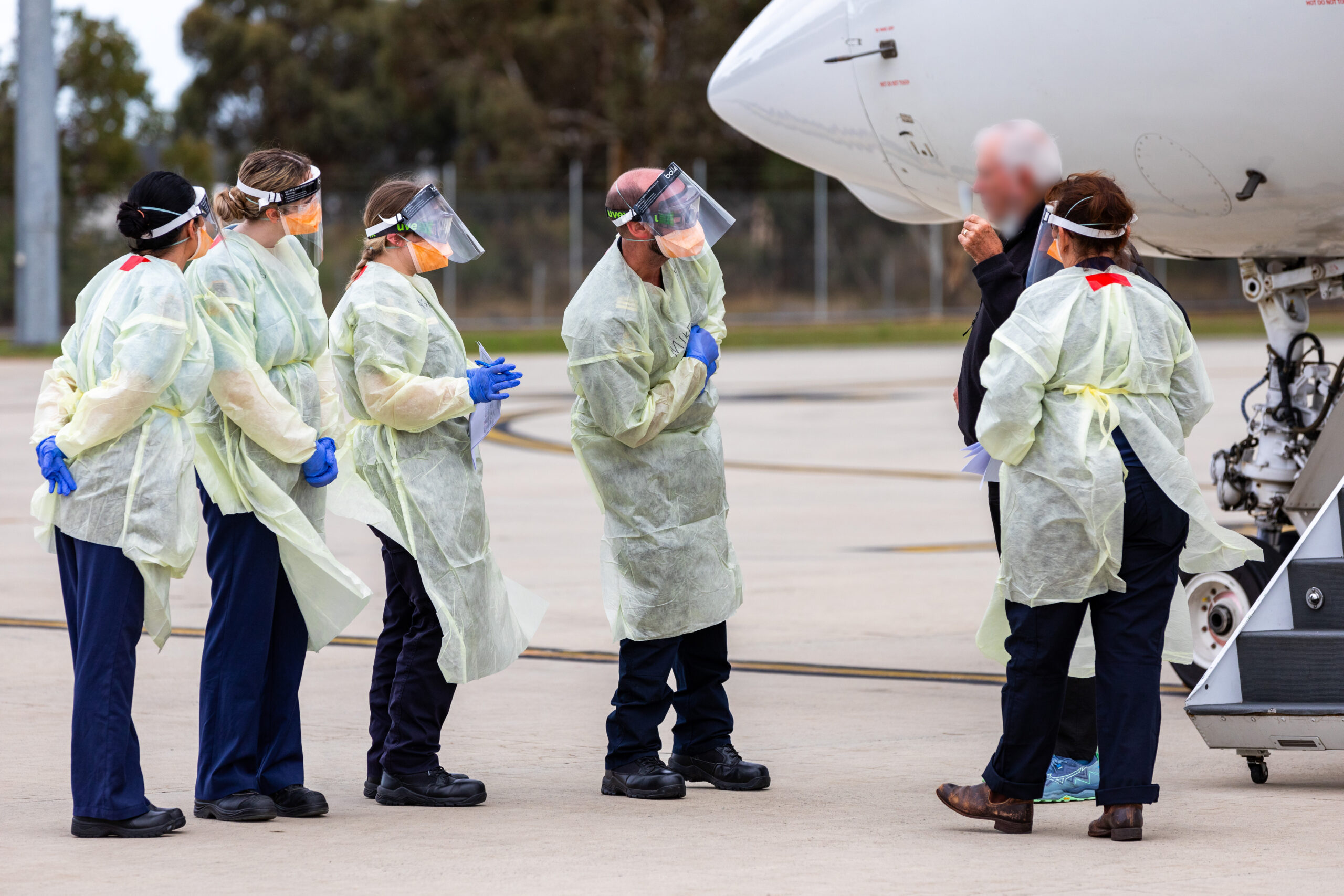
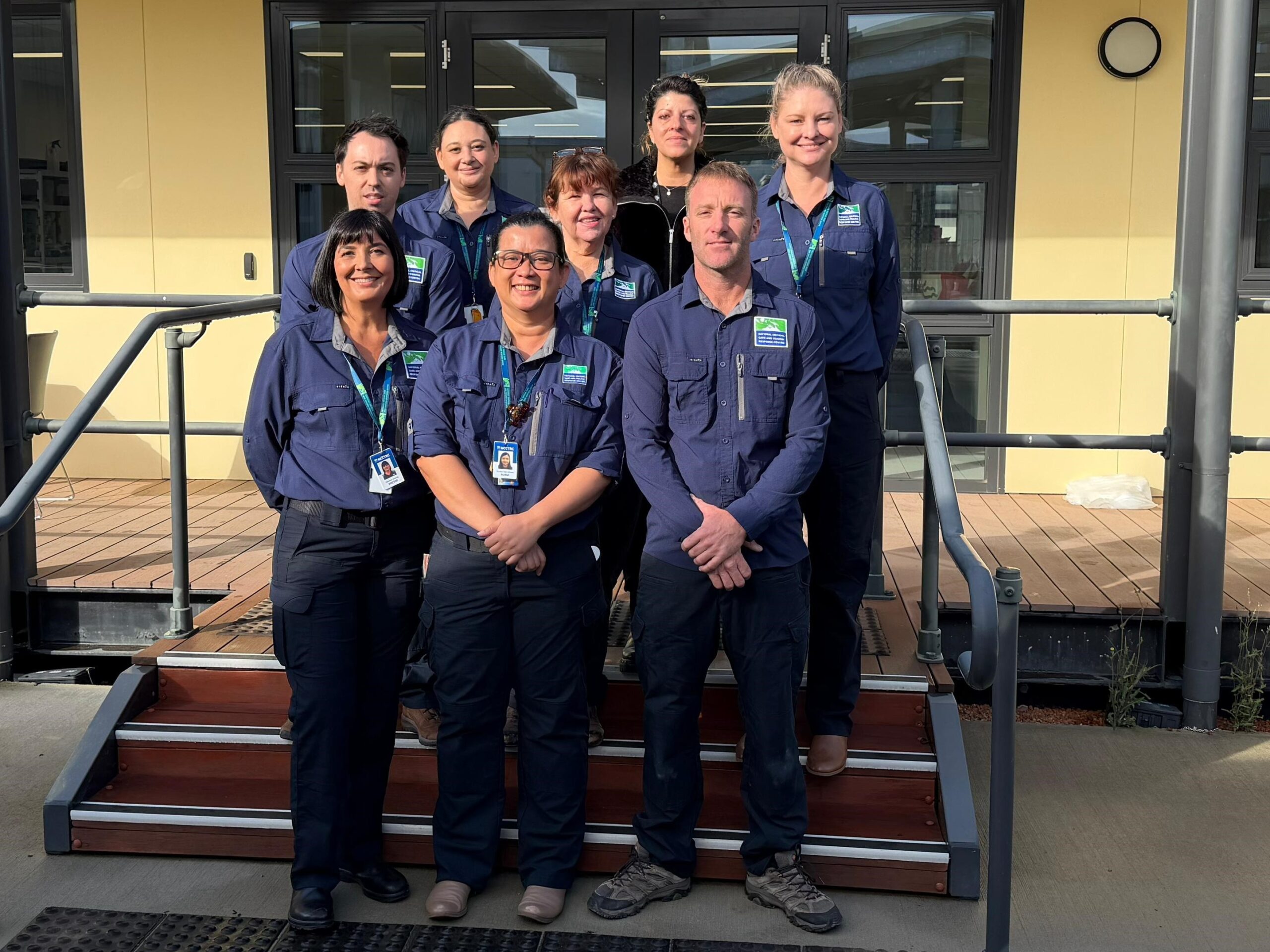
The National Critical Care and Trauma Response Centre (NCCTRC) led the Australian Government’s health response to manage the quarantine of 6 passengers from the MV Hondius at the Centre for National Resilience (CNR) in Bullsbrook Western Australia.

The group of 4 Australian citizens, one permanent resident and one New Zealand citizen were repatriated to Australia following potential exposure to hantavirus during an outbreak on board the expedition cruise vessel in April. After arriving in Western Australia from the Netherlands, the group entered quarantine at the Bullsbrook facility, 40 minutes north-east of Perth, where they were supported under quarantine measures throughout the 6-week observation period.

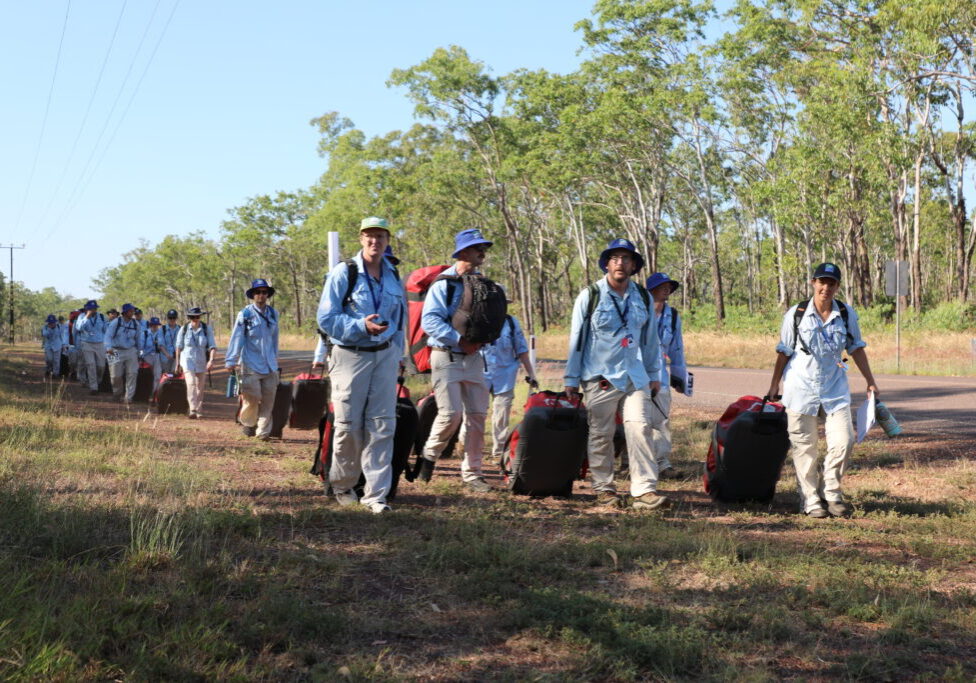
NCCTRC personnel deployed from Darwin to lead the establishment and operational management of the facility, drawing on the Centre’s experience in infectious disease preparedness, quarantine operations and deployable health response. The team worked closely with the Australian Government and Western Australian partners to support safe reception, monitoring and care arrangements.

During quarantine passengers underwent regular health assessments, including symptom monitoring and diagnostic testing, while remaining safely isolated from the broader community. The operation prioritised both public health protection and the health, wellbeing and practical needs of those completing quarantine.

Following 42 days of quarantine, all 6 passengers remained well, consistently tested negative for hantavirus and were supported to continue their onward travel home.

The deployment highlights the importance of maintaining national capability to rapidly establish and operate controlled health facilities during complex public health emergencies. It also reflects the value of coordinated planning, strong partnerships and specialist health capability.

NCCTRC Executive Director Professor Len Notaras AO said the response reflected the Centre’s ability to bring together specialist personnel, systems and operational experience at short notice.

This operation required careful coordination across jurisdictions and agencies to support passengers while protecting the health and safety of the wider community.
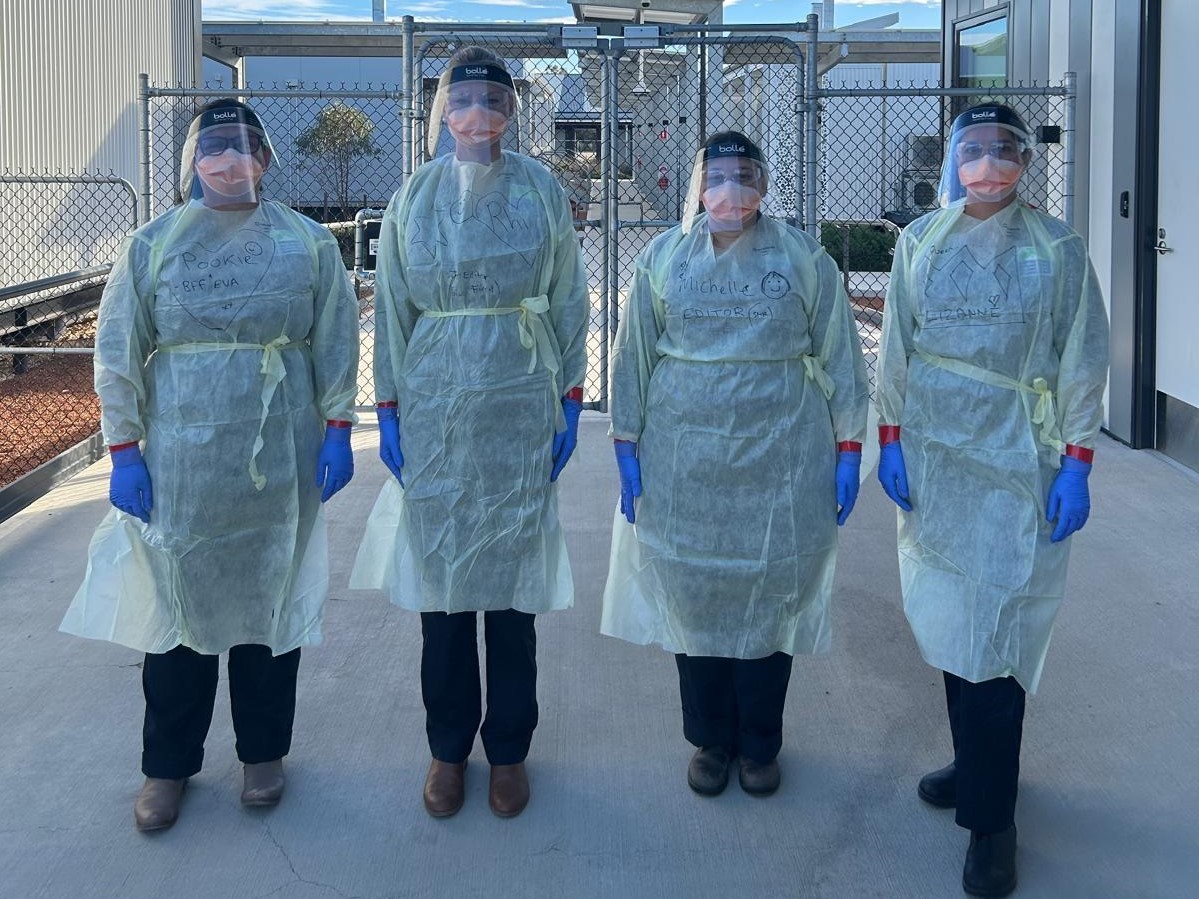
“I thank all NCCTRC personnel and partner agencies involved in this response for their professionalism, compassion and commitment throughout the deployment.” Professor Notaras said.

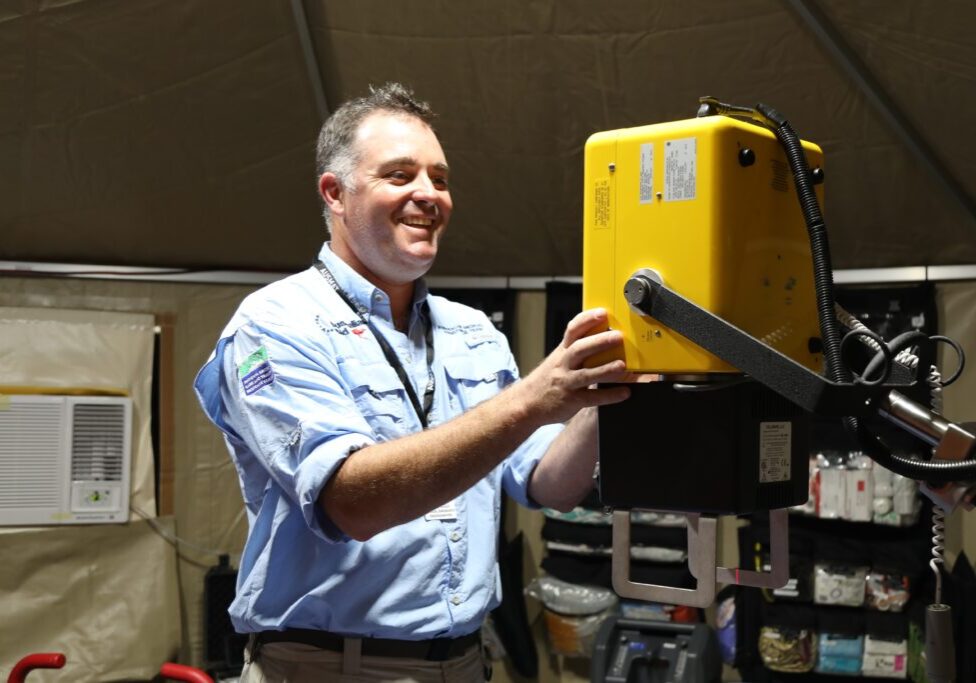
The NCCTRC continues to support Australia’s capacity to prepare for, respond to and recover from health emergencies through training, operational readiness and deployable health capability.
Next news
Latest news
Picture2

Hantavirus: a rare but significant international outbreak

Baucau 6 2

Bringing accessible critical care education to regional Timor-Leste

 74A2819

Managing risk in the field: vector and pest control at the AUSMAT Health Logistics course

AUSMAT Deployment Katherine TC Narellesmall

AUSMAT supports Katherine Hospital during Tropical Cyclone Narelle

Treated Socks And Uniform Packs (permethrin Impregnated) Square

Mosquito bite prevention in the field – rapid public health guideline development for dengue outbreak response

 O3A6482 2

Pacific spotlight on Barbara Sobi: shaping nursing and emergency readiness in Papua New Guinea

Previous stories
Image (1)

Remote and rural trauma education across the Northern Territory

Image000001

Safety and security – A team sport

Polio Egyptian Stele

Unravelling the legacy of polio: From historical origins to global eradication initiatives

IMG 5293

Pacific spotlight: building emergency care in Tonga with Dr Pafilio Tangitau

Treated Socks And Uniform Packs (permethrin Impregnated) Square

Mosquito bite prevention in the field – rapid public health guideline development for dengue outbreak response