Pacific spotlight on Anne Tamata: putting rehabilitation at the centre of emergency response
22 Jul 2026
Written by Erika Lu
When Anne Tamata first applied to study physiotherapy, she had no idea what the profession involved.
"It was on the government's priority list," she recalled. "I knew what a doctor was. I knew what a pharmacist was. I didn't know what a physiotherapist was."
With limited access to information about the profession at that time, Anne simply submitted her application and began a journey that would shape her career and her contribution to rehabilitation services in Vanuatu.
Today, Anne is a member of the Vanuatu Medical Assistance Team (VANMAT) and a senior physiotherapist with the Vanuatu Ministry of Health.
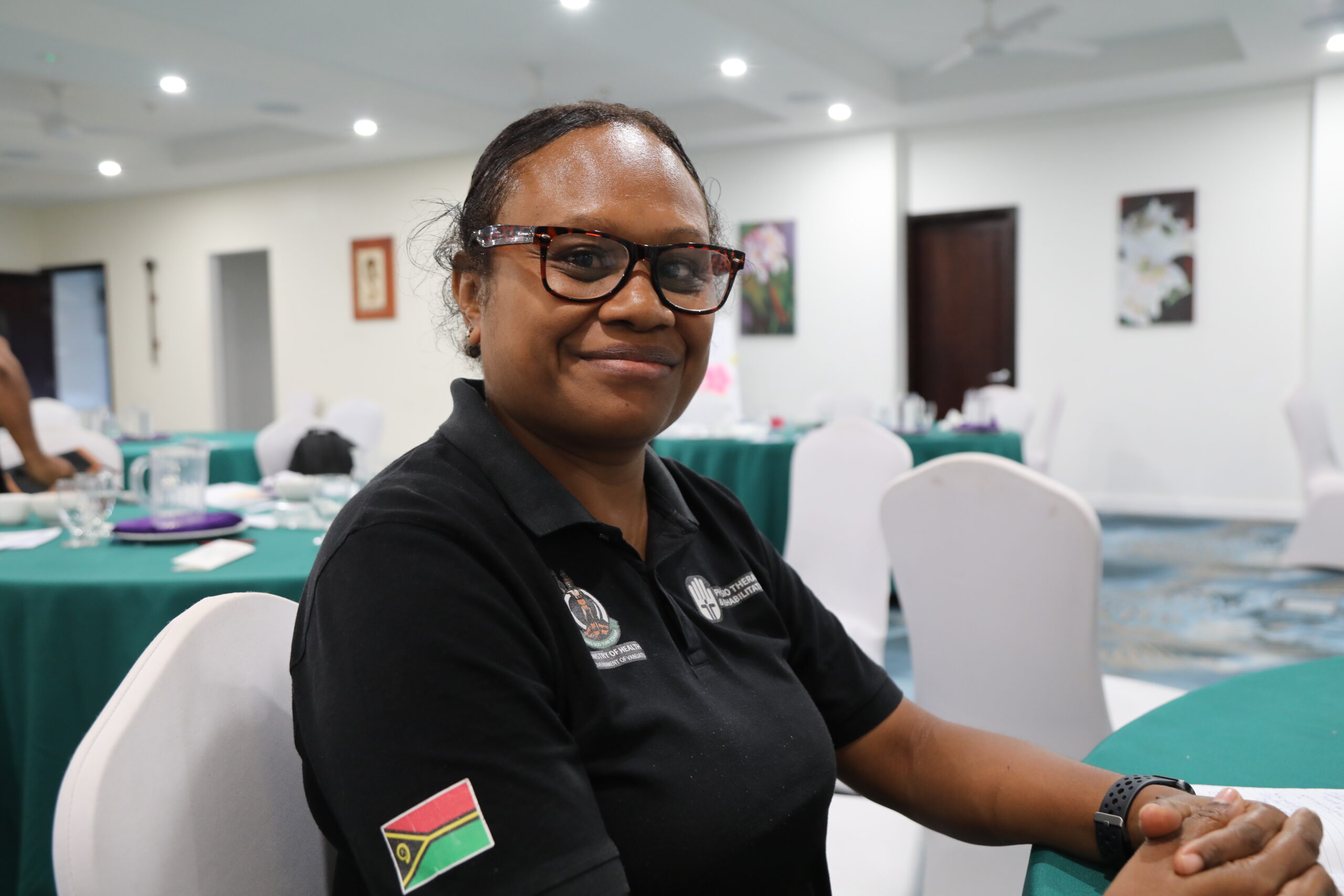
Based at Vila Central Hospital (VCH), she supports patients, contributes to rehabilitation services and advocates for rehabilitation as an essential part of health emergency response.
Anne’s experience working alongside the Australian Medical Assistance Team (AUSMAT) during the response to the 2024 Vanuatu earthquake, followed by ongoing collaboration through the National Critical Care and Trauma Response Centre's (NCCTRC) Regional Engagement Program (REP), has further strengthened her commitment to building rehabilitation capability across Vanuatu.
Leading rehabilitation through crisis and collaboration
Vanuatu is no stranger to disasters and emergencies. Following the 7.2 magnitude earthquake in Port Vila on 17 December 2024, Anne led the VCH physiotherapy team through an emergency response characterised by increased demand for trauma rehabilitation, disruptions to usual services and the need to prioritise service delivery.
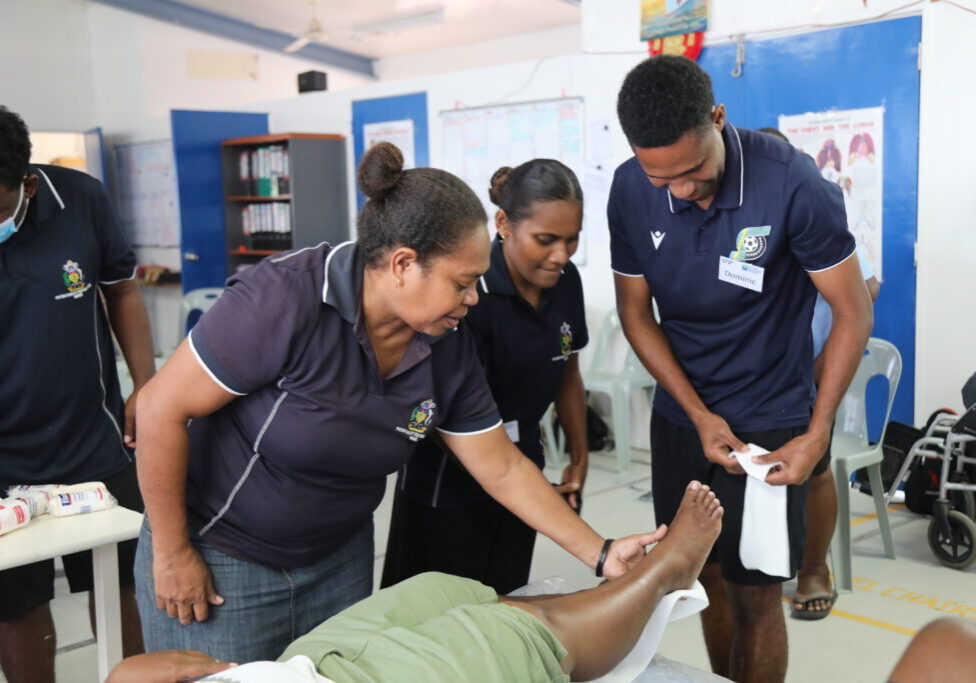
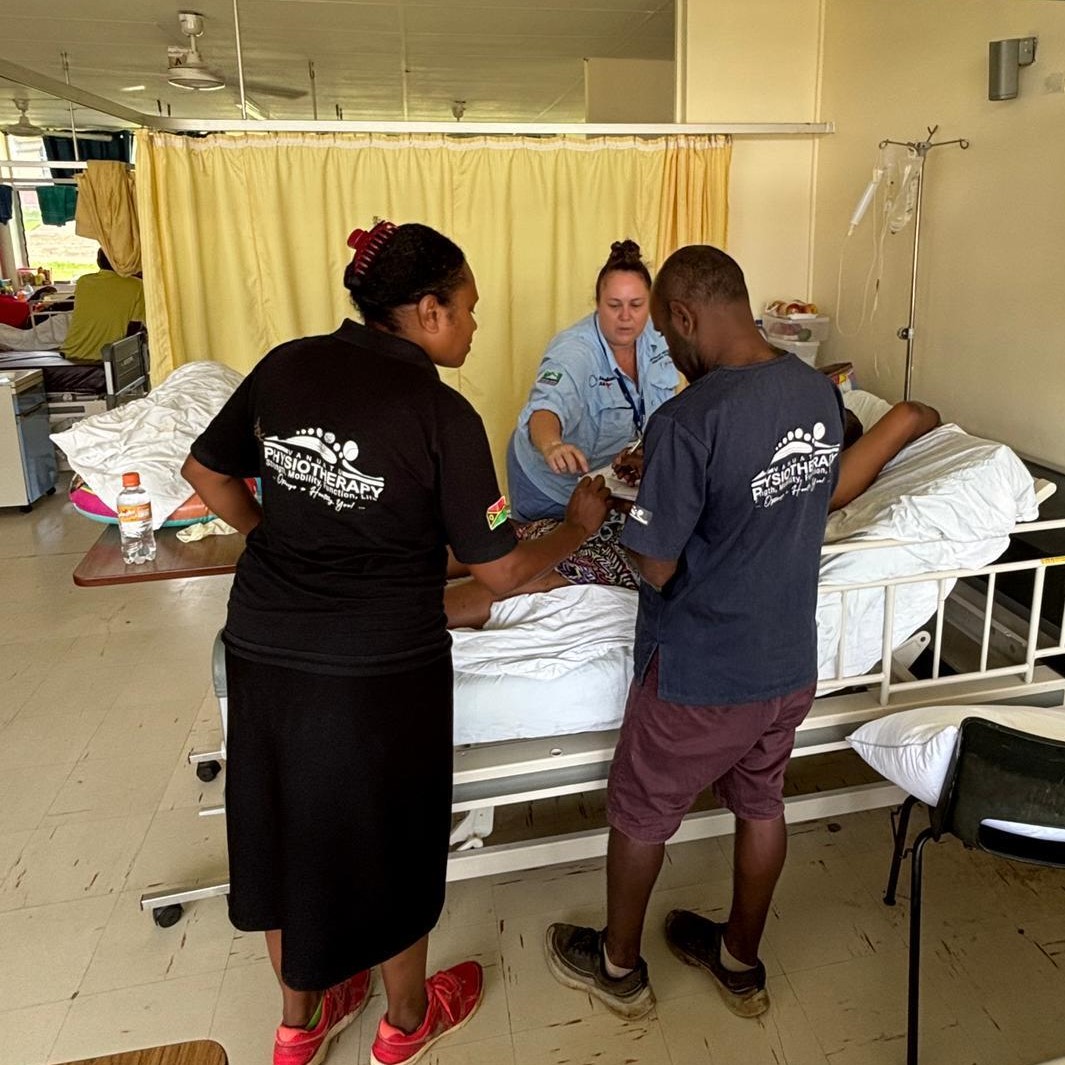
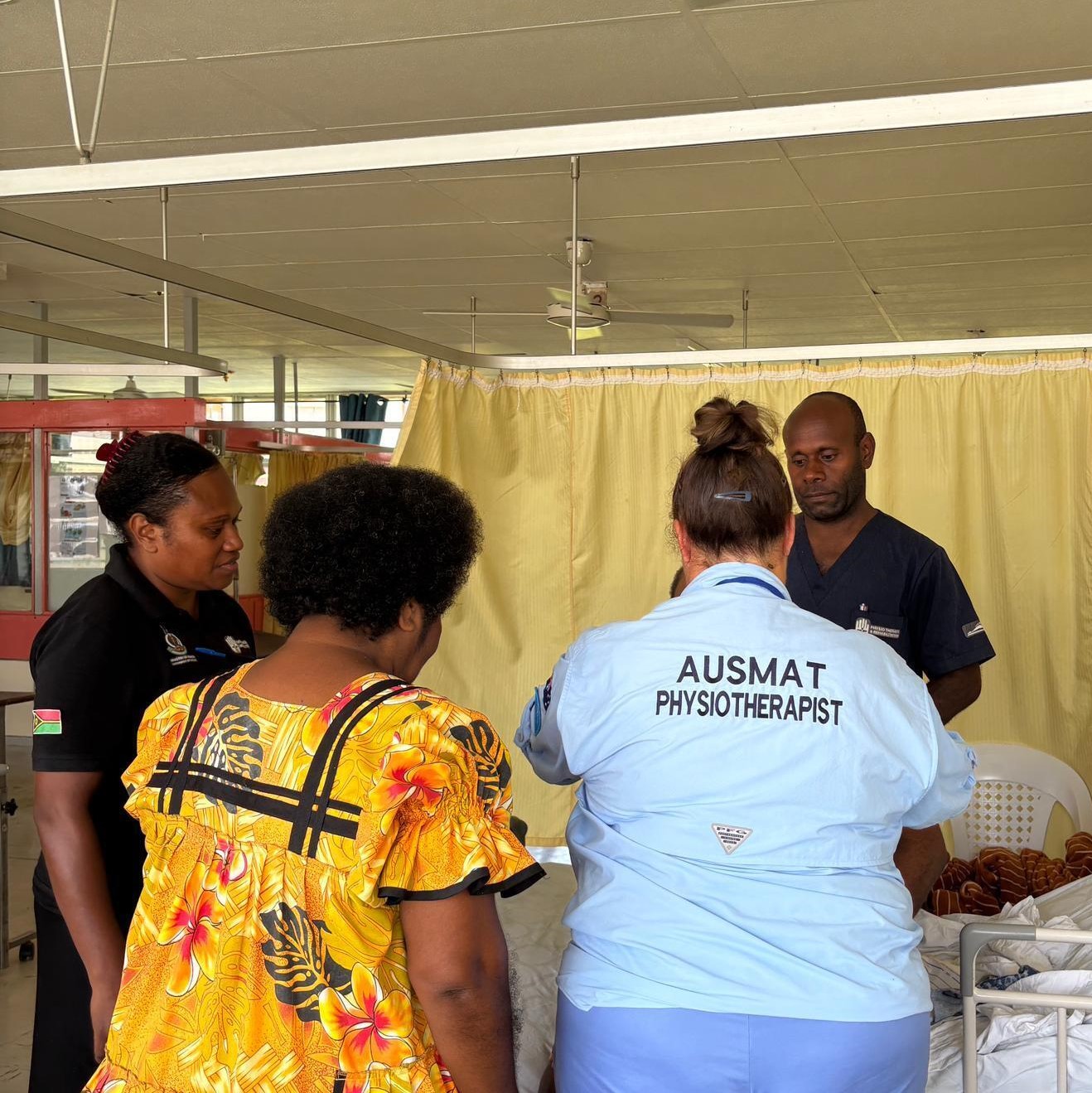
For the first time, VCH physiotherapists collaborated with an international Emergency Medical Team (EMT) to meet demand for rehabilitation. Anne’s leadership was key to maintaining essential rehabilitation services, ensuring physiotherapy was included within coordination mechanisms, reporting rehabilitation activity and supporting a planned return to business as usual.
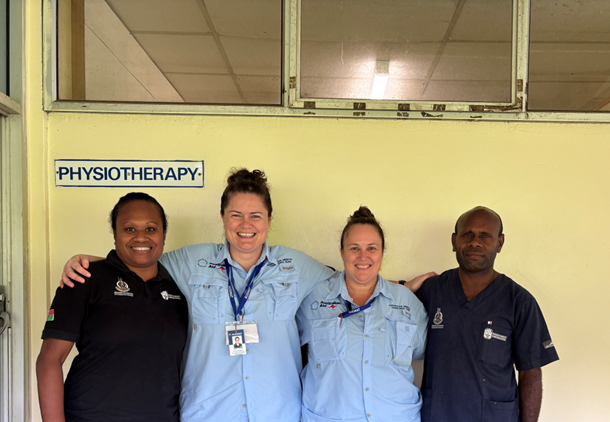
The arrival of AUSMAT rehabilitation staff, including occupational therapist Erica Bleakley and physiotherapist Kylie Dunn, provided valuable support, allowing the VCH physiotherapy team to strengthen rehabilitation services while responding to the needs of patients and the wider community.
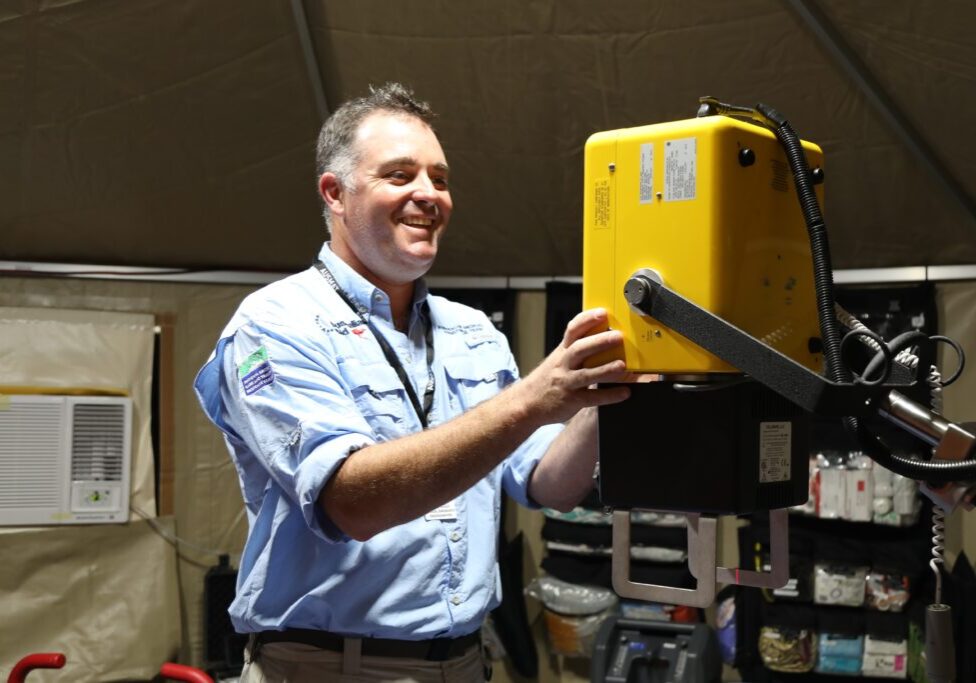
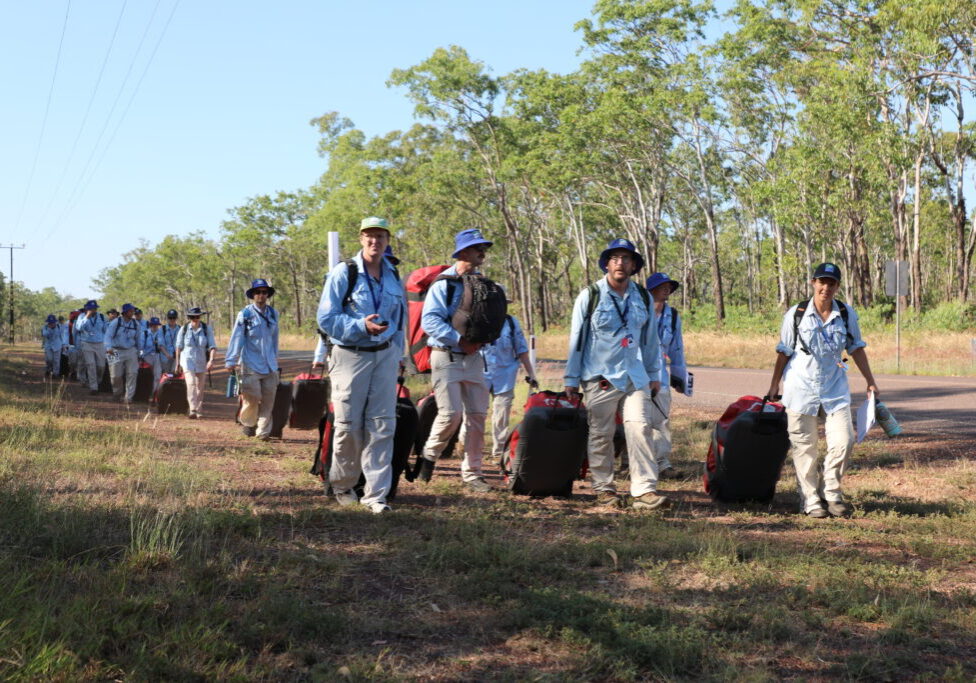
This marked the first AUSMAT deployment of a Surgical Specialist Cell with rehabilitation professionals and a biomedical engineer, expanding the team's ability to support patient care and maintain vital hospital equipment during the response.
The partnership allowed Anne to focus beyond the hospital and strengthen referral pathways.
"The AUSMAT team told me, 'Go. We'll handle the clinic with the VCH physiotherapy team.' That gave me the confidence to meet with disability partners and community groups to make sure people knew rehabilitation services were available."
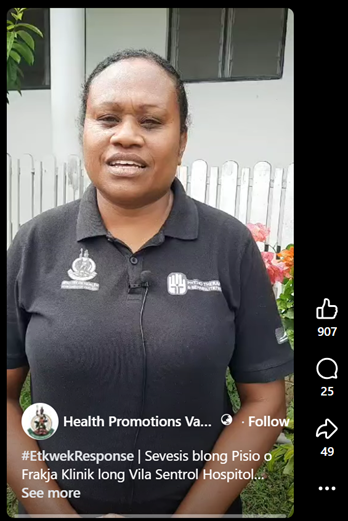
With communication networks disrupted following the earthquake, Anne recorded a public awareness message encouraging people not to delay seeking care.
The message raised awareness of available services, with more patients presenting for assessment and treatment.
For Anne, the response reinforced the importance of including rehabilitation from the earliest stages of a health emergency.
Strengthening rehabilitation preparedness for the future
Anne’s collaboration with the NCCTRC has continued beyond the earthquake response through REP.
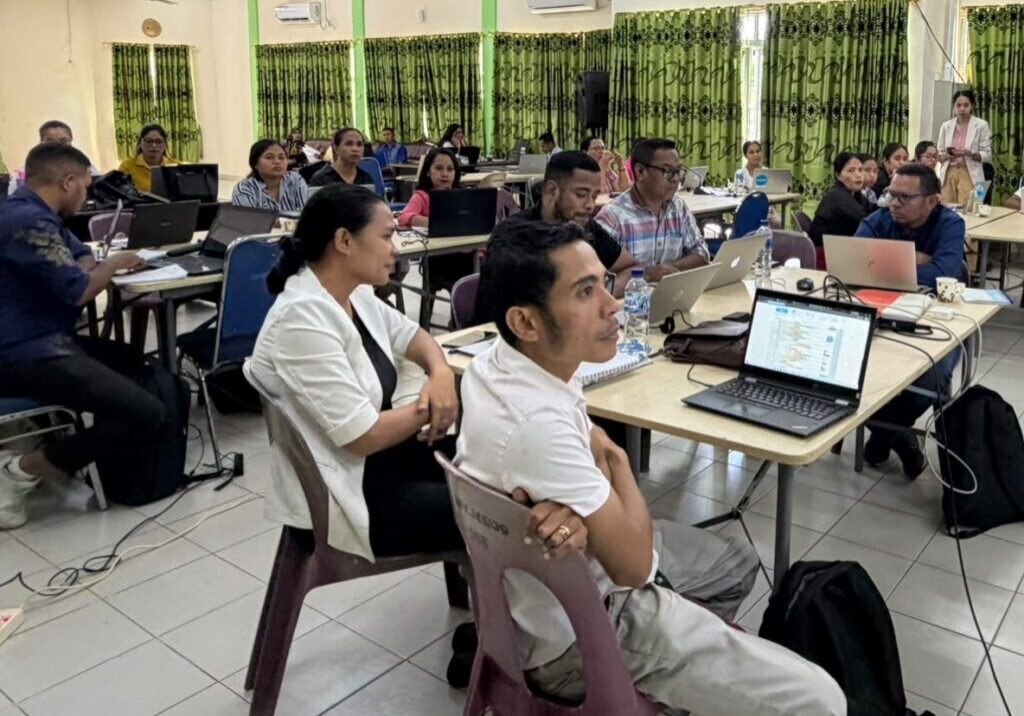
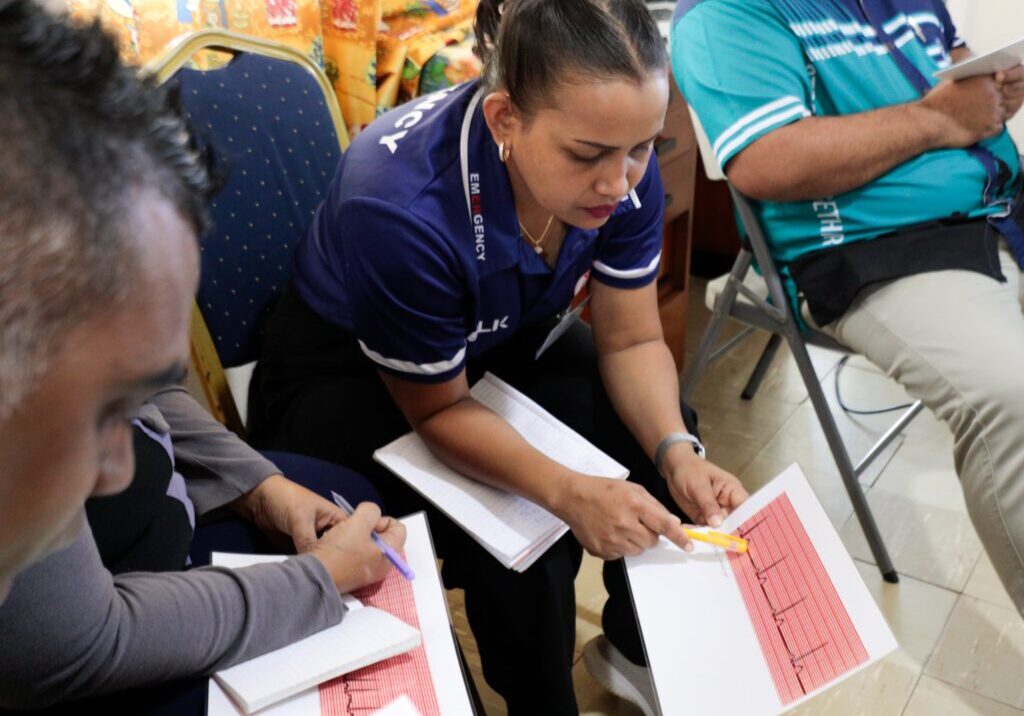
In 2025, she completed the 2-day Hospital Major Incident Medical Management and Support (HMIMMS) course. More recently, Anne participated in the 4-day World Health Organization Rehabilitation in Health Emergency Preparedness and Response (HEPR) Toolkit Workshop in Fiji, delivered in partnership with the NCCTRC REP.
For Anne, emergency rehabilitation is not only about treating injuries – it is about ensuring people can access the right support at the right time.
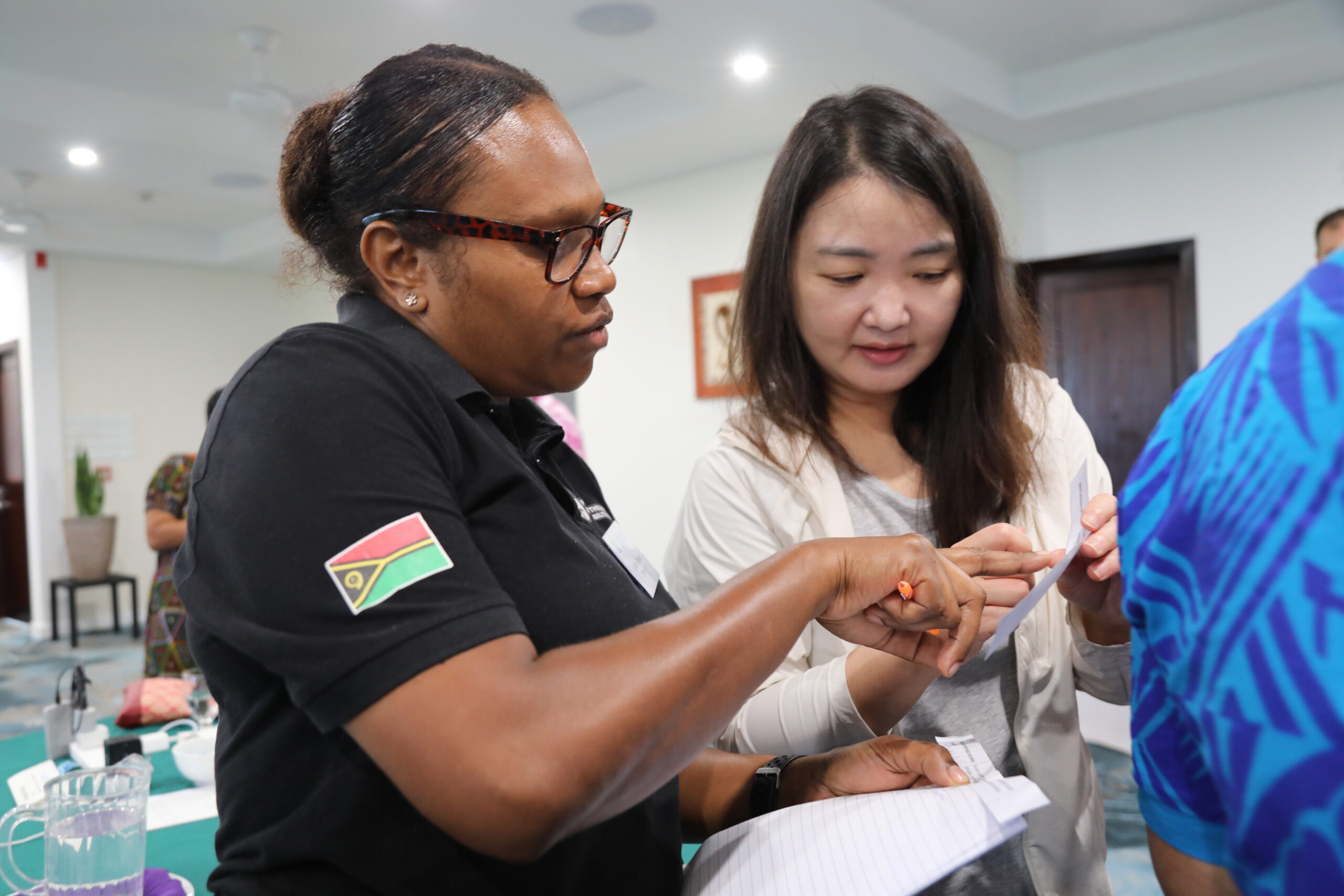
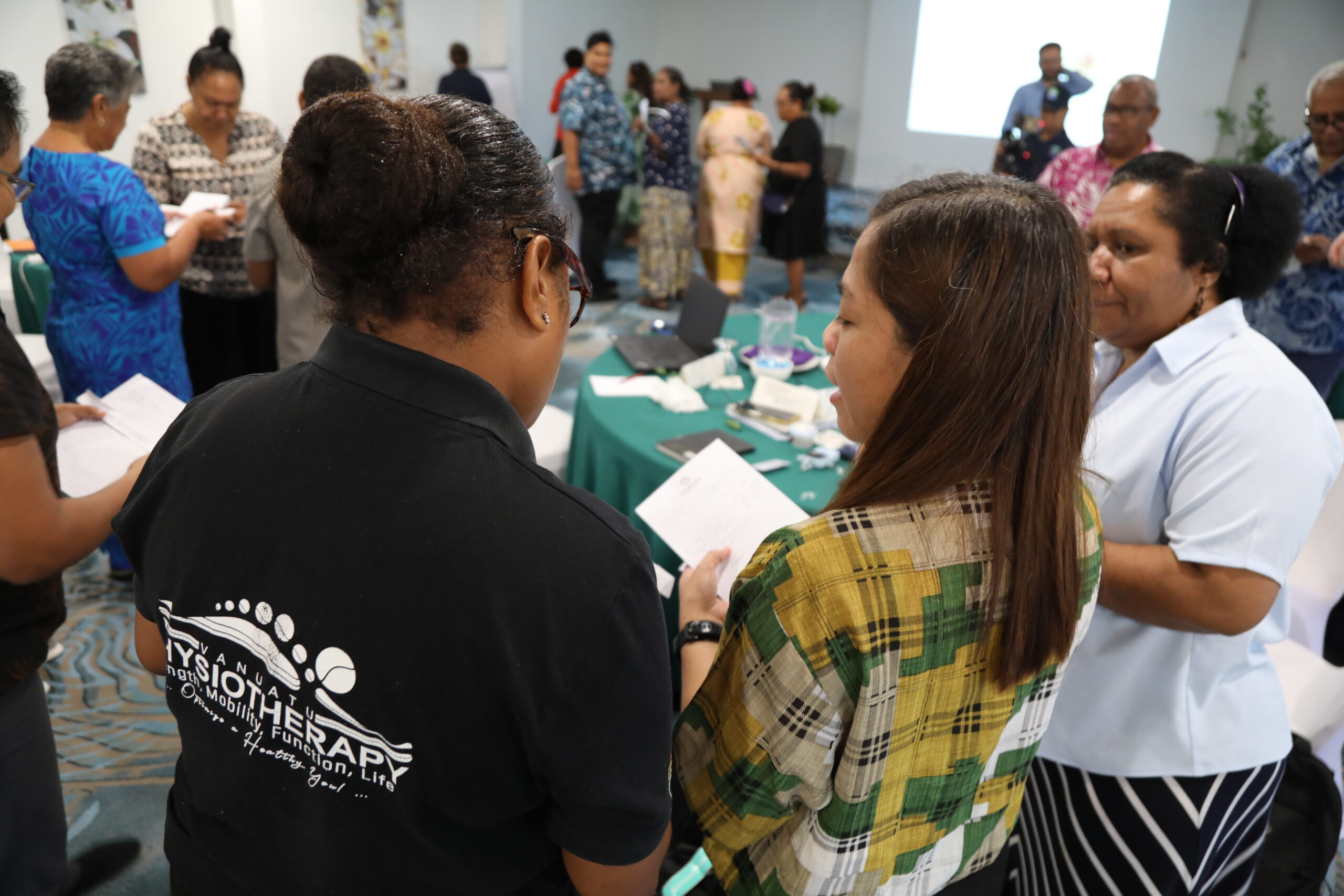
The training strengthened my understanding of emergency coordination and planning, including what Vanuatu can do to manage a surge of patients, prepare hospitals to receive casualties and ensure rehabilitation is part of the response.
Looking ahead
Rehabilitation is essential from the earliest stages of a response, helping people recover, regain independence and prevent long-term disability.
Through partnerships fostered by the NCCTRC REP, rehabilitation professionals such as Anne are strengthening emergency preparedness across the Pacific.
By sharing knowledge, building local capability and working before, during and after emergencies, regional partners are embedding rehabilitation as an integral part of health emergency preparedness and response.