PHOENIX takes flight: enhancing public health emergency responses in the Indo-Pacific
29 Nov 2024
Written by Meredith Neilson
The National Critical Care and Trauma Response Centre (NCCTRC), has been engaged by the Australian Government’s Department of Foreign Affairs and Trade under the Partnerships for a Healthy Region Initiative to implement a program aimed at building resilient and equitable public health systems with enhanced capacity to prepare for and respond to public health emergencies in the Indo-Pacific. This three-year initiative is titled the Public Health Operations in Emergencies for National Strengthening in the Indo-Pacific (PHOENIX).
The PHOENIX program is a significant initiative engaging with 22 countries including Cambodia, Indonesia, Laos, Malaysia, Myanmar, Philippines, Timor-Leste, Thailand and Vietnam in South East Asia; as well as the Federated States of Micronesia, Fiji, Kiribati, Palau, Papua New Guinea, Nauru, Niue, Republic of Marshall Islands, Samoa, Solomon Islands, Tonga, Tuvalu and Vanuatu in the Pacific.
The goal of the PHOENIX program is to achieve Strengthened pandemic preparedness and outbreak response systems and capacity in the Indo-Pacific. This will result in four key outcomes:
The program aims to achieve these outcomes by delivering a suite of training products to partner countries. It will offer training, mentoring, exercises and support to strengthen the public health workforce while collaborating with partners already established in the region. The training products include the World Health Organisation’s (WHO) Rapid Response Team (RRT) training, Global Outbreak Alert and Response Network (GOARN) and Public Health Emergency Operations Centre (PHEOC) training. Additionally, the PHOENIX program has the flexibility to build bespoke training products tailored to meet the specific needs of individual countries.


Localisation and ongoing sustainability are key considerations in the design of the program. Country planning workshops and engagement activities will enable each country to identify the public health emergency training needs, acknowledging that some countries may have very limited needs or highly specific requirements. Collaboration with the public health workforce of partner countries will ensure that there is no training duplication of existing training efforts. The PHOENIX program may also collaborate with organisations already active in this area. To date, the team’s key tasks have been stakeholder engagement, country needs assessments, country planning meetings and training program development.
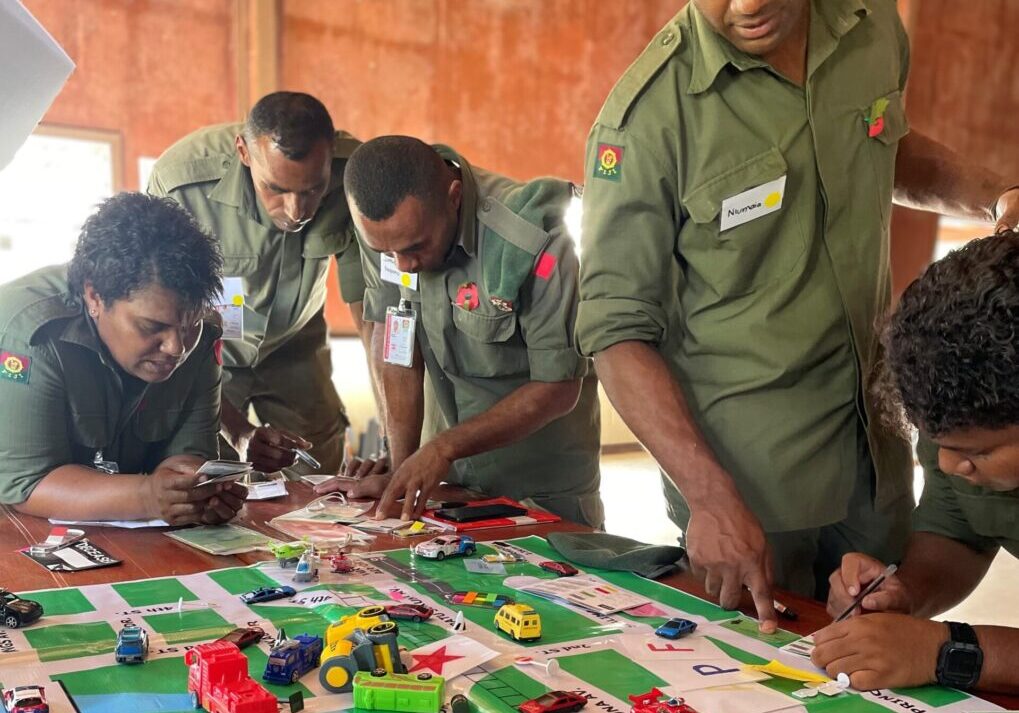
The PHOENIX team is developing a trainer-of-trainer program to build a pool of public health expert trainers to support future initiatives. The program has been developed for public health training leads and facilitators of upcoming PHOENIX training products. The trainer-of-trainer programs will be conducted throughout the program to equip trainers with the skills needed to teach and facilitate the localisation of training products. Whenever possible, a trainer-of-trainer course will piggyback PHOENIX training sessions to ensure we are providing future trainers the skills to teach. The first trainer-of-trainer program is scheduled for early 2025 in Darwin with the aim of training up to 25 participants. Additionally, mentorship will form part of the program, alongside developing a community of practice.


The PHOENIX team has been undertaking stakeholder engagement, including active participation in WHO Regional meetings such as the Asia Pacific Health Security Action Framework (APHSAF) Stakeholder Meeting in Manila and the Global Outbreak Alert and Response Network (GOARN) Regional Partners Meeting in Japan.
The PHOENIX team have been undertaking stakeholder engagement including active participation at WPRO meetings such as the APHSAF Stakeholder meeting in Manila and the GOARN Regional Partners meeting in Japan.
In September 2024 the PHOENIX program hosted and coordinated with WHO Western Pacific Regional Office the GOARN Tier 3 Outbreak Response Leadership Training for Women. The GOARN Tier 3 training included participants from several of the PHOENIX targeted countries who have since supported the team with stakeholder engagement in their countries. This was a very successful program, which achieved many of the program outcomes.
The PHOENIX team is also collaborating closely with public health staff in several countries including Indonesia and Timor-Leste to implement training products in early 2025. A regional GOARN Tier 2 course is also planned for June 2025, bringing together public health staff from multiple countries.


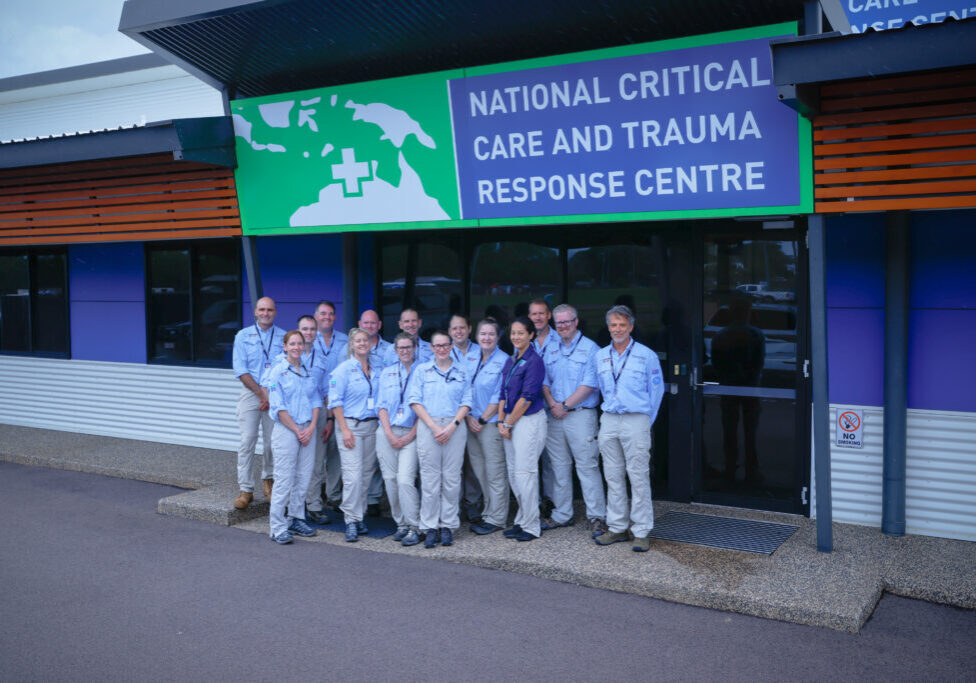
The PHOENIX team consists of Director of Education, Dr Maya Cherian, Director of Engagement, Meredith Neilson; and PHOENIX Administration Officer, Dinorah Caeiro-Alves. The team has also been recruiting to various positions, researching gender equality, disability and social inclusion approaches for the program, and exploring the development of a monitoring, evaluation and learning framework. Currently in a building and implementation phase, the team is excited for the opportunities and outcomes the program will bring to the Indo-Pacific region.