Strengthening Australia’s logistics deployable workforce
09 Oct 2025
Written by Erika Lu
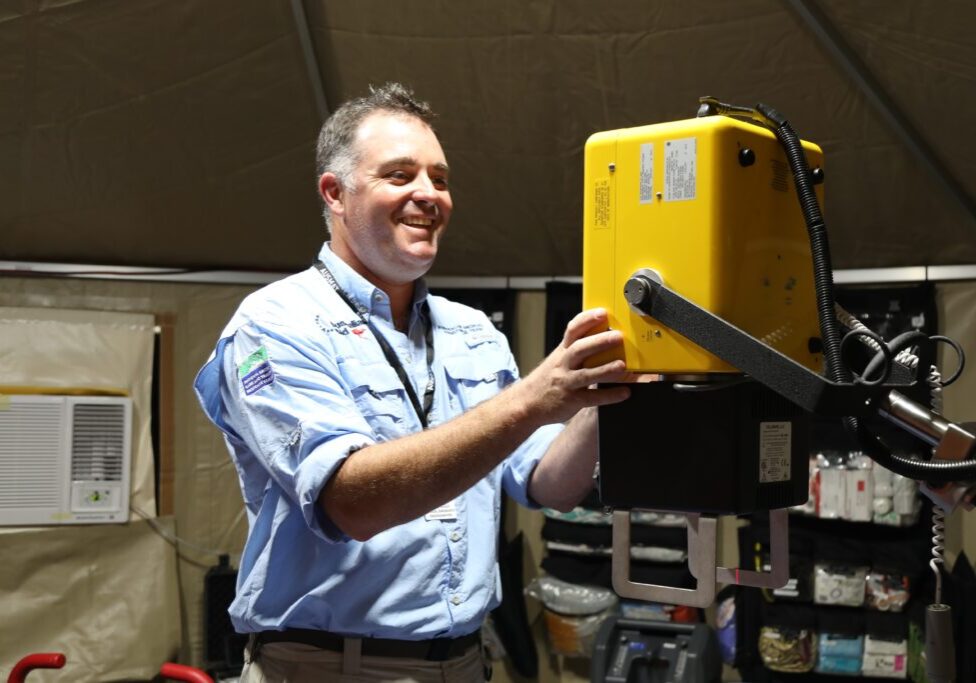
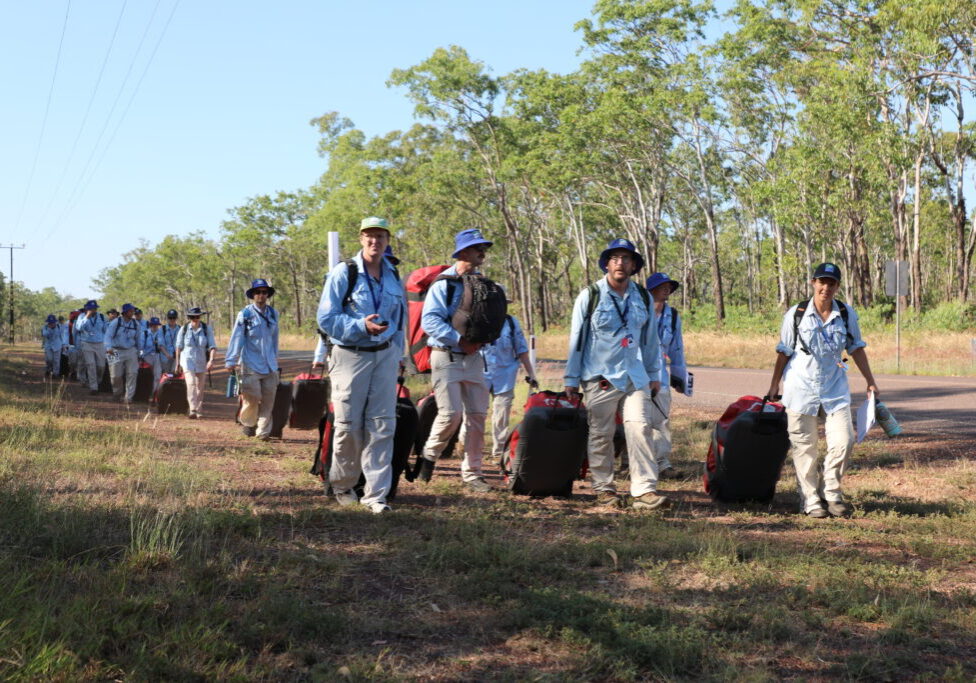
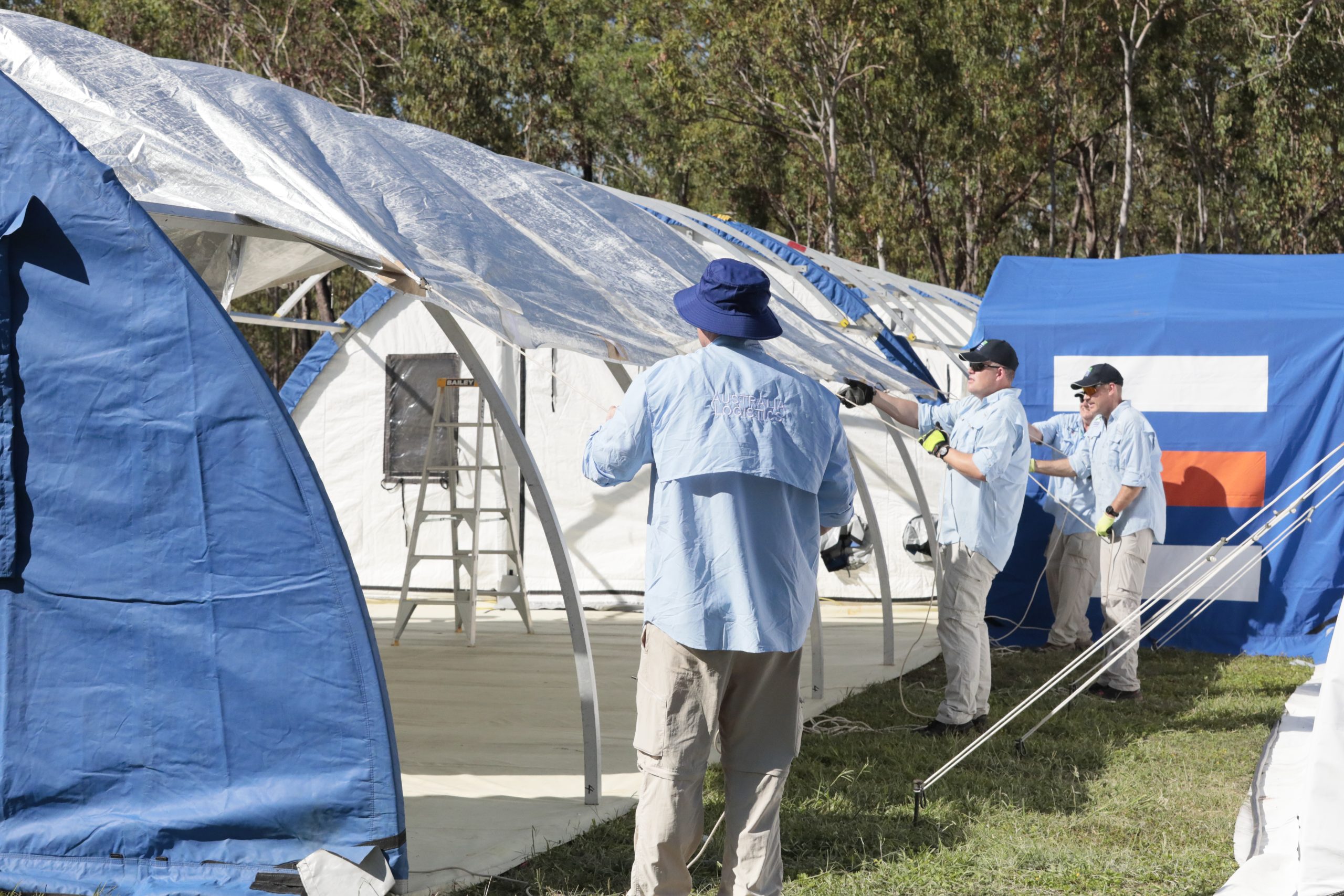
Logistics personnel from across Australia, alongside two colleagues from the Fiji Emergency Medical Assistance Team (FEMAT), recently completed the AUSMAT Health Logistics Course. Over eight days, participants were immersed in every aspect of field hospital logistics – from site selection and layout planning to the full assembly of the AUSMAT Emergency Medical Team (EMT) Type 2 Surgical Field Hospital. The course combined theory with practical exercises, giving participants the skills and confidence to respond effectively in high-pressure deployments.

Building the AUSMAT EMT Type 2 Surgical Field Hospital
Delivered by the National Critical Care and Trauma Response Centre’s Logistics, the course was led by Aaron Perry Director of Emergency Management and Logistics and Senior Logistician, together with Senior Logistician Ben Schmidt. It formed a key component of the intensive AUSMAT National Field Exercise.
“Our goal is to strengthen the AUSMAT logistics deployable workforce across Australia,” Aaron said. “Participants gained practical experience in planning, building and operating a complex field hospital.”
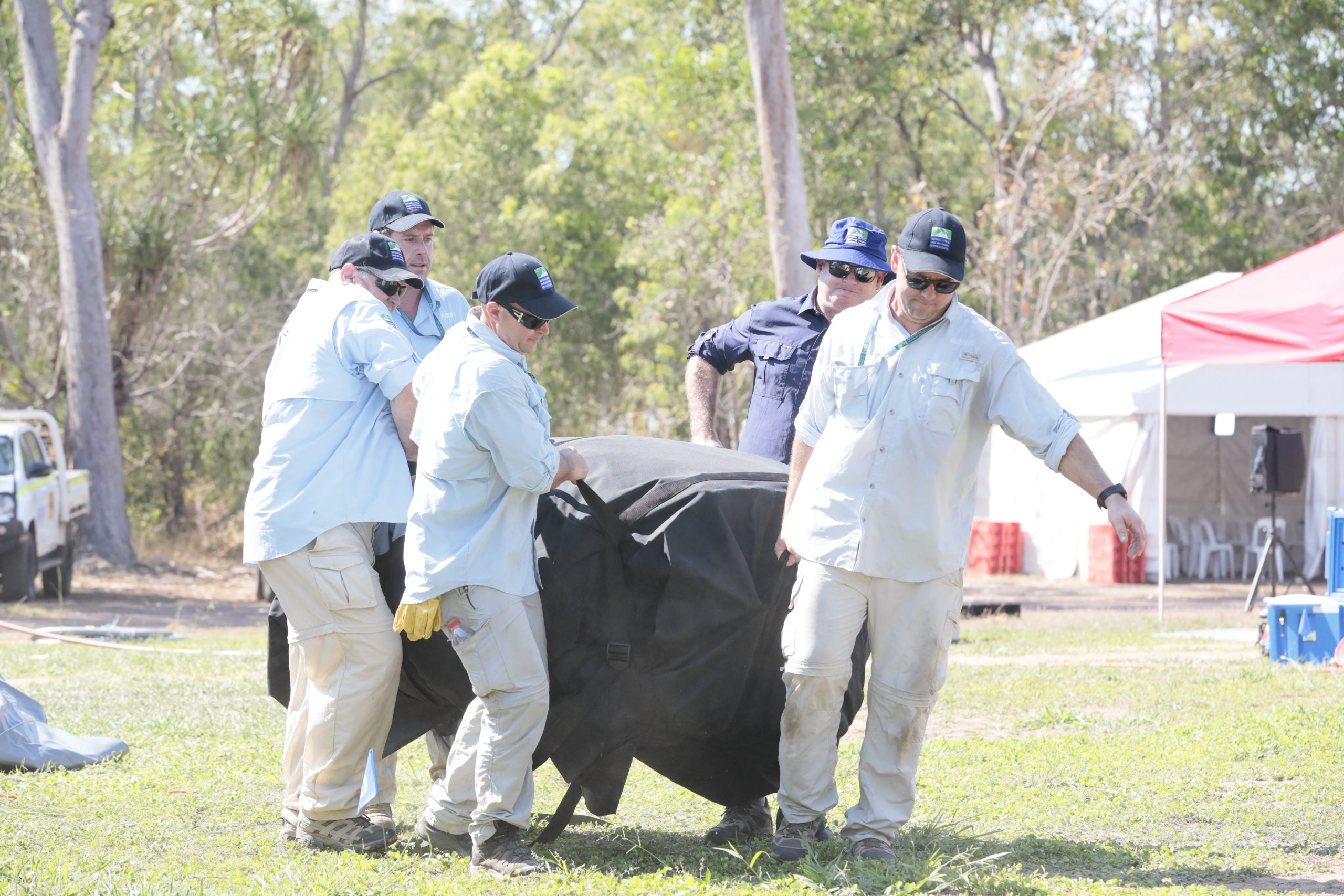
A blended teaching approach was used to combine theory with practical application. The main components included interactive lectures, group discussions, activities and facility build exercises. From setting up shelters to managing electricity, air-conditioning and cold-chain storage for pharmaceuticals, the course gave logisticians a realistic view of deployment operations. This prepares them to be adaptable and effective in dynamic emergency deployment settings.
AUSMAT Logistician Richard Wilson from New South Wales shared, “In my previous logistics trainings, we had built elements of a field hospital — so seeing how large it is when fully assembled during this training was valuable.”
“The course was well-structured and flowed logically, giving us a chance to build on our skills step by step.”
The course moved from theoretical learning to hands-on exercises to experience how each component of the field hospital functions in a deployment. “We started with site layout work and refreshed our knowledge on key elements like water purification and power generation before building different parts of the facility,” Richard added.
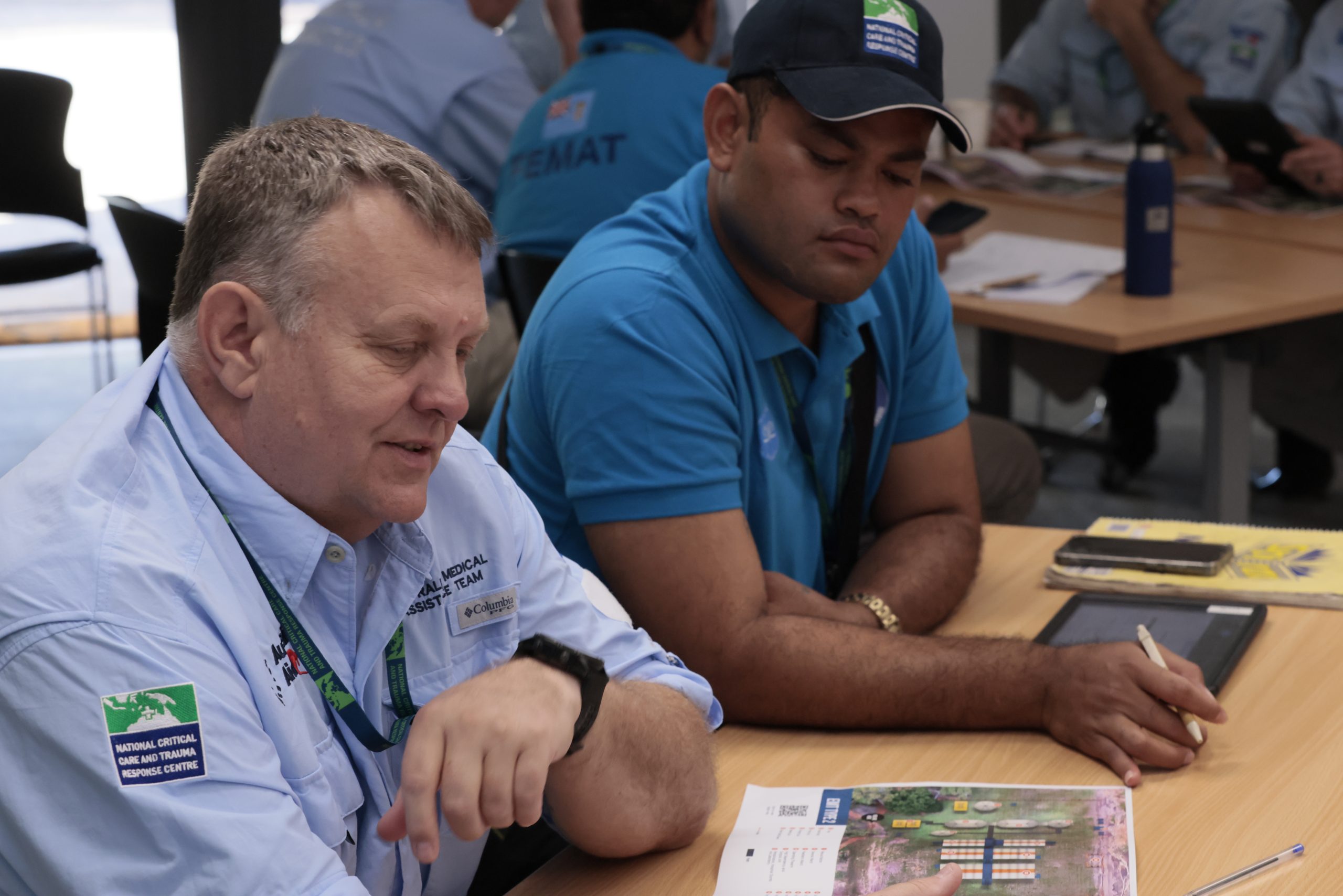
Participants then applied principles of camp and facility design, including modular layouts, flexibility, access and security considerations. Aaron explained, “EMTs should carefully and promptly plan their site and configuration layout considering environmental, logistical and operational factors.”
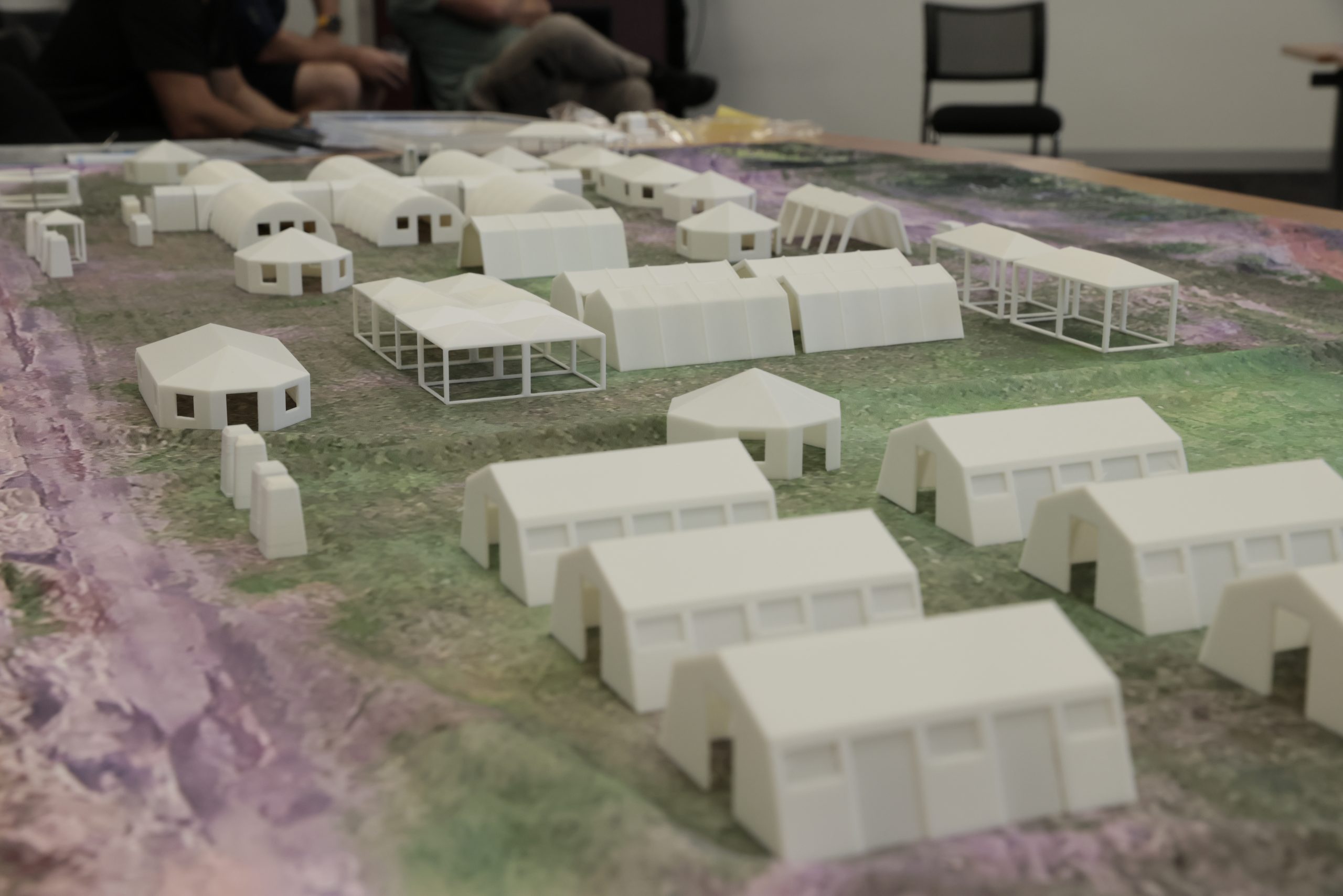
Using 3D models of the field hospital alongside orthophoto maps, participants were able to visualise and plan the hospital layout before moving outside to build it. This approach helped them understand how to position shelters, toilets, utilities and other facilities, while factoring in local terrain, security and potential expansion needs.
“I have a clearer understanding of health logistics and the importance of having the right people for this role,” said Chris Bertram, Western Australia-based AUSMAT Logistician.
“We developed camp layouts to optimise patient flow, living arrangements and clinical operations. On top of this, it was great that we were trained to set up and operate generators, electrical distribution equipment, shelter lighting and power systems in accordance with safety standards.”
Understanding what a health logistician may be tasked with on deployment was eye-opening for Chris. “Now, I can see why the requirement for trade qualifications and technical skills is so important.”
Richard concluded, “It was great working alongside other logisticians. We all shared the same mindset and motivation.” Both agreed that the training strengthened their professional networks and provided insights into best practices in field hospital logistics — knowledge they will carry into future deployments.
Milestone and impact
The eight-day course culminated in a major achievement: participants assembled the AUSMAT EMT Type 2 Surgical Field Hospital, marking the first time the facility had been deployed in a training environment.
“With enhanced skills and new regional connections, the logisticians are better prepared to deploy rapidly and provide critical support,” Aaron shared on the final day of training.
The AUSMAT Health Logistics Course is supported by funding from the Australian Government, reflecting an ongoing commitment to enhancing AUSMAT capabilities through training and field exercises. It offered experienced logisticians an opportunity to broaden their knowledge beyond general logistics to EMT-specific health emergency logistics. FEMAT’s participation also encouraged an exchange of perspectives with AUSMAT, building stronger partnerships and reinforcing the importance of regional collaboration in health emergency response across the Asia-Pacific.