Public health at the NCCTRC: A year of preparedness and response
27 Nov 2026
Written by Dr Bhavya Balasubramanya and Carla Yeung
Public Health often works quietly in the background, preventing illness and reducing health risks before they become emergencies. In 2026, that work became increasingly visible as the National Critical Care and Trauma Response Centre (NCCTRC) supported communities affected by extreme weather and infectious disease outbreaks.
Across these responses, preparedness played an important role in maintaining access to healthcare and supporting local services as needs changed.
Supporting communities through emergencies
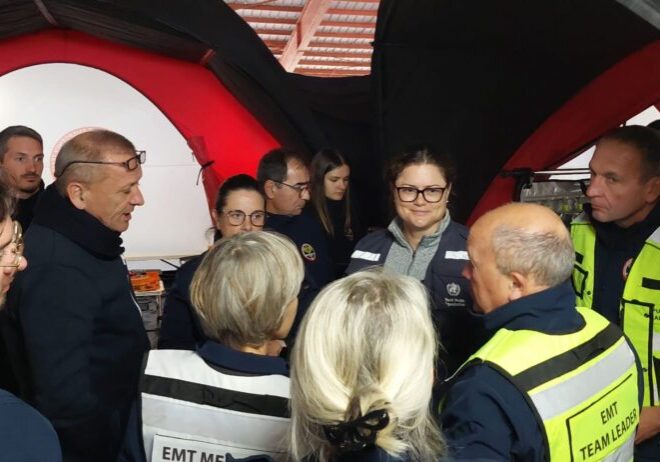
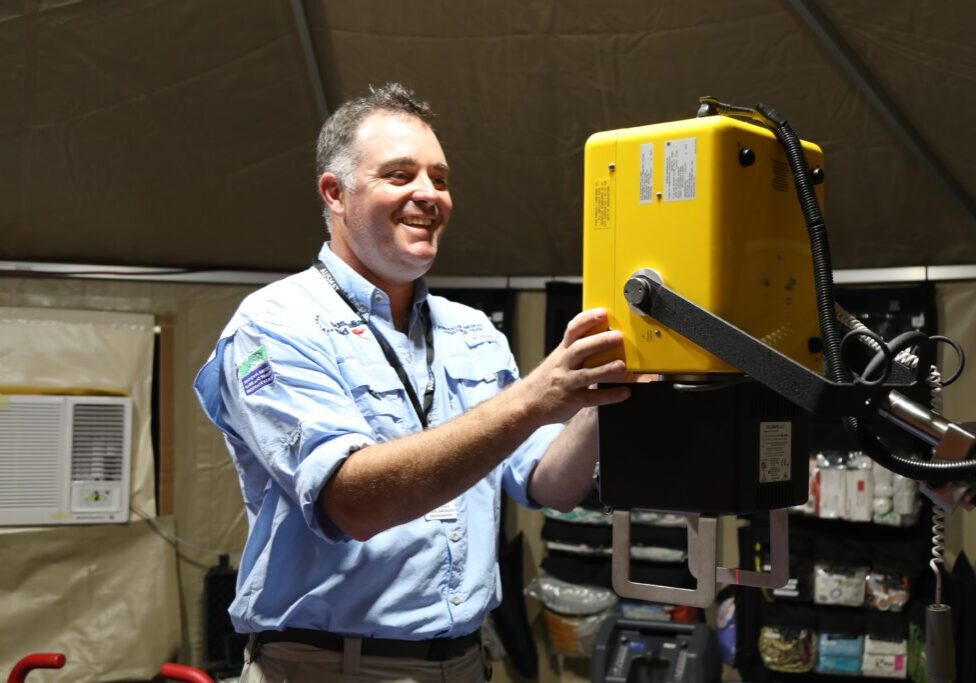
In March 2026, an AUSMAT Emergency Medical Team (EMT) Type 1 Fixed Hospital was established in Katherine when Katherine Hospital closed in preparation for Tropical Cyclone Narelle. AUSMAT supported continuity of care for people with chronic conditions, access to essential medical supplies and treatment for acute presentations. The response highlighted the importance of preparing health services to maintain essential care during disruption, particularly as climate change and extreme weather conditions place increasing pressure on health systems.
Maintaining access to essential care was also a priority during the international hantavirus outbreak aboard the cruise ship MV Hondius. Four Australian citizens, one permanent resident and one New Zealand citizen were repatriated to Australia following potential exposure to hantavirus during the outbreak in April.
NCCTRC personnel were deployed from Darwin to lead quarantine operations at the Bullsbrook Centre for National Resilience in Western Australia, providing clinical care and monitoring passengers’ health while managing potential infection risks.
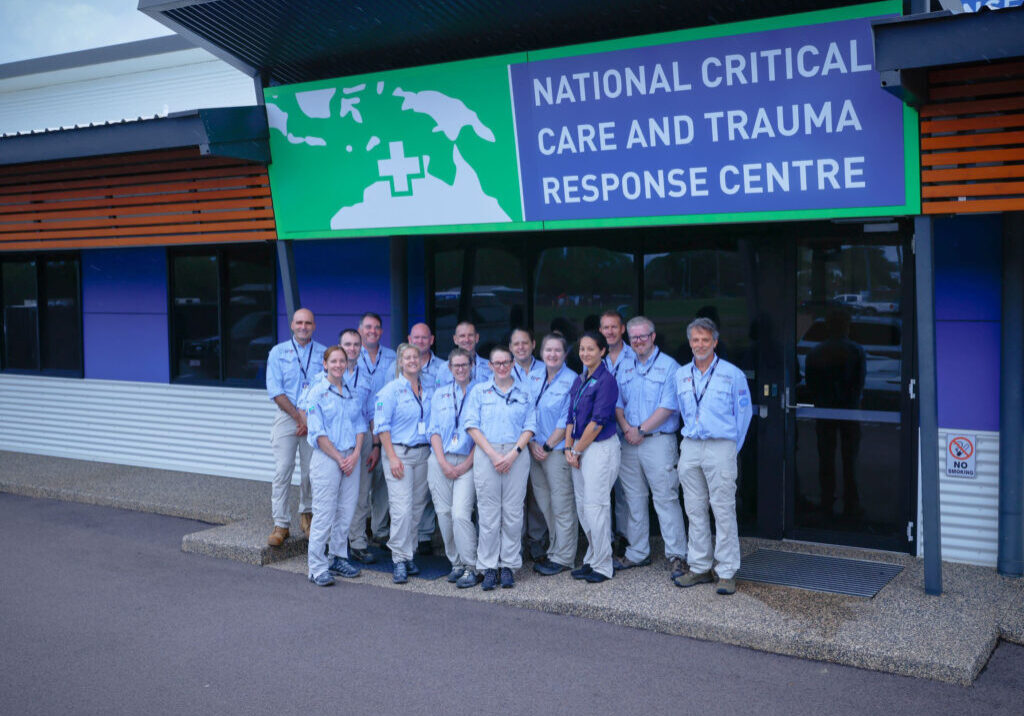
The NCCTRC Public Health team based at headquarters in Darwin, played a key supporting role delivering pre-deployment briefings and an electronic surveillance and monitoring system designed to protect the health and safety of passengers and staff.
While the quarantine operation required specific support over a defined period, the diphtheria outbreak called for a sustained response across multiple jurisdictions across Australia. The outbreak of diphtheria was declared a Communicable Disease Incident of National Significance on 22 May 2026 with cases of the vaccine-preventable disease reported in outer regional and remote areas of the Northern Territory and Western Australia. Cases have since spread to Queensland and South Australia.

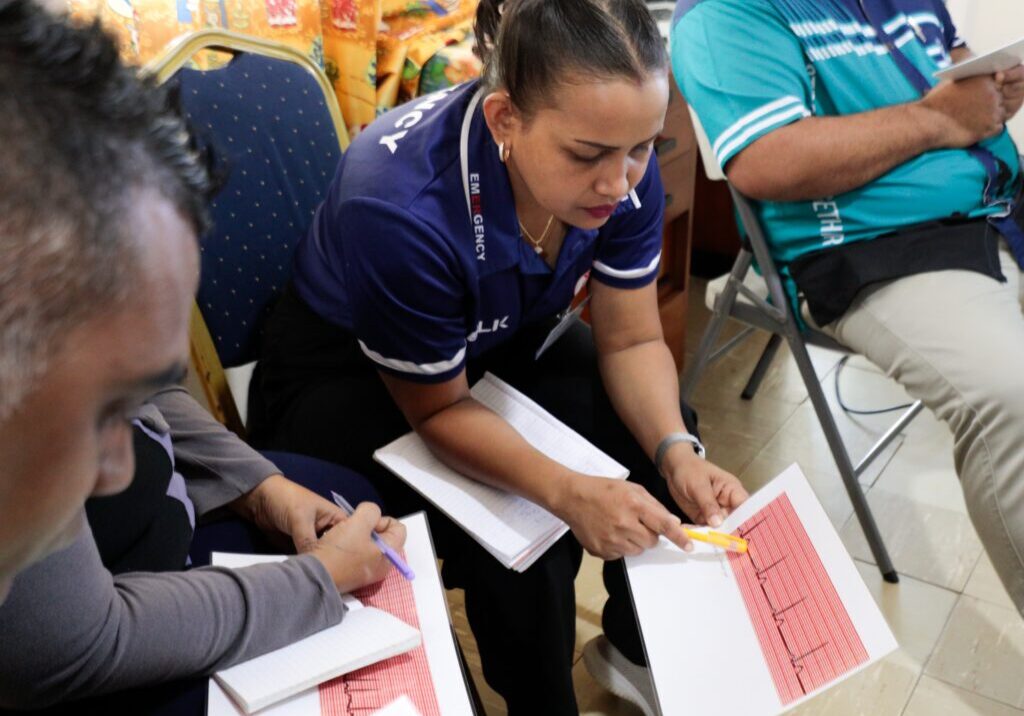
AUSMAT mobile team with Red Lily Health nurses in Jabiru, Northern Territory.
In March 2026, an AUSMAT Emergency Medical Team (EMT) Type 1 Fixed Hospital was established in Katherine when Katherine Hospital closed in preparation for Tropical Cyclone Narelle. AUSMAT supported continuity of care for people with chronic conditions, access to essential medical supplies and treatment for acute presentations. The response reinforced the importance of preparing health services to maintain essential care during disruption, particularly as climate change and extreme weather conditions place increasing pressure on health systems.
Maintaining essential care was also a priority during the international hantavirus outbreak aboard the cruise ship MV Hondius. Four Australian citizens, one permanent resident and one New Zealand citizen were repatriated to Australia following potential exposure to hantavirus during the outbreak in April.
NCCTRC personnel were deployed from Darwin to lead quarantine operations at the Bullsbrook Centre for National Resilience in Western Australia, providing clinical care and monitoring passengers’ health while managing potential infection risks.
The NCCTRC Public Health team based at headquarters in Darwin supported the deployment through pre-deployment briefings and an electronic surveillance and monitoring system designed to protect the health and safety of passengers and staff.
While the quarantine operation required specific support over a defined period, the diphtheria outbreak called for a sustained response across multiple jurisdictions across Australia. The outbreak of diphtheria was declared a Communicable Disease Incident of National Significance on 22 May 2026 with cases of the vaccine-preventable disease reported in outer regional and remote areas of the Northern Territory and Western Australia. Cases have since spread to Queensland and South Australia.
Turning experience into evidence and learning
Lessons from training and deployments inform the NCCTRC’s research and evaluation providing evidence that guides future preparedness and response. The NCCTRC Research Strategy 2025–2030 provides a framework for this work, bringing together expertise from across the organisation and national and international partners. Highlights from 2026 included:
Nine research projects have commenced with full ethics approval. Among these is the 10-year impact evaluation of Major Incident Medical Management and Support (MIMMS) training in the Pacific, undertaken by the ministries of health of Tonga and Papua New Guinea in partnership with the NCCTRC. The project will examine the programs’ contribution over the past decade and identify opportunities to strengthen future training in the region.
The NCCTRC worked with the World Health Organization to evaluate the 2025 Emergency Medical Team Coordination Cell (EMTCC) Course in Darwin. The evaluation looked at how participants rated the course content, delivery and instructors. It also assessed what knowledge and skills participants retained after completing the course. Key recommendations from the preliminary evaluation report were published in late 2025 and incorporated into the next course, held in September 2026 in Auckland, New Zealand.
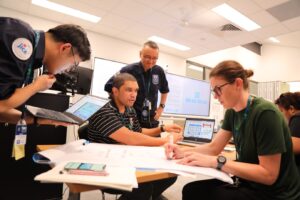
The NCCTRC supported student research placements through the Australian National University, Flinders Northern Territory Medical Program (NTMP) and Charles Darwin University Menzies Medical Program (CMMP).
Research findings and deployment experience were shared at regional, national and international conferences.
In Melbourne, a poster on the mosquito bite prevention guidelines developed for AUSMAT’s dengue deployment to Samoa received the Poster Award at the 2026 Communicable Disease and Immunisation Conference (CDIC). An oral presentation titled: A retrospective cohort study evaluating pattern of burns in different geographic locations across the Northern Territory received first place at the Australian and New Zealand Burn Association (ANZBA) 2026 Annual Scientific Meeting.

Dr Bhavya Balasubramanya from the NCCTRC Public Health team with fellow attendees at the 2026 Communicable Disease and Immunisation Conference in Melbourne. The team received a poster award for its work on mosquito bite prevention guidelines developed for AUSMAT’s dengue response in Samoa.
In Samoa, at the inaugural Pacific Island Society for Emergency Care (PISEC) Scientific Conference, the Public Health team delivered a presentation on how an evaluation framework was developed and applied to the World Health Organization (WHO) Emergency Medical Team Coordination Cell (EMTCC) Training for the Western Pacific region. Related abstracts were also presented at the 2026 Emergency Medical Team Global Meeting in Ethiopia. Another is scheduled for presentation at the 24th Congress on Disaster and Emergency Medicine (WADEM 2027) in France.
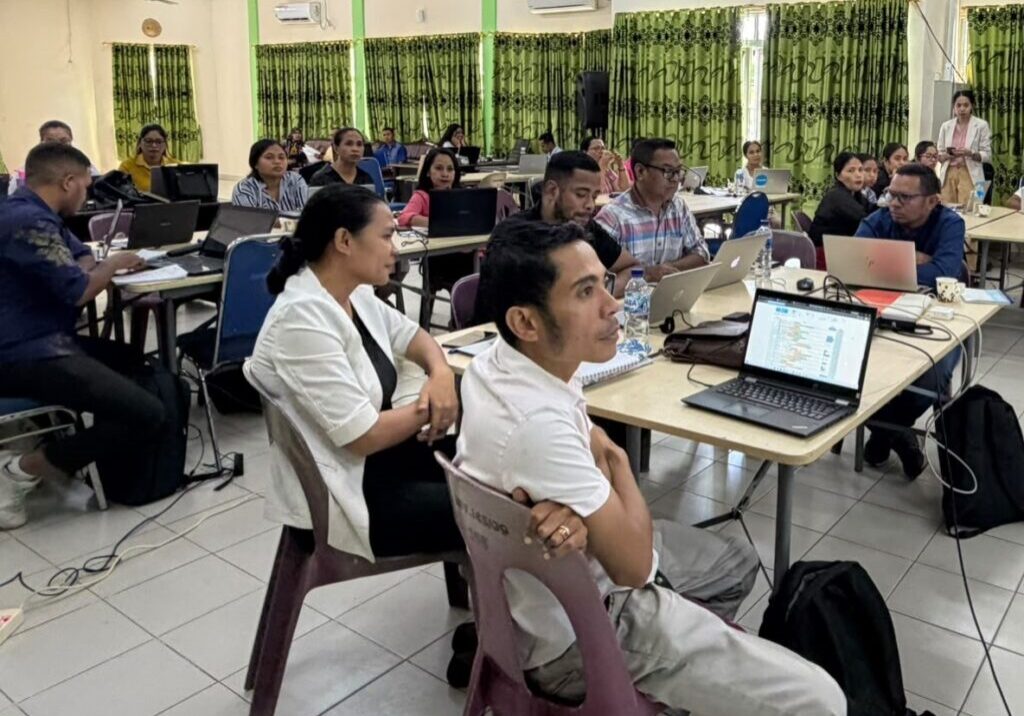
During AUSMAT Team Member courses in July and August, the NCCTRC Public Health team delivered training on key public health principles, including community engagement, health promotion, outbreak response, environmental health and interpretation of surveillance data.
Working with external partners, including Deakin University and Nous Group, the team contributed to the design and delivery of course evaluations to inform the future of AUSMAT training.
Internationally, Dr Bhavya Balasubramanya, Director Public Health, facilitated a joint civilian–military exercise at the Indo-Pacific Health Alliance for Security (IPHAS) in Kuala Lumpur, Malaysia. Participants from 22 countries explored responses to a novel viral outbreak and a radiological spill, examining how collaboration across sectors can strengthen community resilience.
Looking ahead
The lessons from 2026 will inform the NCCTRC’s work in 2027 and beyond, with continued focus on strengthening surveillance, supporting resilient primary health care, improving vaccination coverage, and preparing for the health impacts of extreme weather.
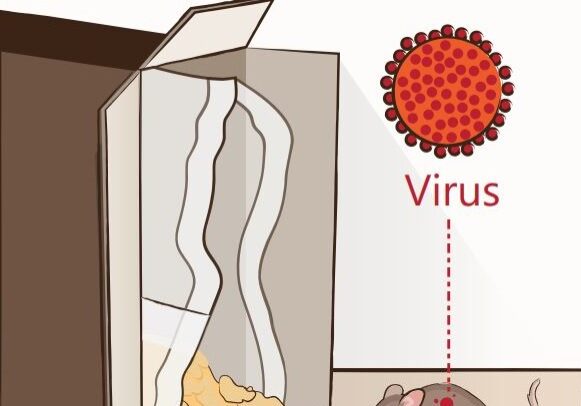
A One Health approach, recognising the connections between human, animal and environmental health, will remain important. Working with communities, health services, researchers and education partners, the NCCTRC will continue to turn operational experience into evidence and practical improvements in preparedness and response.