Australia showcases world-class field hospital in AUSMAT National Exercise
06 Oct 2025
Written by Michelle Foster
Australia’s deployable medical response capability reached a new milestone with the full-scale deployment of the AUSMAT Emergency Medical Team (EMT) Type 2 Surgical Field Hospital during the AUSMAT National Field Exercise held in Darwin in July and August 2025.
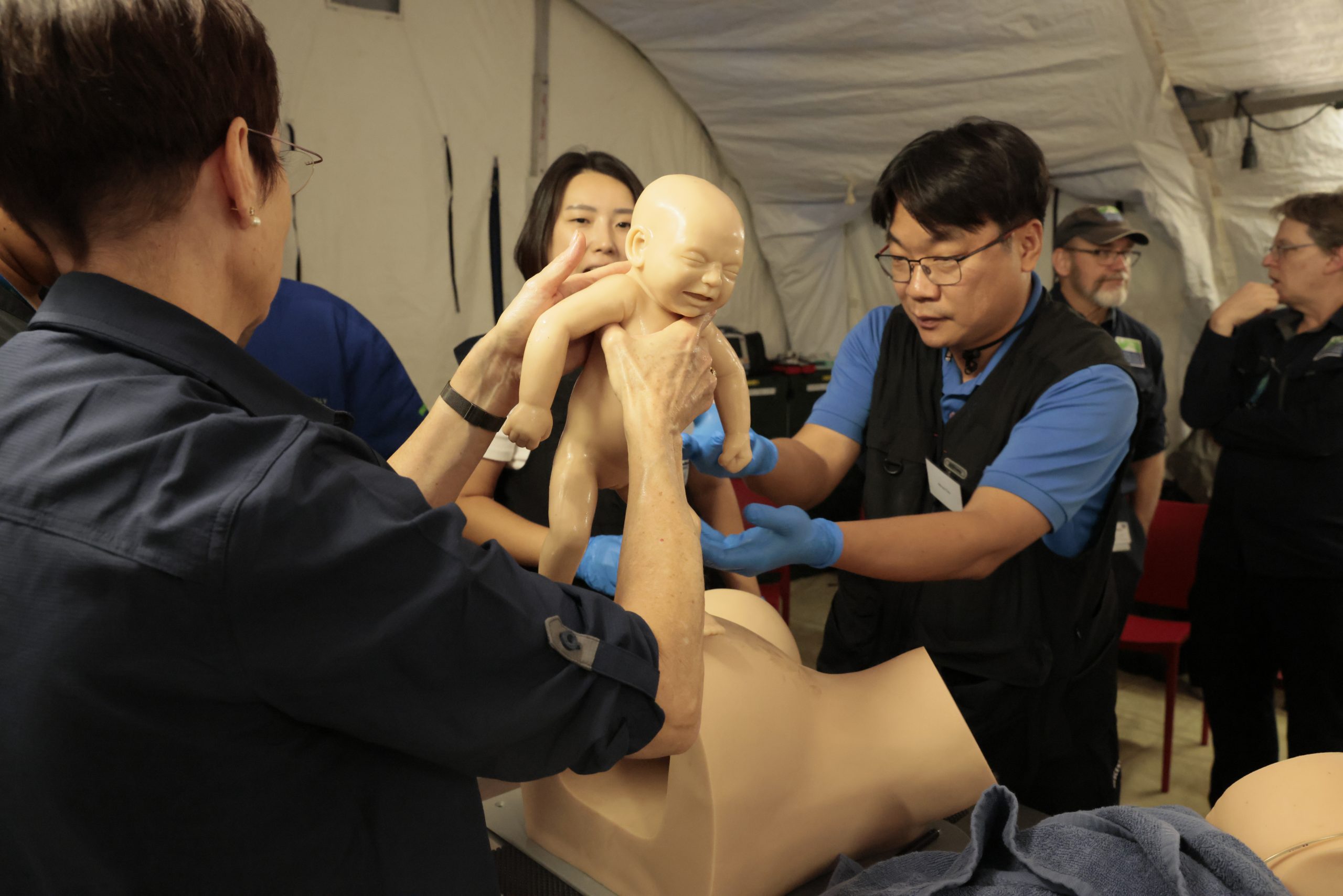
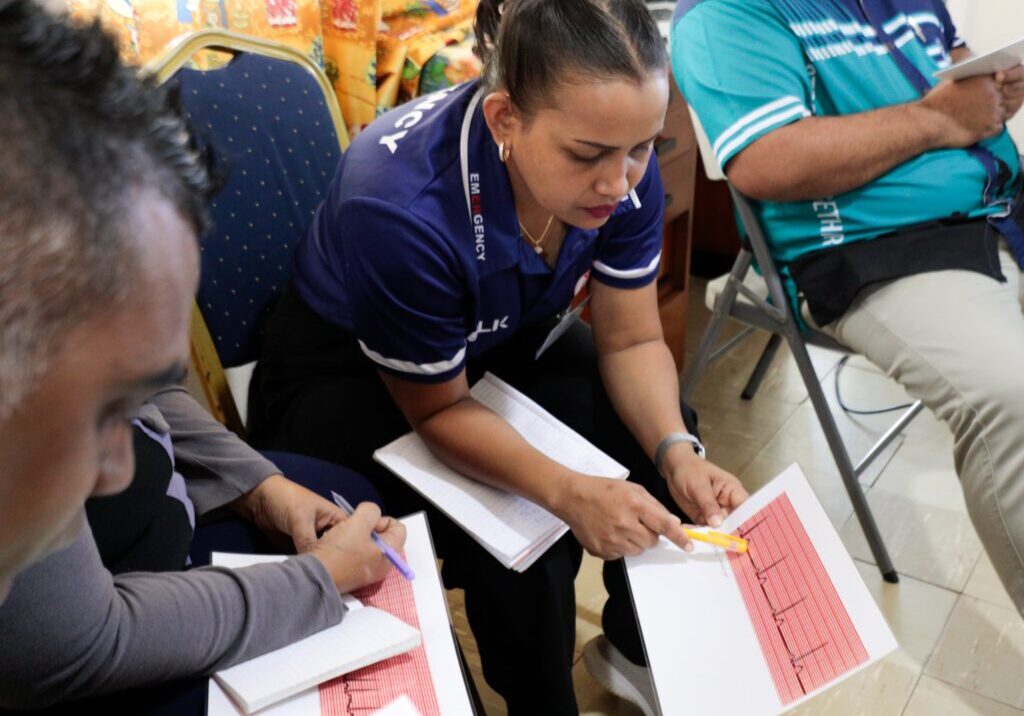
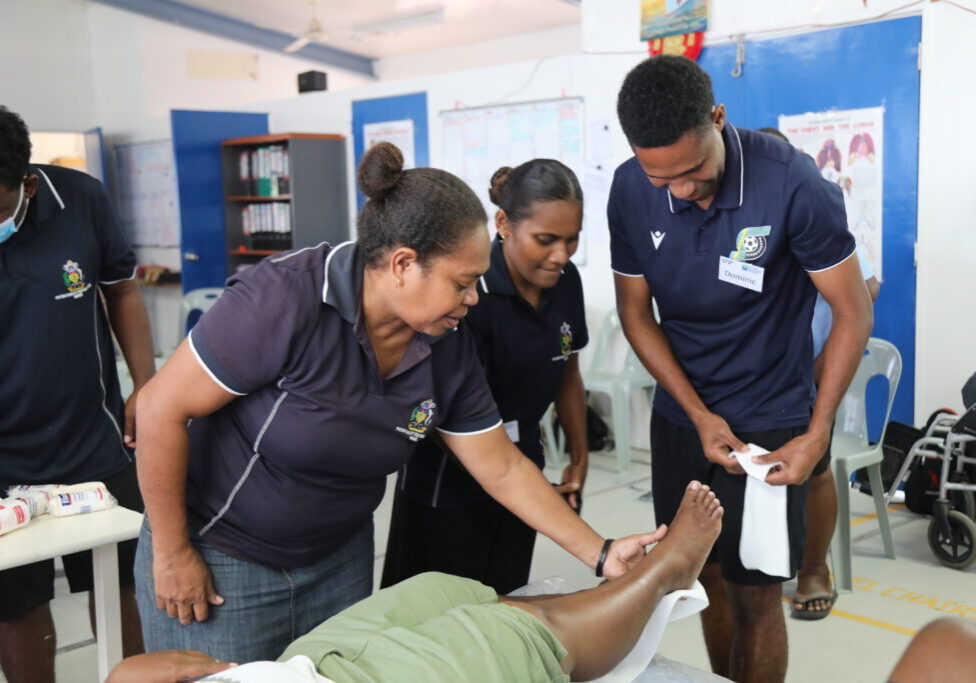
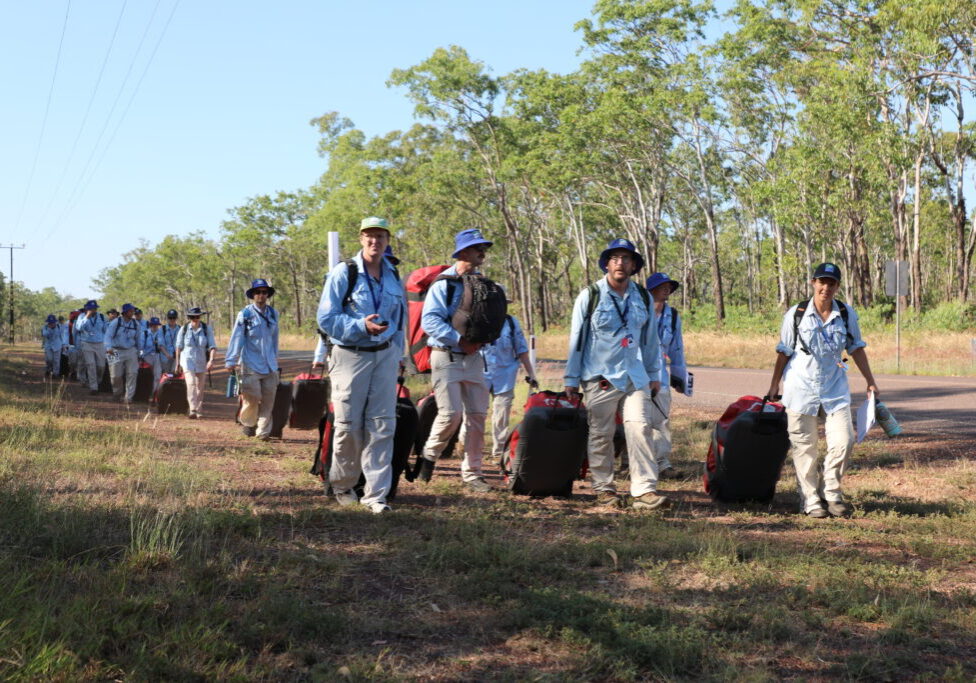
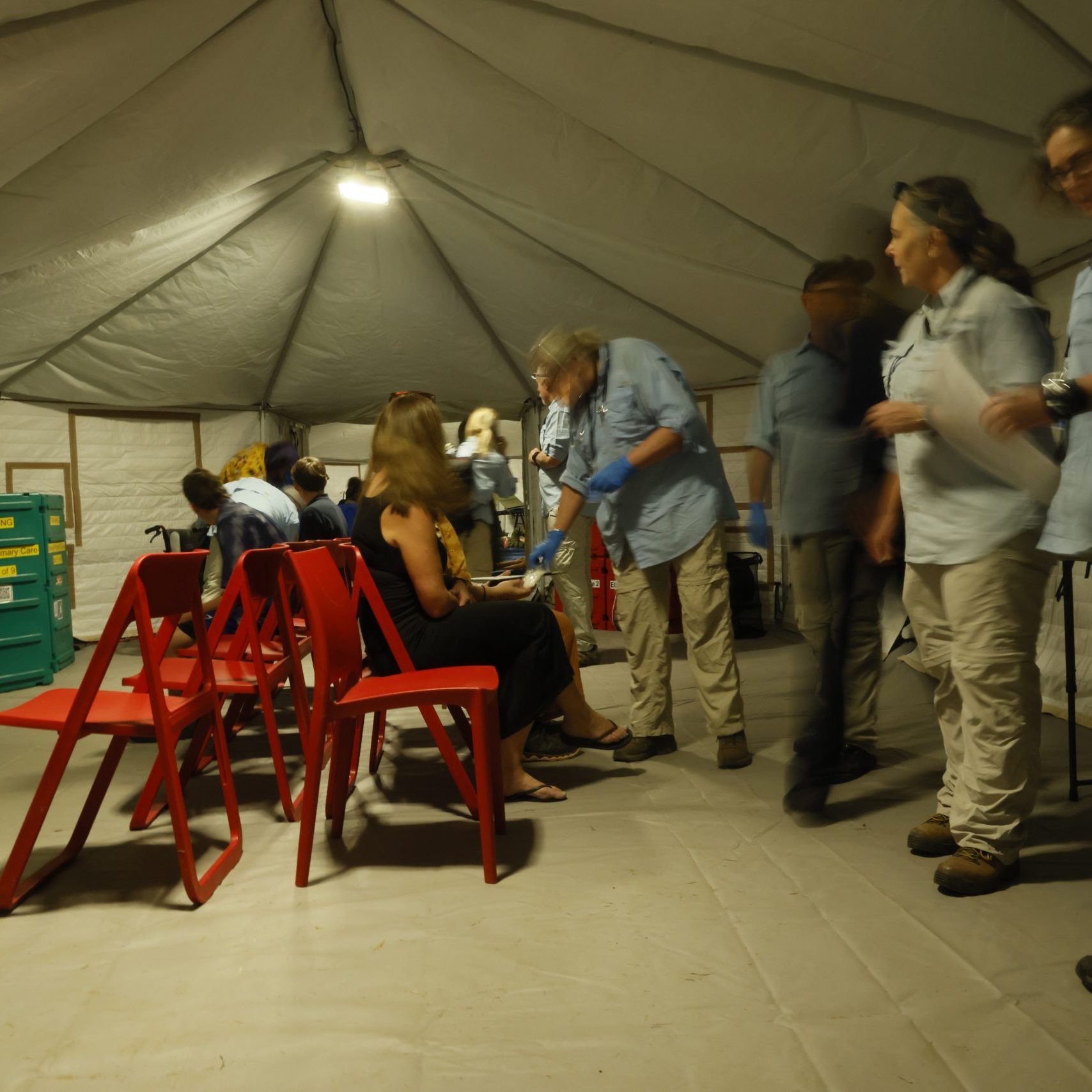
For the first time, the EMT Type 2 field hospital was activated in a training environment, offering participants a rare opportunity to operate within a fully functional, WHO-verified facility. The exercise, hosted by the National Critical Care and Trauma Response Centre (NCCTRC), drew clinical professionals, logisticians, and emergency responders from across the country. It also welcomed participants from the Pacific, including Fiji, Papua New Guinea, the Solomon Islands and Vanuatu. In addition, 30 international observers from Japan, South Korea and New Zealand, along with 130 visitors from South Korea, Japan, New Zealand, United States and across Australia, toured the facility and observed its operation, making Darwin the hub for a hands-on simulation of real-world deployment conditions.
0
participants
0
Health Logistics Course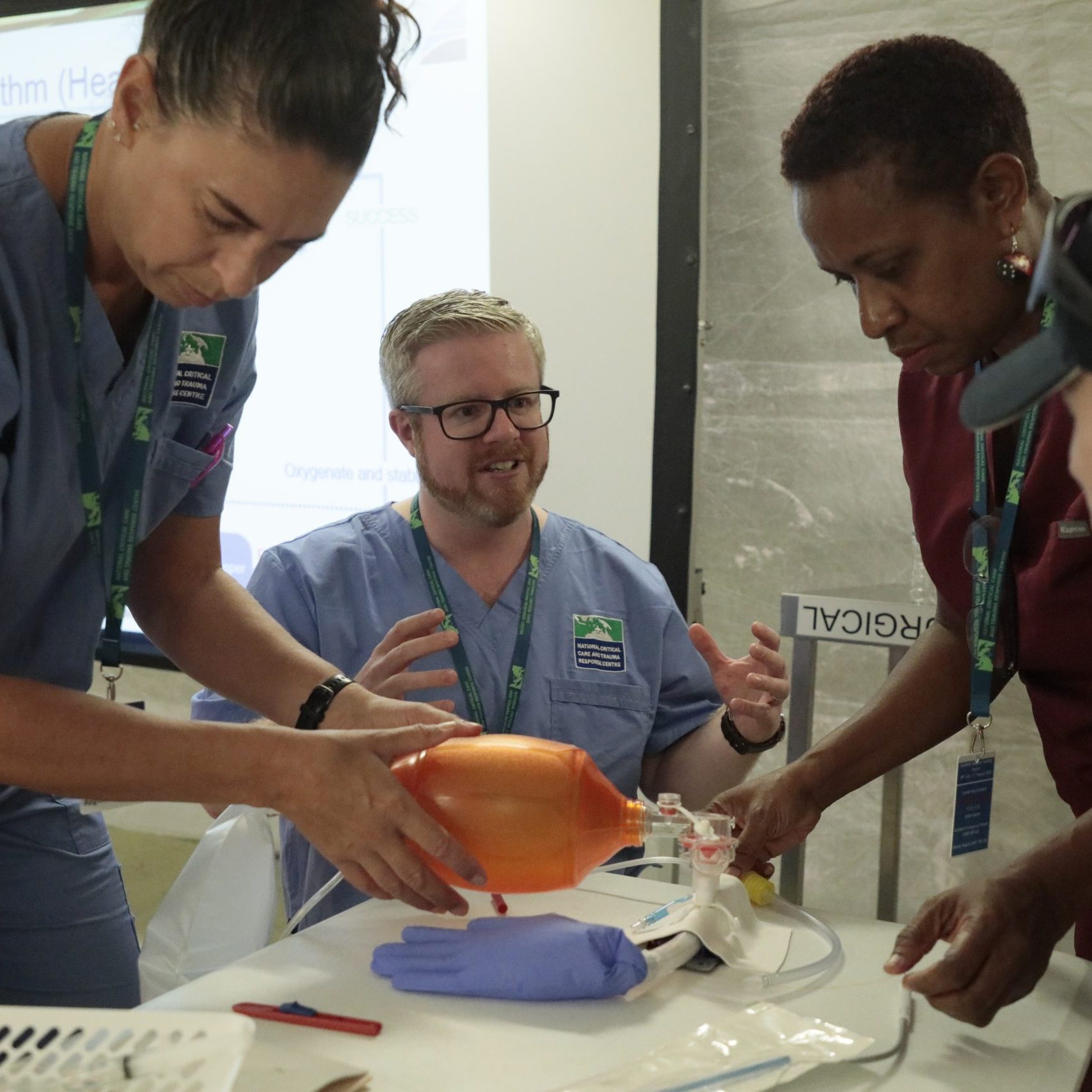
0
Team Member Surgical Course
0
Team Member Refresher Course“This represents a major step forward for Australia’s deployable medical capacity,” said Kath McDermott, Acting Director Disaster, Preparedness and Response. “Operating in a remote, austere and self-sufficient environment allows us to test every element of our system—from logistics to surgery—with total confidence.”
Australia is one of only three Indo-Pacific nations, alongside Japan and China, with a WHO-verified EMT Type 2 capability. The hospital, first deployed in 2013 to the Philippines following Typhoon Haiyan, has since become a global benchmark for field medical response. Its verification was reaffirmed by WHO in 2023, and it remains accredited by the Australian Council on Healthcare Standards (ACHS).
The National Field Exercise featured three intensive training courses:
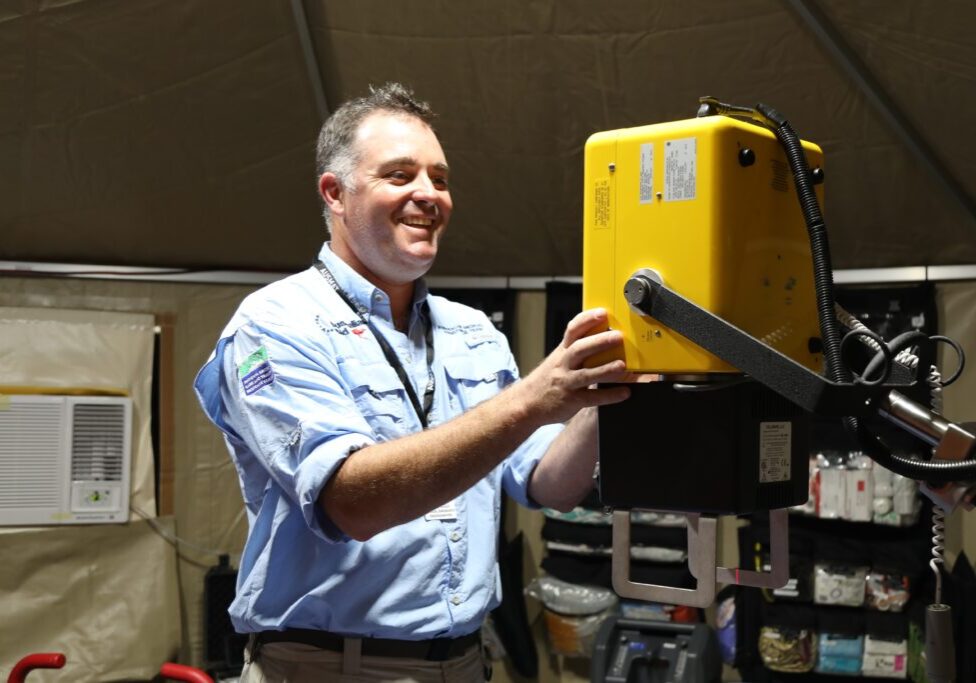
- AUSMAT Health Logistics Course (18–25 July): Focused on equipping logistics personnel with the skills to establish and maintain the field hospital.
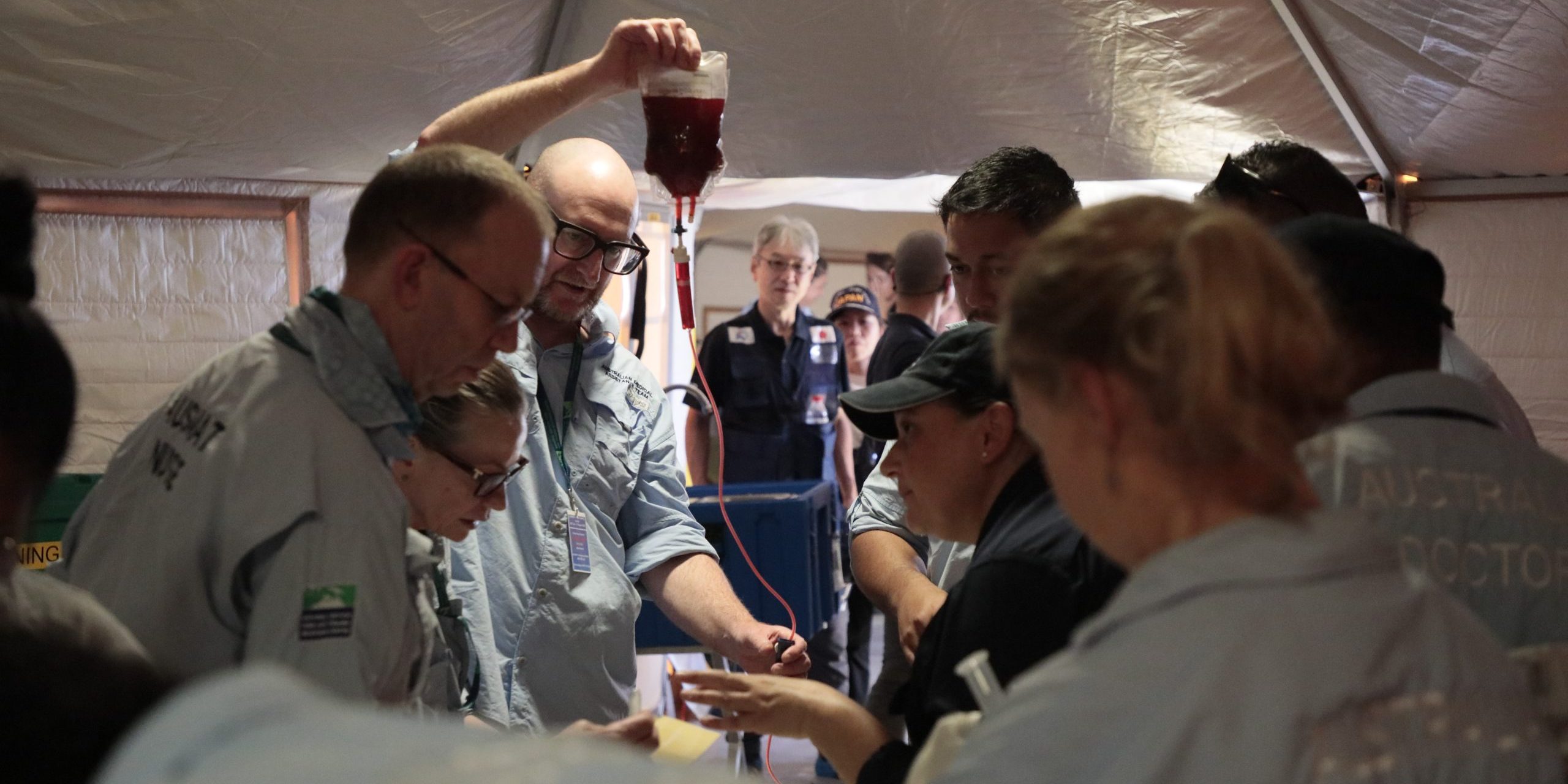
- AUSMAT Surgical Team Member Course (28 July–1 August): Prepared surgical and anaesthetic professionals for high-pressure, resource-limited environments.
- AUSMAT Team Member Refresher Course (11–15 August): Delivered updated protocols and simulations to maintain a deployable workforce.
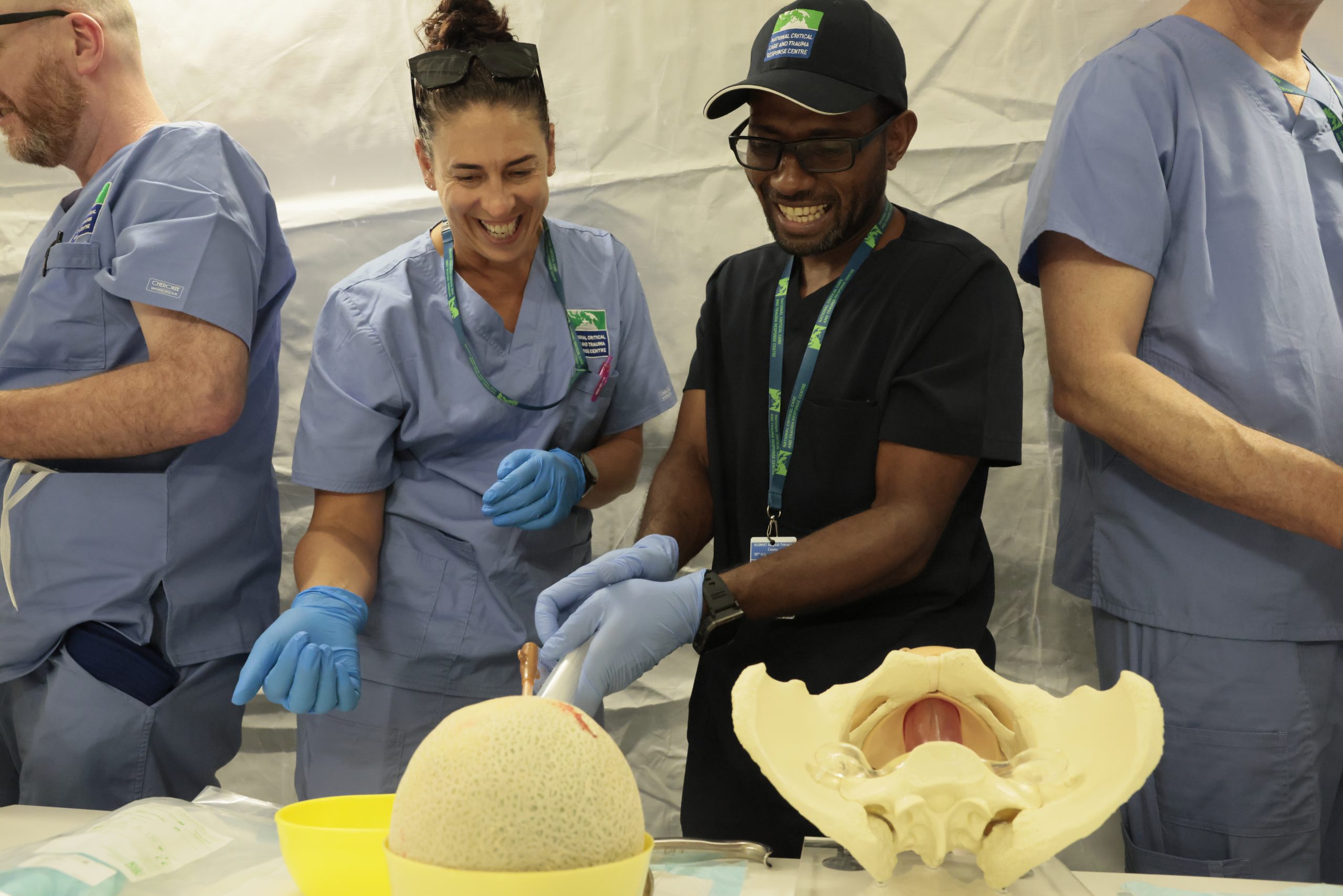
“This exercise brings theory into practice,” said Rhiannon Winter, Acting Director Education and Strategic Projects. “Participants operated within a facility capable of delivering primary health care, emergency, surgical, obstetric and general medical services on the ground.”
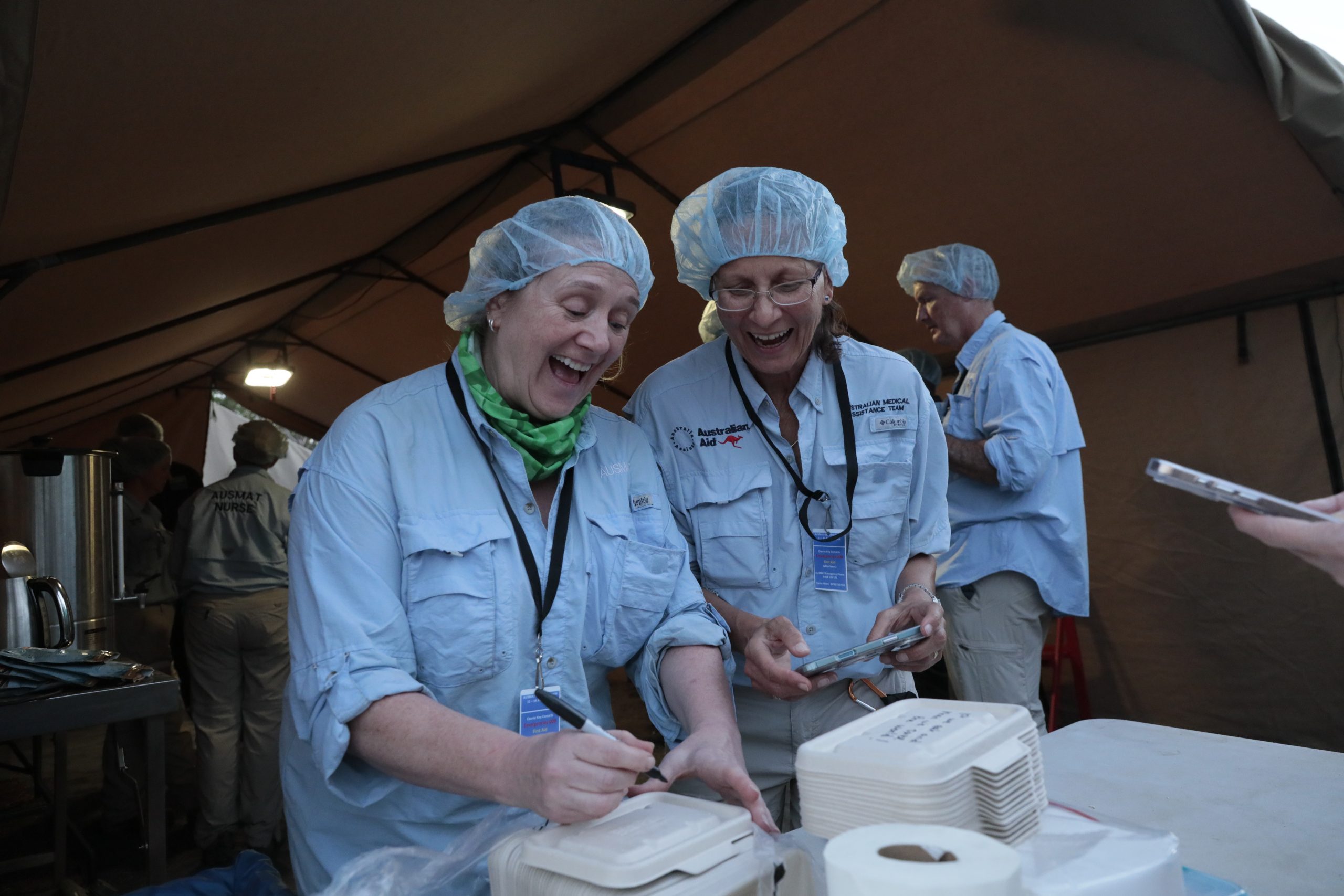
The EMT Type 2 field hospital includes:
- Up to 60 personnel across disciplines
- 60 beds, including inpatient and surgical capacity
- 24-hour emergency and inpatient care
- Maternal and child health services
- Rapid deployment within 24 hours
- Heavy cargo capability and full compliance with WHO EMT minimum standards
Aaron Perry, Director Emergency Management and Logistics, emphasised the importance of the exercise: “It’s a rare opportunity to evaluate every element of our system and ensure that when AUSMAT deploys, we do so with total confidence in our capability.”
As global health emergencies grow more complex, AUSMAT’s continued investment in training and infrastructure ensures Australia remains at the forefront of humanitarian medical response.