Animal attack: animal-related trauma in the Northern Territory
11 Aug 2026
Written by Dr Megge Beacroft
Animal-related trauma remains a distinctive feature of trauma care in Australia’s Northern Territory (NT). From crocodile attacks and encounters with water buffalo and feral pigs, to injuries involving horses, cattle, stingrays, fish and domestic animals, clinicians are required to manage complex injuries resulting from close interactions between people and animals.
At Royal Darwin Hospital (RDH), the only level II Trauma Centre in the NT, trauma care is supported by the multidisciplinary Trauma Service team within the National Critical Care and Trauma Response Centre (NCCTRC).
As part of this broader trauma role, the team manages patients requiring operative intervention following animal-related injuries.
These presentations can have serious operative and infectious disease implications. Significant soft tissue injuries, environmental contamination and exposure to atypical pathogens all add complexity to clinical decision-making.
Data from the Australian Institute for Health and Welfare indicate that hospital admissions resulting from contact with animals continue to increase nationally, largely driven by injuries involving domestic dogs and cats. In contrast, wildlife-related admissions have generally declined across Australia but remain a notable feature of trauma presentations in the NT.1
Figure 1. Number of injury hospitalisations by type of animal and age group, 2021-22. Australian Institute for Health and Welfare.
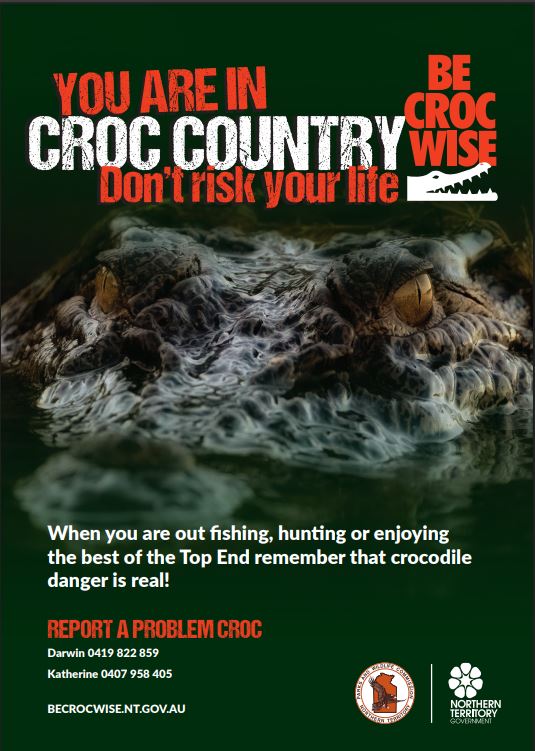
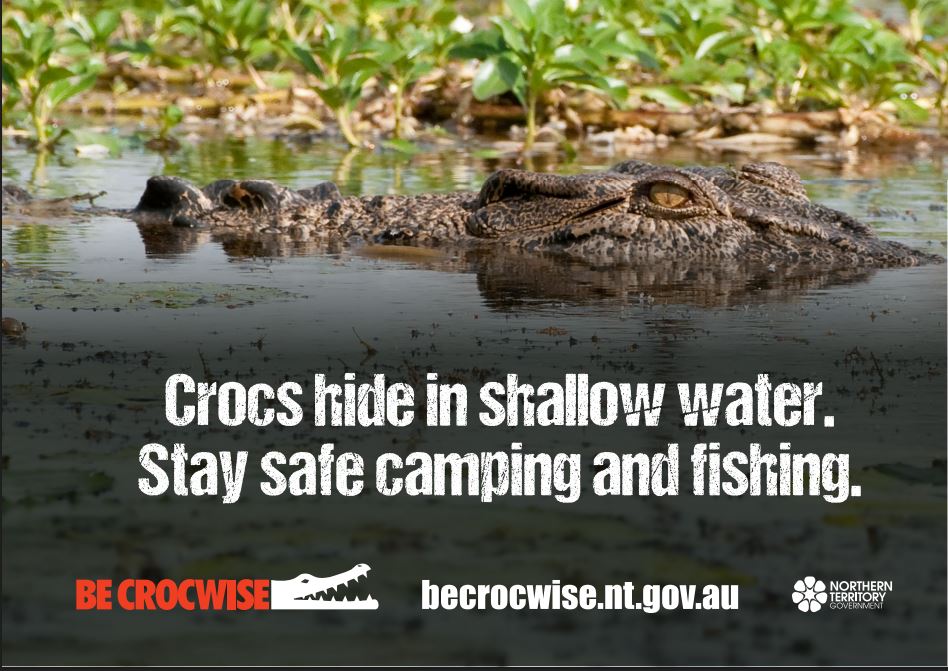
Be Crocwise
Crocodile attacks represent one of the most distinctive forms of animal-related trauma managed in the region. Injuries can result in severe tissue damage and carry a significant risk of infection.
As a result, the NT Health follows specifc antimicrobial guidelines for crocodile bite injuries. These guidelines recommend routine antibiotic prophylaxis for open wounds, alongside aggressive soft tissue washout and debridement protocol in the operative theatre.
Historical research examining crocodile attacks in the NT between 1981 and 1991 documented 16 attacks including 4 fatalities. Among the survivors, soft tissue infections were common, highlighting the significant infectious disease risks associated with these injuries.2,3
Given the frequency of animal-related trauma presentations, the NCCTRC Trauma Service plans to review patient outcomes to further inform clinical practice in the NT. The data collected also contributes to the Australia New Zealand Trauma Registry.
These increasing encounters with the world’s largest living reptile is attributed, in part, to recovering crocodile populations following historical culling. Public safety messaging continues through the Territory-wide Be Crocwise campaign.4
A multidisciplinary approach
The challenges associated with animal-related trauma extend well beyond the initial injury. Many presentations involve aquatic muddy environments or otherwise contaminated environments, increasing the likelihood of wound contamination by environmental pathogens. In recent years, clinicians in the NT have also managed cases involving melioidosis and cutaneous diphtheria adding further complexity to antimicrobial decision-making.
The management of these injuries often requires a multidisciplinary approach involving trauma surgeons, infectious diseases specialists, microbiologists and critical care teams. Treatment often includes repeated wound assessments, operative debridement and tailored antimicrobial therapy based on the injury mechanism and environmental exposure.
These hospital presentations highlight some of the distinctive challenges of trauma care in the NT. Managing animal-related injuries requires not only surgical expertise but also a comprehensive understanding of local disease patterns, environmental risk factors and atypical pathogens that may be encountered in tropical settings. Understanding trends in animal-related trauma remains an important area of focus for clinicians and researchers.
References
- Australian Institute for Health and Welfare. Contact with animals. https://www.aihw.gov.au/reports/injury/contact-with-animals/contents/types-of-animals
- Mekisic, AP and Wardill, JR. (1992) Crocodile attacks in the Norther Territory of Australia. Medical Journal of Australia 157 (7-21). doi: 5694/j.1326-5377.1992.tb141275.x
- Smith, S, Bagshaw, R and Hanson, J. (2017) The Microbiology of crocodile attacks in Far North Queensland: implications for empirical antimicrobial therapy. Medical Journal of Australia 7:206. doi: 5694/mja16.01058
- Northern Territory Government. Be Crocwise. https://becrocwise.nt.gov.au/education-and-resources/community-resources