AUSMAT continues to grow: 46 new members welcomed in 2026
28 Aug 2026
Written by Erika Lu(opens in new tab)
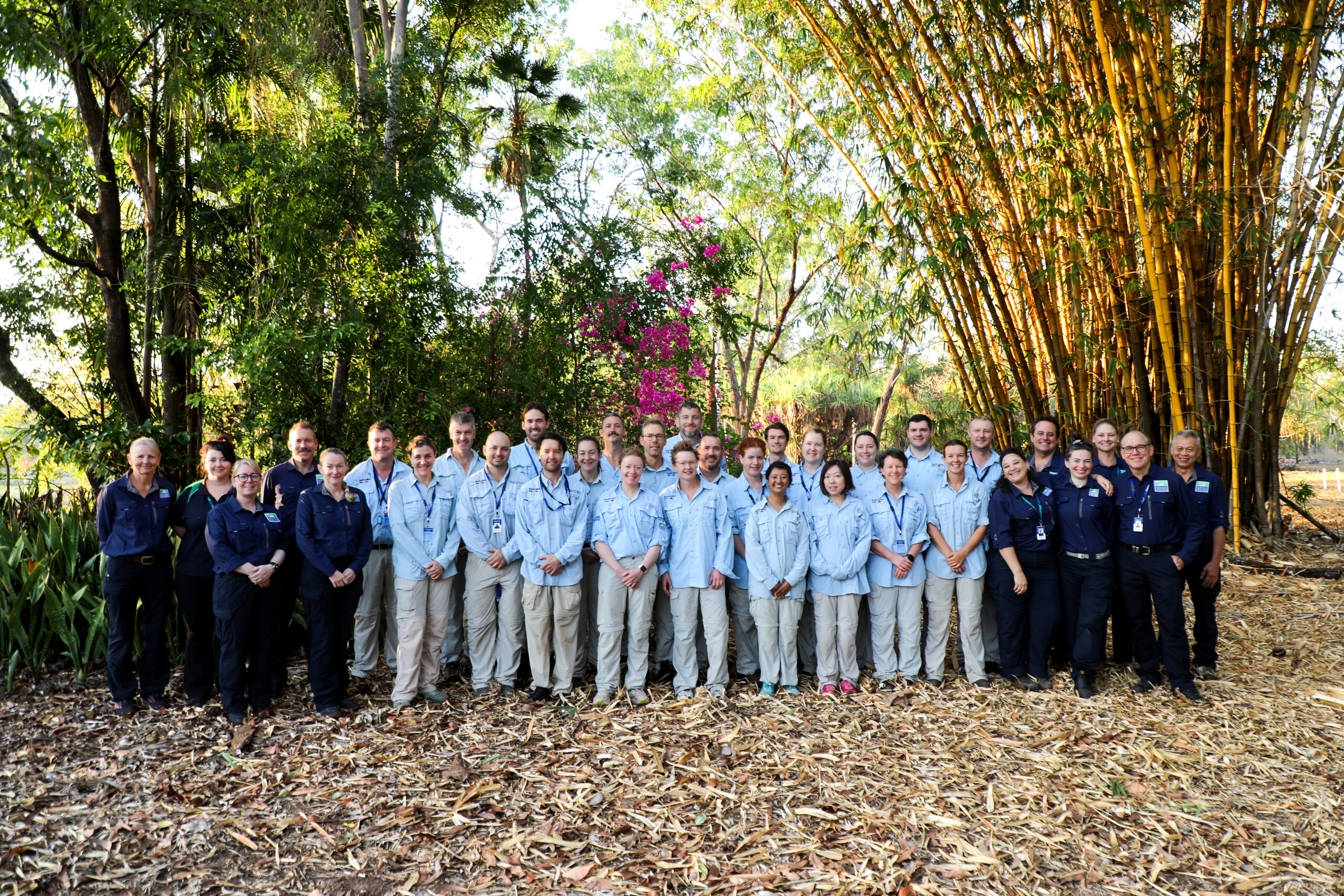
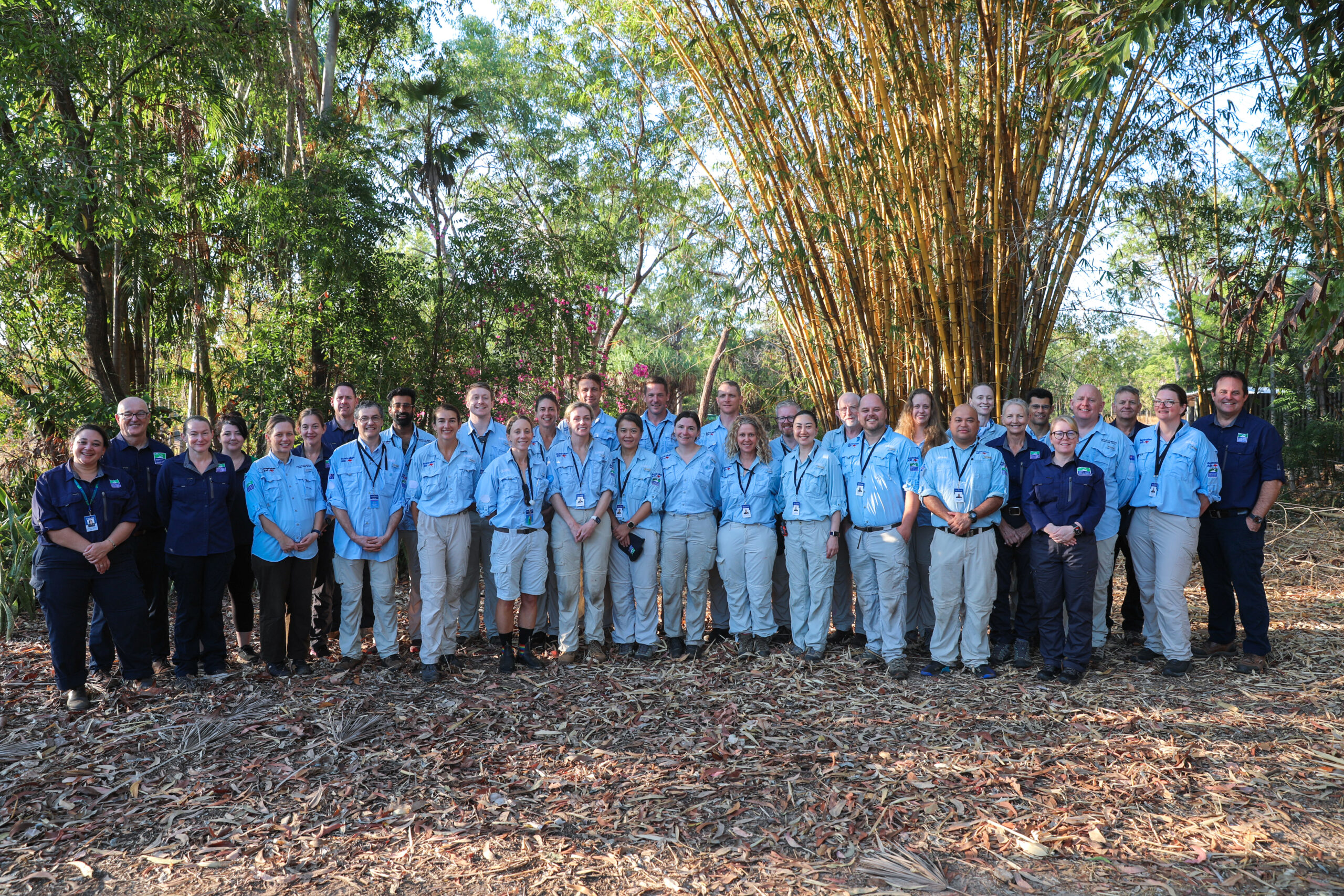
AUSMAT continues to grow, with 2 AUSMAT Team Member (TM) courses in 2026 now complete and 46 new members joining the team.
The successful recruitment of new members across a range of high-priority roles strengthens the Australian Government’s national health capability, bringing together clinical, logistics and emergency response expertise from around the nation.
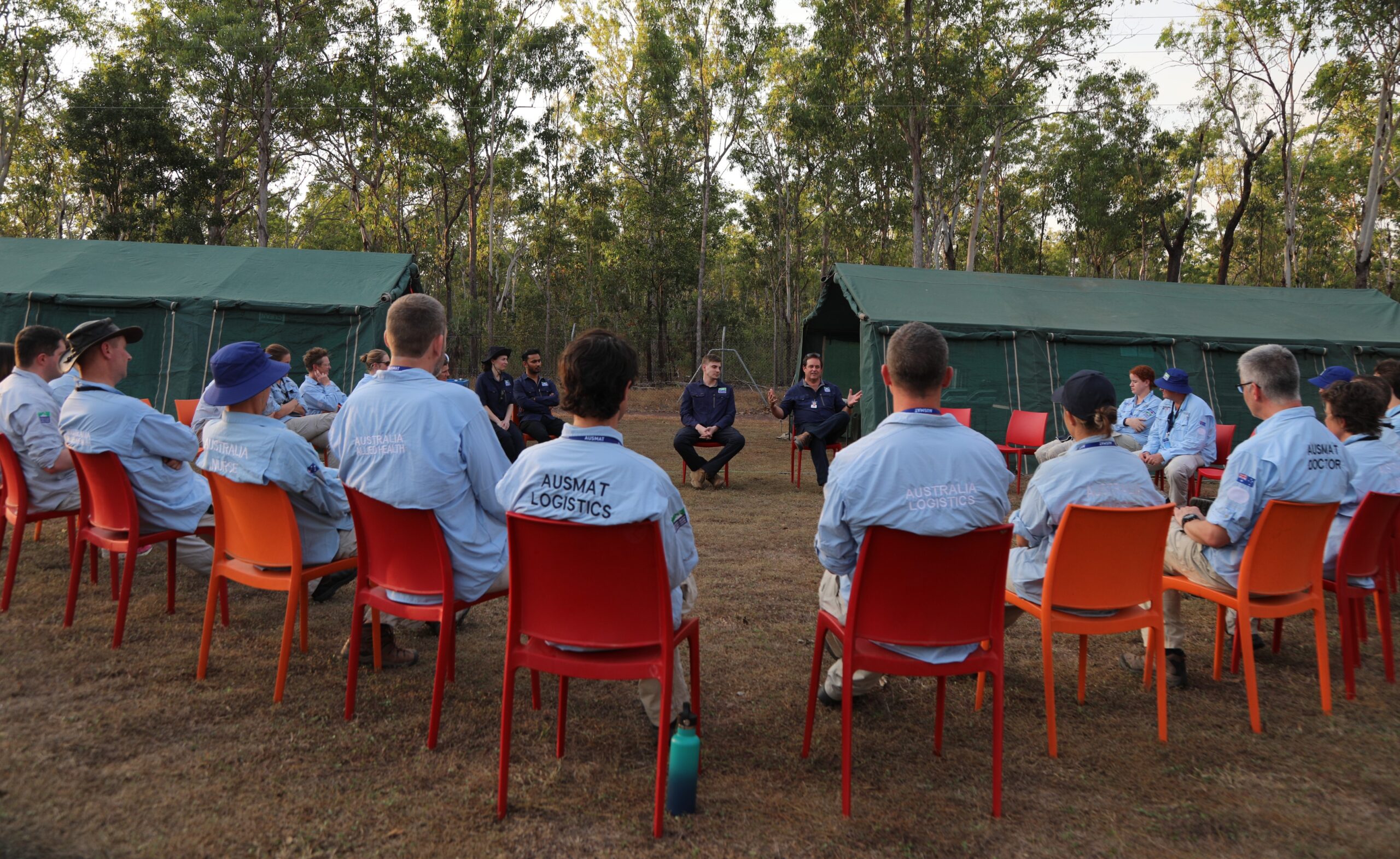
The 2026 cohort includes biomedical technicians, doctors, health logisticians, medical laboratory scientists, a midwife, nurses, pharmacists and radiographers, adding diverse expertise to the multidisciplinary team.
Their training was supported by NCCTRC staff, experienced AUSMAT members and subject matter experts from across Australia, providing new members with access to deployment experience and specialist knowledge.
Building a broader national capability
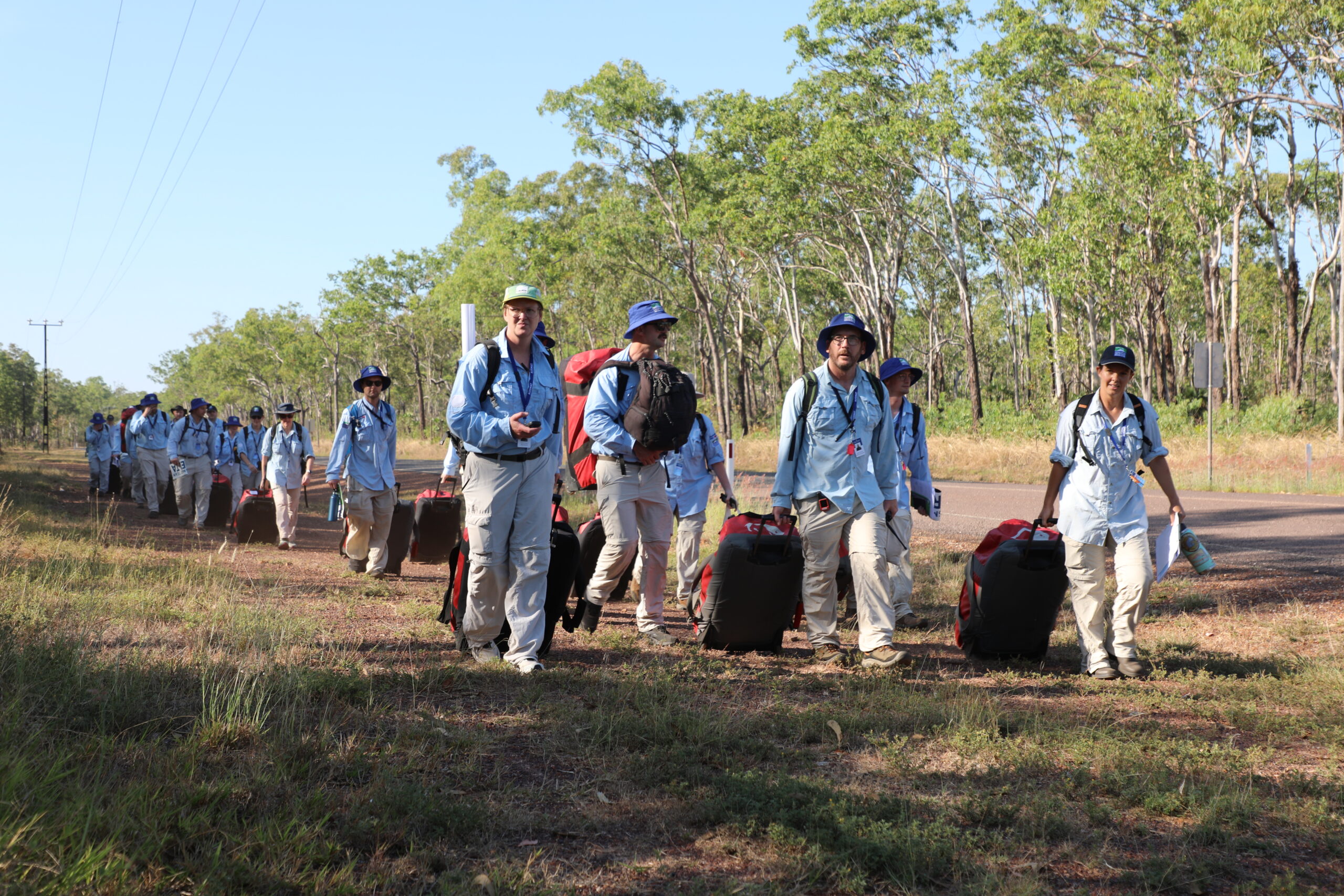
As AUSMAT grows, so does the range of expertise within the team. Recruiting members across high priority clinical and specialist roles builds a workforce equipped to respond to the varied needs that can arise during a health emergency.
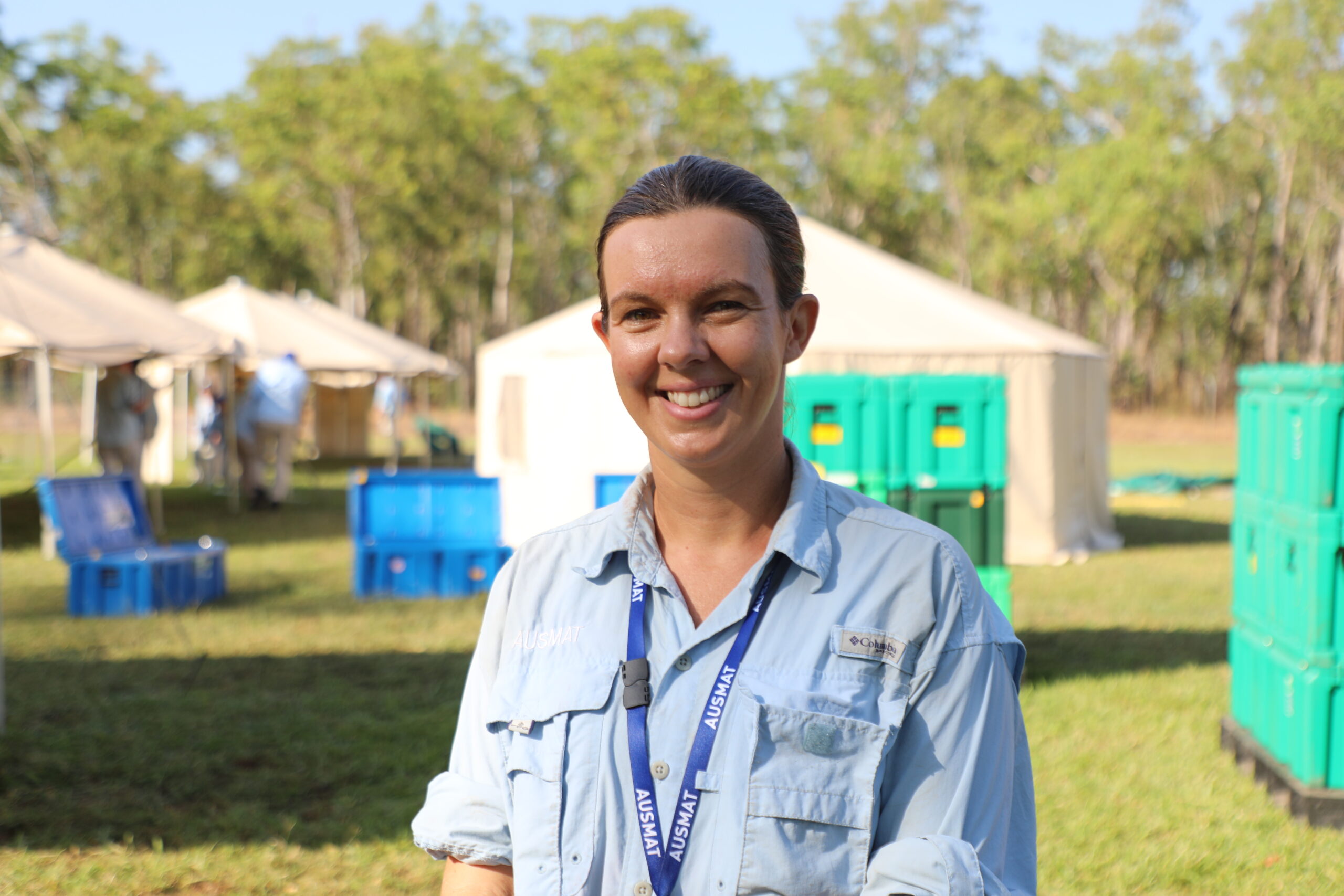
For registered nurse and midwife Courtney McCabe, that includes recognising that essential healthcare needs continue even when communities are affected by disaster. Working as a flight nurse with the Royal Flying Doctor Service Western Operations, Courtney brings experience in providing care to rural and remote communities.
Everyday presentations to hospitals, emergency departments and birthing centres still happen, disaster or no disaster.
Courtney’s experience as both a nurse and midwife adds another dimension to AUSMAT’s clinical capability, while Fallon Grieve’s experience as a pharmacist demonstrates the value of bringing specialist expertise into the wider team. From Canberra Hospital, Fallon had been interested in AUSMAT for a decade after first hearing about the role of pharmacists in Emergency Medical Teams (EMT). When the opportunity arose in 2026, she decided the time was right to put forward an expression of interest.
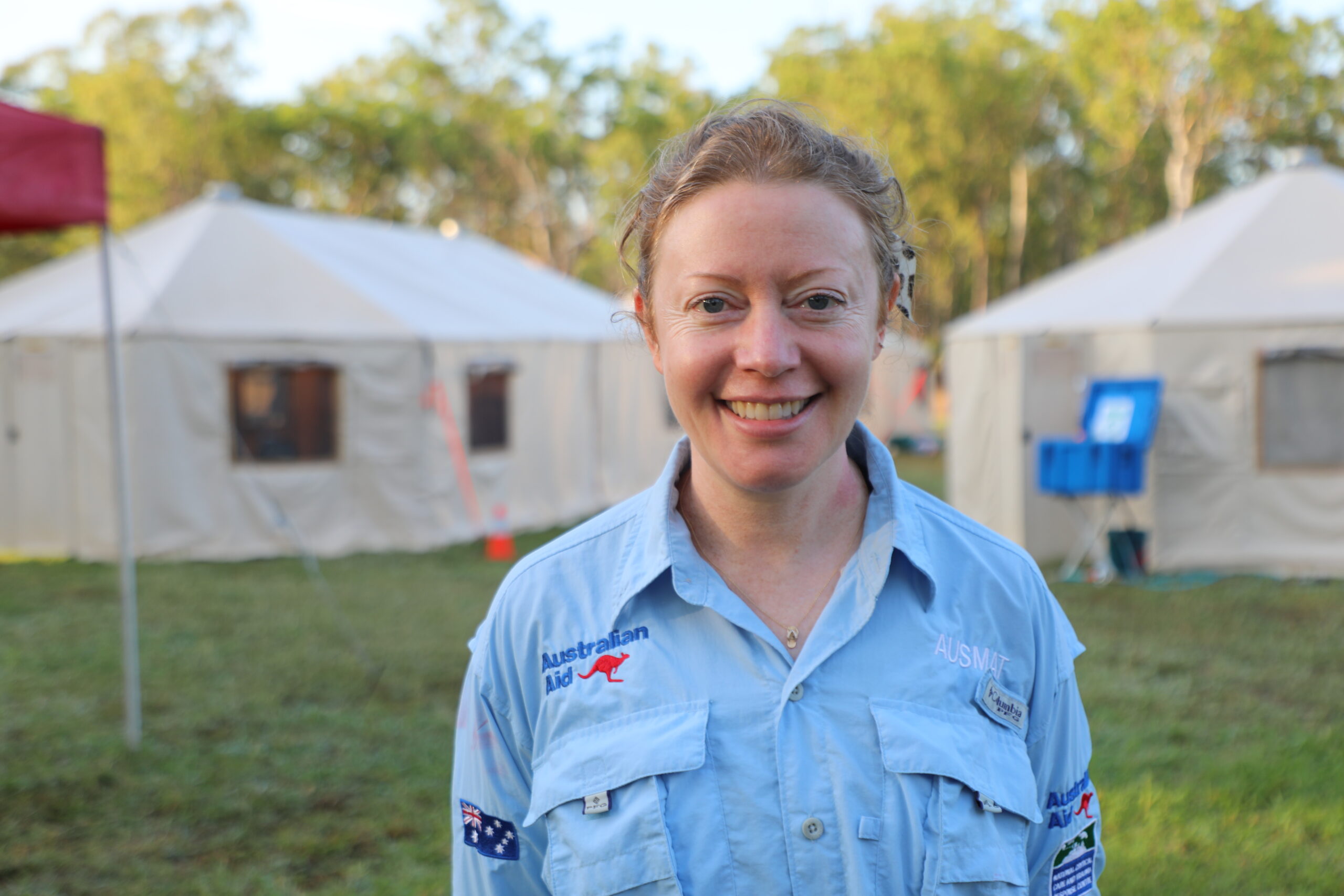
We all came from different states and territories, different backgrounds and different professions, but we worked together, communicated well and respected each other’s strengths to achieve a shared outcome.
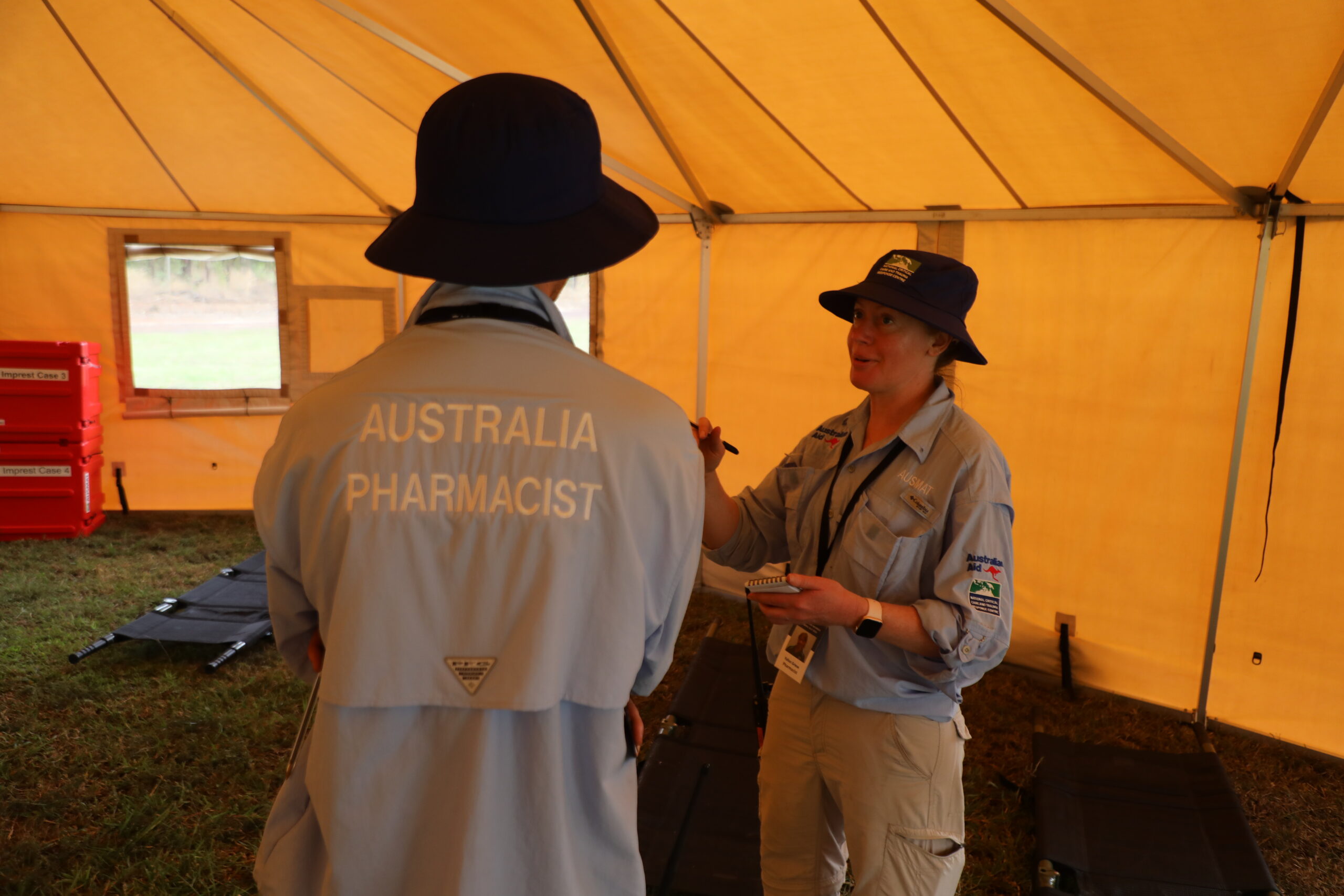
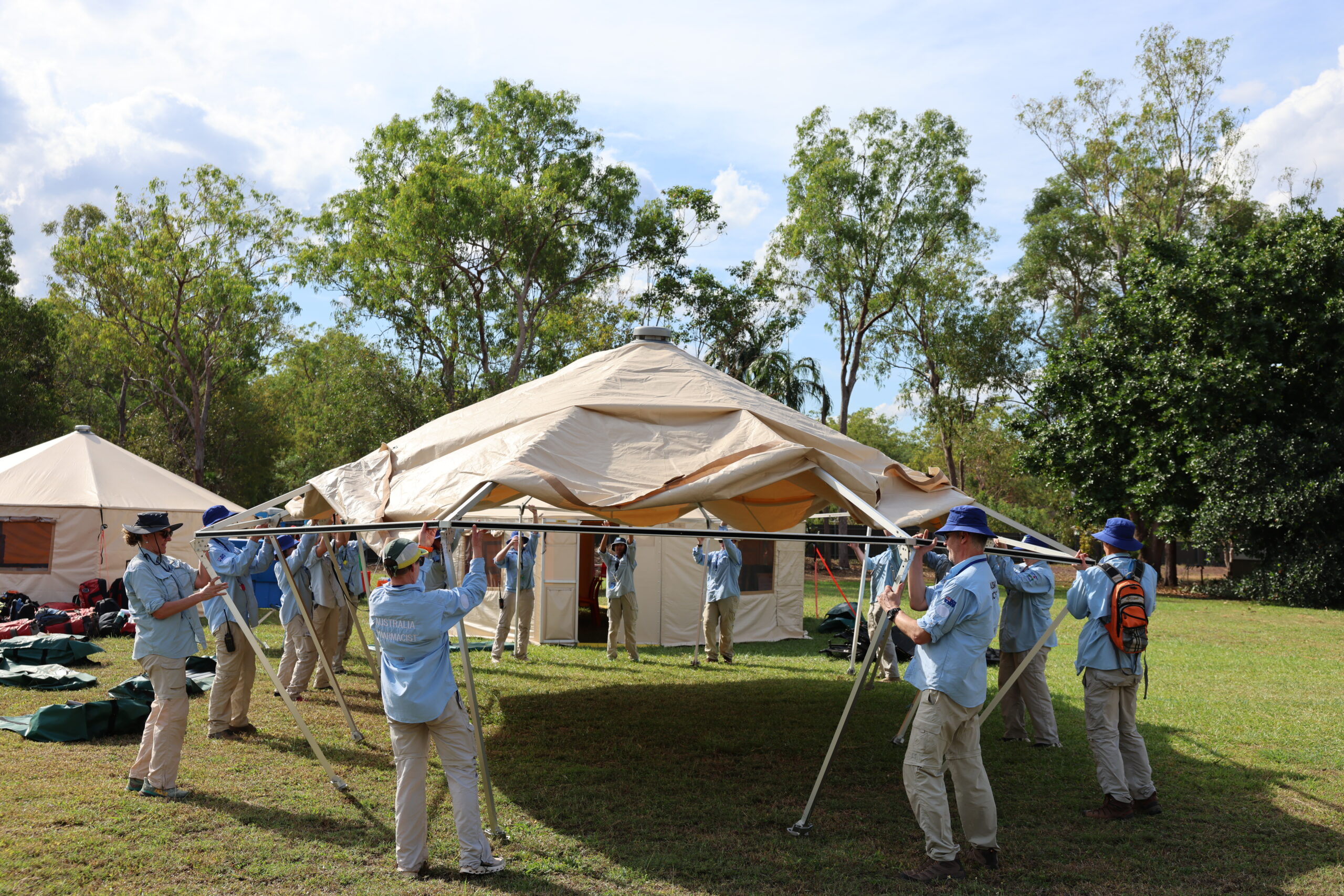
This was put into practice when the participants established the AUSMAT EMT Type 1 field hospital. Courtney and Fallon saw first-hand how a diverse group could unite around a common task.
“Everyone rolled up their sleeves and pitched in, which is exactly what it’s all about. I was quite surprised at how quickly we were able to mobilise the EMT Type 1 facility and get it up and running,” Courtney added.
“Many hands make light work, and I think that’s key.”
Different professions, one team
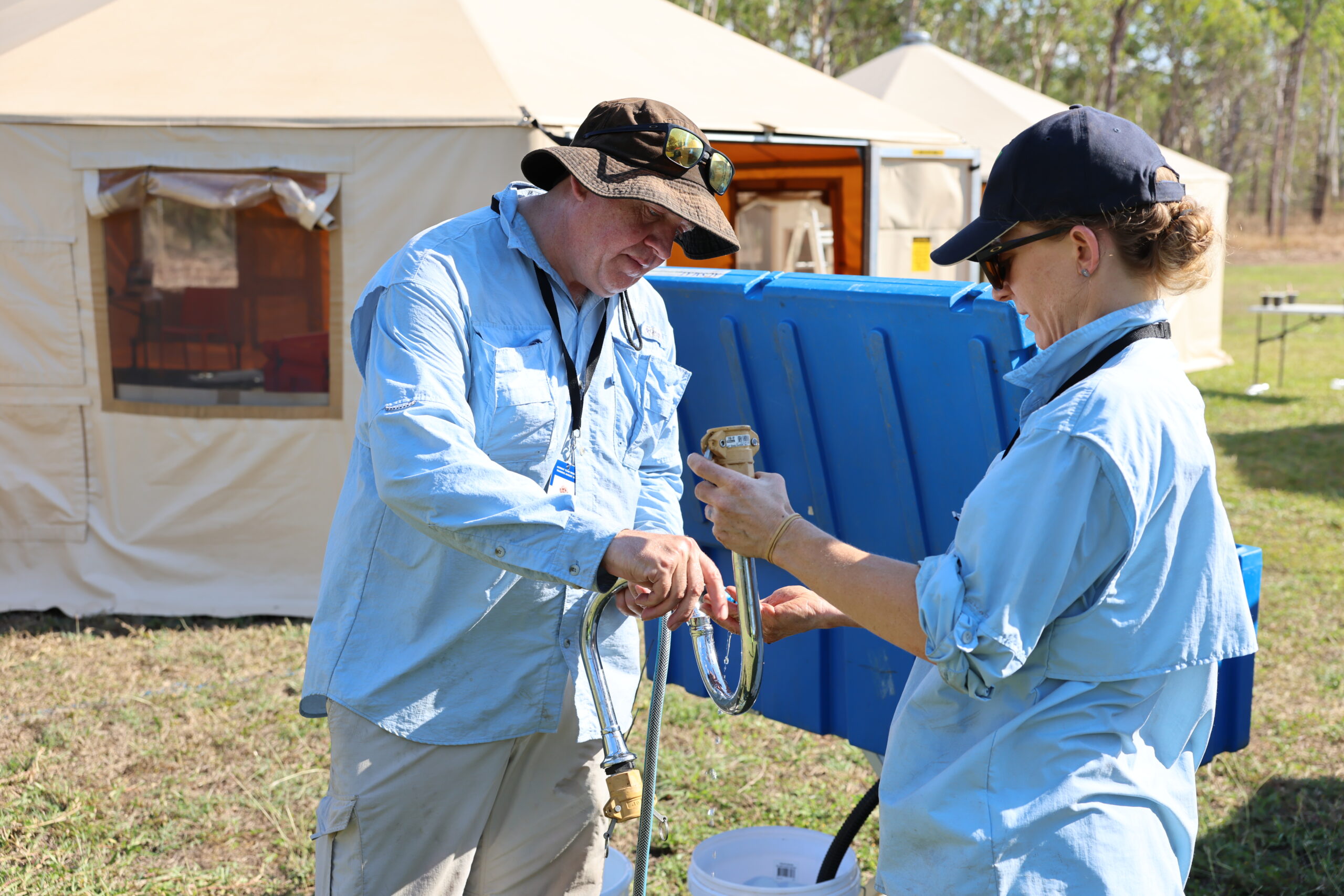
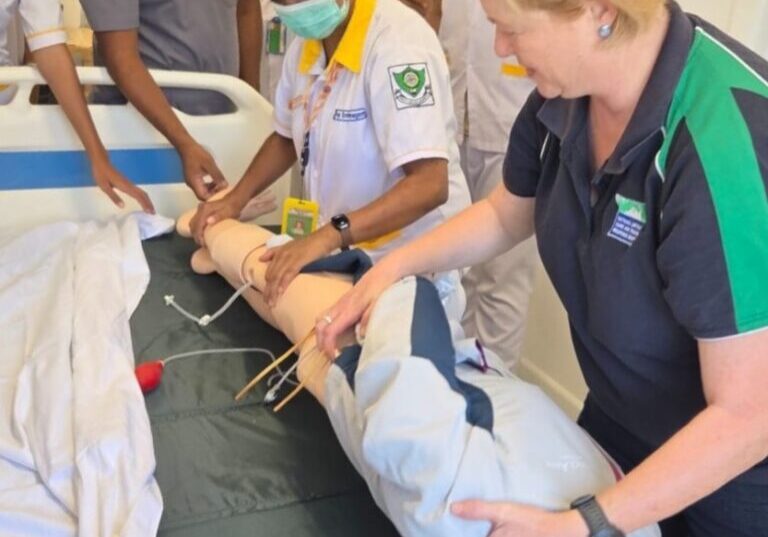
The course combine 7 weeks of online learning with a 5-day residential component, equipping participants with the knowledge, skills and practical experience required to contribute to an AUSMAT deployment.
During the intensive residential week, participants moved beyond theory and their usual roles, adapting to unfamiliar and resource-constrained environments while learning how their individual expertise contributes to the wider emergency response.
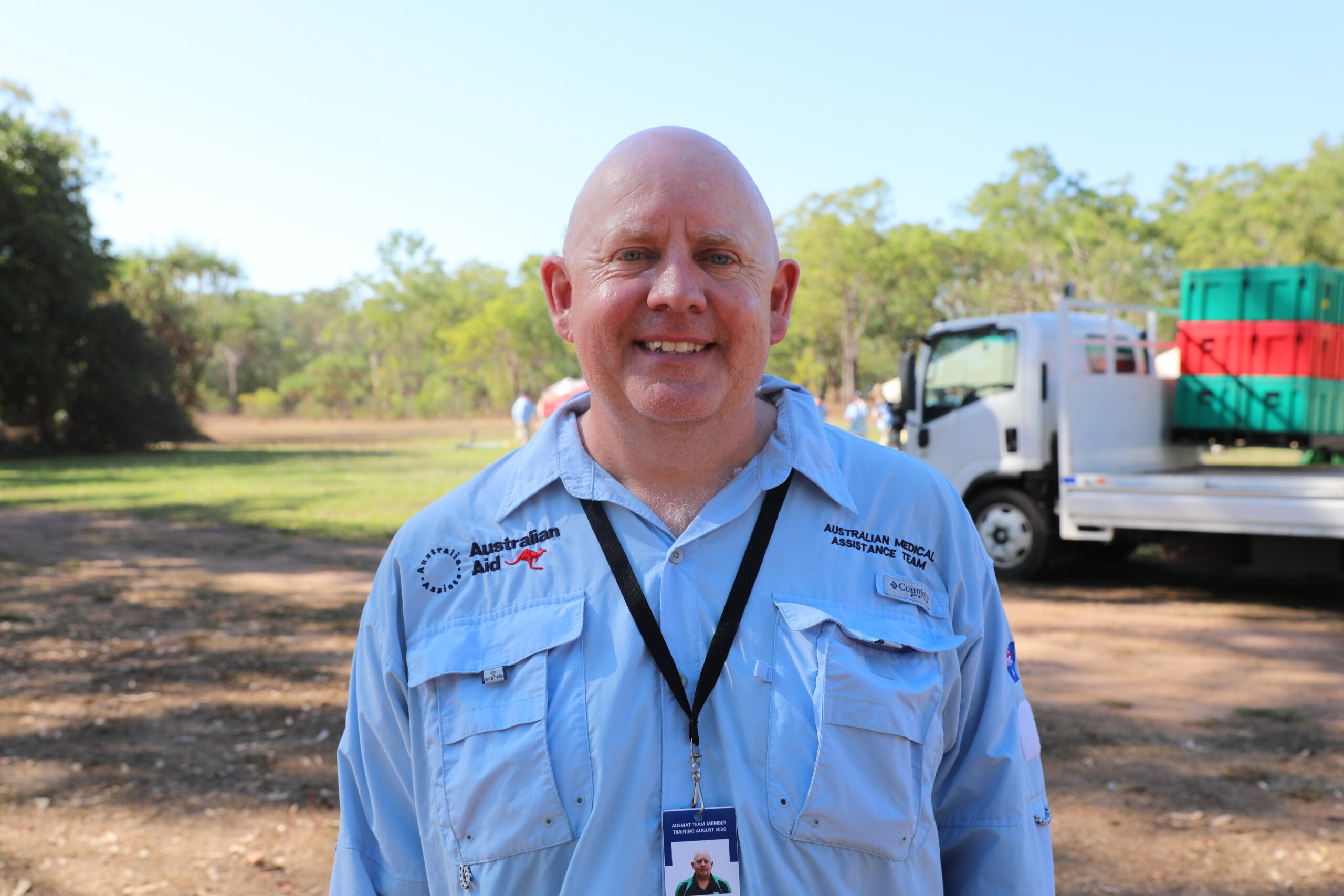
The course exposed non-clinical members to the realities of working within a field hospital. South Australian Metropolitan Fire Service firefighter Byron Krop said working alongside clinicians as a health logistician offered a new perspective on how his firefighting experience could contribute within an EMT.
I bring a different set of skills to the team. I supported the operation from setting up the facility to helping the whole team operate safely and effectively in the field.
For Victorian firefighter Steve Martin, the clinical environment was also unfamiliar, but the practical problem-solving required in logistics drew on his emergency services experience.
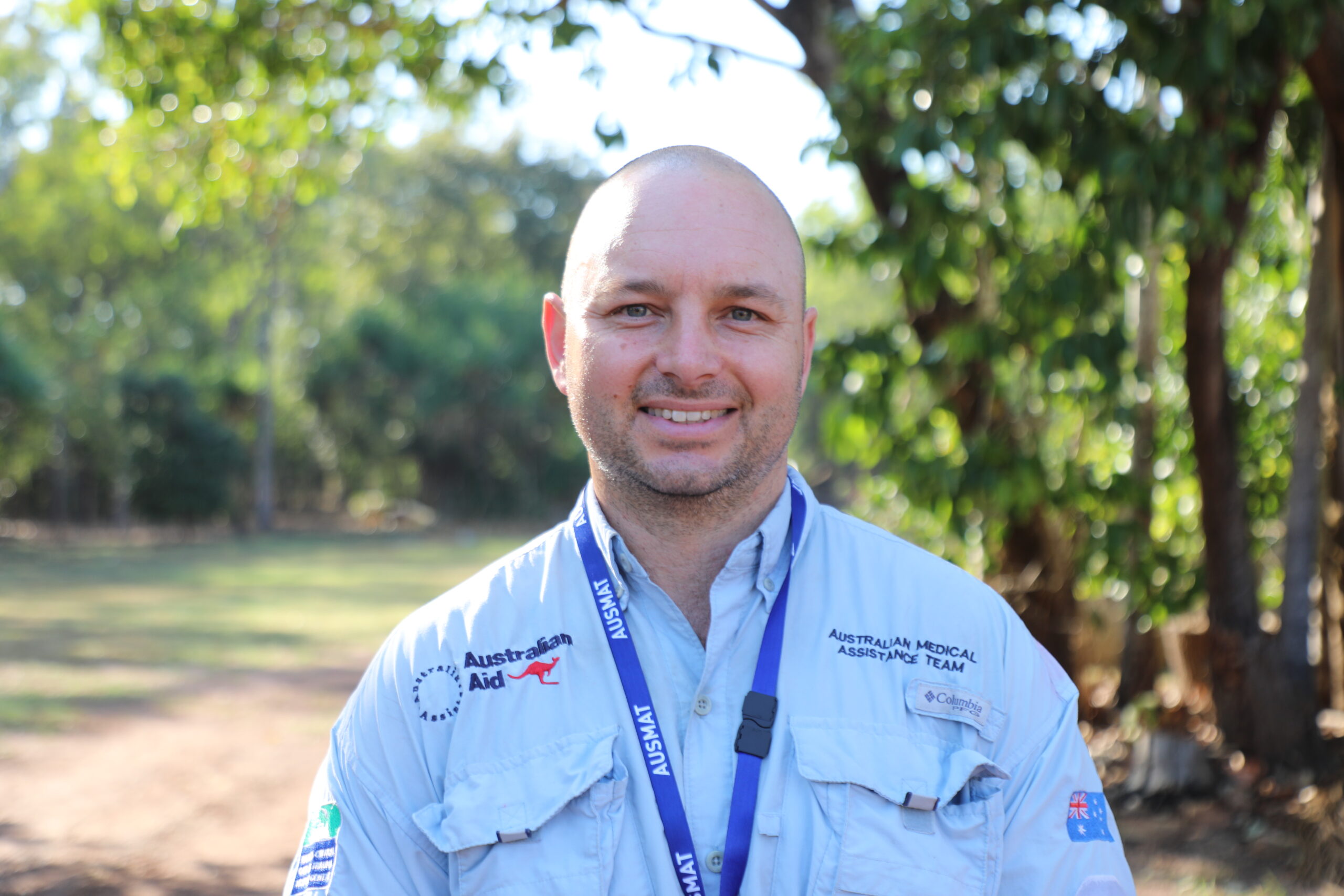
Learning the basics of how to structure a field hospital, the triage process, and how nurses, doctors and pharmacists work was completely foreign to me. One of the big takeaways from the course was learning how to work alongside those people.
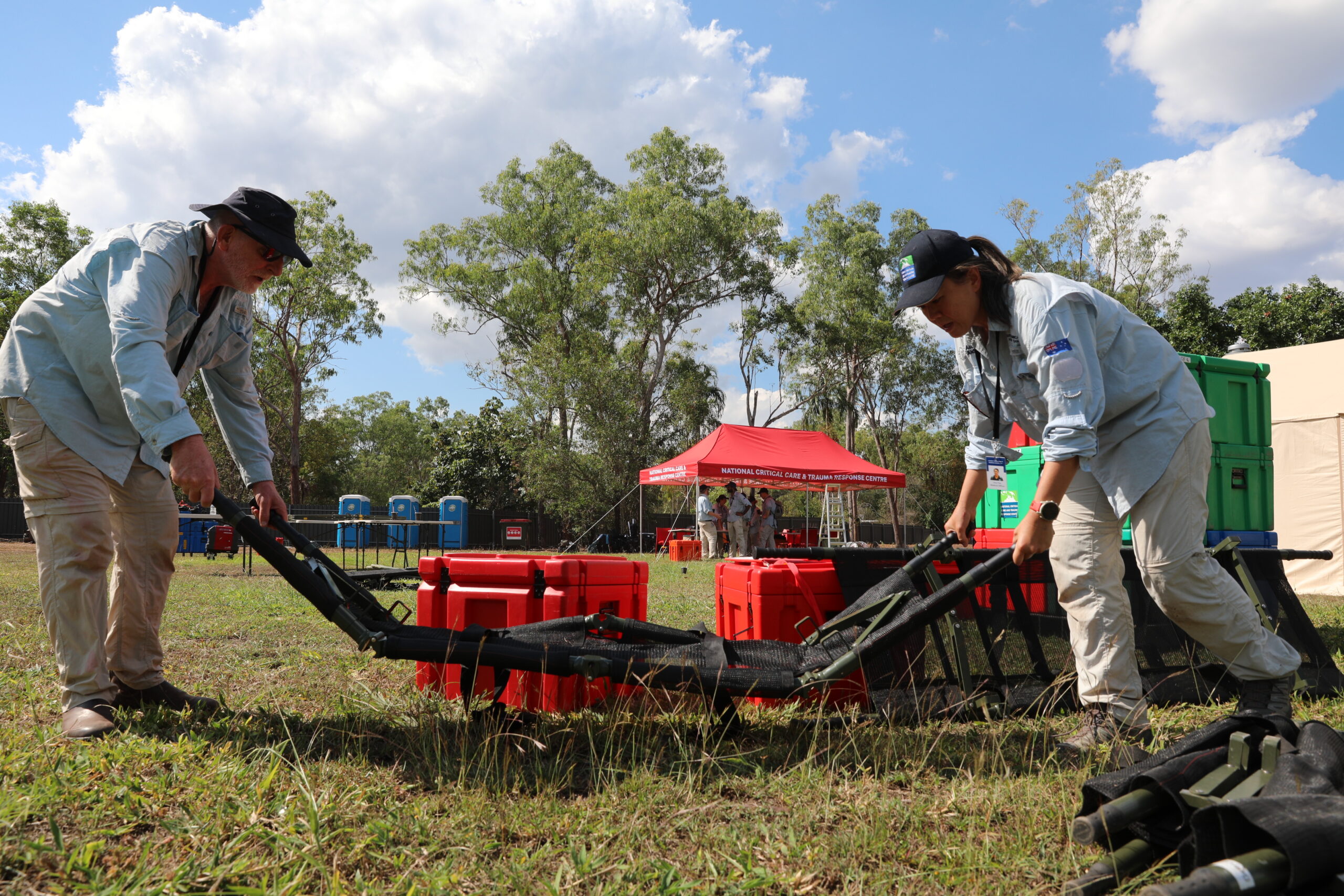
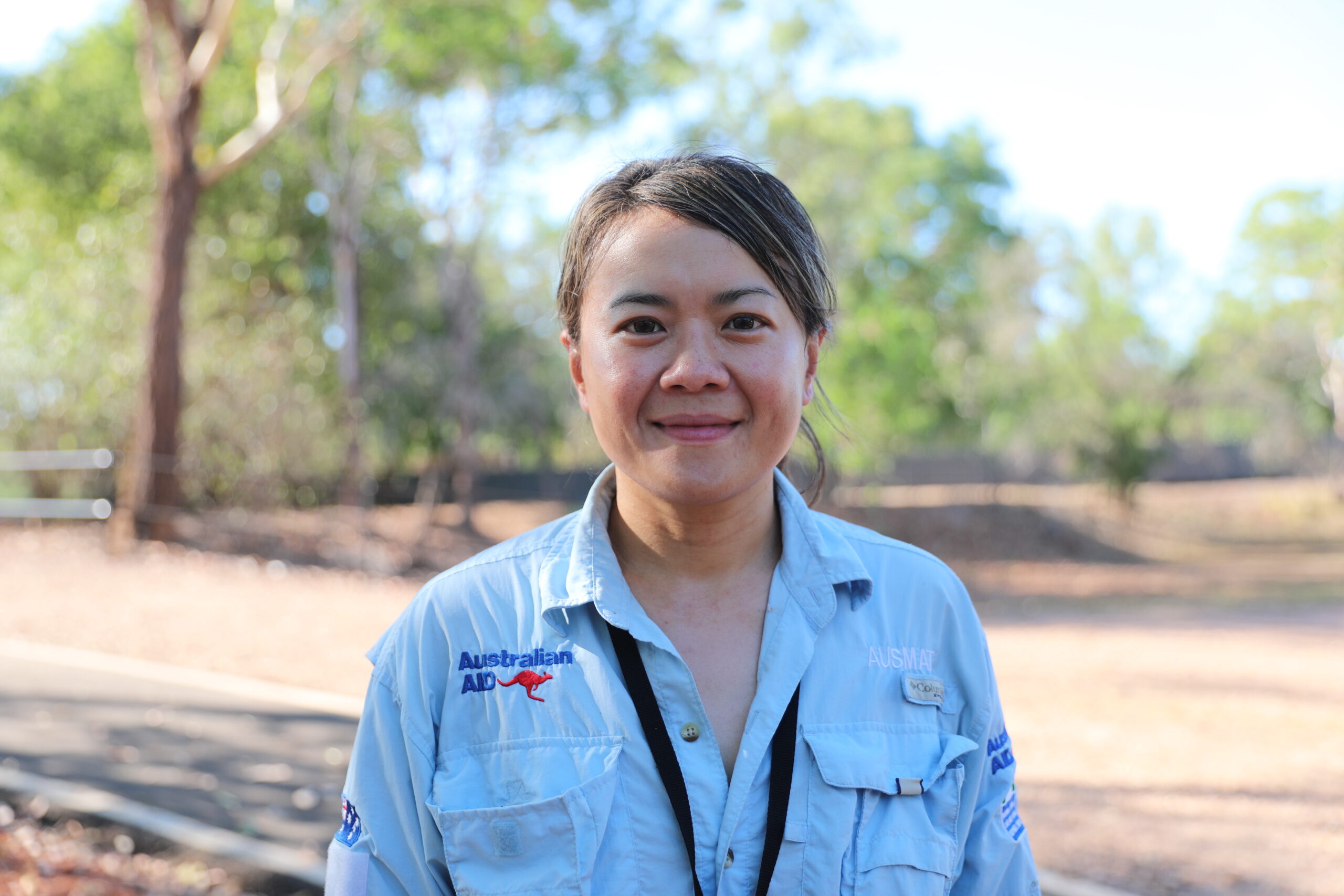
That exchange of skills worked both ways. Amy Ting, an emergency doctor from Canberra Hospital, found herself working outside her usual clinical role.
“I’ve never put up a big tent myself, but during one of the exercises, I helped the faculty and logisticians put up the tent and set up the portable sinks,” Amy shared.
It was wonderful to see everyone step outside their normal roles, chip in and help the whole team get the job done.
Preparing for what comes next
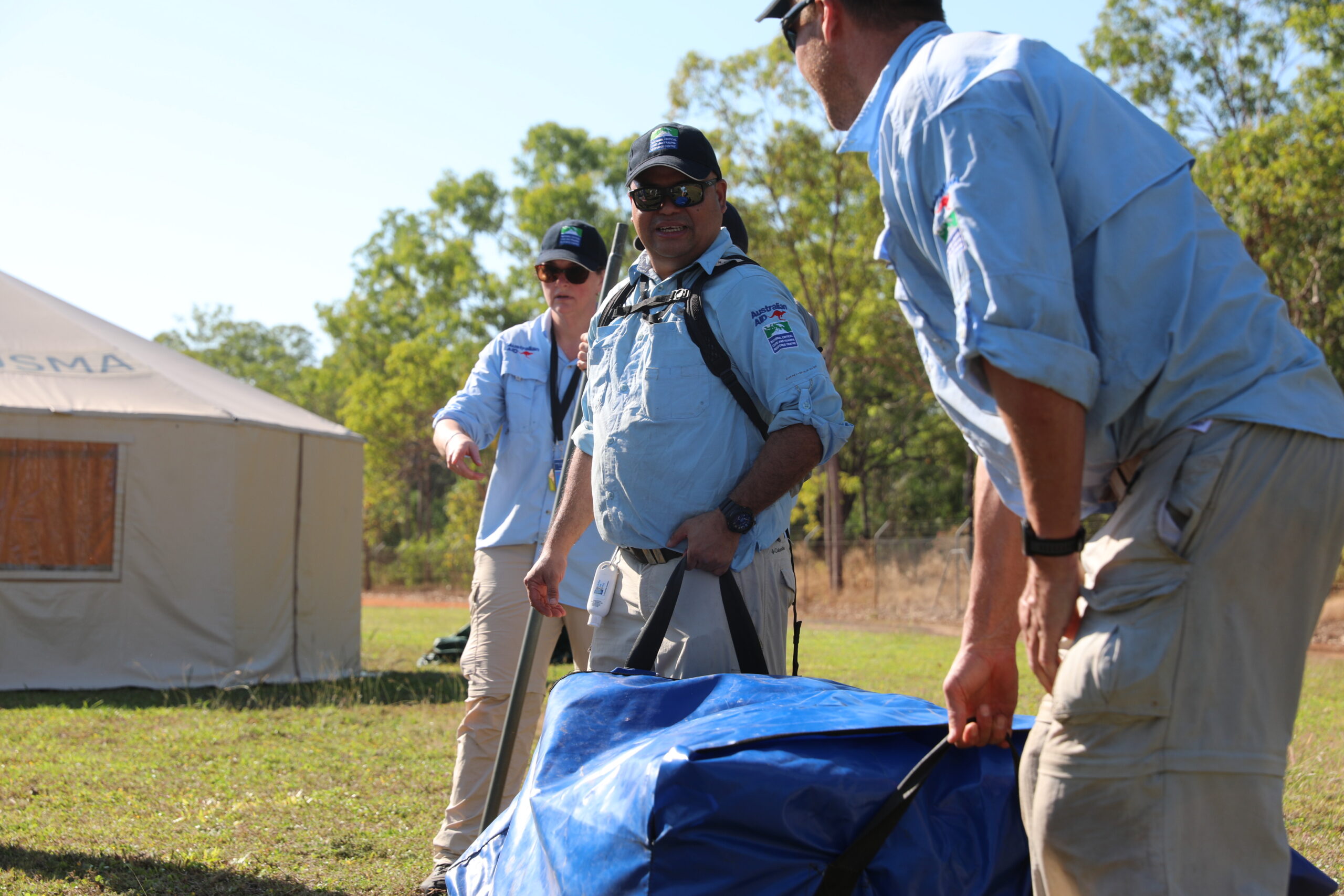
The AUSMAT TM course provides a foundation for new participants to build confidence and learn from experienced AUSMAT members.
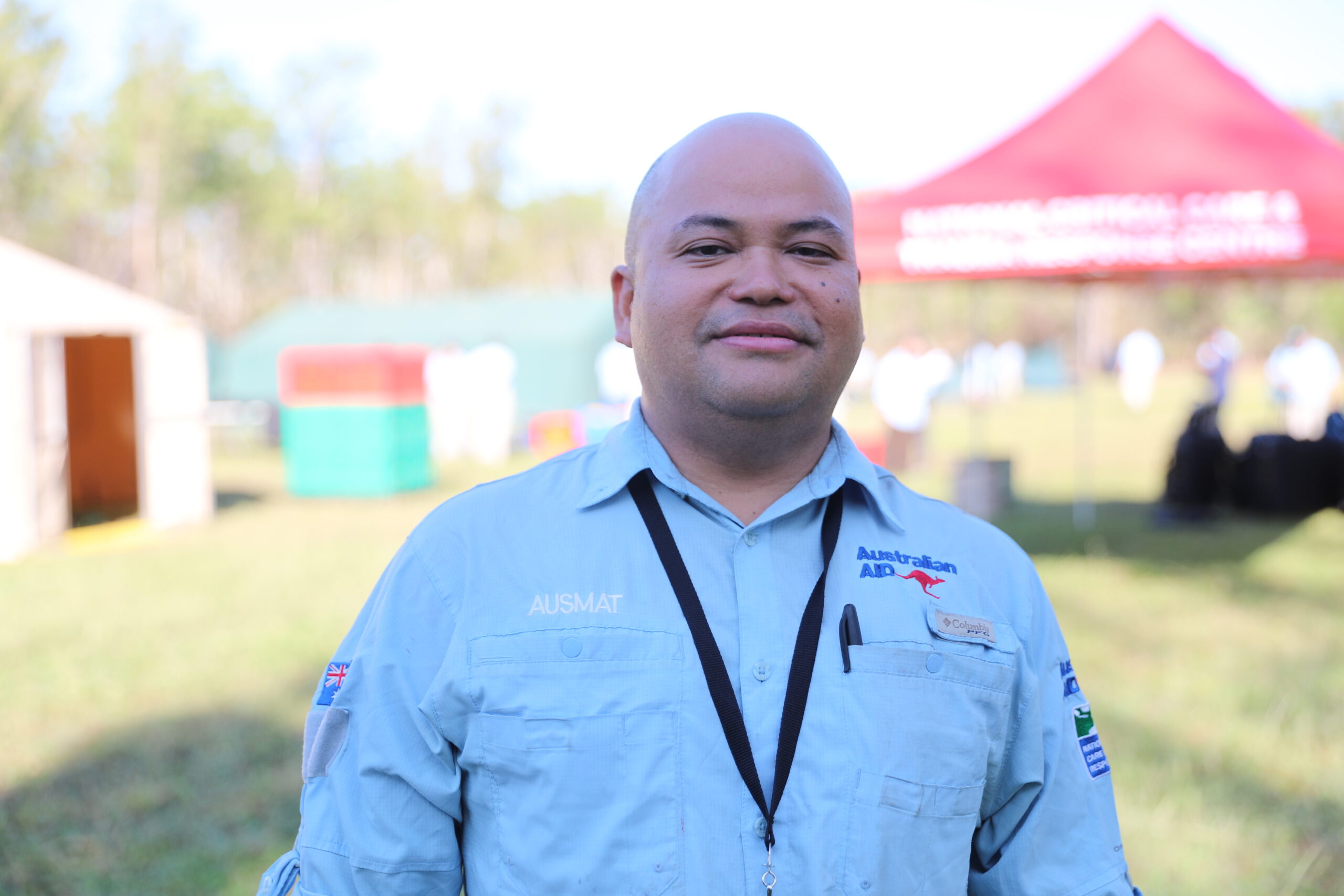
It prepared me for the demands and realities of working in an austere environment if I’m deployed.
“It’s really about adapting your skills,” he added. The experience gave Charles a clearer understanding of what it means to work as part of AUSMAT and the adaptability required.
The completion of the 2026 Team Member courses marks an important milestone in strengthening AUSMAT’s national workforce. As new members continue to develop their skills through ongoing training and exercises, AUSMAT is building the capability required to support future health emergency responses across Australia and the Asia-Pacific region.