Pacific spotlight on Dr Marica Mataika: leading the way in health emergency preparedness and response
26 Nov 2026
Written by Erika Lu
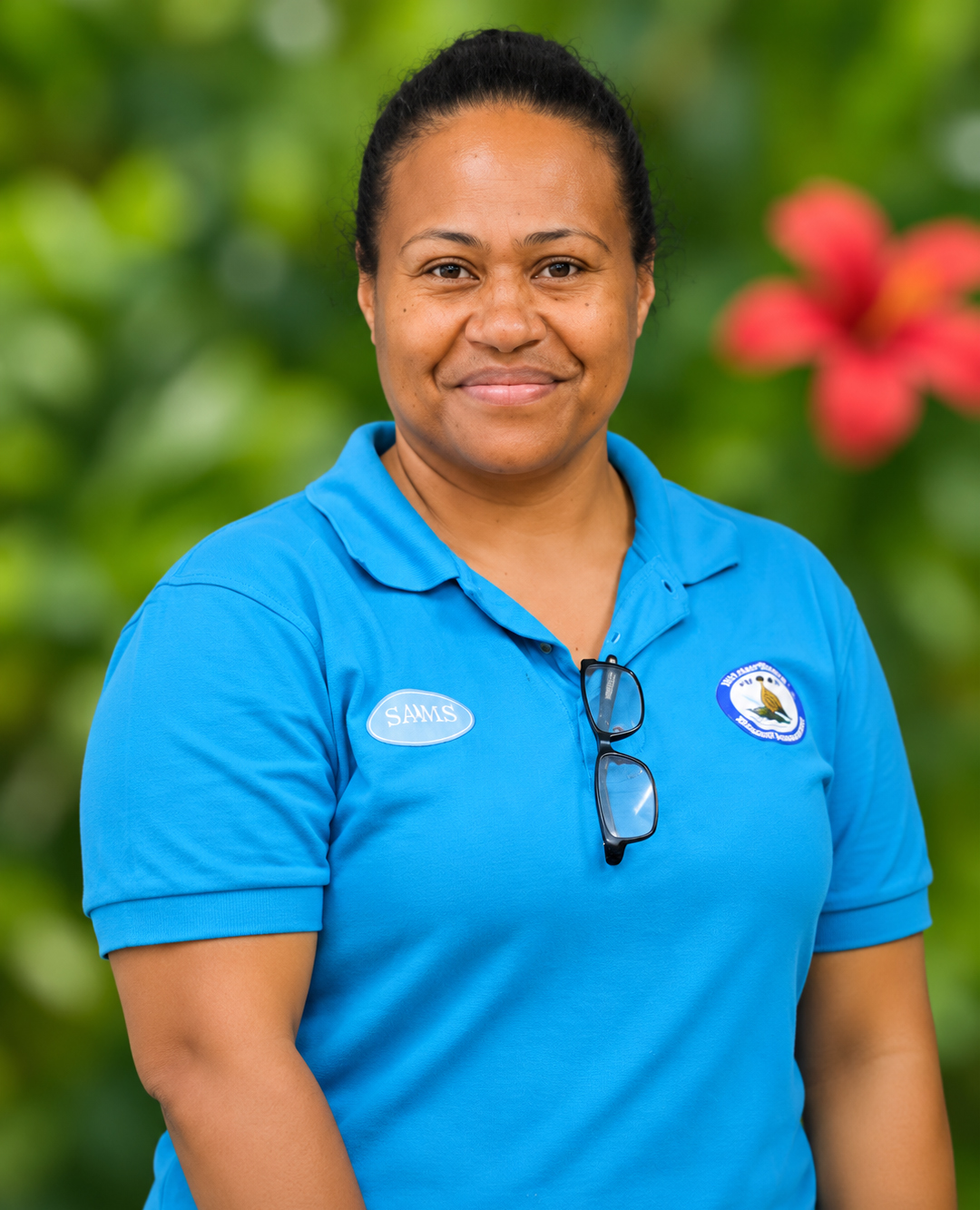
With 22 years in medical practice, Dr Marica Mataika has seen how preparedness shapes the ability of health services to respond when emergencies occur. Her experience caring for patients, leading teams and responding to disease outbreaks and disasters continues to inform her work to strengthen Fiji’s health emergency preparedness and response.
As a Specialist Physician in the Internal Medicine Department at Colonial War Memorial Hospital and Head of Fiji Emergency Medical Assistance Team (FEMAT), Dr Marica’s responsibilities span clinical care, team leadership and emergency planning.
Throughout her career, she has come to recognise that effective preparedness depends on practical plans, coordinated systems and people who are trained and supported to put them into action.
“Supporting my team is just as important as achieving operational objectives,” Dr Marica said.
This approach guides her work with colleagues and national and regional partners to strengthen Fiji’s preparedness for future emergencies.
Building preparedness through partnerships
Preparing for health emergencies requires collaboration across health services, government and regional partners. Dr Marica is contributing to this work through planning initiatives and training supported by the National Critical Care and Trauma Response Centre (NCCTRC).
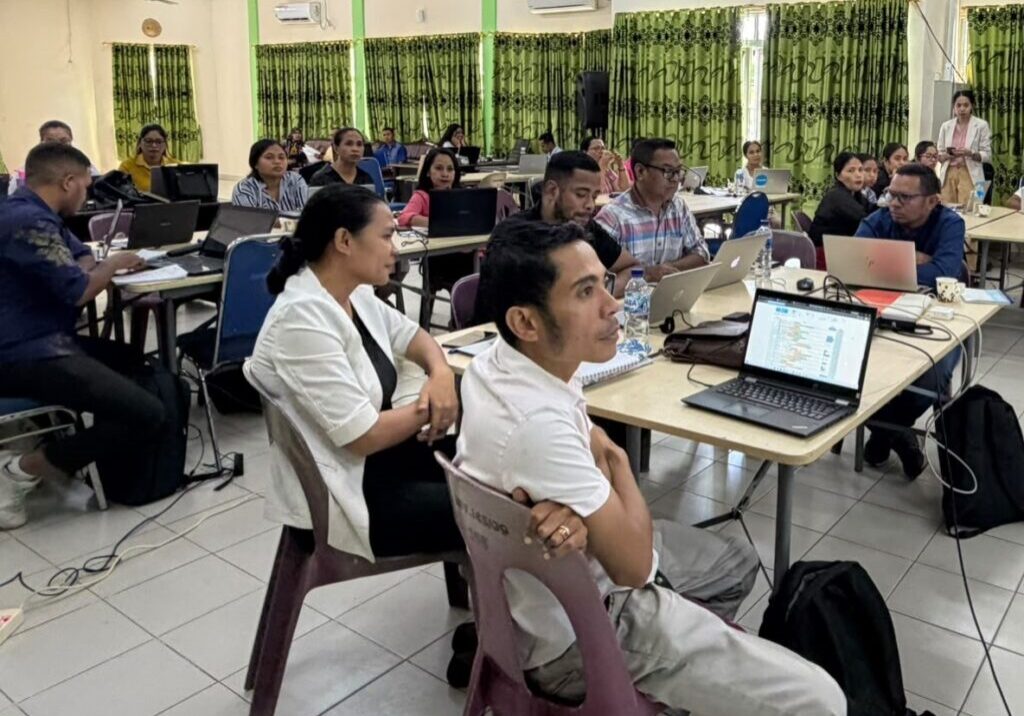
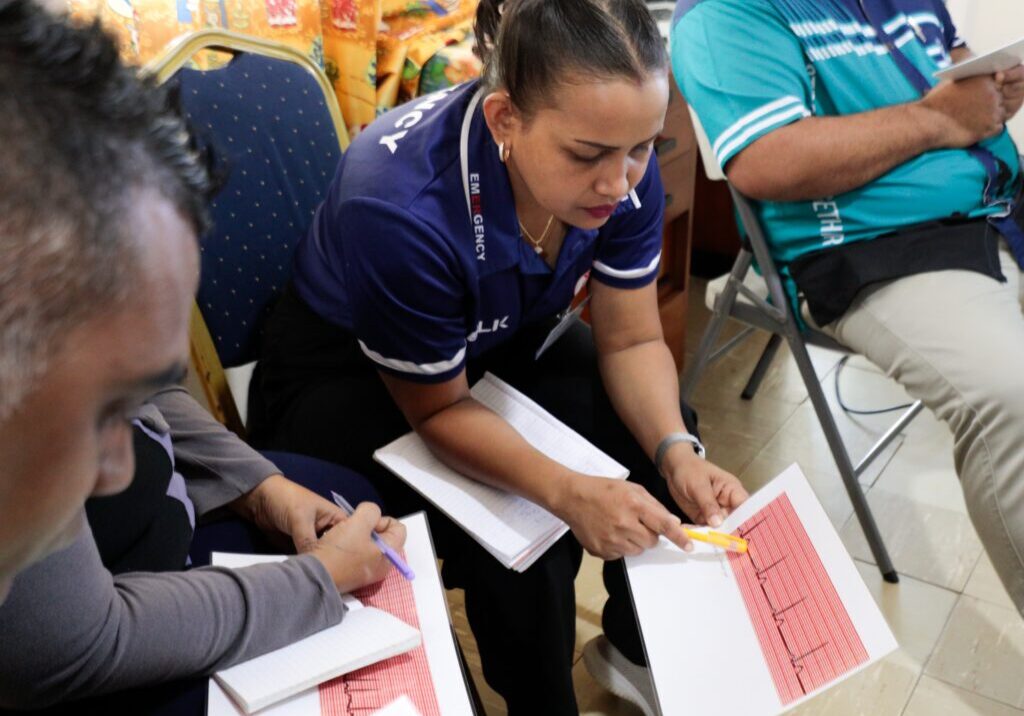
In June 2026, Dr Marica contributed to the 4-day Climate Change and Disaster Risk Management Course, delivered through NCCTRC’s Public Health Operations in Emergencies for National Strengthening in the Indo-Pacific (PHOENIX) program and the Regional Engagement Program (REP), in partnership with the Fiji Ministry of Health and Medical Services (MHMS). The course covered climate change adaptation, disaster risk management and health emergency planning.
“I worked closely with my colleagues from across the Fiji Central Division and the NCCTRC team. What stood out to me was the collaborative approach.”
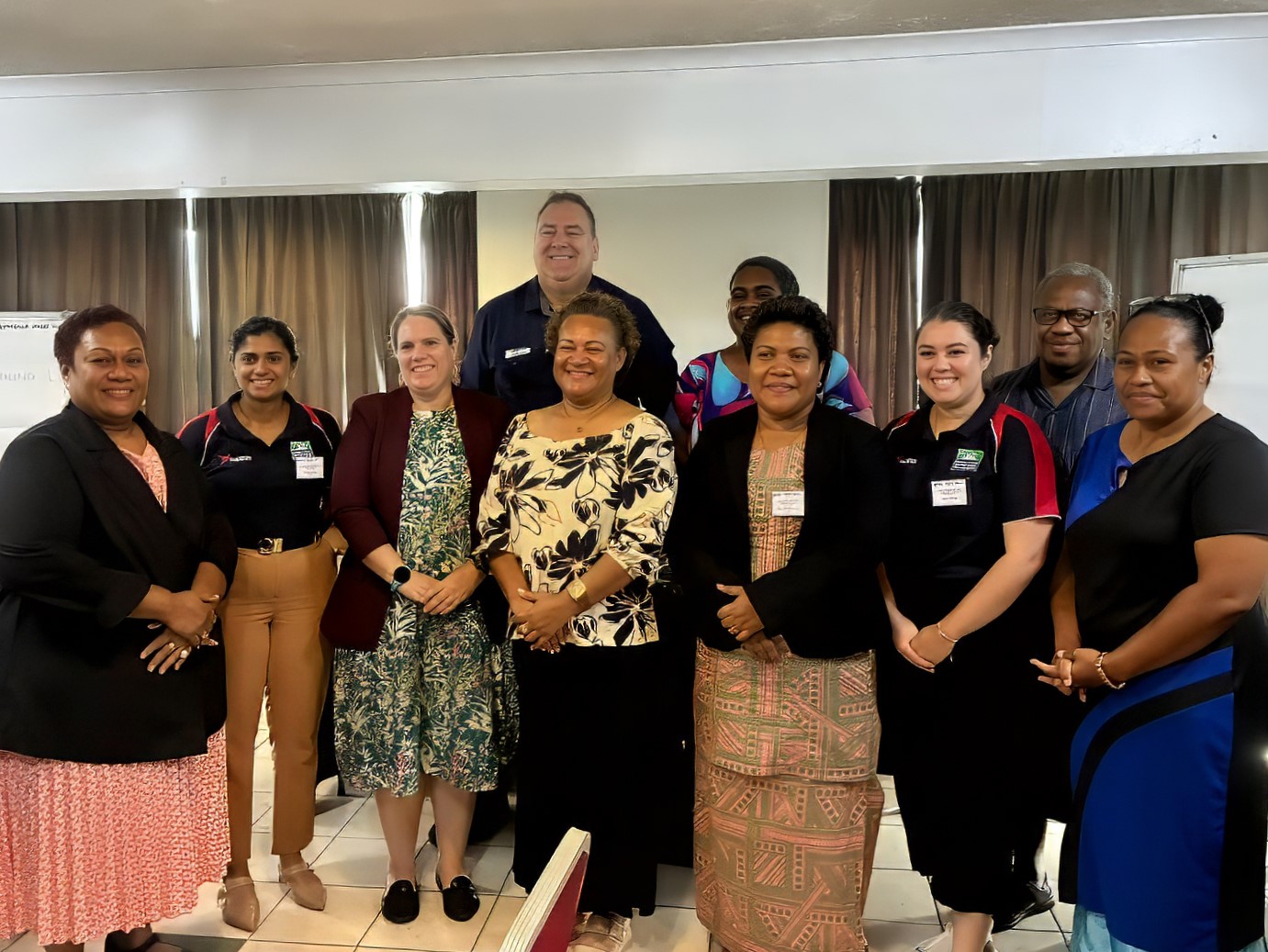
Participants developed sub-divisional disaster management plans to support local preparedness, coordination and health emergency response capability across Fiji’s Central Division.
For Dr Marica, the value of this work extends beyond the plans themselves. Working together helps colleagues share knowledge, understand local needs and build relationships they can draw on during emergencies. She also highlighted the value of supportive partners who understand the demands of their work and are willing to walk alongside them.
This focus on practical, locally led preparedness also informs Dr Marica’s work on Fiji’s national health emergency planning framework.
Dr Marica is leading the review of Fiji’s Health Emergency and Disaster Management Action Plan (HEADMAP) with support from the NCCTRC’s REP and PHOENIX programs.
The review aims to establish a practical, nationally owned framework to guide emergency planning, coordination and response. It seeks to align the current legislation, World Health Organization’s risk assessment tools, emergency operations frameworks and regional best practice.
As health emergency risks and operational needs evolve, the review provides an opportunity to ensure Fiji’s planning reflects current requirements and supports a coordinated response.
“The process has strengthened my sense of responsibility in continuously improving my country’s health emergency and disaster response systems,” she said.
Learning from emergencies
Dr Marica’s experience responding to emergencies informs her understanding of what teams need when preparedness plans are put into practice. Her work has included responses to leptospirosis and typhoid outbreaks, tropical cyclones and earthquakes.
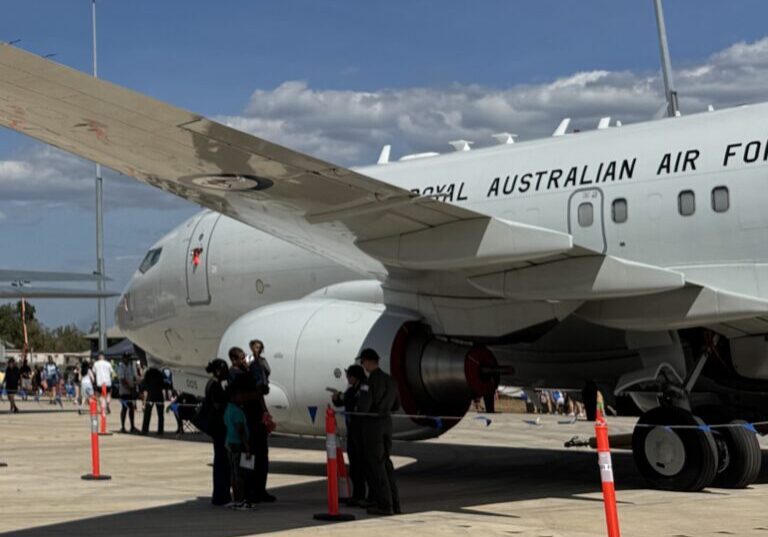
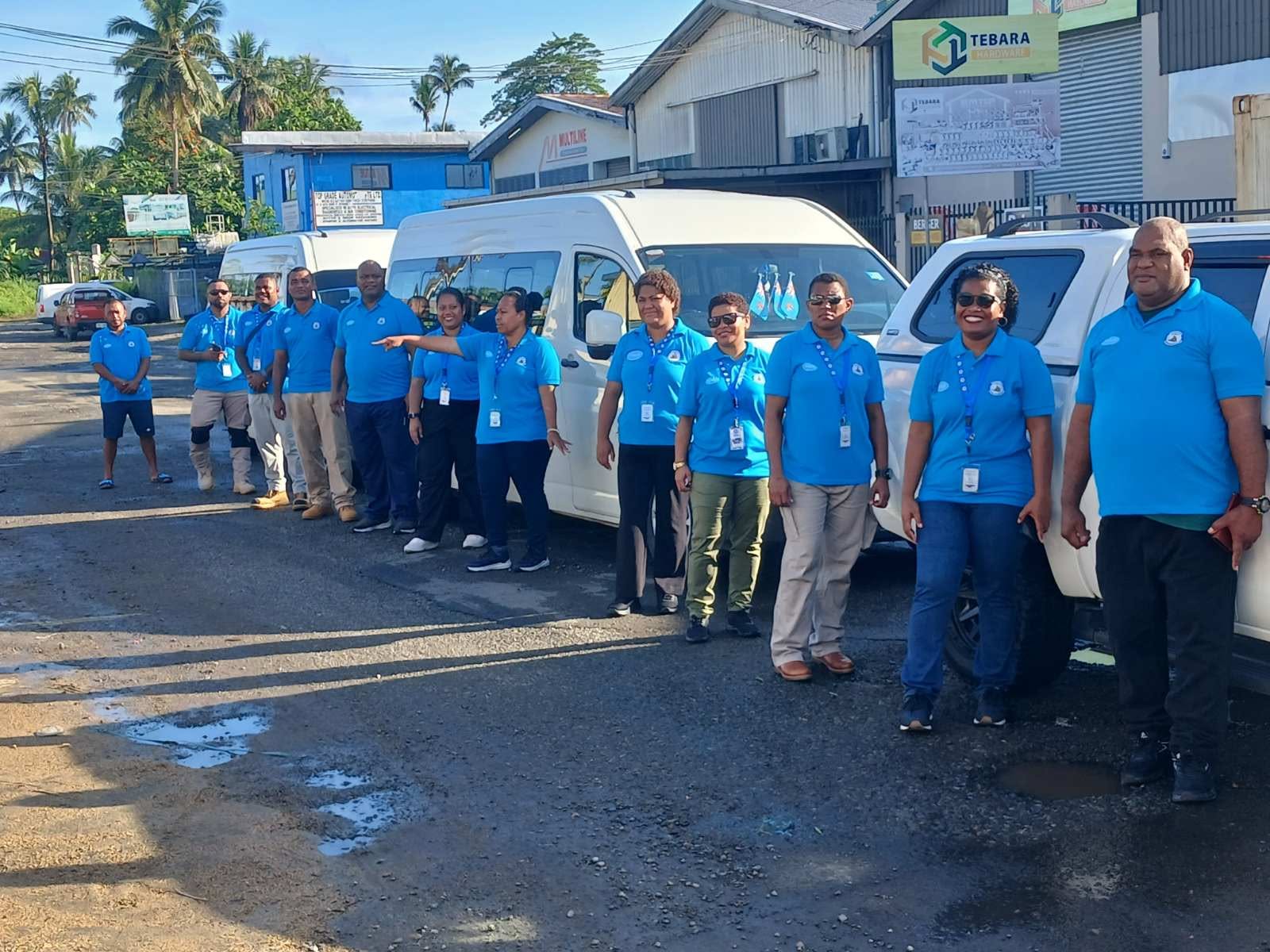
Following the magnitude 7.2 earthquake in Vanuatu in December 2024, Dr Marica served as FEMAT Team Leader, leading the 12-member team's deployment to Port Vila. FEMAT was among the Emergency Medical Teams (EMT) contributing to the response alongside the Australian Medical Assistance Team (AUSMAT).
Reflecting on the deployment, Dr Marica recalled the devastation caused by the earthquake and the importance of recognising the experiences of those affected.
I needed to do both – care for people as a medical professional but also be humane and listen to their stories and the trauma they had been through.
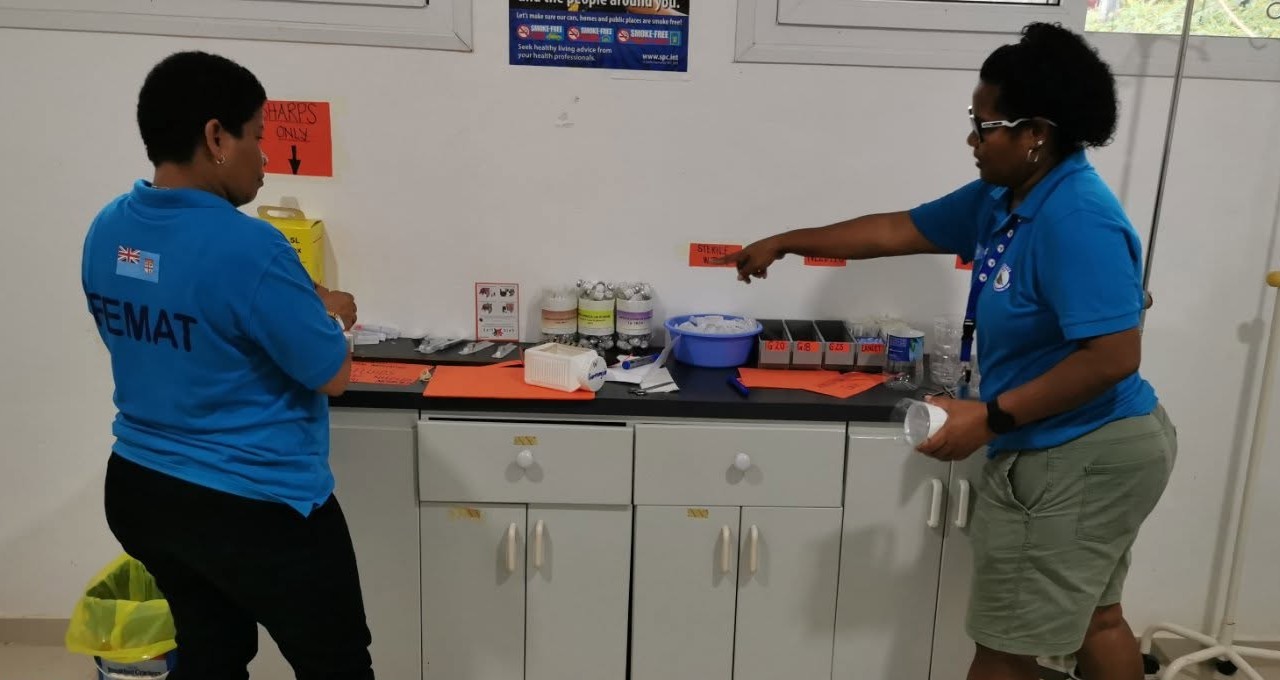
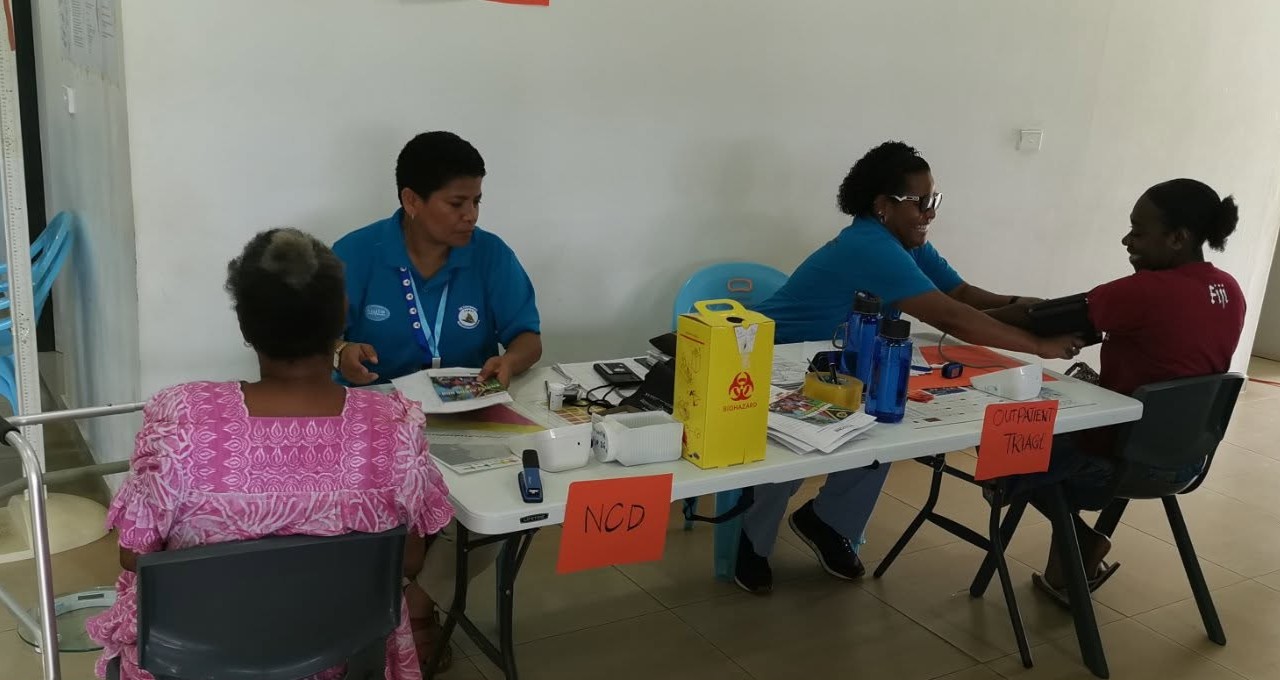
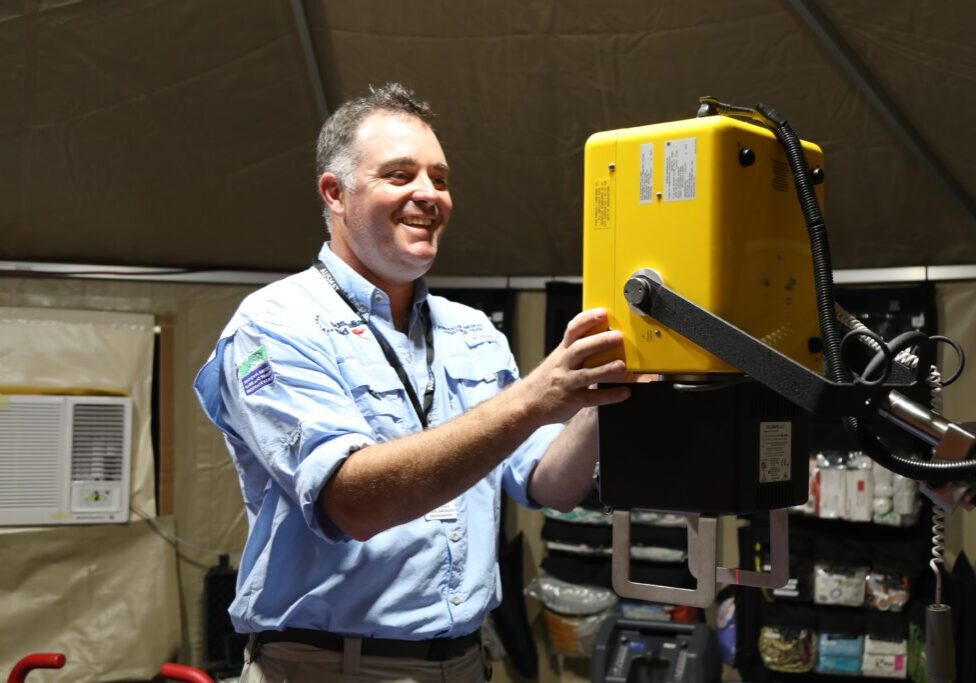
The lessons from deployments, including in Vanuatu, continue to inform Dr Marica’s work to improve FEMAT’s operational readiness. One of her current priorities is developing FEMAT’s EMT Coordination Cell (EMTCC) Standard Operating Procedure (SOP). This work sits alongside broader efforts to develop EMT workforce capacity, improve training and manage medical supplies.
“Seeing developments translate into practical improvements within our team’s readiness has been rewarding over the years.” Dr Marica also recognises the importance of using evidence to advocate for the support teams need. “I have come to appreciate the power of data and accurate reporting. They are our armour when advocating for resources, funding and the support needed to strengthen emergency preparedness and response,” she added.
Preparing for the future
From reviewing national preparedness plans to leading FEMAT’s readiness, Dr Marica draws on her clinical and deployment experience to connect planning with the practical demands of emergency response. Supporting the people who deliver that response remains central to her approach.
I hope my contribution helps the health workforce become better prepared, supported and coordinated in responding to future emergencies, so Fijian families and communities receive the timely and effective care they need.