From shared learning to local action: rehabilitation preparedness in Solomon Islands
04 Sep 2026
Written by Erika Lu(opens in new tab)
Bringing rehabilitation professionals together across organisations and provinces in Solomon Islands is creating a more coordinated approach to rehabilitation in disasters and emergencies.
Building on relationships established during AUSMAT’s 2021 deployment to Honiara(opens in new tab) and subsequent collaborations through the National Critical Care and Trauma Response Centre’s (NCCTRC) Regional Engagement Program (REP), the NCCTRC REP returned to deliver the 2-day Rehabilitation in Disasters and Emergencies (RIDE) course and a clinical skills day at the National Referral Hospital.
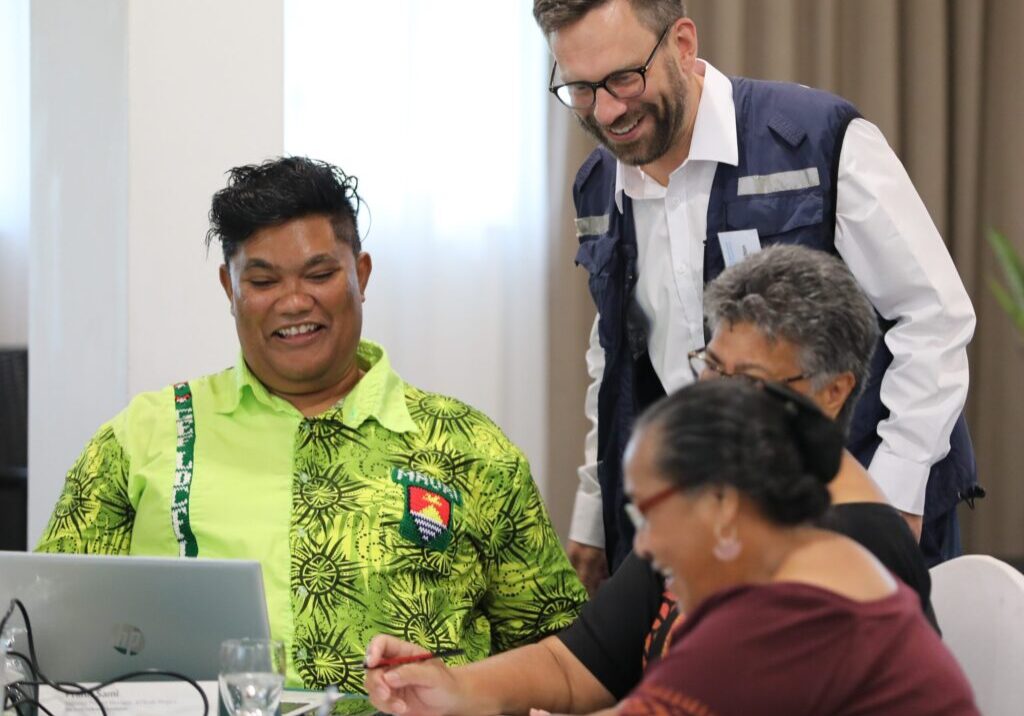
Funded by the Australian Government, the training brought together 29 participants, including physiotherapists, prosthetists, nurses, rehabilitation officers and logistics personnel from a range of healthcare settings across Honiara and the provinces.
The course followed the Rehabilitation in Health Emergency Preparedness and Response (HEPR) Toolkit workshop(opens in new tab) delivered in Fiji by the World Health Organization (WHO) in collaboration with REP.
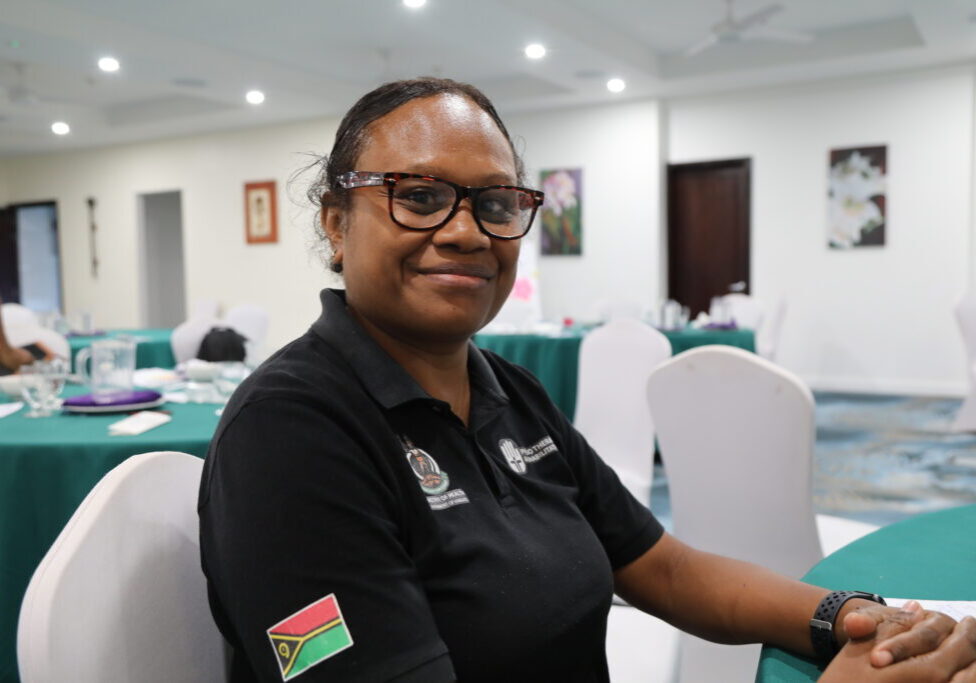
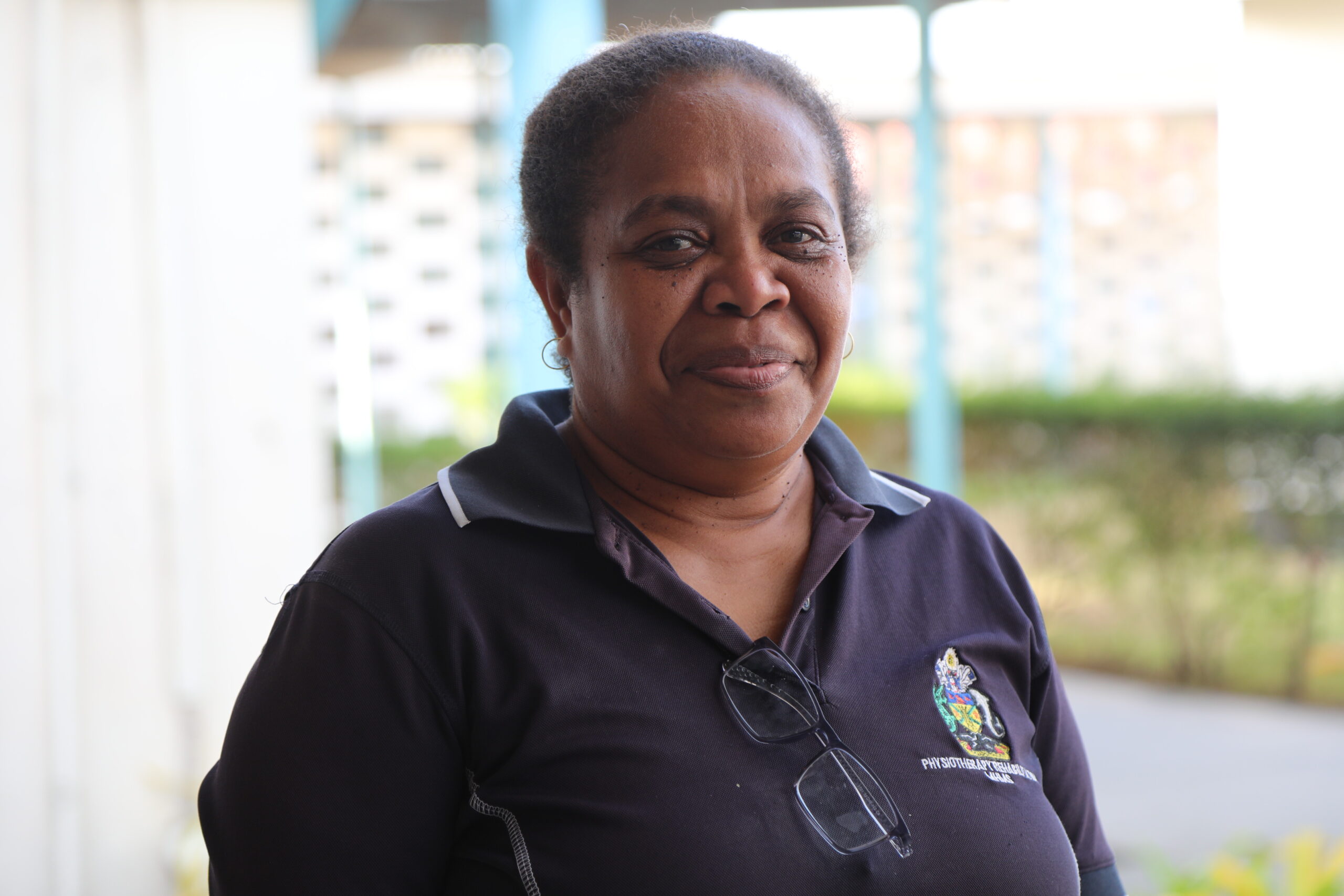
Among the participants was Solomon Islands Ministry of Health and Medical Services (MHMS) Director of the Physiotherapy and Rehabilitation Division Elsie Taloafiri, who was instrumental in bringing the RIDE course to Honiara for the first time.
For Elsie, the Fiji workshop prompted a practical question: how could this learning be shared more widely and put into practice across Solomon Islands?
Connecting rehabilitation professionals across the islands
With health services spread across multiple islands, distance, transport and weather can make it difficult to move staff, equipment and consumables between provinces. Local preparedness is important.
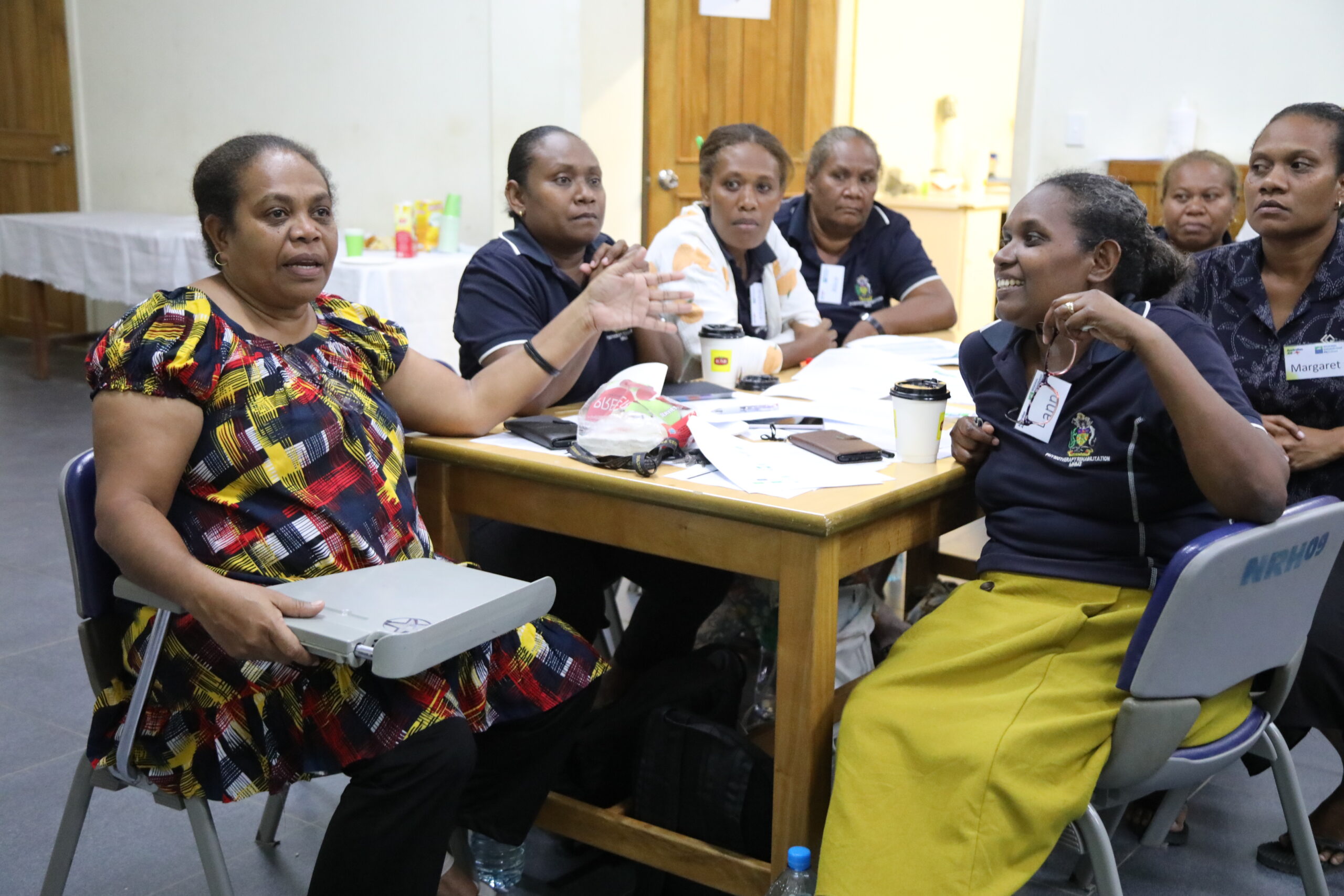
Representatives from the MHMS, provincial health services, Solomon Islands National University (SINU) and Solomon Islands National Institute of Sport (SINIS) took part in the RIDE course.
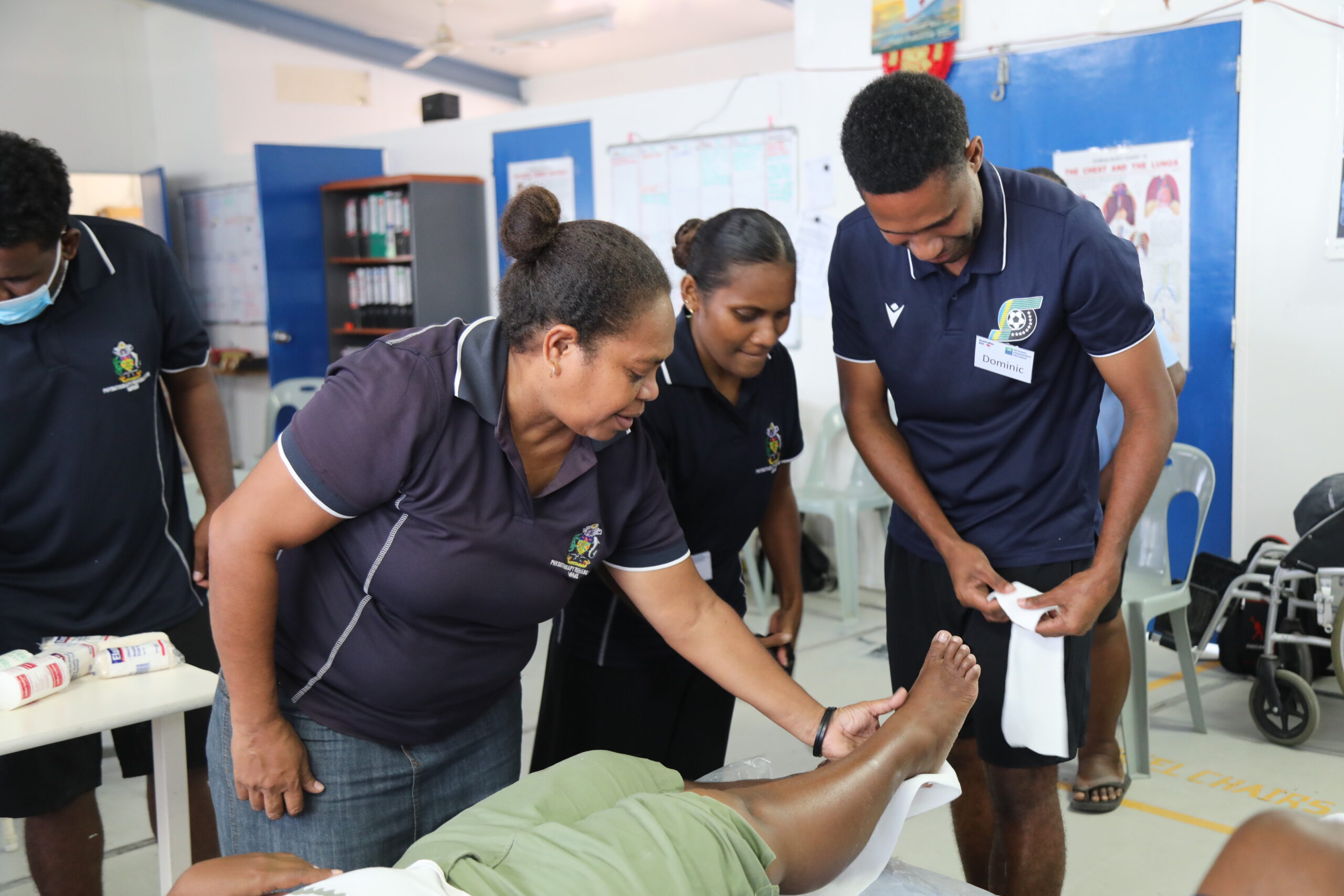
Among them was SINIS Physiotherapist Dominic Teilo, whose work supporting athletes provided a practical perspective on responding to injuries outside a hospital setting.
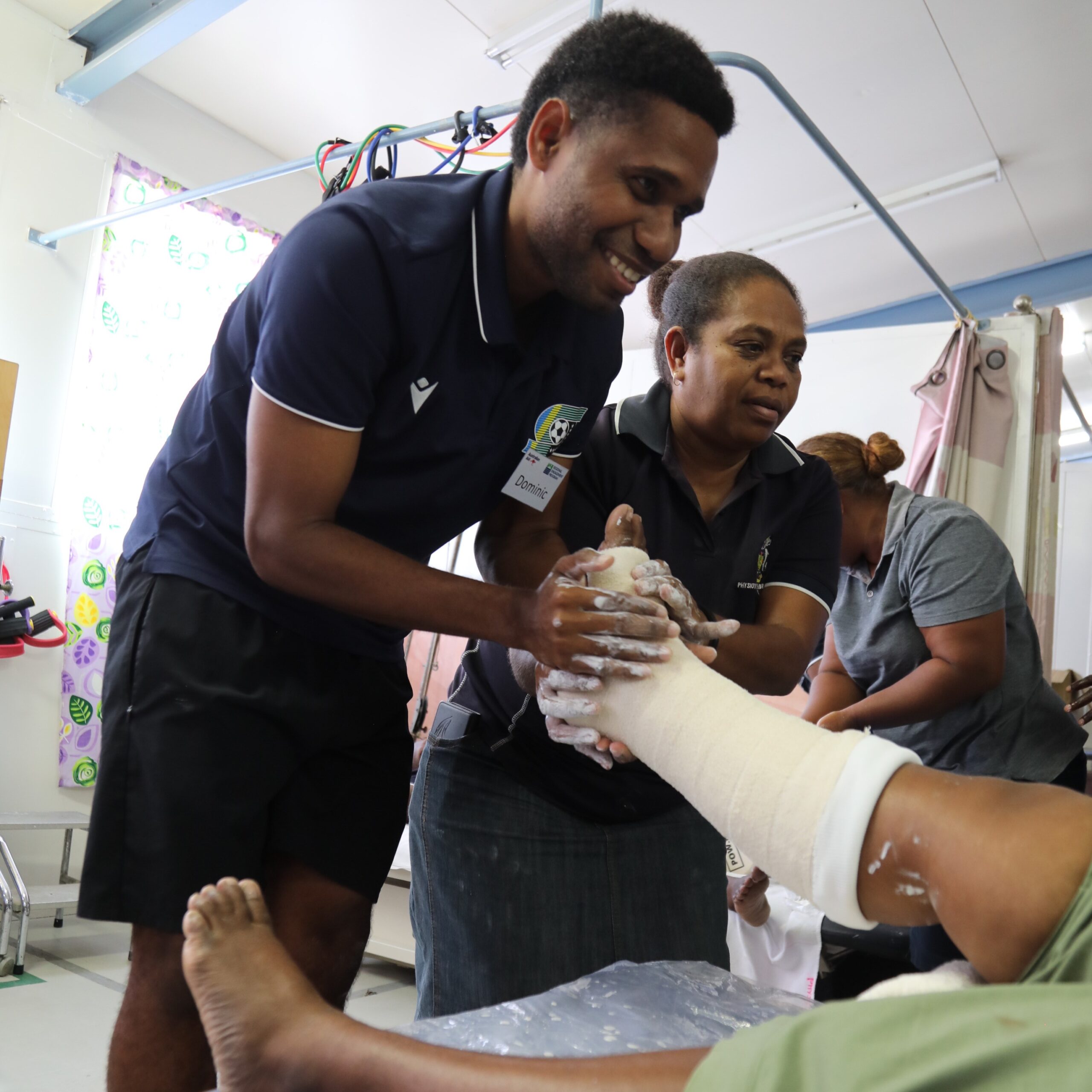
During an after-hours taekwondo training session, Dominic was called to assist an athlete who had sustained a serious fracture. With limited equipment available, he and his colleagues provided immediate support before transporting the athlete to hospital.
“That experience gave me a personal connection to the importance of emergency preparedness and through this RIDE course, I saw the wider role of rehabilitation,” Dominic shared.
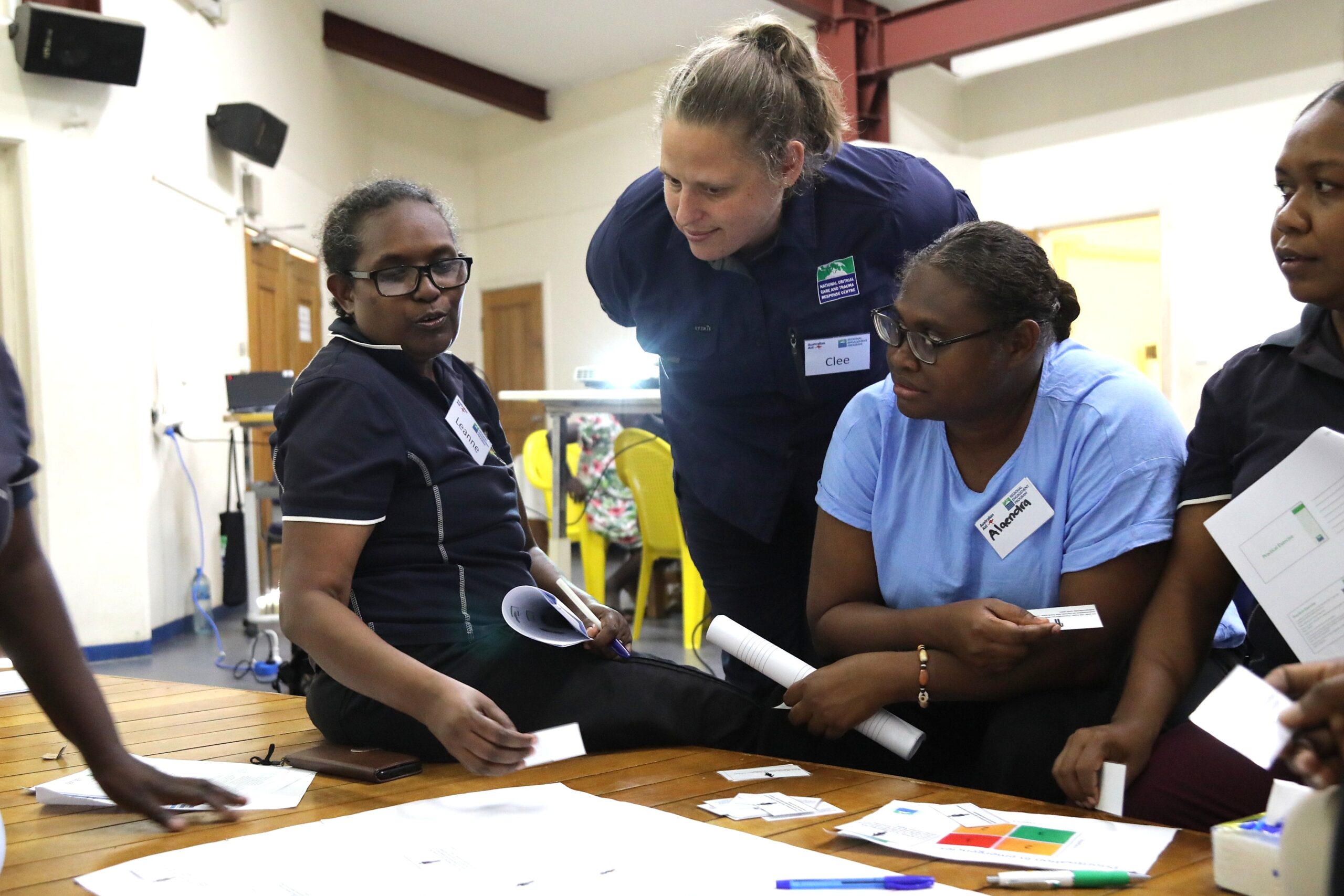
The course involved practical exercises and discussions about the Solomon Islands Medical Assistance Team’s (SOLMAT) capabilities and the role of rehabilitation within the team.
“The highlight for me was hearing stories from colleagues including SOLMAT members, who have worked in disaster settings,” he said.
Honiara National Referral Hospital physiotherapist Leanne Ngassi saw value in bringing professionals together around a common approach to emergency planning.
“We now have ideas on what we need to do and how we can contribute to a rehabilitation disaster preparedness and response plan,” she said.
The course was complemented by a one-day clinical skills workshop focused on early mobilisation, respiratory care, fracture management, and patient education, reinforcing practical knowledge participants could apply in their clinical settings.
It added to what I already knew and gave me more confidence in what I do as a physiotherapist in the hospital.
Turning shared learning into action
With a broader group of stakeholders now engaged in rehabilitation preparedness, the focus is now on developing a rehabilitation disaster preparedness and response plan.
The Solomon Islands Rehabilitation Strategic Plan 2022-2031 identifies this as a priority and Elsie sees the RIDE course as a foundation for moving that work forward.
“We have collected the baseline information needed to begin developing the plan,” Elsie said.
“Most people involved in developing the plan now have the foundation knowledge.”
The next steps include progressing the national plan and exploring opportunities to deliver the RIDE course in other provinces.
“It was motivating and exciting to see that representatives from different institutions come together to understand the importance of rehabilitation in emergencies,” Elsie said with a smile.