AUSMAT spotlight on radiographer Tom Randell: seeing beyond the image
22 Sep 2026
Written by Erika Lu
After years of deployments with the Australian Medical Assistance Team (AUSMAT), Radiographer Tom Randell has come to see his profession differently – from the immediate value of providing diagnostic information to the longer-term value of sharing knowledge and working as part of a team.
Tom moved to Darwin in 2007 after graduating with a Bachelor of Medical Radiation Science from Charles Sturt University in Wagga Wagga, New South Wales.
He started his radiography career at Royal Darwin Hospital (RDH) – what was intended to be a 1-year move became 15 years in the Northern Territory.
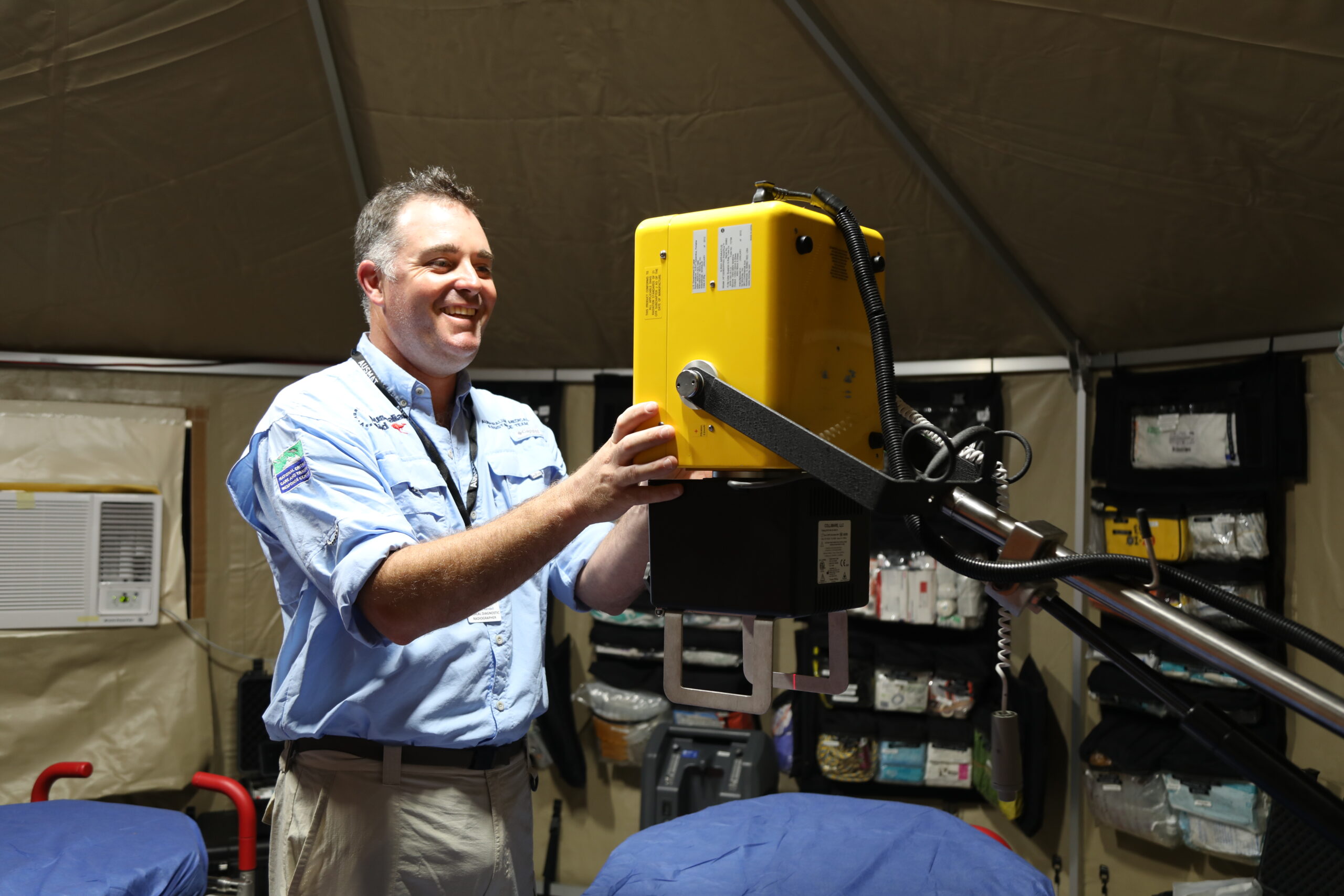
“At the beginning of my career, I saw radiography as an opportunity to see the world. I just graduated university and it was an adventure,” he said.
It soon became much more than that. The opportunity to travel may have drawn Tom to radiography, but he found a profession he genuinely enjoyed. His career took him from RDH to Katherine Hospital, before eventually bringing him back home to Victoria, where he now works at Wodonga Hospital.
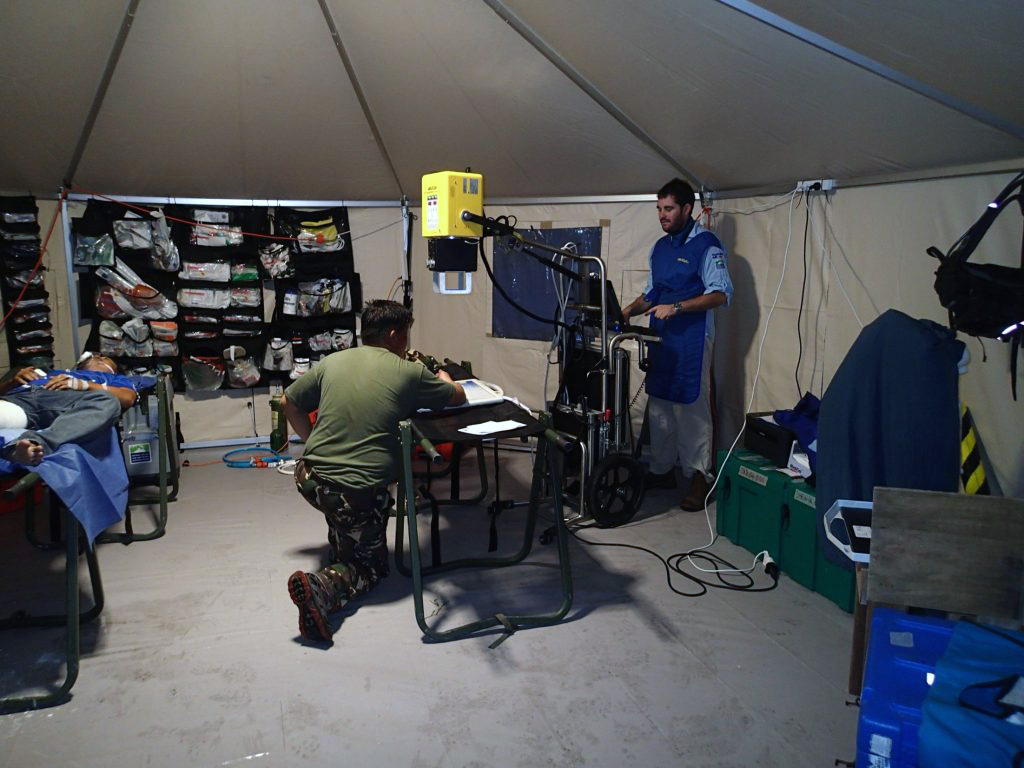
Joining AUSMAT in 2012 added another dimension to Tom’s experience as a radiographer. After completing the Team Member course, he began deploying as part of multidisciplinary health emergency responses.
Tom has supported diagnostic imaging services in AUSMAT Emergency Medical Team (EMT) Type 1 field hospitals and remote clinics. Technical areas of oversight include X-ray, radiation safety, and training and development of local staff.
The austere field environment presents a different set of conditions. A can-do attitude is important.
He adapts to what is available while making decisions independently as the only radiographer deployed and on call 24/7 – a contrast to the environment of a major hospital.
Tom was the first radiographer to deploy with AUSMAT to the Philippines in 2013, following Typhoon Haiyan. The devastation in Tacloban was profound, but what stayed with him was the resilience and response of the locals.
“Some people travelled for days to get to us after hearing the Australian team had a working X-ray machine,” Tom recalled.
One patient had suffered a serious fracture.
“His family was distraught but with diagnostic imaging available, the team and I were able to provide information about his condition and help guide his care.”
The experience showed Tom that diagnostic imaging could provide more than a clinical result – it could give patients and families answers at an uncertain time.
Other deployments brought different challenges. In Papua New Guinea, he supported the COVID-19 response, including daily X-ray rounds in the COVID-19 ward.
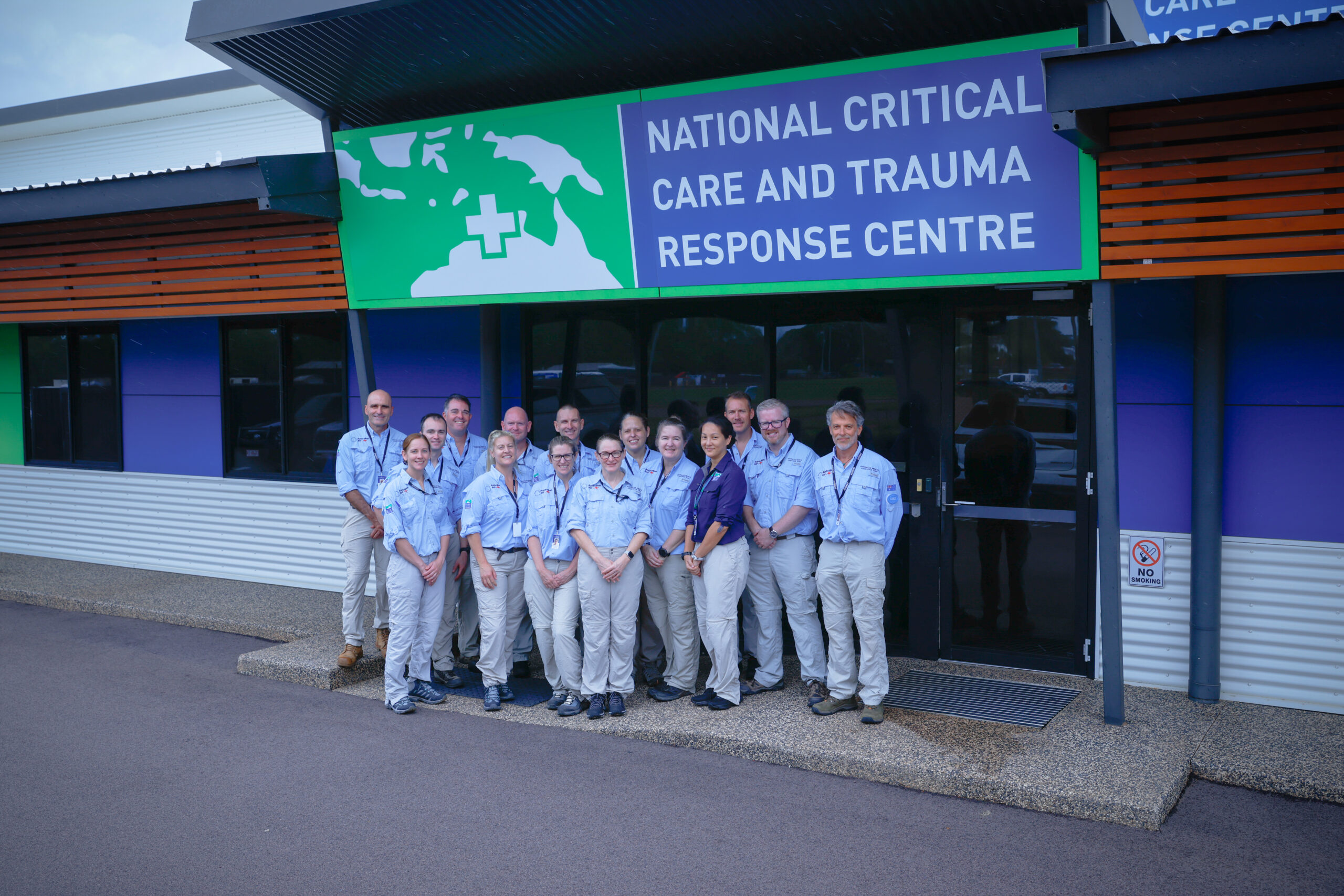
Most recently, Tom returned to the Northern Territory to support Katherine Hospital during Tropical Cyclone Narelle. Having worked there earlier in his career, the deployment carried a personal connection.
“I still knew some of the staff. It was special to return and support the community again."
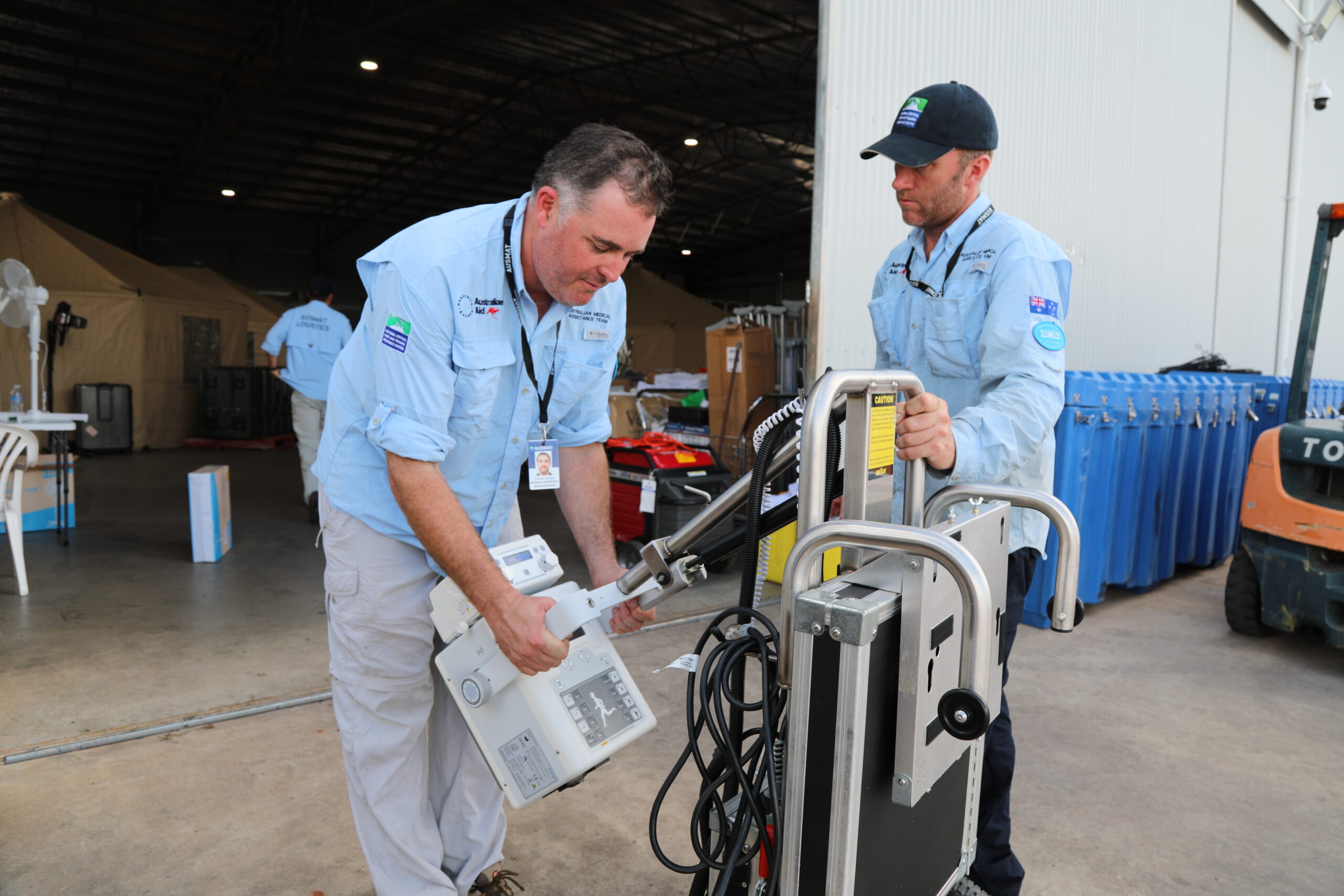
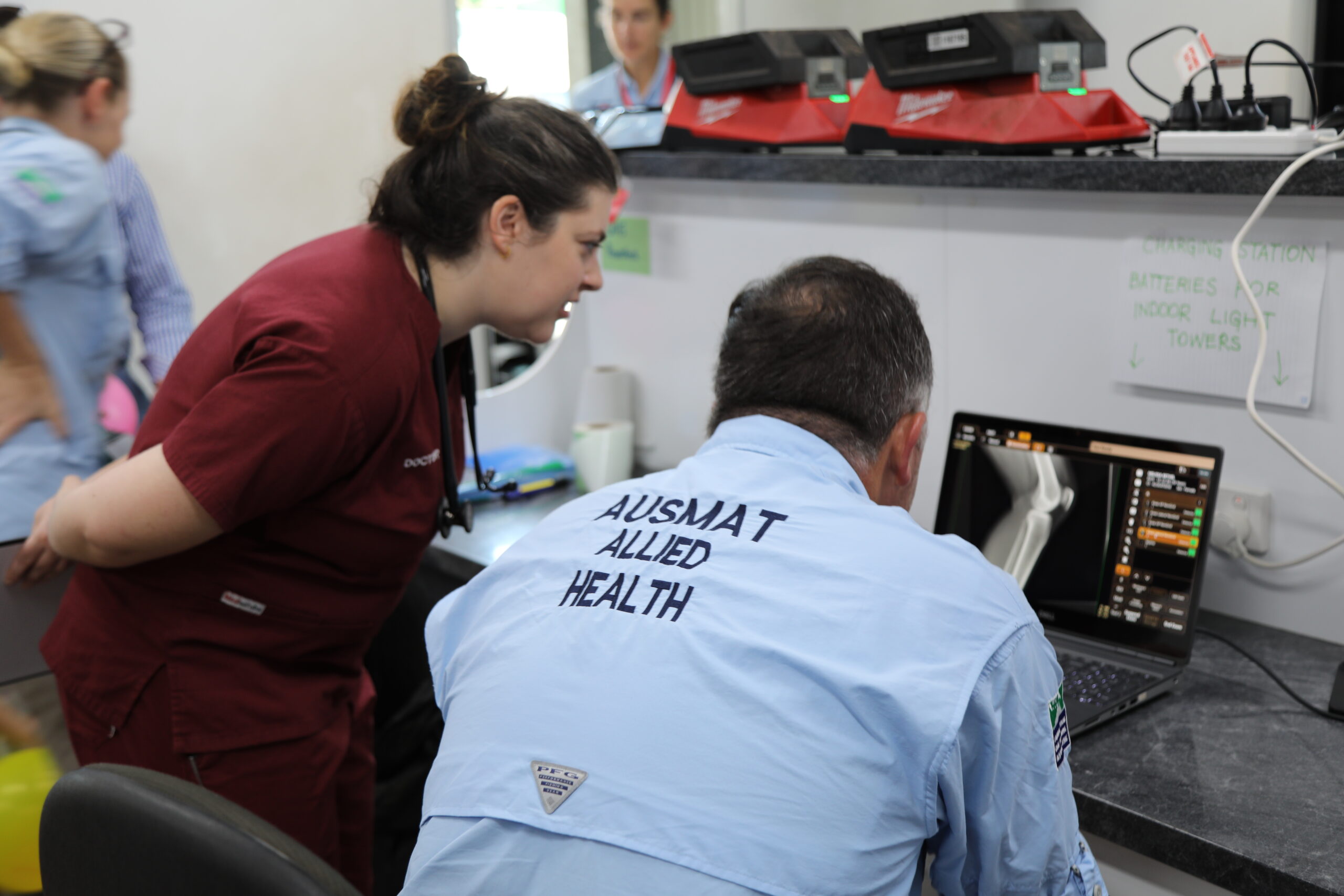
Across these settings, the clinical role has been only one part of the experience. As Tom’s deployment experience grew, so did his understanding of what an emergency response can leave behind.
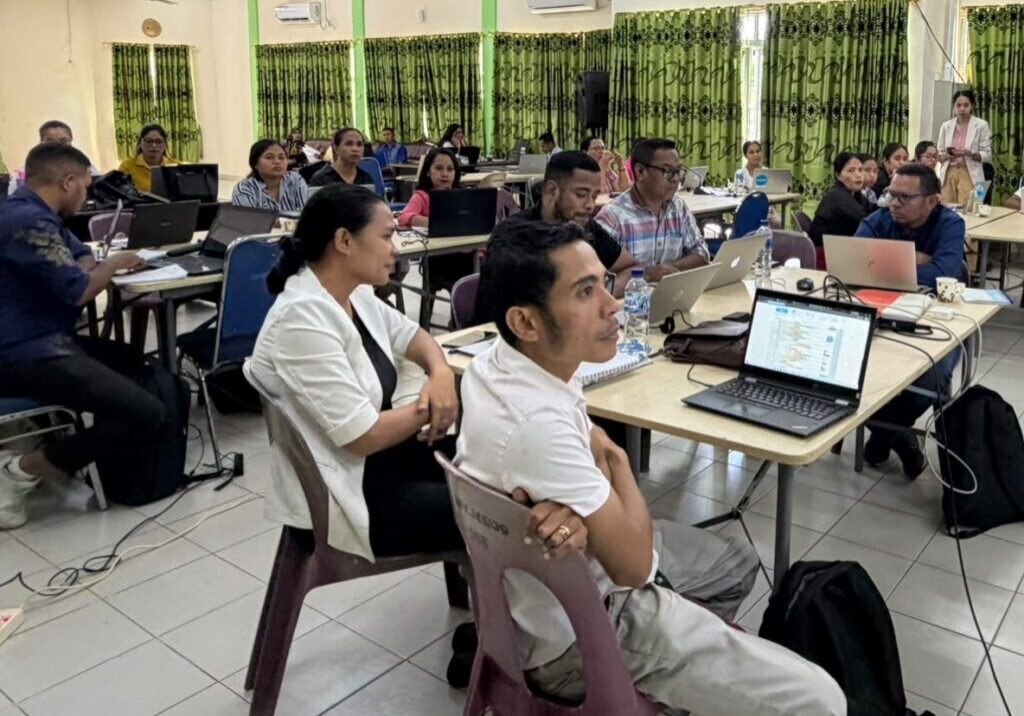
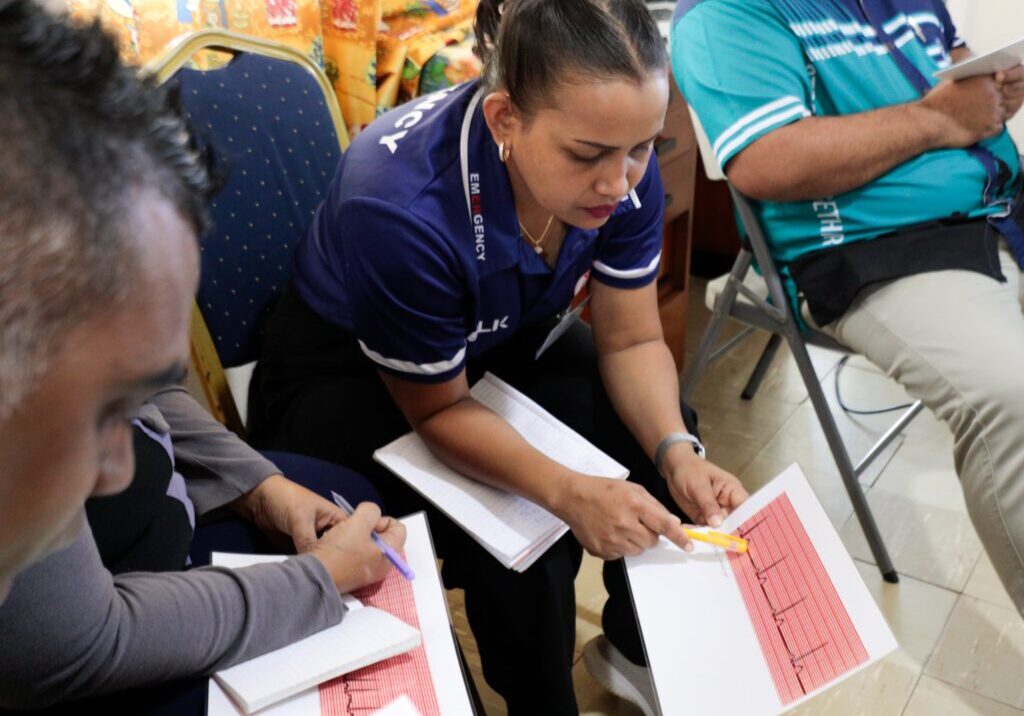
“Knowledge-sharing has become increasingly important. I have also passed on practical skills – some tips, tricks and radiation safety to local radiographers I have worked with.”
For Tom, none of this happens in isolation. “I’m most proud of AUSMAT as a whole,” he said.
Because just me going on my own would mean nothing. The team as a whole helps whole communities – it is 100% team effort.
Years of deployments have shaped not only how he responds in the field, but how he approaches his profession.
“Looking back on my years with AUSMAT, it has opened my eyes and made me a better radiographer.”